You might wonder what is a solid state relay and why it gets so much attention in factories and automation. A solid state relay uses electronic components to switch electrical loads without moving parts. You see these relays everywhere—from heating and lighting control to motion systems. Industries like HVAC, packaging, and food production rely on them because they offer fast, silent switching and resist vibration or shock. You get precise control and high reliability, which means less downtime and fewer repairs.
Key Takeaways
- Solid state relays (SSRs) switch electrical loads without moving parts, offering fast and silent operation.
- SSRs last much longer than mechanical relays because they have no physical wear and tear.
- These relays provide electrical isolation, keeping control circuits safe from high voltages.
- SSRs are ideal for harsh environments, resisting dust, moisture, and vibration.
- Using SSRs can lead to energy savings and improved process accuracy in industrial automation.
What is a Solid State Relay
SSR Definition and Features
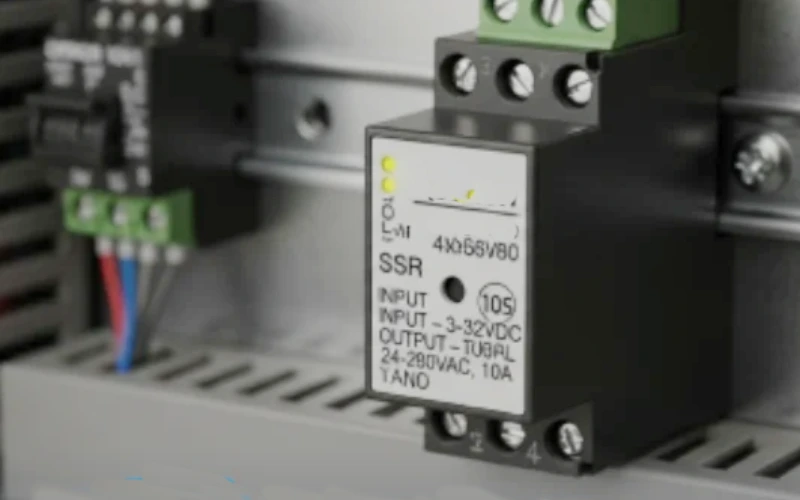
If you have ever wondered what is a solid state relay, you are not alone. Many people see these devices in control panels but do not know how they work. A solid state relay is an electronic component that lets you control a high-power circuit using a low-power signal. It does this without any moving parts. When you apply a small voltage to the control side, the relay switches the load side on or off. This design gives you electrical isolation between your control circuit and the load, which keeps your system safe.
You will notice some key features that make solid state relays stand out:
- They use semiconductor switching elements instead of mechanical contacts.
- They switch loads very quickly, often in about 1 millisecond.
- No moving parts means no physical wear, so you get a much longer lifespan.
- They operate silently, which is great if you want a quiet environment.
- Their sealed construction protects them from dust, moisture, and even chemical vapors.
Tip: Because solid state relays have no moving parts, you can expect them to last much longer than traditional relays, especially in tough industrial settings.
Here is a quick look at what makes these relays special:
| Feature | Description |
|---|---|
| Semiconductor Switching Elements | Uses electronic parts for switching, not mechanical contacts. |
| High-Speed Operation | Switches in about 1 ms, much faster than mechanical relays. |
| No Mechanical Contacts | No physical wear, so you get longer life and less maintenance. |
How SSRs Differ from Mechanical Relays
You might ask, how do solid state relays compare to the old-school mechanical relays? The difference is huge, especially if you care about speed, durability, and reliability.
Mechanical relays use moving parts to open and close circuits. Every time they switch, tiny metal contacts hit each other. Over time, these contacts wear out. In contrast, solid state relays use semiconductors to switch circuits. No moving parts means no wear and tear.
Let’s break down the main differences:
- Solid state relays switch in microseconds. Mechanical relays take 5 to 15 milliseconds. That is a big deal if you need fast response.
- Mechanical relays can last for over a million cycles, but solid state relays can handle millions of cycles without losing performance.
- Solid state relays resist vibration and shock. Mechanical relays can fail if they get bumped or shaken.
- You can use solid state relays in places with lots of dust, moisture, or chemicals. Their sealed design keeps them safe.
Here is a table to help you compare:
| Feature | Solid-State Relays | Mechanical Relays |
|---|---|---|
| Moving Parts | None | Yes |
| Switching Speed | Microsecond range | 5 to 15 milliseconds |
| Mechanical Wear | Eliminated | Present |
| Resistance to Vibration | High | Low |
| Resistance to Shock | High | Low |
| Temperature Fluctuations | More resistant | Less resistant |
| Longevity | Millions of cycles without degradation | Limited due to wear |
| Environmental Sealing | Sealed construction | Not typically sealed |
When you look at what is a solid state relay, you see a device built for modern industry. You get fast, reliable switching and a long service life. Solid state relays help you keep your systems running smoothly, even in harsh environments.
How Solid State Relays Work
SSR Internal Structure
When you look inside a solid state relay, you find a clever arrangement of electronic parts. These components work together to switch circuits quickly and reliably. You might wonder, what is a solid state relay made of? Here’s a peek at the main parts you’ll find inside most SSRs:
- Light-emitting diode (LED)
- Photo-voltaic diode (PVD)
- MOSFETs (Enhancement type and Depletion type)
Each part has a special job. The LED receives your control signal and shines light onto the PVD. The PVD responds to this light and helps trigger the MOSFETs, which handle the heavy lifting of switching the load. You don’t see any moving parts here. Everything happens through the magic of semiconductors and light.
Let’s break down the structure a bit more. You’ll see three main sections inside a solid state relay:
- Input Circuit: This is where your control signal enters. It gets conditioned and prepared for the next stage.
- Isolation (Coupling) Circuit: This part keeps your control side and load side separate. It uses an optocoupler, which is a combination of an LED and a photosensitive device. The optocoupler lets signals pass without any direct electrical connection.
- Output Switching Circuit: This section contains the semiconductors that actually switch the load on or off. It responds to the signal from the isolation circuit.
Note: The optocoupler is key. It keeps your control circuit safe from high voltages on the load side.
Here’s a quick table to help you visualize the internal structure:
| Section | Main Component(s) | Function |
|---|---|---|
| Input Circuit | LED | Receives and processes control signal |
| Isolation Circuit | Optocoupler (LED + PVD) | Provides electrical isolation |
| Output Circuit | MOSFETs, Triacs, Thyristors | Switches the load on or off |
Working Principle of SSRs
You might ask, how do solid state relays actually switch circuits without moving parts? The answer lies in how these components work together. Let’s walk through the process step by step.
- Receiving and Processing the Control Signal
You send a low-voltage control signal to the SSR. The input circuit lights up the LED inside the optocoupler. - Isolation and Triggering of the Output Circuit
The LED shines on the photosensitive part of the optocoupler. This action keeps your control side isolated from the load side. The photosensitive device reacts and sends a signal to the output circuit. - Switching the Load On and Off
The output circuit uses semiconductors like MOSFETs, triacs, or thyristors. These devices switch the load on or off almost instantly. You get fast, silent operation with no mechanical wear.
Here’s another way to look at it:
- When you apply a control voltage, the LED turns on.
- The optocoupler activates, sending a signal to the output transistor or MOSFET.
- The output device switches, allowing current to flow to your load.
Tip: Because SSRs use optoelectronics and capacitive connections, you get galvanic isolation. This means your control circuit stays safe, even if there’s a problem on the load side.
Solid state relays achieve switching without moving parts. You don’t have to worry about contact wear or bounce. The design allows for low voltage turn-on and zero current turn-off. This reduces electrical noise and boosts reliability. You can use SSRs in places with lots of dust, vibration, or temperature swings. They keep working when mechanical relays might fail.
Common Failure Modes and How to Avoid Them
Even though SSRs are tough, you should know about possible failure modes. Here’s a table that shows what can go wrong and how you can prevent issues:
| Failure Mode | Problem Description | Causes and Solutions |
|---|---|---|
| SSR Overheating | Excessive heat, reduced lifespan | Use proper heatsinks, check ambient temperature, pick higher-rated SSRs |
| Load Compatibility Issues | Incorrect switching, intermittent triggers | Select SSRs for specific load types, add protective components |
| Leakage Current | Small current flows when SSR is off | Add bleeder resistor, choose ultra-low leakage SSRs |
| SSR Failure Due to Voltage Spikes | Unpredictable behavior during surges | Install snubber circuits, ensure proper grounding |
| Incorrect Installation | Overheating, premature failure | Follow installation guidelines, ensure adequate airflow |
| “Stuck-On” or “Stuck-Off” Failures | SSR fails closed or open, safety risks | Use fuses, monitor load currents, replace proactively |
Alert: Always follow installation guidelines and choose the right SSR for your load. This helps you avoid most problems.
Now you know what is a solid state relay and how it works inside. You see how solid state relays use semiconductor materials and photocouplers to switch circuits quickly and safely. You get reliable performance, long life, and protection for your control systems.
Applications and Advantages of SSRs

Industrial Uses of Solid State Relays
You see solid state relays everywhere in modern factories. These relays help you control temperature, power, and motion with speed and accuracy. If you work in plastics manufacturing, you rely on precise temperature control to keep your process stable. Food processing plants use these relays to maintain the right temperature during cooking or packaging. Chemical production lines need solid state relays for power regulation and temperature control.
Here’s a quick look at where you might find these relays in action:
| Industry | Application Description |
|---|---|
| Plastics Manufacturing | Precise temperature and power control critical for processes |
| Food Processing | Essential for maintaining temperature during processing |
| Chemical Production | Used for power regulation and temperature control |
You also see solid state relays in spinning equipment, where they keep the temperature stable within ±0.5°C. This helps improve fiber uniformity by 18%. Heat setting machines use these relays for dynamic adjustment, saving up to 12% energy while keeping fabric temperature even. Drive control units in winding equipment rely on solid state relays for smooth integration in polyester production lines.
Tip: If you want better process accuracy and energy savings, solid state relays are a smart choice.
Linkwell Products Supporting SSRs
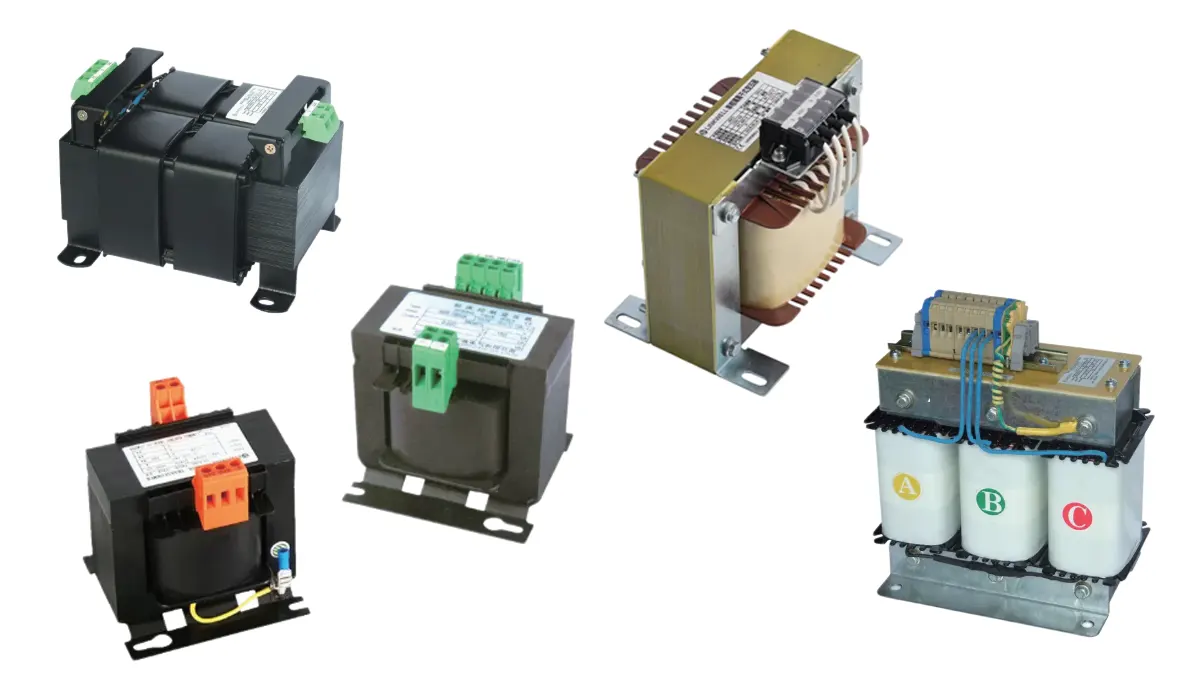
When you build a control cabinet, you need more than just a relay. You need reliable components that work together. Linkwell’s Industrial Control Transformer gives you stable voltage for your control circuits. This transformer protects your relays from voltage spikes and keeps your automation running smoothly. You also need secure wiring, and that’s where Linkwell’s Terminal Block Connector comes in. It makes wiring easy and safe, so your relays stay connected and your system stays reliable.
Solid state relays last much longer than an electromechanical relay. You get over 10 million cycles without losing performance. Electromechanical relays usually last between 100,000 and 1,000,000 cycles. Solid state relays switch faster, resist vibration, and handle harsh environments better. You see fewer breakdowns and less downtime.
- Solid state relays offer:
- Fast switching for better process control
- High resistance to vibration and shock
- Longer lifespan than electromechanical relay
- Silent operation for quieter workspaces
Note: Linkwell products help you get the most out of your solid state relays. You build safer, more efficient control systems for any industrial setting.
Why Choose SSRs for Industrial Automation
Benefits for Control Systems
When you set up an industrial automation system, you want your control systems to be safe, reliable, and efficient. That’s where a relay like the solid state type really shines. You get fast switching, which means your machines respond quickly. You also avoid the wear and tear that comes with moving parts. This leads to less downtime and fewer repairs.
Solid state relays help you save energy. They use very little power to operate, even when they control large loads. You also get a quieter workspace because these relays switch without making noise. Safety improves, too. Since there are no sparks or arcs, you lower the risk of fire or electrical hazards.
Here’s a quick table to show you how these relays stack up against mechanical types:
| Feature | Solid State Relay | Mechanical Relay |
|---|---|---|
| Moving Parts | None | Yes |
| Switching Speed | Microseconds | Milliseconds |
| Maintenance Needs | Low | High |
| Noise | Silent | Audible |
| Operational Life | Long | Shorter |
| Safety | High | Moderate |
You can see why so many industries choose this type of relay for their control systems. You get better performance, longer life, and lower costs over time.
Linkwell’s Role in Reliable Automation
You want your automation projects to run smoothly. That’s why you need more than just a good relay. Linkwell offers products that work perfectly with solid state relays. For example, the Industrial Control Transformer gives your relays a stable voltage supply. This keeps your control circuits safe from power spikes and helps your relays last even longer.
You also need secure wiring. Linkwell’s Terminal Block Connector makes wiring easy and reliable. You get strong connections, which means your relays stay connected and your system stays safe.
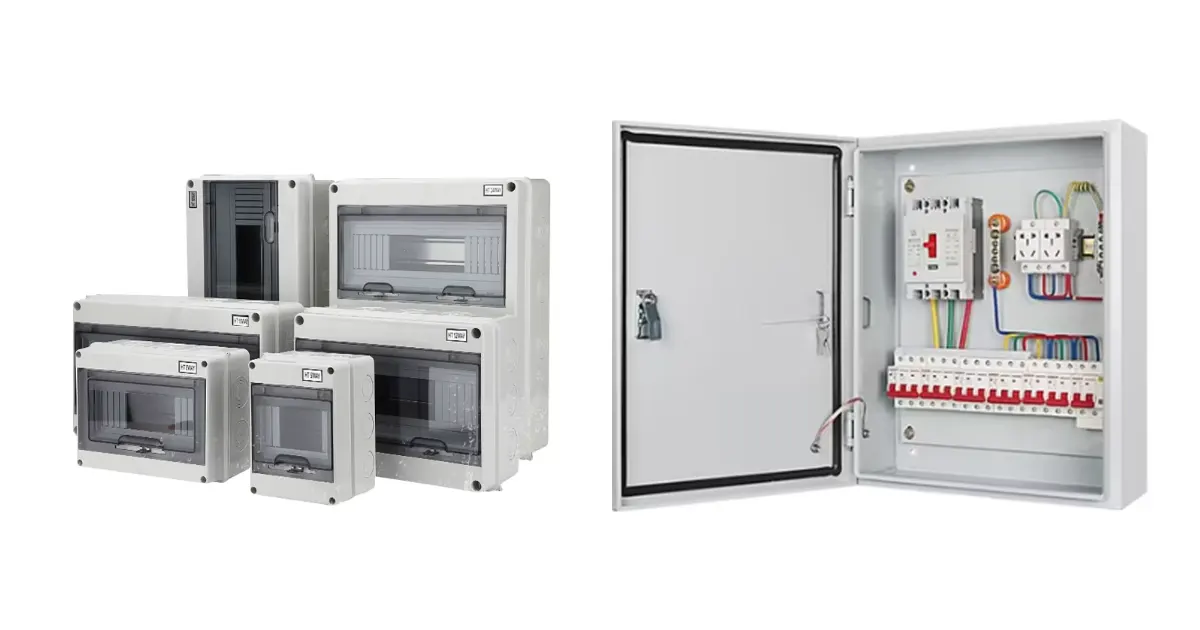
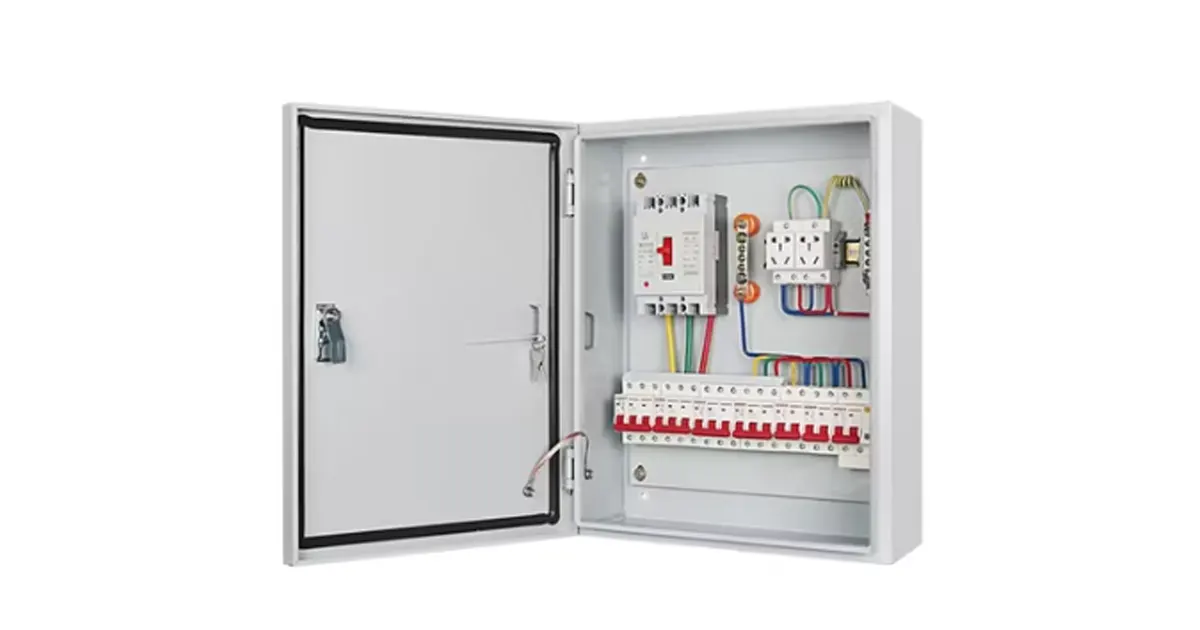
Tip: When you combine Linkwell’s transformers and connectors with your relays, you build a control cabinet that’s ready for anything.
You can trust Linkwell to support your automation needs. Their products help you get the most out of every relay in your system. You spend less time on repairs and more time keeping your operations running.
Conclusion
You’ve learned a lot about solid state relays. These devices help you control high-power circuits with just a small signal. You don’t have to worry about moving parts wearing out or noisy switches. SSRs use semiconductors and optocouplers to switch loads quickly and safely. You get fast response, long life, and silent operation.
If you work in industrial automation, you know how important reliability is. Solid state relays give you that edge. You see fewer breakdowns and less downtime. Your control systems run smoother, and your workspace stays quieter. You also save energy because SSRs use less power.
Linkwell makes your job easier. Their Industrial Control Transformers keep your voltage stable. Terminal Block Connectors help you wire everything securely. You build control cabinets that last longer and work better. Linkwell supports you with high-quality products and fast delivery.
Tip: When you choose SSRs and Linkwell solutions, you set up your automation projects for success.
Here’s a quick recap:
- SSRs switch loads without moving parts.
- You get fast, silent, and reliable operation.
- Linkwell products help you build safer and more efficient control systems.
Ready to upgrade your control cabinet? Visit Linkwell Electric and explore their range of solutions. You’ll find everything you need for smarter, safer automation. 👍
You now know that a solid state relay uses smart circuits to switch loads quickly and safely. Here’s a quick look at what makes up an SSR:
| Component | Description |
|---|---|
| Input Circuit | Handles your control signal, simple or complex. |
| Isolation | Keeps control and load sides safe using optical coupling. |
| Trigger Circuit | Manages switching modes for smooth operation. |
| Switching Circuit | Uses transistors or thyristors for fast, reliable switching. |
| Protection Circuit | Shields against surges and interference. |
Solid state relays give you faster switching, silent operation, and a longer lifespan. You get reliable performance in tough environments. When you pair SSRs with Linkwell’s transformers and terminal blocks, your control systems become even more efficient and dependable. If you want smarter automation, SSRs and Linkwell products are a great choice.
FAQ
How do you choose the right solid state relay for your application?
You should check your load type, voltage, and current requirements. Make sure the SSR matches your control signal. If you need help, Linkwell’s team can guide you to the best fit for your project.
Can you use solid state relays with Linkwell transformers and terminal blocks?
Yes! Linkwell’s Industrial Control Transformers provide stable voltage for SSRs. Terminal Block Connectors make wiring easy and secure. You get a reliable setup for any control cabinet.
What’s the main advantage of SSRs over mechanical relays?
Solid state relays switch faster and last longer. You don’t deal with noisy operation or worn-out contacts. SSRs work well in harsh environments and help you reduce downtime.
Do SSRs need special installation or maintenance?
You should follow the manufacturer’s instructions. Use proper heatsinks if needed. Check wiring connections. SSRs need less maintenance than mechanical relays, so you save time and effort.
Are SSRs safe for industrial automation?
Absolutely! SSRs offer electrical isolation and silent switching. You lower the risk of sparks or fire. Linkwell’s certified products help you build safer, more efficient automation systems.