You rely on your car every day, but did you know that the electric engine cooling fan plays a huge part in keeping your engine safe? This fan helps regulate engine temperature and stops engine overheating, which can cause serious damage. More than 60% of breakdowns happen because of engine overheating and cooling system failures. When your electric engine cooling fan works well, your car stays cool and runs smoothly. If you understand how this fan prevents overheating, you can spot problems early and protect your engine.
Electric fans exceed traditional mechanical fans in flexibility and efficiency. They can regulate speed independently based on real-time engine and vehicle requirements, ensuring precise airflow control and enhancing overall cooling efficiency. This capability allows for reduced energy consumption and sufficient cooling capacity during varying load scenarios.
Key Takeaways
- The electric engine cooling fan prevents overheating by pulling air through the radiator, keeping your engine at a safe temperature.
- Modern cars use sensors to automatically control the cooling fan, ensuring it operates only when needed for maximum efficiency.
- Electric fans are more efficient than mechanical fans, providing better performance and fuel economy, especially in stop-and-go traffic.
- Regular maintenance, like cleaning the fan and checking wiring, can prevent cooling fan failures and save you from costly repairs.
- Pay attention to warning signs, such as rising temperature gauges or unusual noises, to catch cooling fan issues early and protect your engine.
Electric Engine Cooling Fan Basics
What Is an Electric Engine Cooling Fan
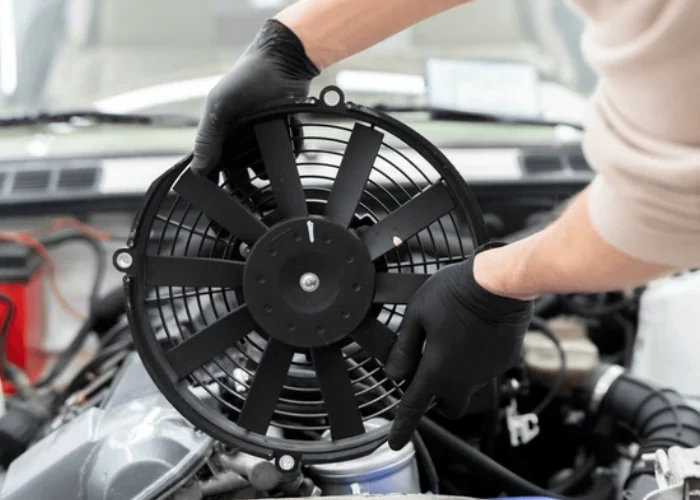
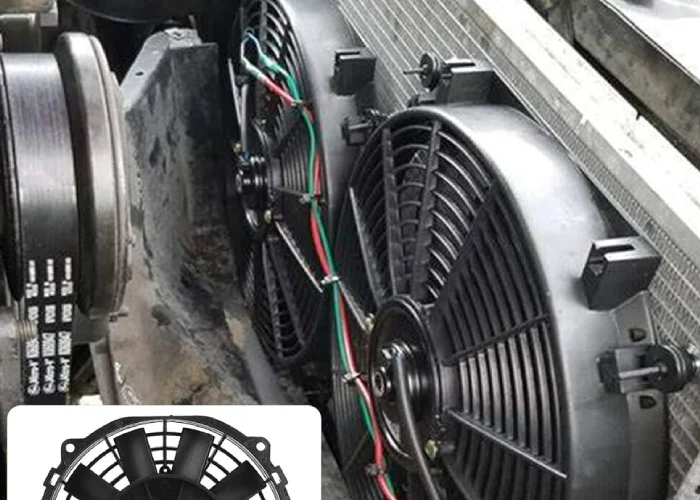
You might not notice it, but the electric engine cooling fan is a critical component in your car. This fan sits near the radiator and helps keep your engine at the right temperature. When your car heats up, the cooling fan pulls air through the radiator. This process cools down the engine coolant and keeps the engine from overheating. Without a working cooling fan, your car could quickly run into trouble, especially in traffic or on hot days.
The cooling fan does more than just blow air. It supports the entire cooling system by making sure the engine stays within a safe temperature range. This helps your car run better and last longer. Here’s a quick look at what the cooling fan does for your car:
| Function | Description |
|---|---|
| Heat Dissipation | The fan dissipates heat by drawing cool air through the radiator, ensuring stable engine temperatures. |
| Cooling During Idle and Low Speed | Provides airflow when the vehicle is stationary or moving slowly, preventing overheating. |
| Temperature Regulation | Activates based on sensor input to maintain optimal engine temperature for efficiency and longevity. |
| Support for Air Conditioning | Assists in cooling when the AC is engaged, managing additional heat produced by the engine. |
Main Components
Your car’s electric engine cooling fan works as a team with several important parts. Each part plays a special role in the cooling process:
- Impeller: This part creates airflow by pulling air in and pushing it out. It is essential for cooling efficiency.
- Shaft and Bearings: These support the impeller and help it spin smoothly. If they wear out, the cooling fan loses performance.
- Motor: The motor powers the impeller. Its type affects how much energy the cooling fan uses and how well it controls speed.
- Fan Frame: This holds everything together and directs airflow over the radiator and other heat sinks.
- Fan Accessories: Guards and filters protect the inside parts and help the cooling fan work better.
The cooling system also includes the radiator, water pump, and thermostat. The radiator cools the engine coolant, the water pump moves coolant through the engine and radiator, and the thermostat controls when coolant flows. All these parts work together to keep your car’s engine cool and running smoothly.
Tip: Modern cars use smart cooling fans that talk to the car’s computer. These fans adjust their speed and power to match what your engine needs, saving energy and improving performance.
How the Cooling Fan Works
Operation and Airflow
When you start your car, the engine begins to produce heat. The cooling fan steps in to help control this heat and keep the temperature safe. The cooling fan sits right behind the radiator. Its job is to pull air through the radiator fins. This airflow cools down the engine coolant, which carries heat away from the engine. If the cooling fan stops working, your car can quickly face overheating, especially when you sit in traffic or drive slowly.
You might wonder how much air a cooling fan can move. Most electric fans in passenger cars push around 3,000 cubic feet per minute (cfm). For regular street cars with engines between 400 and 500 horsepower, you need about 2,000 cfm to keep things cool. Trucks often need even more airflow, sometimes up to 4,000 cfm, depending on the engine and driving conditions.
Here’s what happens during cooling fan operation:
- The cooling fan draws air through the radiator when your car is not moving fast.
- At low speeds or when stopped, the cooling fan provides the main source of airflow for cooling.
- When you drive faster, natural airflow helps cool the engine, and the cooling fan may not need to work as hard.
- In tough situations, like endurance racing, keeping the cooling fan running at low speed can lower engine temperature and prevent overheating.
Tip: If you notice your temperature gauge rising while idling, your cooling fan may not be working properly. This can lead to overheating and engine damage.
Sensors and Automatic Control
You don’t have to turn the cooling fan on and off yourself. Modern cars use sensors and relays to control the cooling fan automatically. The most important sensor is the Engine Coolant Temperature (ECT) sensor. This sensor measures the temperature of the coolant and sends signals to your car’s computer. When the temperature gets too high, the computer tells the relay to switch on the cooling fan.
Here’s how the system works:
- The ECT sensor checks the coolant temperature.
- If the temperature reaches a set point, the sensor sends a signal to the relay.
- The relay activates the cooling fan, starting the cooling process.
- When the temperature drops, the relay turns the cooling fan off.
Some cars use advanced modules, like the TBRC-001, to control two relays based on sensor readings. These modules can run the cooling fan at different speeds, depending on how much cooling your engine needs. You might find on/off, two-speed, or variable-speed fan clutches in different vehicles. These options help keep the temperature steady and prevent overheating.
Note: The ECT sensor also helps your car’s computer adjust fuel mixture and spark timing. This keeps your engine running smoothly and efficiently, especially when the temperature changes.
If you want your car to last longer, pay attention to the cooling fan and its automatic controls. A working cooling fan keeps the engine temperature in check, protects against overheating, and helps your car handle extra heat from air conditioning or tough driving conditions.
Why Choose an Electric Car Fan
Electric vs. Mechanical Fans
When you look under the hood, you might see either a mechanical fan or an electric car fan. Both help with temperature regulation, but they work in different ways. A mechanical fan connects directly to the engine and spins faster as the engine speeds up. An electric car fan uses the car’s electrical system and only runs when needed. This difference changes how each fan affects your car’s performance and cooling.
Here’s a quick comparison to help you see the main differences:
| Feature | Mechanical Fans | Electric Fans |
|---|---|---|
| Power Source | Mechanical energy from the engine | Vehicle’s electrical system |
| Operation | Clutch or flex fans; clutch fans engage/disengage | Operate consistently without parasitic loss |
| Efficiency | Less efficient due to parasitic horsepower loss | More efficient, no power loss |
| Cooling Consistency | Varies with engine speed and temperature | Maintains consistent airflow |
| Installation Flexibility | Limited to specific mounting options | Can be mounted in various configurations |
| Control | Limited control options | Adjustable thermostats and remote operation available |
| Performance Suitability | Ideal for stock or mildly modified vehicles | Preferred for highly modified vehicles |
You can see that an electric car fan gives you more control and flexibility. It does not depend on engine speed, so it can keep the temperature steady even when you are stuck in traffic or idling.
Efficiency and Performance
You want your car to run smoothly and stay cool, especially in stop-and-go traffic. An electric car fan helps you do just that. It only turns on when your engine needs cooling, which saves energy and improves fuel efficiency. This means your car uses less fuel and produces fewer emissions. You also get better temperature regulation, which protects your engine from overheating.
Let’s look at some real benefits you get with an electric car fan:
- The car fan reduces engine load, so you get more horsepower and torque.
- It adapts to real-time temperature needs, making it perfect for city driving and long trips.
- The car fan keeps the engine at the right temperature, which means efficient engine cooling and better fuel economy.
- You help the environment because the car fan lowers emissions and lasts longer, creating less waste.
- The car fan works behind the scenes to keep your car running at its best, even when you use the air conditioner or drive in hot weather.
Did you know that switching from a mechanical fan to an electric car fan can give you a small boost in horsepower and torque? You might see gains of about 3 horsepower and 10 ft-lbs of torque. That means your car feels a bit stronger and more responsive.
If you want reliable temperature regulation, better performance, and a more efficient car, choosing an electric car fan makes a lot of sense. You get peace of mind knowing your engine stays cool, no matter where or how you drive.
Cooling Fan Problems and Maintenance
Common Symptoms
You might not think about your cooling fan until something goes wrong. Spotting cooling fan symptoms early can save your car from overheating and expensive repairs. Here are the most common signs that you have a faulty cooling fan:
- Engine overheating during low-speed or idle. You may see the temperature gauge rise at stoplights or notice steam coming from the engine bay.
- Fan not spinning when the engine is hot. After your car heats up, check if the cooling fan turns on. Listen for the fan motor when you switch on the air conditioner.
- Unusual noises from the fan area. Grinding, buzzing, or rattling sounds often mean the cooling fan is damaged.
- Reduced air conditioner performance. If your A/C blows warm air while idling but cools better at higher speeds, the cooling fan may be the problem.
- Blown fuses or electrical issues. Repeatedly blown fan fuses or burnt wiring near the fan assembly point to a faulty cooling fan.
A faulty cooling fan can cause your engine to work harder, burn more fuel, and even lead to total engine failure. Overheating happens because the cooling fan fails to regulate temperature, and you may notice slow performance or warning lights.
Tip: Maintaining the right temperature keeps your car running smoothly and helps you avoid costly repairs.
Maintenance and Troubleshooting
You can prevent most cooling fan failures with regular cooling fan maintenance. More than two-thirds of electrical system failures never happen if you keep up with scheduled checks. Here are some easy steps you can follow:
- Clean the fan blades and components every month. Remove debris to keep airflow strong.
- Check pulleys, blades, and filters monthly. Lubricate moving parts and inspect dampers.
- Inspect wiring, ductwork, and insulation yearly. Repair any damage you find.
- Avoid humid or splash-prone areas to prevent rust and electrical leaks.
- Keep the cooling fan away from direct sunlight to avoid warping.
- Make sure there’s enough space around the fan for proper cooling.
- Unplug the fan if you won’t use your car for a long time.
| Environment Type | Inspection Frequency |
|---|---|
| Dusty environments | Monthly |
| Humid areas | Bi-monthly |
| Clean environments | Every 3 to 6 months |
If your cooling fan stops working, try these troubleshooting steps:
- Check electrical components like fuses, relays, and wiring.
- Test the temperature sensor with a multimeter.
- Inspect the fan blades for debris.
- Test the fan motor by applying direct power.
- Examine the radiator for blockages.
Regular cooling fan maintenance helps your car stay cool, improves fuel efficiency, and lowers emissions. If you keep up with these simple checks, you can avoid most problems and keep your engine safe.
Conclusion
You now know how important the cooling fan is for your car. This small part keeps your engine safe and helps your car run smoothly every day. When you understand how the cooling fan works, you can spot problems before they get serious. You also save money and avoid stressful breakdowns.
Let’s recap what you learned:
- The cooling fan pulls air through the radiator to keep the engine cool.
- Sensors and relays control the cooling fan automatically, so you don’t have to worry about turning it on or off.
- Electric cooling fans offer better efficiency and performance than mechanical fans, especially in city traffic.
- Regular maintenance helps your car stay reliable and prevents overheating.
If you check your cooling fan often, you protect your engine and keep your car running longer. A simple monthly inspection can make a big difference.
You don’t need to be a mechanic to keep your car in good shape. Just pay attention to warning signs like overheating or strange noises. Clean the cooling fan and check the wiring when you get a chance. If you notice anything unusual, fix it early. Your car will thank you with smooth rides and fewer repairs.
Remember, the cooling fan is your engine’s best friend. Take care of it, and you’ll enjoy a safer, more dependable car. Stay cool out there!
You’ve learned how your car’s cooling fan keeps the engine safe by controlling heat and protecting vital components.
The most important function of engine cooling fans is to dissipate heat generated by the engine during operation.
By preventing the engine from overheating, cooling fans protect various engine components from wear and tear caused by heat.
Regular maintenance helps your car run smoothly and saves you money over time.
- Clean the fan blades and check wiring often.
- Inspect your car every six months to catch problems early.
If you stay alert to warning signs, you’ll avoid major engine damage and enjoy a dependable car for years.
FAQ
How do I know if my car’s cooling fan is working?
You can check by listening for the fan when your car idles after driving. If you don’t hear it or see it spinning, your car might have a cooling issue. Watch your temperature gauge for sudden spikes.
Can I drive my car if the cooling fan stops working?
You shouldn’t drive your car if the cooling fan fails. Overheating can damage your engine quickly. If you notice the fan isn’t running, park your car and let the engine cool before seeking help.
Why does my car overheat only in traffic?
Your car relies on the cooling fan for airflow when stopped or moving slowly. If the fan isn’t working, heat builds up. On highways, natural airflow helps cool your car, so overheating is less likely.
How often should I check my car’s cooling fan?
You should inspect your car’s cooling fan every month. Look for debris, listen for strange noises, and check the wiring. Regular checks help you catch problems early and keep your car running smoothly.
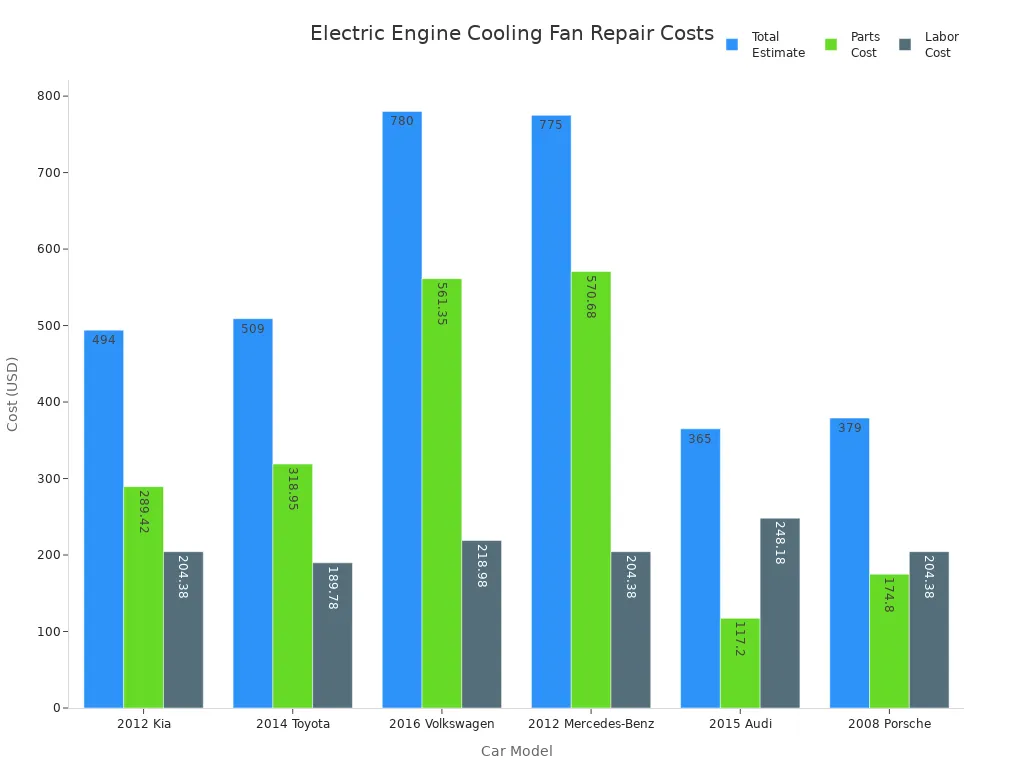
Is it expensive to replace a car cooling fan?
Replacement costs depend on your car’s make and model. Labor and parts can vary. You can save money by catching issues early and maintaining your car’s cooling system.