“Last year, a customer asked me: What should I look at when choosing a fan bearing? I said, if I could only look at three indicators, I would choose temperature, speed, and installation direction—because these three are the easiest to make the wrong choice.”
Each of these industrial fan bearing specifications shapes how well the fan performs and how long it lasts. For example, ball bearings handle temperature swings better, while sleeve bearings run quieter in calm environments. Longer lifespan means fewer replacements and less downtime. I trust Linkwell because they design solutions that fit my exact needs, using in-house research and dynamic customization to support even the most demanding projects.
Fan Bearing Quick Selection Card
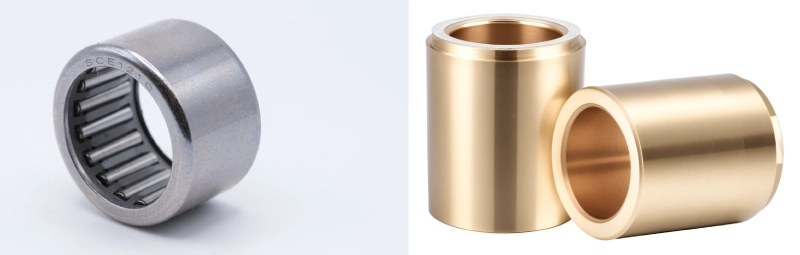
- Choose the right bearing type based on your application. Ball bearings suit high-speed and high-load environments, while sleeve bearings are ideal for quieter, low-speed settings.
- Consider load capacity and operating speed. Ensure the bearing can handle the required loads and speeds to prevent premature wear and failure.
- Evaluate temperature tolerance. Select bearings made from materials that withstand high temperatures to extend their lifespan in demanding environments.
- Pay attention to noise levels. Use fluid dynamic bearings for quiet operation in sensitive areas, as they significantly reduce friction and vibration.
- Balance lifespan and cost. Compare the expected operational life of different bearing types to make informed decisions that minimize maintenance and replacement expenses.
Industrial fan bearing specifications
Key factors for fan bearing selection
When I choose a fan bearing for industrial applications, I look at several specifications that shape how the fan performs and how long it lasts. Each specification affects the operation in a unique way. I created a table to show how these factors influence fan performance:
| Specification | Effect on Fan Operation |
|---|---|
| Bearing Type | Changes performance, efficiency, and reliability. |
| Noise Levels | Determines if the fan fits noise-sensitive environments; lower noise is better. |
| Load Capacities | Sets the maximum load the fan can handle without failure. |
| Maintenance Needs | Affects how often I need to service the fan; easier maintenance extends lifespan. |
| Operational Environments | Some bearings work better in specific conditions, which impacts efficiency. |
I pay close attention to bearing type. Ball bearings support higher speeds and handle temperature swings. Sleeve bearings run quieter but suit lower-speed fans. Load capacity matters because it tells me how much weight or force the bearing can handle. If I use a fan in a heavy-duty setting, I need a bearing with a high load rating. Temperature tolerance is critical. Fans in hot environments need bearings that resist heat and avoid early failure.
Operating speed is another factor. High-speed fans require bearings that stay stable and avoid vibration. Noise level is important in offices or telecom rooms. I select bearings that keep sound low, especially when silence is a priority. Lifespan is a big deal. I want bearings that last longer, so I replace them less often. For example, NMB fans have an L10 life expectancy ranging from 30,000 to 200,000 hours, depending on speed, size, and bearing design. Cost matters, but I balance it with performance and reliability.
I also consider maintenance needs. Bearings that are easy to maintain help me keep the fan running longer. Statistics show that bearing faults cause 30%–40% of failures in rotating machinery, so I always check maintenance requirements before making a choice.
Linkwell’s approach to bearing quality
I trust Linkwell because they focus on quality and customization in fan bearing solutions. Every fan bearing goes through a thorough inspection to guarantee reliability. Linkwell uses advanced bearing technologies that improve efficiency and minimize downtime. They offer full customization for OEM and ODM clients. I can request minor tweaks or complete product tailoring to fit my project.
Linkwell’s bearings meet strict industry standards. For example, their products comply with ISO9001:2015, which is a general quality management standard. They also follow balance quality grades like G6.3, G2.5, and G1.0, depending on the application. These grades help ensure smooth operation and reduce vibration.
I value Linkwell’s customization options. I can select custom cooling fans with variable speed, advanced controls, and special mounting options. This flexibility helps me manage airflow and system performance. Linkwell’s focus on quality means their bearings last longer and perform well in demanding industrial environments.
When I need a fan bearing for a unique application, I ask Linkwell for a custom solution. Their team responds quickly and helps me find the right fit.
Linkwell stands out because they combine quality, customization, and fast support. I rely on their fan bearing solutions for projects that demand high performance and reliability.
Fan bearing types and their applications
Sleeve vs ball bearings in industrial fans
I weigh two factors when choosing between sleeve and ball bearings: speed and budget.
| Bearing Type | Best For | Key Trade-off |
|---|---|---|
| Sleeve | Low-speed, quiet settings (control cabinets, telecom enclosures) | Cheaper and quieter, but needs regular oiling and only works horizontally |
| Ball | High-speed, high-load environments (computer chassis, demanding industrial systems) | Handles heat and any orientation, but costs more and noisier at startup |
Quick take:
- Sleeve = quiet + cheap → needs maintenance, horizontal only
- Ball = durable + versatile → higher cost, slightly louder
I pick sleeve when noise matters and speeds stay low. I pick ball when I need endurance at high speeds.
Linkwell product examples: Axial fan, DC fan, Cabinet Exhaust Fans
Linkwell offers a wide range of fan bearing types to match different industrial needs. I use their axial fans with ball bearings for electrical enclosures that require versatile use and stable airflow. Their DC fan models often feature premium ball bearings, which support continuous operation up to 70,000 hours at 40℃. For small fans in offices or telecom cabinets, I pick sleeve bearing fans because they run quietly and suit low-speed applications.
Linkwell also provides cabinet exhaust fans with both sleeve and ball bearing options. I select the bearing type based on the environment and performance requirements. For advanced fan filter units, Linkwell uses fluid dynamic bearings, which deliver silent operation and extended service life.
I rely on Linkwell’s expertise in bearing design to help me choose the right fan bearing for each project. Their customization options let me match the bearing type to the specific demands of my application, whether I need silent operation, high-speed performance, or long-term reliability.
Load capacity and operating speed in fan bearing performance
Matching load ratings to application needs
When I select a fan bearing for an industrial project, I always check both radial and axial load ratings. Radial load refers to the force applied perpendicular to the shaft, while axial load is the force along the shaft’s axis. If I use sleeve bearing fans in a vertical position, I know they handle radial loads well but may struggle with heavy axial loads. For applications where the fan faces both types of forces—like in high-performance cooling fans for control cabinets—I choose ball bearing fans. These bearings support higher loads in any direction, which is essential for heavy-duty or high-speed fans.
I look at the manufacturer’s load rating chart before making a decision. If the fan will run in a harsh environment or carry extra weight, I pick a bearing with a higher load rating. This helps prevent early failure and reduces the risk of downtime. I also consider the fan’s orientation and mounting style, since these factors affect how the load is distributed across the bearing.
Speed limitations and Linkwell’s engineering solutions
Operating speed plays a huge role in bearing performance. As fan speed increases, so does friction between the bearing and shaft. This friction can raise noise levels and generate more heat. I always make sure the bearing can handle the required speed without exceeding the manufacturer’s limits. If I push a bearing past its rated speed, I risk premature wear or even failure.
- Higher speeds boost airflow but also increase friction and noise.
- Bearings must stay within their rated speed to avoid damage.
- High-speed fans need bearings that can handle centrifugal forces and temperature swings.
Linkwell addresses these challenges with advanced engineering. For high-performance applications, I rely on their ball bearing fans, which are less prone to wear and support both heavy loads and fast speeds. In projects where quiet operation and long life matter, I choose their fluid dynamic bearings. These use a thin layer of fluid to reduce friction and noise, making them perfect for sensitive environments.
Linkwell’s high-performance cooling fans often feature brushless motors and premium bearings. I have seen their DC fans run reliably for over 50,000 hours, even in tough conditions. With IP68 protection, these fans resist dust and moisture, which further extends bearing life and ensures stable operation.
Tip: I always match the bearing type and load rating to my application’s demands. This approach keeps my equipment running smoothly and reduces costly repairs.
Temperature tolerance and environmental resistance
High-temperature fan bearing solutions
I always check how temperature affects fan bearing performance. In industrial settings, heat can cause bearings to degrade, lose lubrication, or even seize up. I select bearings made from materials that withstand extreme temperatures. For high-performance cooling fans, I look for heat-stabilized bearings that tolerate temperatures above 300°F. These bearings work well in environments with high friction and intense heat.
I rely on advanced materials to ensure the bearing lasts longer and needs less frequent replacement. Fluorocarbon (FKM) resists thermal degradation and stays flexible during temperature swings. Polytetrafluoroethylene (PTFE) minimizes drag and heat buildup, which keeps the bearing running smoothly. Ceramic materials offer minimal thermal expansion and resist corrosion. Hybrid ceramic bearings combine steel rings with ceramic balls, giving higher precision and performance in high-temperature applications.
| Material Type | Properties |
|---|---|
| Heat-Stabilized Bearings | Tolerate temperatures of 300°F or higher, suitable for high friction and extreme conditions. |
| Fluorocarbon (FKM) | Resists thermal degradation, retains flexibility, effective in temperature fluctuations. |
| PTFE | Low friction coefficient, minimizes drag and heat buildup. |
| Ceramic Materials | Minimal thermal expansion, corrosion resistance, hardness, and wear resistance. |
| Hybrid Ceramic Bearings | Higher precision, suitable for high temperature and corrosive conditions. |
I choose these materials for high-performance fans in demanding industries. They help reduce bearing failures caused by overheating and extend service life.
IP ratings and Linkwell’s protection standards
Environmental factors like dust and moisture can ruin a bearing. Dust causes contamination and imbalance in fan rotors. Moisture leads to corrosion, which damages the bearing and shortens its lifespan. I always select bearings with proper sealing and protection for harsh conditions.
- Dust and moisture impact bearing performance.
- Contaminated lubricants from particulates can reduce bearing life.
- Bearings made from high-temperature resistant ceramics with anticorrosive properties are beneficial in demanding industries.
I trust Linkwell’s IP-rated designs for high-performance cooling fans. Their bearings feature IP55, IP68, and even higher ratings, which protect against water and dust ingress. IP69K offers complete protection and withstands high-temperature, high-pressure washdowns. This level of protection is essential for fans used in extreme environments.
| Feature | Description |
|---|---|
| Materials | Non-sparking, corrosion-resistant materials designed for extreme conditions. |
| IP Ratings | High IP ratings (e.g., IP55, IP68) protect against water and dust ingress. |
| Durability | Sealed units ensure reliable operation in harsh environments like rain, snow, or dust. |
| Thermal Management | Maintains cooling efficiency despite environmental stress, enhancing overall bearing performance. |
| Longevity | Designed for long service life in challenging applications, contributing to reliability. |
I select Linkwell’s bearings for industrial projects because their materials and IP-rated designs help minimize downtime. Sealed units keep dust and moisture out, which means I spend less time on maintenance and more time keeping my systems running efficiently.
Tip: I always match the bearing material and IP rating to the environment. This approach prevents early failures and keeps my high-performance cooling fans working at their best.
Noise, lifespan, and cost considerations
Low-noise fan bearing options from Linkwell
Noise level shapes my choice of bearing for industrial fans. I know that continuous exposure to noise above 85 dBA can cause hearing loss and mental fatigue. High noise makes communication difficult and increases safety risks. In my experience, a quiet workspace improves productivity and keeps workers comfortable.
- Prolonged noise above 85 dBA leads to permanent hearing loss.
- High noise causes misunderstandings and safety hazards.
- Continuous noise creates mental fatigue and lowers productivity.
I select Linkwell’s fluid dynamic bearings when silence matters. These bearings use a lubricating fluid to reduce friction and vibration. Fans with fluid dynamic bearings operate quietly, making them ideal for offices, telecom rooms, and sensitive environments. Sleeve bearings also run quietly, especially in small motors and low-speed fans. I choose them for projects where budget and noise reduction are priorities.
Linkwell offers fans with low vibration and noise levels. Their fluid dynamic bearings achieve lifespans between 100,000 and 300,000 hours. I rely on these bearings for applications that demand both quiet operation and long operational lifetime.
Balancing service life and budget
Expected lifespan and cost play a big role in bearing selection. I compare the operational life of different bearing types before making a decision. Under normal conditions, sleeve bearings last 30,000 to 50,000 hours. Ball bearings reach 50,000 to 75,000 hours or more. Fluid dynamic bearings can last up to 100,000 hours, sometimes even longer.
| Bearing Type | Average Lifespan (Hours) |
|---|---|
| Sleeve Bearing | 30,000–50,000 |
| Fluid Dynamic Bearing | 60,000–100,000 |
| Ball Bearing | 50,000–75,000+ |
I balance service life and budget by matching the bearing to the application. Sleeve bearings cost less and suit projects with moderate lifetime needs. Ball bearings offer longer operational lifetime and handle higher loads. Fluid dynamic bearings provide the best combination of quiet operation and extended life, though they cost more upfront.
Linkwell’s range covers all these options. I choose their sleeve bearings for affordable, low-noise solutions. For demanding environments, I pick fluid dynamic or ball bearings to maximize operational life and minimize downtime. This approach helps me control costs while ensuring reliable performance.
Tip: I always check the bearing’s expected lifetime and noise rating before placing an order. This helps me create a safer, quieter, and more efficient industrial workspace.
Conclusion
Is it designed for horizontal or vertical installation?
Will the ambient temperature exceed 50°C?
Is noise a primary or secondary concern?
With these answers in mind, and referring to Linkwell’s selection chart, you can finalize your choice in 10 minutes.
When I compare brands, I look at mounting flexibility, longevity, lubrication needs, and cost. The table below helps me weigh options:
| Criteria | Ball Bearings | Sleeve Bearings |
|---|---|---|
| Longevity | Last longer in high temperatures | Comparable lifespan in vertical position |
| Mounting | Can be mounted in any position | Best lifespan when mounted vertically |
| Noise | Generally quieter | Can be noisier depending on design |
| Lubrication Issues | Less frequent lubrication needed | Requires regular lubrication |
| Cost | Typically more expensive | Generally cheaper |
Choosing the right fan bearing is about balancing environment, load, noise, and long-term reliability. Sleeve bearings suit stable, cost-sensitive applications, while ball bearings offer durability and mounting flexibility. For ultra-quiet and long-life performance, fluid dynamic bearings are often the best choice.
Always verify lifespan ratings under real operating temperature and speed conditions, and review supplier certifications such as UL or CE to ensure compliance and safety.
By matching bearing specifications to actual operating demands, you improve efficiency, reduce maintenance risk, and extend equipment service life in any industrial environment.
FAQ
How do I know which bearing type fits my application?
I check the fan’s speed, load, and environment. For high-speed or high-temperature jobs, I pick ball bearings. For quiet, low-speed settings, I use sleeve bearings. I always match the bearing to the project’s demands.
What maintenance do industrial fan bearings need?
I clean dust from the fan grill every three months. For sleeve bearings, I add lubricant as recommended. Ball bearings need less frequent attention—usually just periodic checks for noise or vibration.
Can I customize fan bearings with Linkwell?
Yes, I can. Linkwell lets me choose voltage, size, airflow, and even IP rating. I contact their team for OEM or ODM requests. They respond quickly and help me design the right solution.
How does temperature affect bearing lifespan?
High temperatures can dry out lubricants and cause early wear. I use heat-stabilized or ceramic bearings for hot environments. This choice helps me avoid frequent replacements and keeps my equipment running longer.