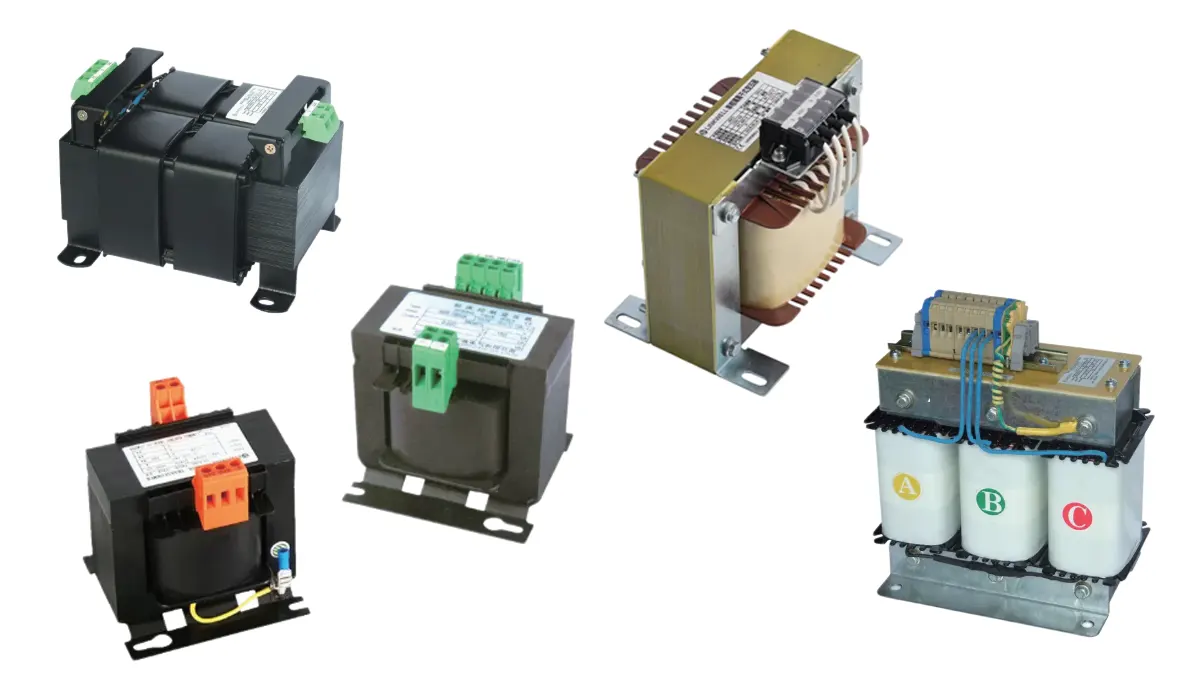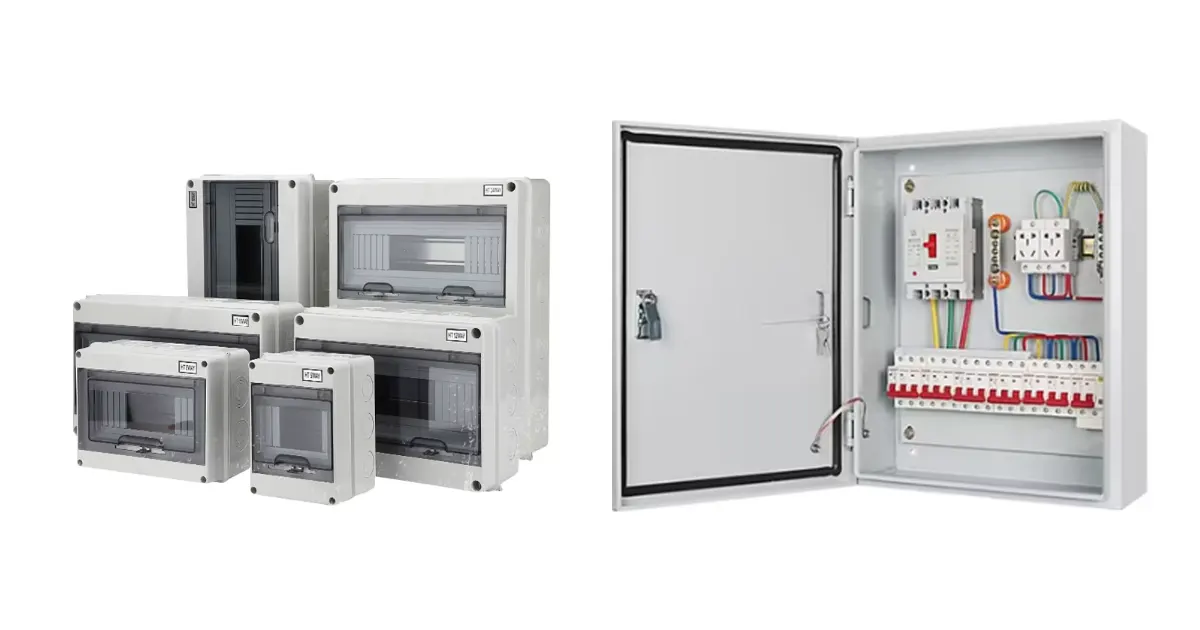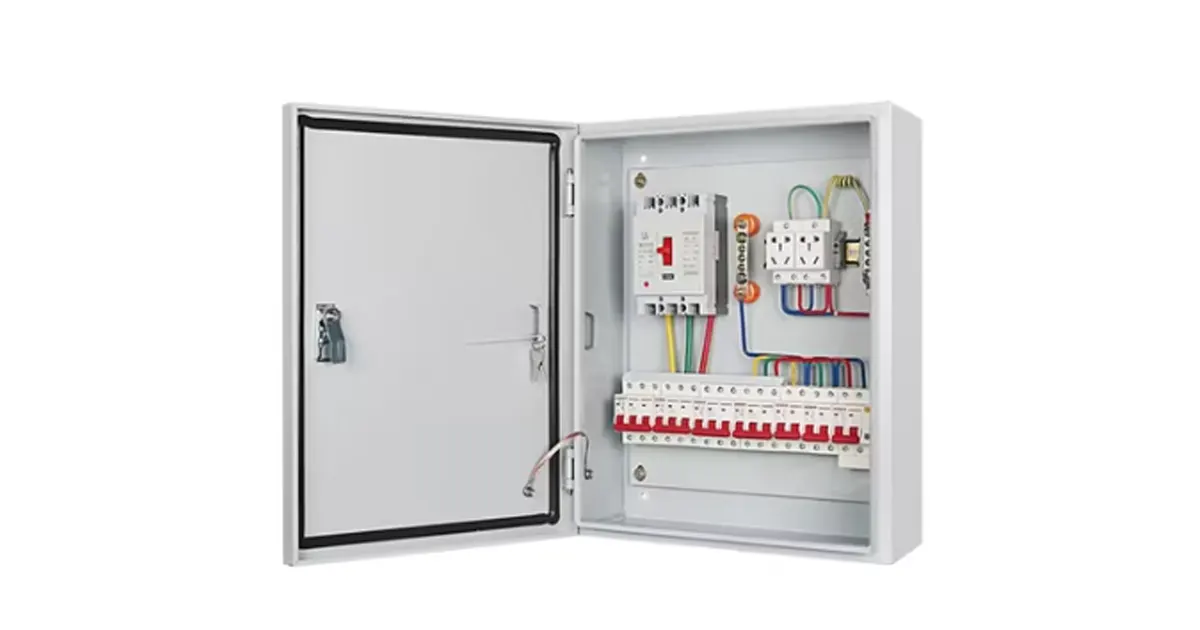
When you see different distribution box types, you may ask why there are so many. Each electric distribution box has its own job. You might need a main distribution board for a big building. A modular distribution board is good for setups that need to change. There are many choices, like indoor and outdoor boxes. You can also get a customised distribution board for special needs. Look at this table to see how types of distribution boxes match their materials and uses:
| Type | Material | Application |
|---|---|---|
| Indoor | Plastic | Home use |
| Outdoor | Metal | Industrial |
| Wall-Mounted | N/A | Residential, Commercial |
| Floor-Standing | N/A | Industrial, Infrastructure |
You will see that picking the right electrical distribution box types depends on your space and project needs. Some types, like the residential DB, are best for homes. Others, like the industrial DB, are for tough jobs. If you need a customised distribution board, you can make it fit your setup. Different types of distribution boards have features like weatherproofing, dust protection, or corrosion resistance. Picking the right electric distribution board means you think about safety, space, and if you might need more later.
Key Takeaways
- Learn about the types of distribution boxes. These include main, sub, and final distribution boxes. Pick the one that fits your project best.
- Pick the right material for your distribution box. Metal is strong and good for tough places. Plastic is lighter and does not rust, so it is good for inside use.
- Think about the power phase you need. Single-phase works well for homes. Three-phase is better for factories and big machines.
- Look at the IP rating to see if your box is safe from dust and water. Higher ratings mean more protection, which is important outside.
- Choose a distribution box with extra space. This helps if you want to add more circuits or need more power later.
- Check how the box will be installed. Surface-mounted boxes are easy to put up. Flush-mounted boxes look neat and smooth on the wall.
- Always ask a licensed electrician to install your box. This keeps you safe and follows the rules in your area.
- Use the checklist to help you pick the right distribution box. This will make sure your project works well.
Distribution Box Types by Level
When you look at distribution box types, you will see that they follow a clear order in power systems. Each level has its own job and supply range. Let’s break down how these levels work and where you might use them.
Tip: Knowing the right level helps you pick the best box for your project. It also keeps your system safe and organized.
Here’s a simple table to show you how the levels stack up:
| Distribution Level | Voltage Range | Description |
|---|---|---|
| Primary Distribution | 132kV, 66kV, 33kV | High voltage supply to heavy load consumers, reduced to 11kV at substations. |
| Secondary Distribution | 11kV | Supply to residential and commercial areas, reduced to 440V by transformers. |
| Final Distribution | 400V (3-phase), 230V (single-phase) | Supply to end-users, connecting residential loads to neutral and phase wires. |
Main Distribution Box
You will find the main distribution box at the top of the power supply chain in most buildings. This box takes in electricity from the utility or transformer. It then sends power to smaller boards or circuits. In big factories or office buildings, the main distribution box handles high voltages and large loads. You might see it in a locked room or a special cabinet. For homes, this box is smaller but still controls all the power coming in. If you want to keep your system safe, you need to start with the right main distribution box.
Sub Distribution Box
After the main box, you get the sub-distribution board. This board splits the power into smaller sections. You might use a sub-distribution board on each floor of a tall building or in different wings of a hospital. It helps you manage loads and makes it easier to turn off power in one area without shutting down everything. In factories, the sub-distribution board can control machines in one part of the plant. In schools or malls, it keeps each area running smoothly. You will often hear people call this a sub-distribution box, but both names mean the same thing.
Final Distribution Box
The last stop is the final distribution box. This box connects to the outlets, lights, and appliances you use every day. It works at lower voltages, like 400V for three-phase or 230V for single-phase. In homes, you see this box in the hallway or utility room. In offices, it might be hidden in a closet. The final distribution box protects you from overloads and short circuits. It also makes it easy to add or change circuits when you need to.
Note: Each level of distribution box types fits a different job. You need to match the box to your building and your power needs.
If you understand how these levels work, you can choose the right distribution box types for any project. This helps you keep your system safe, reliable, and easy to manage.
Distribution Box Types by Power Phase
When you choose a distribution box, you need to think about the type of power your system uses. Some projects need single-phase power, while others need three-phase. Each type has its own strengths and fits different jobs. Let’s look at what makes them different and where you might use each one.
Single-Phase Distribution Box
You will often see a single-phase distribution box in homes or small offices. This type uses two wires: one live and one neutral. The voltage is usually 230V. Most household appliances and lights run on single-phase power. You can handle loads up to 100 amps with this box, which is enough for most residential needs.
Here are some things to know about single-phase systems:
- They work well for low-power applications.
- You get a simple setup that is easy to install and maintain.
- You usually find them in places where you do not need to run heavy machinery.
Tip: If you are setting up power for a house, a small shop, or a tiny office, a single-phase distribution box is usually the right choice.
Three-Phase Distribution Box
A three-phase distribution box steps up when you need more power. This box uses three live wires and one neutral. The voltage can go up to 415V. You will see these boxes in factories, big commercial buildings, and places with lots of equipment. They can handle several hundred amps, which means you can run large machines and heavy loads.
Why pick a three-phase system? Here are some reasons:
- It supports heavier loads and keeps power balanced.
- You get more efficient power delivery, which means less heat and better reliability.
- You can add new circuits later without shutting down the whole system.
- Voltage drop is lower, so it works well for long cable runs.
Note: Three-phase systems are great for places like data centers, outdoor events, and any site with lots of motors or pumps.
Here’s a quick table to help you see where each type fits best:
| Type of Distribution Box | Common Environments |
|---|---|
| Single-Phase | Residential homes, small offices, low-power setups |
| Three-Phase | Factories, large commercial buildings, data centers, outdoor events |
When you match the right power phase to your project, you get a safer and more reliable system. Always check your load needs and the environment before you choose.
Distribution Box Types by Installation Environment
Indoor Distribution Box
You probably see an indoor distribution box in homes, offices, or schools. This box sits inside, away from rain, snow, or harsh weather. You want something that keeps dust out and protects your wires from bumps or spills. Most indoor boxes use standard materials like plastic or painted steel. They do not need heavy-duty sealing because the environment stays dry and clean.
You might wonder about protection levels. For indoor use, you often see IP ratings like IP20, IP30, or IP54. These ratings mean the box can handle dust and a little splash of water. If you want more details, check out this table:
| IP Rating | Intended Use |
|---|---|
| Type 1 | Indoor use, limited dirt protection |
| Type 2 | Indoor use, protection against dirt and water |
| Type 12 | Indoor, protection against dust and liquids |
| IP54 | Indoor, dust and oil protection |
Tip: For most homes and offices, a basic indoor box with IP20 or IP30 works well. If you have a workshop or a laundry room, you might want IP54 for extra dust and splash protection.
Outdoor Distribution Box
When you need to put a box outside, you need something tougher. An outdoor distribution box faces rain, sun, wind, and even snow. You want a box that keeps water and dust out, even during a storm. Outdoor boxes use strong materials like SMC composite or weather-resistant silicone rubber. These materials stop rust and handle big temperature swings, from freezing cold to hot summer days.
You will see higher IP ratings for outdoor boxes. Look for IP55, IP65, or even IP66. These ratings mean the box can handle rain, dust, and sometimes even a hose spray. Here are some common ratings for outdoor use:
- IP55: Light outdoor use, spray-proof
- IP65: Heavy rain and dust protection
- IP66: Washdown and corrosion resistance
Note: Outdoor boxes often sit on walls, poles, or even underground. You want to pick a box that matches your weather and keeps your power safe.
Weatherproof Distribution Box
Sometimes, you need a box that can handle anything the weather throws at it. A weatherproof distribution box gives you top-level protection. You can use these boxes in gardens, factories, or construction sites. They keep water, dust, and even ice out. You will see IP66 or higher on these boxes. That means you can spray them with water, and nothing gets inside.
Weatherproof boxes use special seals and gaskets. The doors close tight, and the hinges do not rust. Some boxes even handle short periods under water. If you work near the sea or in a chemical plant, you can get boxes with extra corrosion resistance.
Here’s a quick list of what makes a weatherproof box special:
- High IP rating (IP66 or above)
- Strong seals and locking doors
- Rust-proof hinges and screws
- Materials that resist sun and chemicals
Tip: If you want a box for outdoor events, car washes, or anywhere with lots of water, go for a weatherproof model.
| IP Rating | Intended Use |
|---|---|
| Type 4 | Outdoor/indoor, splashing water and dust |
| Type 4X | Outdoor/indoor, dust, rain, and ice |
| Type 6 | Outdoor/indoor, temporary submersion |
| IP66 | Outdoor, washdown, and corrosion resistance |
You can match the right box to your environment by checking the IP rating and picking the right material. That way, your power stays safe, rain or shine.
Dustproof Distribution Box
You might work in a place where dust is everywhere. Maybe you have a woodworking shop, a factory, or a warehouse. Dust can sneak into regular distribution boxes and cause problems. It can block switches, damage wires, or even start a fire. That’s why you need a dustproof distribution box.
A dustproof distribution box keeps dust out. It uses tight seals and special gaskets around the door and cable entries. The box itself is often made from steel or strong plastic. You will see these boxes with high IP ratings, like IP54 or IP65. The higher the number, the better the protection.
Here’s a quick look at what makes a dustproof box special:
- Sealed edges and doors: No gaps for dust to enter.
- Strong materials: Steel or thick plastic stands up to rough use.
- Easy to clean: Smooth surfaces let you wipe away dirt.
Tip: If you see a lot of dust in your workspace, always check the IP rating before you buy a box. Look for IP54 or higher for real dust protection.
You can use dustproof boxes in many places:
- Factories with sawdust or powder
- Workshops with sanding or grinding
- Warehouses with lots of moving boxes
- Food processing plants
Here’s a table to help you pick the right IP rating:
| IP Rating | Dust Protection Level | Typical Use |
|---|---|---|
| IP20 | Basic, not dustproof | Clean indoor rooms |
| IP54 | Limited dust, some water | Workshops, light industry |
| IP65 | Complete dust, water jets | Heavy industry, outdoors |
Corrosion-Resistant Distribution Box
Some places attack your equipment with more than just dust. Maybe you work near the ocean, in a chemical plant, or in a place with lots of moisture. Salt, chemicals, and even rain can eat away at regular boxes. You need a corrosion-resistant distribution box for these tough spots.
Corrosion-resistant boxes use special materials. You might see stainless steel, fiberglass, or coated aluminum. These materials stop rust and keep the box strong for years. The seals and hinges also resist rust and chemical damage.
What makes a corrosion-resistant box stand out?
- Non-rusting materials: Stainless steel or fiberglass lasts longer.
- Protective coatings: Extra layers keep out salt and chemicals.
- Tight seals: No water or fumes get inside.
Note: If you see “IP66” or “Type 4X” on a box, you know it can handle harsh, wet, or salty places.
You will find corrosion-resistant boxes in:
- Coastal buildings and marinas
- Chemical factories
- Food processing plants
- Outdoor installations in rainy areas
Here’s a quick checklist for picking a corrosion-resistant box:
- Check the material (stainless steel or fiberglass is best)
- Look for high IP ratings (IP65 or above)
- Make sure the box has rust-proof hinges and seals
When you choose the right dustproof or corrosion-resistant distribution box, you protect your power and keep your system running safely—even in the toughest environments.
Distribution Box Types by Installation Method
Surface-Mounted Distribution Box
You see surface-mounted distribution boxes in many places. These boxes sit right on top of the wall. You can spot them in garages, workshops, and even in some homes. You do not need to cut into the wall to install them. You just fix them with screws and connect your wires.
Surface-mounted boxes save you time. You do not need to do much civil work. If you want to add new circuits later, you can open the box and make changes easily. This makes them great for places where you might need to expand your system. You also get quick access for repairs.
Tip: If you want a box that is easy to install and maintain, go for a surface-mounted type.
Here’s a quick look at how surface-mounted boxes compare to other setups:
| Aspect | Surface-Mounted Box | Traditional Substation |
|---|---|---|
| Layout | Integrated | Separate facilities |
| Land requirement | Low | High |
| Civil work | Minimal | Extensive |
| Installation time | Short | Long |
| Expandability | Modular | Complex |
| Urban compatibility | High | Limited |
You can see that surface-mounted boxes use less space and need less work to set up. They fit well in busy cities or small rooms.
Flush-Mounted Distribution Box
Flush-mounted distribution boxes hide inside the wall. You only see the cover or door. This gives you a clean and neat look. You often find these boxes in new homes, offices, or places where style matters.
You need to plan ahead if you want a flush-mounted box. The wall must have enough space to fit the box. You usually install these boxes during construction or renovation. The wires run inside the wall, so you do not see any messy cables.
Flush-mounted boxes keep your space tidy. They also protect the box from bumps or damage. If you want a modern look, this type works best.
Note: Flush-mounted boxes take more time to install. You may need a professional to cut the wall and fit the box.
Wall-Mounted Distribution Box
Wall-mounted distribution boxes attach directly to the wall, but they can be either surface or flush types. You see these boxes in schools, factories, and public buildings. They keep the wiring off the floor and out of the way.
Wall-mounted boxes help you save floor space. You can place them at eye level for easy access. If you need to check the circuits or reset a breaker, you do not have to bend down or reach up high.
- Easy to reach: You can check or fix things quickly.
- Safe: Wires stay off the ground, so no one trips.
- Flexible: You can use them in many places, indoors or outdoors.
If you want a box that is simple to use and keeps your space clear, a wall-mounted distribution box is a smart choice.
You can pick the installation method that fits your space, wiring needs, and style. Each type has its own strengths, so think about what works best for your project.
Floor-Standing Distribution Box
You might see a floor-standing distribution box in places where you need a lot of power and space. These boxes stand on the ground, not on a wall or pole. You often find them in factories, large commercial buildings, or data centers. They look like big cabinets or lockers. You can open the doors and see rows of breakers, switches, and wires inside.
Why pick a floor-standing box? Here are some reasons:
- Handles heavy loads: These boxes can manage lots of circuits and big cables.
- Easy to expand: You can add more breakers or equipment later.
- Simple to maintain: You can walk up, open the door, and work inside without bending or reaching high.
You get more room for wiring and devices. This helps when you have complex systems or need to separate different power zones. Floor-standing boxes also keep cables neat and safe. You can run wires from the floor, ceiling, or even underground.
Tip: If you plan a big project or need to upgrade often, a floor-standing box gives you the most flexibility.
Here’s a quick table to show where floor-standing boxes work best:
| Environment | Typical Use | Key Benefit |
|---|---|---|
| Factory | Machine control | High capacity |
| Data center | Server power management | Organized cabling |
| Shopping mall | Lighting and HVAC | Easy access for repairs |
| Infrastructure site | Utility power distribution | Room for upgrades |
You can also use these boxes outdoors if you pick weatherproof models. Just check the IP rating and material before you buy.
Pole-Mounted Distribution Box
You might spot a pole-mounted distribution box outside, high above the ground. These boxes attach to utility poles or streetlight posts. You see them along roads, in parks, or at construction sites. They help bring power to places where you cannot put a box on a wall or floor.
Pole-mounted boxes work well for outdoor lighting, traffic signals, or temporary power. You keep the box safe from floods, animals, and people. The height also makes it harder for vandals to reach.
Here’s why you might choose a pole-mounted box:
- Saves ground space: No need for a building or platform.
- Quick to install: You can mount it fast with brackets or straps.
- Good for remote areas: Perfect for farms, fields, or outdoor events.
Note: Always check the weight and size before you pick a pole-mounted box. The pole must support the box and all the wires inside.
You can get pole-mounted boxes in metal or plastic. Many have weatherproof seals to keep out rain and dust. Some even have locks for extra security.
Here’s a list of common uses for pole-mounted boxes:
- Street lighting control
- Traffic signal power
- Temporary event power
- Rural or farm power supply
If you need to bring power to a hard-to-reach spot, a pole-mounted distribution box is a smart and simple choice.
Applications of Distribution Boxes
When you look at how distribution boxes are used, you see each type fits a special place. One kind is for houses, another is for malls, and a bigger one is for factories. Let’s see how these boxes work in real life.
Tip: Picking the right distribution box keeps your power safe and easy to use.
Here’s a table that shows the main ways people use these boxes:
| Application Type | Description |
|---|---|
| Industrial | Used in factories and workshops to manage power for machines and control systems. |
| Commercial | Supports lights and HVAC in offices, malls, and public buildings. |
| Residential | Sends power to lights and home equipment in houses and apartments. |
Residential Distribution Box
You use a residential distribution box in homes and apartments. This box sends power to lights, outlets, and appliances. Most of these boxes are made from plastic. They are small, light, and simple to put in. You can find them in a hallway, utility room, or closet.
Residential boxes do not handle big loads. They focus on safety and making things easy. Circuit breakers protect your family from too much power or short circuits. If you want more circuits later, many boxes have extra space.
- Common features:
- Small size
- Plastic for insulation
- Basic IP rating (like IP20 or IP30) for inside use
These boxes are great for daily use in your home.
Commercial Distribution Box
In offices, stores, or schools, you see commercial distribution boxes. These boxes are bigger than the ones for homes. They often use metal, which makes them strong and tough. Commercial places need more circuits for lights, computers, and HVAC.
Commercial boxes are usually in electrical rooms or closets. They help with things like emergency lights or security. Some have higher IP ratings if they are near water, like in kitchens or bathrooms.
- Key points:
- Medium size, often made of metal
- Handles more circuits and bigger loads
- May have weatherproofing for some spots
These boxes help your business work well every day.
Industrial Distribution Box
Factories and workshops need the strongest distribution boxes. Industrial distribution boxes are made from heavy metal, like steel. These boxes are big and can hold many circuits and high currents. You use them for big machines, belts, and control systems.
Industrial places need extra protection. You often see weatherproof or dustproof features, with high IP ratings like IP65 or IP66. Some boxes have special coatings or stainless steel to stop rust, especially in tough places.
- Why choose industrial boxes?
- Big size for lots of circuits and thick cables
- Strong materials for extra strength
- High protection from dust, water, and chemicals
If you work in a factory, you need a box that can handle hard jobs and keep your equipment safe.
Remember, the size, material, and protection of each box depends on where you use it. Always check the IP rating and pick a box that fits your place and future needs.
Construction Site Distribution Box
You see a construction site distribution box almost every time you pass by a building project. This box is the heart of construction site power management. It helps you control and distribute electricity safely to all the tools, lights, and machines on site. You need a box that can handle rough treatment, dust, and sometimes rain. Most construction site distribution boxes use strong metal and have weatherproof seals. You can move them around as the project grows or changes.
Here are some reasons why you need this type of box:
- It keeps workers safe from electrical hazards.
- It lets you turn off power to certain areas for repairs.
- It helps you organize cables and avoid messy tangles.
You often find these boxes near the entrance or in a central spot. They usually have clear labels for each circuit. If you want to keep your site running smoothly, always check the box for damage and make sure the doors close tight.
Temporary Power Distribution Box
A temporary power distribution box gives you electricity when you do not have a permanent setup. You use it for events, outdoor work, or during repairs. This box is easy to move and set up. You just plug it into a main power source, and it sends electricity to where you need it.
You might use a temporary power distribution box at a festival, a fair, or a street market. It is also common on construction sites before the main power system is ready. You can connect lights, fans, or even small machines. The box protects you from shocks and overloads.
Let’s look at some key features:
- Handles different voltages and loads.
- Has built-in circuit breakers for safety.
- Comes with weatherproof covers for outdoor use.
Tip: Always choose a temporary power distribution box with the right rating for your job. Check the number of outlets and the total load it can handle.
Here is a quick table to help you compare uses:
| Use Case | Why Choose It? |
|---|---|
| Outdoor events | Fast setup, easy to move |
| Construction | Power before permanent wiring |
| Emergency repair | Quick access to safe electricity |
Portable Distribution Box
A portable distribution box is your best friend when you need power in different places. You can carry it by hand or wheel it to a new spot. This box is smaller than other types but still gives you safe and reliable electricity. You might use it for maintenance work, outdoor parties, or even camping.
You get a tough case, often made from plastic or light metal. The box has handles and sometimes wheels. You can plug in tools, lights, or chargers. The box keeps you safe with built-in breakers and covers.
Here are some reasons to pick a portable distribution box:
- You can move it anywhere you need power.
- It works indoors and outdoors.
- It is simple to set up and pack away.
Note: Always check the cords and plugs before you use a portable distribution box. Make sure everything is dry and in good shape.
If you need power for a short time or in a new place, a portable distribution box makes your job much easier.
Renewable Energy Distribution Box
You see solar panels and wind turbines everywhere now. These systems need special distribution boxes. A renewable energy distribution box helps connect and protect power from green sources. You use these boxes for solar farms, rooftop solar, wind power, and small hydro plants.
A renewable energy distribution box does more than split power. It keeps your system safe from overloads and short circuits. It also lets you switch between grid power and renewable power. You can add meters, surge protectors, and remote monitoring.
Inside, you usually find:
- DC circuit breakers for solar panels
- AC breakers for inverters
- Surge protection devices
- Meters to track power
- Changeover switches
You can use these boxes indoors or outdoors. Outdoor models have weatherproof and UV-resistant shells. They often use plastic or stainless steel to stop rust and sun damage.
Tip: Always check voltage and current ratings before picking a renewable energy distribution box. Solar and wind systems can have high DC voltages.
Here’s a table to show the differences:
| Application | Material | Key Features |
|---|---|---|
| Rooftop Solar | Plastic/Metal | DC breakers, surge protect |
| Solar Farm | Metal | Weatherproof, large size |
| Wind Power | Metal | High voltage, remote monitor |
The right distribution box makes your green energy system safer and easier to manage.
Machinery Distribution Box
Machines are used in factories, workshops, and farms. Each machine needs a safe way to get power. A machinery distribution box gives you a central spot to control and protect power for one machine or many machines.
A machinery distribution box sits close to the equipment. You can turn off power quickly if there’s a problem. The box protects your machine from overloads, short circuits, and voltage spikes. It also helps organize wires and controls.
Inside, you might find:
- Main switch or circuit breaker
- Motor protection devices
- Control relays and timers
- Emergency stop button
- Indicator lights
You can pick a box made from metal or plastic. Metal boxes work best in tough places with dust or vibration. Plastic boxes are lighter and resist corrosion.
Note: Always label each circuit and control. This makes repairs and checks much faster.
You see machinery distribution boxes in many places:
- CNC machines in factories
- Conveyor belts in warehouses
- Pumps on farms
- Compressors in workshops
If you want your machines to run safely and last longer, always use the right distribution box. It keeps your power organized and your team safe.
Metal vs Plastic Distribution Box Types
Mechanical Strength
When you choose a distribution box, you want it to be strong. Metal boxes are very strong and can take hard hits. They work well in places with lots of bumps or heavy tools. Factories and workshops use metal because it does not break easily. Metal also helps stop fires, which makes things safer.
Plastic boxes are strong enough for homes and offices. They are good if you do not expect rough use. You might pick plastic for a bedroom or a small shop. These boxes can handle normal use, but they are not as strong as metal.
Here’s a table to compare:
| Attribute | Metal Distribution Boxes | Plastic Distribution Boxes |
|---|---|---|
| Mechanical Strength | Superior, handles heavy impact and stress | Adequate for light to moderate use |
| Fire Resistance | Excellent | Moderate |
Tip: If your workshop is busy or has lots of gear, metal boxes are best for strength.
Weight and Portability
Weight is important when you put up a distribution box. Metal boxes are heavy. You might need help to lift a big one. The extra weight can make it harder to put up, especially if you work alone or need to hang it high.
Plastic boxes are much lighter. You can carry them and put them up without much trouble. If you move things around a lot, plastic saves time and effort. This makes plastic great for home jobs or small shops where you want a fast setup.
Here are the main points:
- Metal boxes: Heavy, harder to install, good for setups that stay put.
- Plastic boxes: Light, easy to move, best for quick or simple jobs.
Note: If you want to finish fast or work in a small space, plastic boxes are easier to use.
Corrosion Resistance
Corrosion can damage a distribution box, especially in wet or chemical places. Metal boxes can rust if not protected. Many have special paint or coatings, but you still need to check them sometimes.
Plastic boxes are great at fighting corrosion. They do not rust, even in salty air or near chemicals. You can use plastic boxes in bathrooms, kitchens, or by the sea with no problem. They are also good for factories with lots of chemicals.
Here’s a table to show the difference:
| Attribute | Metal Distribution Boxes | Plastic Distribution Boxes |
|---|---|---|
| Corrosion Resistance | Needs coating or paint, can rust over time | Excellent, no rust, ideal for wet or chemical areas |
Tip: For wet, humid, or chemical-heavy places, plastic boxes need less care and give you peace of mind.
Grounding Requirements
You want your electrical system to stay safe. Grounding helps you do that. Metal distribution boxes need grounding because metal can carry electricity if something goes wrong. If a wire touches the metal box, the current will flow to the ground. This keeps you safe from shocks.
Plastic distribution boxes do not need grounding. Plastic does not conduct electricity. If a wire touches the inside of a plastic box, the current cannot travel through the box. You get extra safety without extra work.
Here’s a quick table to help you remember:
| Box Type | Needs Grounding? | Why? |
|---|---|---|
| Metal | Yes | Metal conducts electricity |
| Plastic | No | Plastic is an insulator |
Tip: Always check your local electrical codes. Some places have special rules for grounding.
Heat Resistance
Heat can build up inside a distribution box, especially when you run lots of power. You want a box that can handle the heat. Metal boxes do a great job with heat. They spread heat out and cool down fast. This helps protect your wires and breakers.
Plastic boxes can handle normal heat in homes and offices. Some plastics melt or warp if they get too hot. High-quality plastic boxes use special materials that resist heat better. You should always check the temperature rating before you buy.
Here are some things to think about:
- Metal boxes: Great for high-heat spots like factories or workshops.
- Plastic boxes: Good for homes, offices, or places with low heat.
If you plan to use lots of power or heavy machines, pick a box with a high heat rating.
Application Environment
You need to match your distribution box to your environment. Metal boxes work well in tough places. You see them in factories, garages, and outdoor spots. They stand up to bumps, tools, and even some weather.
Plastic boxes fit best in clean, dry places. You find them in homes, offices, and schools. They resist rust and do not need much care. Some plastic boxes work outside if they have a weatherproof rating.
Here’s a quick list to help you choose:
- Use metal boxes for:
- Factories
- Workshops
- Outdoor power panels
- Use plastic boxes for:
- Homes
- Offices
- Wet or salty places (with the right rating)
Note: Always check the IP rating and material before you decide. The right box keeps your power safe and your system running.
Cost Considerations
When you pick a distribution box, cost always matters. You want to get the best value for your money. Both metal and plastic boxes have their own price points and hidden costs. Let’s break down what you need to think about before you buy.
1. Upfront Price
Plastic distribution boxes usually cost less than metal ones. If you have a tight budget or need many boxes, plastic can save you money right away. Metal boxes cost more because of the material and the way they are made. You might pay extra for stainless steel or special coatings.
2. Installation Costs
You can install plastic boxes faster because they are lighter. This means you might spend less on labor. Metal boxes are heavier and sometimes need more support or special tools. This can make installation take longer and cost more.
3. Maintenance and Repairs
Plastic boxes do not rust, so you do not need to paint or treat them. They stay looking good with little effort. Metal boxes need more care, especially in wet or salty places. You might need to check for rust or repaint them over time. If a plastic box cracks, you may need to replace it. Metal boxes can handle more bumps, but fixing dents or rust can cost money.
4. Long-Term Value
Sometimes, paying more at the start saves you money later. Metal boxes last a long time in tough places. You might not need to replace them as often. Plastic boxes work well in clean, dry spots and can last for years with little care.
Here’s a table to help you compare:
| Cost Factor | Metal Distribution Box | Plastic Distribution Box |
|---|---|---|
| Upfront Price | Higher | Lower |
| Installation | More labor, higher cost | Easier, lower cost |
| Maintenance | Needs care, may rust | Low, no rust |
| Repairs | Can fix dents, rust | Replace if cracked |
| Lifespan | Long in harsh places | Long in mild places |
Tip: Think about where you will use the box. Sometimes, a higher upfront cost pays off if you need less maintenance or fewer replacements.
5. Other Hidden Costs
Don’t forget about things like shipping. Metal boxes weigh more, so they cost more to ship. Plastic boxes are light and cheaper to move. Also, check if you need special parts or tools for installation. These small costs can add up.
6. Making Your Choice
Ask yourself these questions:
- How many boxes do you need?
- Will you use them indoors or outdoors?
- Do you want to spend less now or save money over time?
You can always talk to your supplier for advice. They can help you find the best fit for your project and your budget.
Remember, the right choice is the one that matches your needs and keeps your costs under control.
Overlapping Distribution Box Types
You might think each distribution box fits in just one category. That’s not true! Many boxes have more than one feature. You can find a box that is both weatherproof and floor-standing. Some boxes are made for outdoor use and also handle three-phase power. Let’s see how these overlapping types work in real life.
Multi-Attribute Distribution Boxes
You do not have to pick only one feature when you choose a distribution box. Many boxes come with several attributes. This helps you match your box to your project’s needs.
Here are some ways boxes can have more than one attribute:
- Weatherproof and Wall-Mounted: You can use these boxes outside on a building wall. They keep rain and dust out.
- Corrosion-Resistant and Floor-Standing: These boxes work well in factories near chemicals. They stand on the ground and fight rust.
- Three-Phase and Outdoor: You see these boxes at construction sites. They handle big loads and tough weather.
- Dustproof and Flush-Mounted: These boxes hide in the wall and keep out sawdust in workshops.
Tip: You can mix and match features to get the perfect box for your job. Always check the product label for all the features you need.
Examples of Overlapping Classifications
Let’s look at some real examples. This will help you see how one box can fit into more than one group.
| Distribution Box Example | Level | Power Phase | Environment | Installation Method | Material |
|---|---|---|---|---|---|
| Outdoor Three-Phase Floor Box | Sub/Main | Three-Phase | Outdoor | Floor-Standing | Metal |
| Indoor Single-Phase Flush Box | Final | Single-Phase | Indoor | Flush-Mounted | Plastic |
| Weatherproof Wall-Mounted Box | Sub/Final | Single/Three | Outdoor | Wall-Mounted | Metal/Plastic |
| Corrosion-Resistant Pole Box | Sub/Final | Three-Phase | Outdoor/Coastal | Pole-Mounted | Stainless |
You can see that one box can belong to many categories at the same time. For example, a weatherproof wall-mounted box can be both outdoor and wall-mounted. It might also be single-phase or three-phase.
Note: When you choose a distribution box, think about all the features you need. Do not just look at one category. You want a box that fits your power, your space, and your environment.
You can always ask your supplier for help. Tell them about your project. They can help you find a box with all the right features. This makes your system safer and easier to use.
How to Choose the Right Power Distribution Box
Application and Environment
When you start thinking about how to choose the right power distribution box, you need to look at where and how you will use it. Every project is different. Some power distribution boxes work best inside a house, while others are made for tough outdoor jobs. If you pick the wrong type, you might face problems like rust, overheating, or even safety risks.
First, ask yourself these questions:
- Will you use the box indoors or outdoors?
- Do you need it for a home, a business, or a factory?
- Is the area dusty, wet, or exposed to chemicals?
You want your power distribution box to match your environment. For example, if you need a box for a coastal area, stainless steel is a smart choice because it fights rust. If you care about your budget and want something light, PVC works well for indoor spots. Galvanized steel gives you great impact resistance, which is perfect for busy workshops.
Here’s a table to help you decide which material fits your needs:
| Material | When to Choose |
|---|---|
| PVC | Budget is primary concern, corrosion risk, weight consideration, using non-metallic wiring methods. |
| Galvanized Steel | Important for impact resistance, using metallic conduit systems, requires grounding continuity. |
| Stainless Steel | Budget allows for premium protection, coastal/marine environments, industrial settings. |
| Aluminum | Moderate corrosion resistance needed, weight is a concern, non-coastal moderate environment. |
You also need to think about where you will place the box. Try to put it somewhere easy to reach for maintenance. If you use it outdoors, find a spot that protects it from rain and snow. This keeps your power distribution boxes working longer and makes repairs safer.
Tip: Choosing the right size is crucial for safety and following electrical codes. If your box is too small, it can overheat and cause fire hazards. If it’s too big, it might not fit well in your space.
Rated Voltage and Current
Now, let’s talk about voltage and current. These two things tell you how much power your system needs. If you pick a power distribution box that can’t handle your load requirements, you risk overload prevention failure and even fire.
Start by checking the voltage your system uses. Most homes use 120V or 230V single-phase power. Factories and big buildings often use 400V or 415V three-phase power. Always match the box to your system’s voltage.
Next, look at the current. Add up the current for all the devices and circuits you plan to connect. Your power distribution box must handle this total without getting too hot. If you plan to add more devices later, choose a box with extra capacity.
Here’s a quick checklist for this step:
- Find out your system’s voltage (single-phase or three-phase).
- Add up the current for all circuits.
- Pick a box rated for more than your total current.
- Leave room for future upgrades.
If you use the right box, you keep your system safe and avoid problems like short circuit safety issues. You also make sure your circuit protection devices, like circuit breakers, work as they should.
Number of Circuits
The number of circuits you need is another big factor. Each circuit in your building needs its own spot in the power distribution box. If you don’t have enough, you can’t connect all your lights, outlets, or machines. If you have too many, you waste space and money.
Count all the circuits you need now. Then, add a few extra for future changes. This helps you avoid expensive upgrades later. For example, if you plan to add air conditioning or new machines, leave space for those circuits.
Note: Always check that your power distribution boxes have enough slots for circuit breakers. This makes circuit protection easier and keeps your system flexible.
Here’s a simple way to plan:
- List all the circuits you need (lights, outlets, machines).
- Add 10-20% more for future needs.
- Make sure your box has enough space for all your circuit breakers.
If you follow these steps, you get a power distribution box that fits your project today and tomorrow. You also make sure your circuit protection, overload prevention, and short circuit safety features work as they should.
Power Phase Selection
You need to pick the right power phase for your distribution box. This choice depends on how much power you need and what kind of equipment you want to run. You will see two main options: single-phase and three-phase.
Single-phase works well for homes, small shops, and offices. Most lights, TVs, and small appliances use single-phase power. You only need two wires—one live and one neutral. This setup is simple and easy to install.
Three-phase is the best choice for factories, large buildings, and places with big machines. You get three live wires and one neutral. This setup gives you more power and keeps everything running smoothly. You can run heavy equipment, motors, and lots of lights without problems.
Here’s a quick way to decide:
- Use single-phase if you only need to power basic things like lights, fans, and small tools.
- Choose three-phase if you have big machines, elevators, or lots of air conditioners.
Tip: Always check your local power supply. Some areas only offer single-phase for homes. If you plan to upgrade or add more machines later, think about three-phase now.
Here’s a table to help you compare:
| Power Phase | Where to Use | Main Advantage |
|---|---|---|
| Single-Phase | Homes, small offices | Simple, easy to set up |
| Three-Phase | Factories, big stores | More power, efficient |
If you match the power phase to your needs, you get a safe and reliable system.
Indoor vs Outdoor Use
You need to know where you will put your distribution box. Will it stay inside, or will it face the weather outside? This choice changes everything about the box you need.
Indoor boxes work best in dry, clean places. You can use them in living rooms, offices, or inside factories. These boxes do not need heavy protection. You can pick plastic or light metal. They are easy to install and keep clean.
Outdoor boxes must fight rain, dust, sun, and even snow. You need a box that can handle tough weather. Outdoor boxes use strong materials like stainless steel or special plastic. They have tight seals to keep water and dirt out.
Ask yourself these questions:
- Will the box face rain or sun?
- Is the area dusty or wet?
- Do you need extra protection from animals or vandals?
Note: If you are not sure, always pick a box with more protection. It is better to be safe than sorry.
Here’s a table to help you choose:
| Location | Best Material | Key Feature |
|---|---|---|
| Indoor | Plastic/Light Metal | Easy to install |
| Outdoor | Steel/Weatherproof Plastic | Sealed, strong |
If you pick the right box for your location, you keep your power safe and your system lasts longer.
IP Rating and Protection
You will see something called an IP rating when you shop for distribution boxes. IP stands for “Ingress Protection.” This rating tells you how well the box keeps out dust and water. The higher the number, the better the protection.
The IP rating has two numbers. The first number shows how well the box keeps out dust. The second number shows how well it keeps out water. For example, IP54 means good dust protection and some water resistance. IP66 means the box is almost dust-tight and can handle strong water jets.
Here’s what the numbers mean:
- First number (Dust):
- 2: Stops fingers and some dust
- 5: Stops most dust
- 6: Dust-tight
- Second number (Water):
- 4: Stops splashing water
- 5: Stops water jets
- 6: Stops strong water jets
Here’s a table to make it easy:
| IP Rating | Dust Protection | Water Protection | Where to Use |
|---|---|---|---|
| IP20 | Basic | None | Clean, dry rooms |
| IP54 | Good | Splash-proof | Workshops, indoor factories |
| IP65 | Excellent | Rain, water jets | Outdoors, wet places |
| IP66 | Dust-tight | Strong water jets | Heavy industry, outdoors |
Tip: Always check the IP rating before you buy. If you use the box outside or in a wet place, pick IP65 or higher.
If you match the IP rating to your environment, you protect your power and avoid costly repairs.
Enclosure Material
You want your distribution box to last a long time. The material you choose makes a big difference. Each material has its own strengths. You need to match the material to your project and environment.
Here are the most common enclosure materials:
- Plastic (PVC or Polycarbonate): Light, easy to carry, and does not rust. Plastic works well indoors or in places with lots of moisture. You can use it in homes, offices, or near water. Plastic does not need grounding, which makes installation simple.
- Steel: Strong and tough. Steel boxes handle bumps and heavy use. You see them in factories, garages, and outdoor spots. Steel needs a good paint or coating to stop rust. You must ground steel boxes for safety.
- Stainless Steel: The best choice for wet, salty, or chemical-heavy places. Stainless steel does not rust. It works well in food factories, coastal areas, or chemical plants. It costs more, but it lasts longer.
- Aluminum: Lighter than steel and resists rust. Aluminum works in places where you need strength but want to keep weight low. You see it in some outdoor or industrial setups.
- Fiberglass: Very strong and does not rust. Fiberglass handles chemicals and heat. You can use it in tough outdoor spots or factories.
Tip: Always check the label for the material and its rating. Pick a box that matches your weather, chemicals, and safety needs.
Here’s a quick table to help you compare:
| Material | Best For | Key Benefit | Common Use |
|---|---|---|---|
| Plastic | Indoor, wet areas | No rust, light | Homes, offices, bathrooms |
| Steel | Heavy-duty, indoor/outdoor | Strong, impact-proof | Factories, garages |
| Stainless Steel | Harsh, wet, salty places | No rust, long life | Food plants, outdoors |
| Aluminum | Light-duty outdoors | Light, rust-resistant | Outdoor, industry |
| Fiberglass | Chemical, hot areas | Chemical/heat proof | Factories, outdoors |
If you pick the right material, your box will stay safe and look good for years.
Installation Method
You need to think about how you will install your distribution box. The installation method changes how your box looks, how easy it is to reach, and how much space you need.
Here are the main installation methods:
- Surface-Mounted: You put the box right on the wall. You see all of the box. This method is fast and easy. You can add or fix wires without much trouble. Surface-mounted boxes work well in garages, workshops, and places where looks do not matter much.
- Flush-Mounted: You hide the box inside the wall. Only the door or cover shows. This gives you a neat look. You need to plan ahead because you must cut the wall. Flush-mounting works best in new homes or offices.
- Wall-Mounted: You attach the box to the wall. This can be surface or flush. Wall-mounting saves floor space. You can reach the box easily for checks or repairs.
- Floor-Standing: The box stands on the ground like a cabinet. You use this for big jobs with lots of circuits. Floor-standing boxes are common in factories, malls, and data centers.
- Pole-Mounted: You fix the box to a pole. This works well outdoors, on streets, or in parks. Pole-mounting keeps the box safe from water and animals.
Note: Pick an installation method that fits your space and makes maintenance easy. Think about who will use the box and how often you need to check it.
Here’s a quick list to help you decide:
- Use surface-mounted for quick jobs and easy access.
- Use flush-mounted for a clean look in finished rooms.
- Use floor-standing for big projects with many circuits.
- Use pole-mounted for outdoor or remote power needs.
Internal Space
You need enough room inside your distribution box for all your wires, breakers, and future upgrades. If the box is too small, wires get crowded. This can cause overheating and make repairs hard.
Here’s what to check:
- Number of Circuits: Count all the circuits you need now. Add a few more for future changes.
- Breaker Size: Make sure there is space for the size and type of breakers you want.
- Wiring Room: Leave space for wires to bend and connect without getting squeezed.
- Accessories: Plan for things like surge protectors, timers, or meters if you need them.
Tip: Always pick a box with more space than you need today. It is easier to add circuits later if you start with a bigger box.
Here’s a simple checklist for internal space:
- List all circuits and devices.
- Check breaker sizes.
- Make sure wires have room to move.
- Leave space for upgrades.
If you plan for enough internal space, you keep your system safe and make future work much easier.
Heat Dissipation
Heat can build up inside your distribution box, especially when you run a lot of circuits or heavy equipment. If you ignore heat, your breakers and wires can get too hot. This can cause damage or even start a fire. You want your box to stay cool and safe.
Here’s what you can do to help with heat dissipation:
- Pick the right size: A bigger box gives heat more room to escape. Crowded boxes trap heat.
- Choose the right material: Metal boxes spread heat better than plastic. If you have high loads, metal is a smart choice.
- Add ventilation: Some boxes have vents or fans. These features help move hot air out and cool air in.
- Leave space between devices: Don’t pack breakers and wires too close together. Space helps air flow.
- Check the rating: Look for boxes with a high temperature rating. This tells you how much heat the box can handle.
Tip: If your box feels warm to the touch, check for overloaded circuits or poor ventilation. Fix these problems before they get worse.
Here’s a quick table to help you remember:
| Heat Dissipation Method | When to Use It | Why It Helps |
|---|---|---|
| Larger box | Many circuits, high loads | More air, less heat |
| Metal enclosure | Industrial, heavy-duty setups | Spreads heat fast |
| Vents or fans | Hot rooms, outdoor boxes | Moves hot air out |
| Space between devices | Any setup | Better airflow |
If you plan for heat dissipation, your distribution box will last longer and work better.
Cable Entry
You need to think about how cables will enter and exit your distribution box. Good cable entry keeps your wiring neat and safe. Bad cable entry can lead to messy wires, water leaks, or even electrical shorts.
Here’s what you should look for:
- Knockouts or pre-drilled holes: These make it easy to add cables where you need them.
- Cable glands: These fittings seal around the cable. They keep dust and water out.
- Flexible entry points: Some boxes let you add more holes later. This helps if you want to expand your system.
- Proper size: Make sure the entry holes fit your cables. Too small, and you damage the wire. Too big, and you lose protection.
- Location: Place cable entries at the top, bottom, or sides, depending on your setup. This keeps wires tidy and easy to reach.
Note: Always seal unused holes with plugs. This keeps out bugs, dust, and water.
Here’s a simple checklist for cable entry:
- Count how many cables you need now and in the future.
- Check if the box has enough knockouts or entry points.
- Use cable glands for outdoor or dusty places.
- Seal any extra holes.
If you plan your cable entry, you make installation easier and keep your system safe.
Certification and Compliance
You want your distribution box to meet safety rules and standards. Certification and compliance mean your box has passed tests for safety, quality, and performance. This protects you, your building, and everyone who uses the power.
Here’s what to check:
- Look for certification marks: Common marks include UL (Underwriters Laboratories), CE (Conformité Européenne), and IEC (International Electrotechnical Commission).
- Check local codes: Your city or country may have special rules. Always follow these to pass inspections.
- Ask for test reports: Good suppliers can show you test results for fire, water, and impact resistance.
- Read the label: The label should show voltage, current, IP rating, and certification marks.
Tip: Never use a distribution box without proper certification. This can lead to fines, failed inspections, or even accidents.
Here’s a table of common certifications:
| Mark/Standard | What It Means | Where You See It |
|---|---|---|
| UL | Meets US safety standards | USA, Canada |
| CE | Meets European safety requirements | Europe |
| IEC | International electrical standards | Worldwide |
| RoHS | Limits hazardous substances | Electronics, EU |
If you choose a certified box, you know it’s safe and legal for your project.
Future Expansion
You might not know how much power you will need later. Maybe you want to add more machines, lights, or a new room someday. If your distribution box only fits what you have now, you could have problems in the future. It is smart to plan ahead.
Here are some ways to get ready for future expansion:
- Pick a bigger box: Choose a distribution box with extra space for more circuit breakers. This way, you can add new circuits without buying a new box.
- Leave empty slots: Make sure your box has some open slots. You can use these for new equipment or upgrades.
- Check the current rating: Get a box that can handle more amps than you need right now. This helps if you add bigger machines or more lights later.
- Think about wiring: Use thicker wires if you might use more power later. This saves you from changing all the wires in the future.
Tip: Always talk to your electrician about your plans. They can help you pick a box that can grow with you.
Here is a quick checklist for future expansion:
- Will you add more rooms or machines?
- Do you need more outlets or lights?
- Is your business getting bigger?
- Do you want to add solar panels or electric car chargers?
If you say yes to any of these, pick a distribution box that gives you space to grow. You will save money and avoid problems later.
Custom Requirements
Sometimes, your project needs something special. Maybe your building has a strange shape, or you need extra safety. You can get a custom distribution box made just for you.
Here are some reasons you might need a custom box:
- Odd size or shape: Your space is small or shaped differently.
- Special materials: You need a box that can handle chemicals, heat, or saltwater.
- Extra features: You want windows, locks, alarms, or special labels.
- Unique wiring: Your system needs more terminals, busbars, or special cable entry spots.
- Branding: You want your company logo or color on the box.
You can talk to your supplier or manufacturer about what you need. They can design a box that fits your project.
Note: Custom boxes may cost more and take longer to make. Plan early and tell your supplier everything you need.
Here is how to get started with a custom box:
- Write down what you need (size, material, features).
- Share your plans and drawings with the supplier.
- Ask for a sample or drawing before you order.
- Check that the custom box meets all safety rules.
A custom distribution box can fix problems that normal boxes cannot. You get a box that fits your project, keeps you safe, and looks good too.
Distribution Box Types Table
You might feel confused by all the different types of distribution boxes. This table helps you see the main types quickly. You can match your needs to the right box.
| Type of Distribution Box | Typical Application | Material | Key Features |
|---|---|---|---|
| Main Distribution Box | Large buildings, factories | Metal | High capacity, central control |
| Sub Distribution Box | Floors, wings, departments | Metal/Plastic | Medium capacity, flexible |
| Final Distribution Box | Rooms, small areas | Plastic/Metal | Low capacity, easy access |
| Single-Phase Box | Homes, small offices | Plastic/Metal | Simple, for light loads |
| Three-Phase Box | Factories, big stores | Metal | Handles heavy loads |
| Indoor Box | Homes, offices, dry areas | Plastic/Steel | Basic protection |
| Outdoor Box | Construction, parks | Steel/Fiberglass | Weatherproof, sealed |
| Weatherproof Box | Gardens, car washes | Steel/Plastic | High IP rating, sealed |
| Dustproof Box | Workshops, factories | Steel/Plastic | Sealed, easy to clean |
| Corrosion-Resistant Box | Coastal, chemical plants | Stainless/Fiberglass | Rust-proof, long life |
| Surface-Mounted Box | Garages, workshops | Plastic/Metal | Easy install, visible |
| Flush-Mounted Box | Homes, offices | Plastic/Metal | Hidden in wall, neat look |
| Floor-Standing Box | Factories, data centers | Metal | Large, expandable |
| Pole-Mounted Box | Streets, parks, farms | Metal/Plastic | Outdoor, elevated |
Tip: Use this table to compare your needs with the features of each box. If you are not sure, ask your supplier for help.
This table makes it easier to pick the right distribution box for your project. You can see the main differences and choose with confidence.
Single-Phase vs Three-Phase Table
You might not know if you need a single-phase or three-phase distribution box. The answer depends on how much power you need and where you will use the box. Look at this table to compare them:
| Feature | Single-Phase Distribution Box | Three-Phase Distribution Box |
|---|---|---|
| Power Supply | One live wire, one neutral | Three live wires, one neutral |
| Voltage | 120V or 230V | 400V or 415V |
| Typical Use | Homes, small offices, shops | Factories, large buildings, big stores |
| Load Capacity | Light to moderate loads | Heavy loads, big machines |
| Wiring Complexity | Simple | More complex |
| Installation Cost | Lower | Higher |
| Expansion | Limited | Easy to add more circuits |
| Efficiency | Good for small setups | Better for large setups |
Tip: If you only need to run lights, TVs, and small things, pick single-phase. If you have big machines or lots of equipment, choose three-phase.
Indoor vs Outdoor Table
It is important to pick between an indoor or outdoor distribution box. You want your box to last and keep your power safe. This table shows how they are different:
| Feature | Indoor Distribution Box | Outdoor Distribution Box |
|---|---|---|
| Location | Inside homes, offices, factories | Outside buildings, on poles, open areas |
| Material | Plastic, painted steel | Stainless steel, fiberglass, weatherproof plastic |
| Protection | Basic dust and splash resistance | High resistance to rain, dust, sun |
| IP Rating | IP20, IP30, IP54 | IP55, IP65, IP66 |
| Installation | Easy, less sealing needed | Needs tight seals, weatherproofing |
| Maintenance | Simple, easy to access | Needs checks for seals and rust |
| Common Use | Bedrooms, offices, shops | Gardens, construction sites, streets |
Note: Always look at the IP rating. For outdoor boxes, pick IP65 or higher to keep water and dust out.
Selection Checklist Table
You want to be sure you pick the right distribution box for your project. Use this checklist to help you choose. Go through each step and check it off as you decide.
| Selection Step | What to Check For | Checked? |
|---|---|---|
| Application | Home, office, factory, outdoor, special use | [ ] |
| Environment | Wet, dusty, hot, cold, chemical, clean | [ ] |
| Rated Voltage | 120V, 230V, 400V, 415V | [ ] |
| Rated Current | Total amps needed now and in the future | [ ] |
| Number of Circuits | Enough slots for all circuits plus extras | [ ] |
| Power Phase | Single-phase or three-phase | [ ] |
| Indoor/Outdoor | Pick the right box for your location | [ ] |
| IP Rating | Enough protection for dust and water | [ ] |
| Material | Plastic, steel, stainless, fiberglass, aluminum | [ ] |
| Installation Method | Surface, flush, wall, floor, pole | [ ] |
| Internal Space | Room for wires, breakers, and upgrades | [ ] |
| Heat Dissipation | Good airflow, vents, or metal for cooling | [ ] |
| Cable Entry | Enough knockouts, cable glands, sealed holes | [ ] |
| Certification | UL, CE, IEC, or local standards | [ ] |
| Future Expansion | Extra space and higher current rating | [ ] |
| Custom Needs | Special size, features, or branding | [ ] |
Pro Tip: Print this checklist and use it when you shop for a distribution box. It helps you remember what to check and keeps your project safe.
Conclusion
Different types of distribution boxes are designed for different applications. Choosing the right type helps improve electrical safety, system reliability, and long-term performance. Before making a decision, consider the power supply, rated current, number of circuits, installation environment, protection level, enclosure material, and future expansion needs. The selection guide and checklist in this article can help you compare the available options and choose a suitable solution for your project.
As a distribution box manufacturer, LINKWELL supports customers with enclosure selection, component configuration, installation requirements, and project-specific customization. Contact LINKWELL with your technical specifications and application needs, and we will help you develop a reliable distribution box solution for your electrical system.
FAQ
What is a distribution box?
A distribution box is a cabinet or enclosure that holds circuit breakers and wiring. You use it to split electrical power into smaller circuits. It keeps your power organized and safe.
How do I know which distribution box to choose?
You should check your power needs, location, and number of circuits. Look at the IP rating and material. If you feel unsure, ask an expert for help.
Can I use an indoor distribution box outside?
No, you should not use an indoor box outside. Outdoor boxes have weatherproof seals and stronger materials. Indoor boxes cannot handle rain or sun.
What does the IP rating mean?
The IP rating shows how well a box keeps out dust and water. Higher numbers mean better protection. For example, IP65 means the box is dust-tight and can handle water jets.
Do I need a metal or plastic distribution box?
You pick metal for tough places like factories. You pick plastic for homes or wet areas. Metal is strong but heavy. Plastic is light and does not rust.
Can I add more circuits later?
Yes, if you choose a box with extra space. Always plan for future needs. Leave some slots open for new circuits or upgrades.
Who should install a distribution box?
A licensed electrician should install your distribution box. This keeps you safe and follows local rules. Never try to install it yourself if you are not trained.