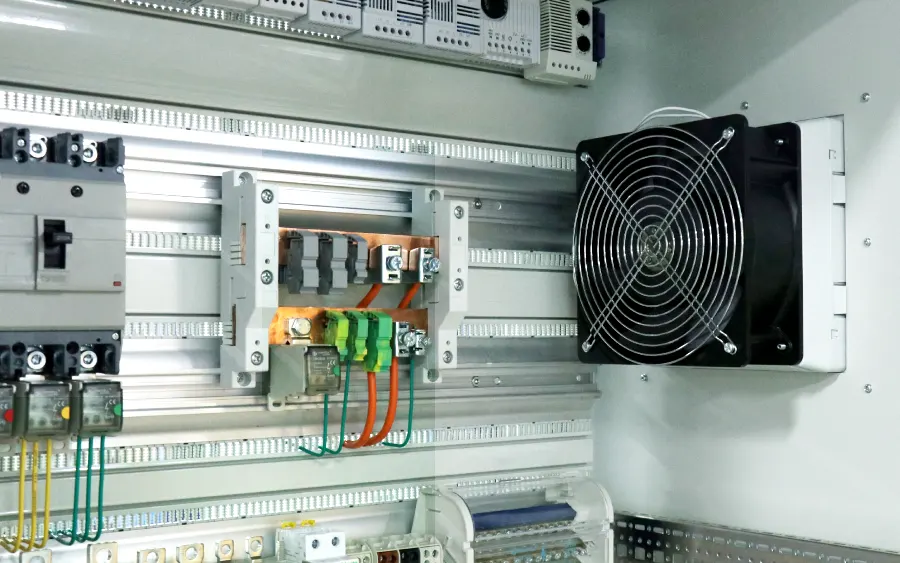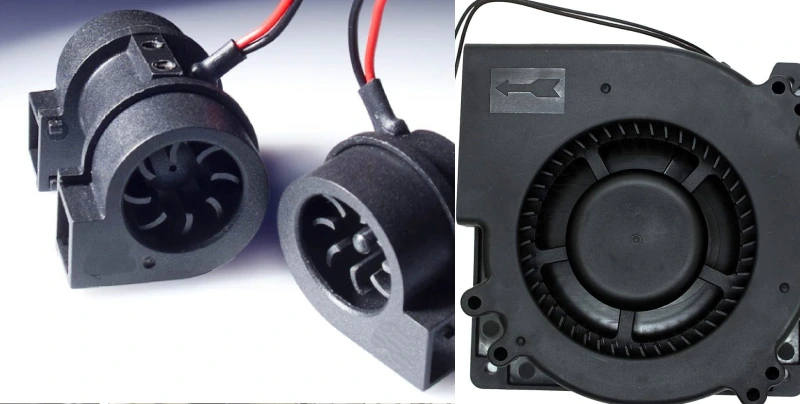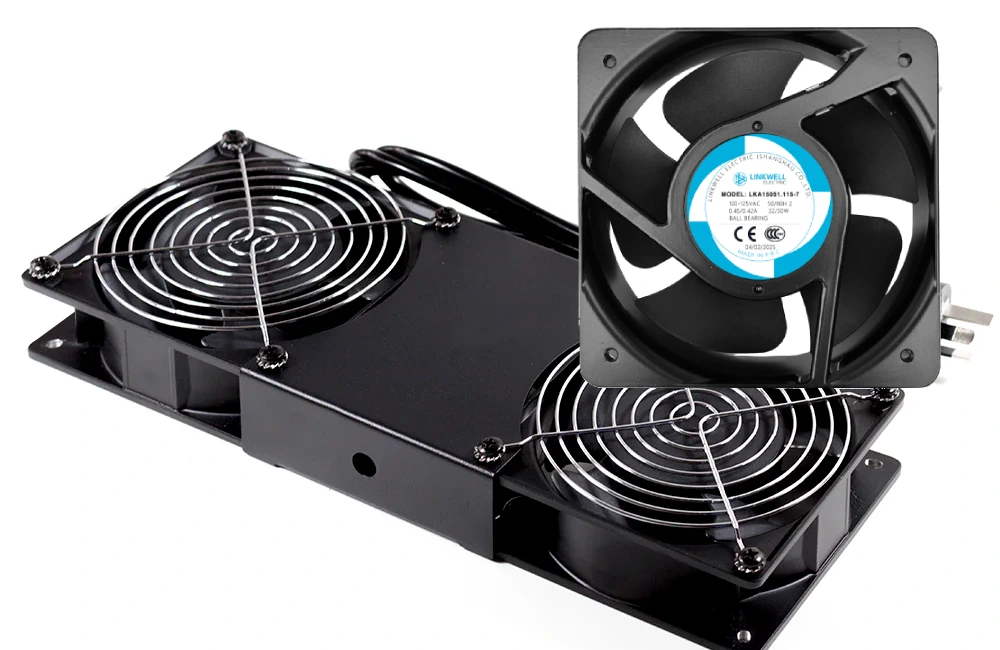
You want your electrical enclosure to run smoothly, right? The right air conditioner size keeps everything safe and efficient. You need to figure out cooling needs based on your enclosure’s size, the heat inside, and the environment around it. If you get the sizing wrong, you can run into problems like overheating, wasted energy, and expensive downtime. Here’s a quick look at what happens when sizing goes off track:
| Consequence | Impact on Safety and Efficiency |
|---|---|
| Ineffective cooling | Overheated equipment and possible damage |
| Excessive cycling | High energy bills and more wear |
| Shortened system lifespan | More breakdowns and electrical risks |
| Temperature fluctuations | Unstable conditions for your electronics |
Linkwell gives you reliable cabinet air conditioners and solutions, so you can avoid these headaches. You’ll see how an Air Conditioner Size Chart helps you make the right choice and keeps your equipment protected.
Key Takeaways
- Measure your enclosure’s dimensions accurately to determine the right air conditioner size. This ensures effective cooling and prevents overheating.
- Calculate the total heat load from all devices inside your enclosure. This helps you choose an air conditioner that meets your cooling needs.
- Consider the ambient conditions around your enclosure. High temperatures, humidity, and sunlight can increase cooling requirements.
- Use Linkwell’s air conditioner size chart to match your enclosure’s needs with the right model. This prevents sizing mistakes and ensures optimal performance.
- Regular maintenance of your air conditioner is crucial. Clean filters and check for leaks to keep your system running efficiently.
Key Factors for Sizing
When you pick the right air conditioner for your electrical enclosure, you need to look at several important factors. Each one plays a big role in keeping your equipment safe and running smoothly. Let’s break down what you should consider:
Enclosure Dimensions
The size of your enclosure matters a lot. You want to keep the temperature inside below 95 ºF (35 ºC) for reliable operation. Measure the height, width, and depth of your enclosure. The depth can limit which air conditioner fits, especially if you need a top-mounted unit. If you have a shallow enclosure, you might need a specialized model. Linkwell offers both standard and top-mounted cabinet air conditioners, so you can find a solution that matches your enclosure’s shape and size.
Internal Heat Sources
Every device inside your enclosure adds heat. Power supplies, AC drives, transformers, communication devices, battery backup systems, soft starters, PLCs, and HMIs all contribute to the total heat load. You should list each component and note how much heat it produces. Add up these numbers to get your total internal heat load. This step helps you avoid picking a room air conditioner that is too small or too large for your needs.
Ambient Conditions
High or low temperatures outside your enclosure can cause big problems inside. If it gets too hot, your electronics may overheat. If it gets too cold, condensation and moisture can form, leading to corrosion or electrical shorts. Humidity is another concern. Moisture can damage sensitive equipment and cause failures. You need to control both temperature and humidity to keep your system safe.
Insulation and Airflow
Insulation helps keep the cool air inside and the hot air out. Good insulation lowers energy costs and reduces the size of the room air conditioner you need. It also prevents moisture buildup and keeps noise levels down. Make sure your enclosure allows for proper airflow. Poor airflow can trap heat and make your air conditioner work harder than it should. Linkwell’s cabinet air conditioners are designed for efficient airflow and easy installation, helping you get the best performance.
By looking at these key factors, you can choose the right air conditioner size and protect your equipment from overheating, moisture, and other risks.
Measuring Cooling Needs

Calculating Enclosure Volume
Start by measuring your enclosure. Grab a tape measure and record the height, width, and depth. Multiply these numbers together to get the total volume in cubic feet or cubic meters. This number tells you how much space you need to cool. For example, if your enclosure is 6 feet high, 3 feet wide, and 2 feet deep, the volume is 36 cubic feet. Knowing the volume helps you pick an air conditioner that fits your enclosure’s size.
Estimating Heat Load
Now, let’s figure out how much heat your equipment produces. Every device inside your enclosure gives off heat. You can use a simple formula to estimate the total heat load:
- List all the devices inside your enclosure and find out how many watts each one uses.
- Add up the watts for all devices to get the total heat generated.
- Convert the total watts to BTU/hr by multiplying by 3.41.
For example, if your equipment uses 200 watts, you get 200 x 3.41 = 682 BTU/hr.
Don’t forget about heat from outside. Calculate the surface area of your enclosure using this formula:
| Step | Description |
|---|---|
| 1 | Surface Area = 2 x ((height x length) + (height x width) + (length x width)) / 144 (in square feet) |
| 2 | Find the temperature difference between inside and outside. |
| 3 | Use a temperature conversion chart to estimate how much heat enters from outside. |
Add the internal and external heat loads together. This gives you the total cooling power you need.
Assessing Environmental Impact
Look at where your enclosure sits. Sunlight can heat up your cabinet fast. If your enclosure sits outside or near a window, you’ll need more cooling. Dust is another problem. Dust can block vents and slow down airflow, which makes your air conditioner work harder. High humidity or moisture can also cause trouble. Make sure your enclosure has good airflow and stays clean. If you expect harsh conditions, choose a cabinet air conditioner with a high protection rating, like Linkwell’s IP54 or IP65 models. These keep dust and water out, so your equipment stays safe.
Air Conditioner Size Guide
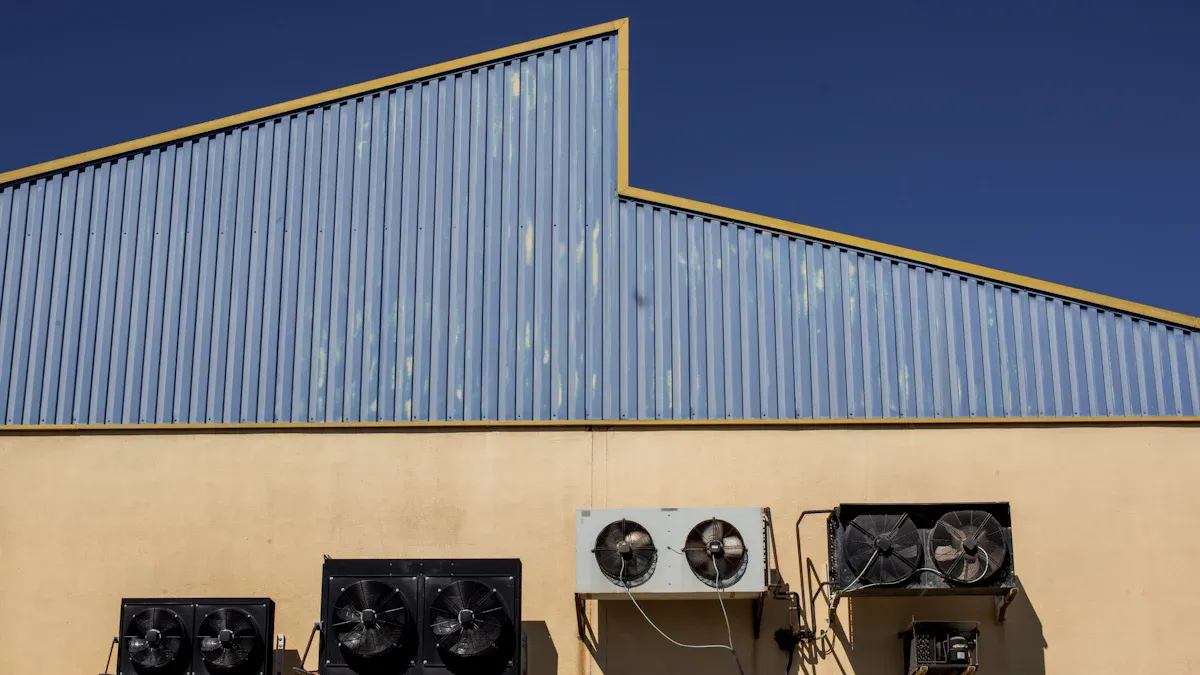
Choosing the right cooling system for your electrical enclosure doesn’t have to be complicated. You just need a clear process and the right tools. Let’s walk through the steps together so you can answer questions like “what size unit ac do I need?” and “how many btus do I need?” for your specific setup.
Using BTU Calculations
You want to make sure your air conditioner matches your enclosure’s needs. The number of btus is the key to getting the right cooling capacity. Here’s a simple step-by-step size guide to help you figure out the perfect fit:
- Measure your enclosure’s room size in square feet.
- Divide the square footage by 500.
- Multiply that result by 12,000 to convert your answer to btus.
- Add 380 btus for each person who regularly works near the enclosure.
- Add 1,200 btus for every kitchen in the building (if your enclosure is in a facility with kitchens).
- Add 1,000 btus for every window in the space.
- Divide your total by 12,000 to convert it to tons if you need that measurement.
Tip: Always round up your number of btus if your enclosure sits in a hot area or gets direct sunlight. This helps prevent overheating and keeps your equipment safe.
You can also use a btu chart or air conditioner size chart to double-check your calculations. These charts make it easy to match your enclosure’s volume and heat load to the right cooling capacity.
Matching Cabinet Air Conditioner Models
Once you know your cooling needs, you can match them to the right cabinet air conditioner. The sizing chart below shows how different models work for different enclosure sizes and environments.
| Enclosure Size | Cooling Power Needed | Recommended Linkwell Model |
|---|---|---|
| Small (up to 250W) | 250W | EIA Series 05 Cabinet Air Conditioner |
| Medium (up to 325W) | 325W | Top Mounted Cabinet Air Conditioner (2,500 BTU) |
| Large (up to 600W) | 600W | Top Mounted Cabinet Air Conditioner (4,000 BTU) |
| Extra Large (up to 1,000W) | 1,000W | Top Mounted Cabinet Air Conditioner (6,000-8,000 BTU) |
Note: Air conditioners with the same power can perform differently in hot or humid locations. Always check the air conditioner size chart for your specific environment.
Temperature and humidity around your cabinet affect cooling requirements. If your enclosure sits outdoors or in a harsh environment, pick a model with a higher protection rating, like IP54 or IP65. Linkwell offers models designed for tough conditions, so you can keep your equipment safe no matter where you install it.
Linkwell Product Recommendations
You want a reliable solution that fits your enclosure and keeps your electronics cool. Linkwell’s cabinet air conditioners come in several styles and capacities, so you can find the perfect match. Here are some top picks based on the air conditioner size chart and sizing chart:
- For small enclosures, try the EIA Series 05 Cabinet Air Conditioner. It’s compact and energy-efficient.
- For medium to large enclosures, the Top Mounted Cabinet Air Conditioner offers models from 2,500 to 8,000 btus. These units save space and deliver strong cooling capacity.
- If you need extra protection, choose a model with IP65 or NEMA 4 ratings. These keep dust and moisture out, which is great for outdoor or industrial settings.
Pro Tip: Use Linkwell’s online air conditioner size chart to compare models and find the best fit for your enclosure. This chart helps you avoid sizing mistakes and ensures you get the right number of btus for your application.
When you follow this size guide, you’ll protect your equipment, reduce downtime, and save on energy costs. Linkwell’s cabinet air conditioners make it easy to match your cooling needs to the right product, so you never have to guess “how many btus do I need” again.
Air Conditioner Size Chart
Choosing the right air conditioner for your electrical enclosure gets much easier when you use a size chart. You can see at a glance which Linkwell model fits your needs, based on BTU ratings and enclosure size. Let’s break down how to read the chart, pick the right model, and avoid common sizing mistakes.
How to Read the Chart
You’ll find two main things in an air conditioner size chart: the BTU rating and the recommended model. BTU stands for British Thermal Unit. It measures how much cooling power the air conditioner provides. Higher BTU means more cooling strength.
Here’s a simple table to help you compare Linkwell models and their BTU ratings:
| Model | BTU Rating |
|---|---|
| OD-16DDC | 800 BTU |
| OD-30DXC | 2,000 BTU |
| OD-30DDC | 2,000 BTU |
| OD-50DXC | 6,000 BTU |
| OD-50DDC | 4,000 BTU |
| OD-50DDXC | 8,000 BTU |
| OD-62DXC | 4,000 BTU |
| OD-62DDC | 6,000 BTU |
| OD-62DDXC | 10,000 BTU |
| OD-78DXC | 6,000 BTU |
| OD-78DDC | 10,000 BTU |
| OD-78DDXC | 12,000 BTU |
You can also visualize the BTU ratings with this chart:
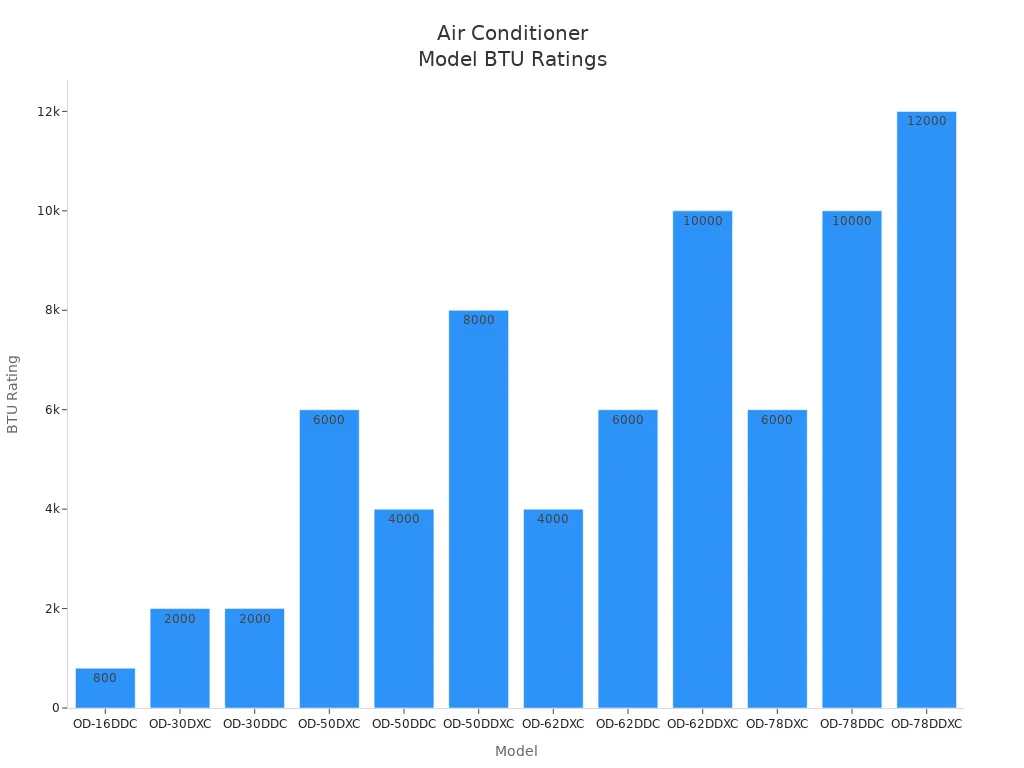
When you look at the chart, match your enclosure’s heat load and size to the BTU rating. If your enclosure needs 6,000 BTU, you can choose the OD-50DXC or OD-78DXC. If you need more cooling, go for a model with a higher BTU.
Selecting the Right Model
Picking the right air conditioner model means more than just matching BTUs. You need to think about your enclosure’s environment and special features. Here’s how you can use the chart for different situations:
- Start with your enclosure’s size and heat load. Use 20 BTU per square foot as a baseline.
- Adjust for sunlight. If your enclosure sits in direct sun, add 10–25% more BTU.
- Consider ceiling height. If your enclosure is tall, add 10–20% more BTU.
- Count the people and devices nearby. Add 600 BTU for each person working near the enclosure. Add extra BTU for heat-generating devices.
- Check insulation and airflow. Poor insulation or blocked airflow means you need more cooling power.
Here’s a quick reference table for room size and recommended BTU:
| Room Size (sq ft) | Recommended BTU |
|---|---|
| 100–150 | 5,000 |
| 150–250 | 6,000–8,000 |
| 250–350 | 8,000–10,000 |
Tip: Always round up your BTU if your enclosure faces tough conditions like high heat, humidity, or poor insulation. This keeps your electronics safe and your system running smoothly.
Avoiding Sizing Mistakes
You want your air conditioner to work efficiently and protect your equipment. Here are the most common mistakes people make—and how you can avoid them:
- Oversizing the AC: If you pick a unit with too many BTUs, it cools the space too fast. The system cycles on and off a lot, which wastes energy and wears out parts.
- Undersizing the AC: If your unit doesn’t have enough BTUs, it struggles to keep up. Your equipment gets hot, and you risk damage or downtime.
- Ignoring insulation and sunlight: BTU tables use average conditions. If your enclosure has poor insulation or sits in direct sun, you need to adjust your BTU upward.
- Forgetting about humidity: Improper sizing can mess with humidity control. Too much moisture leads to corrosion and hardware damage.
Remember: Always check your enclosure’s real-world conditions before choosing a model. If you’re unsure, use Linkwell’s online calculator or reach out to their experts for help.
By following these steps and using the air conditioner size chart, you can pick the perfect Linkwell model for your electrical enclosure. You’ll keep your equipment cool, safe, and running at peak efficiency.
Special Considerations
Outdoor and Harsh Environments
When you install an air conditioner outdoors or in a tough environment, you face extra challenges. Rain, dust, and extreme temperatures can all affect how well your system works. You want to keep your enclosure cool and your equipment safe, so pay attention to these tips:
- Follow ASHRAE standards for outdoor air ventilation and thermal comfort.
- Place outdoor air intakes away from contamination sources. Keep at least 25 feet between intakes and things like exhaust vents or trash bins.
- Protect air intakes from birds and rodents. Use screens that you can clean easily.
- Think about energy recovery ventilation to help manage outdoor air supply.
- Rain and dust can sneak into your enclosure. Choose air conditioners with high protection ratings, like IP54 or IP65, to block out moisture and dirt.
- High temperatures, especially on rooftops or paved areas, make it harder for your AC to expel heat. Add insulation or use reflective finishes to reduce solar heat gain.
- Watch the cycling rate of your air conditioner. Big swings in outside temperature can make your unit turn on and off more often, which can shorten its lifespan.
Tip: Regularly check your enclosure for signs of dust, water, or animal intrusion. Quick action keeps your system running strong.
Sensitive Equipment Protection
Sensitive electronics need extra care. You want to shield them from electrical noise and outside interference. Here’s how you can boost protection:
- Pick enclosures with EMI/RFI shielding, like metal or coated non-metallic boxes.
- Ground all components properly to cut down on signal noise.
- Separate high- and low-voltage parts to avoid interference.
- Use twisted pair or shielded cables for better cable management.
- Add EMI filters and ferrite beads to keep signals clean.
- Make sure your ventilation does not weaken the shielding.
- Test for interference often to catch problems early.
Note: Place sensitive parts away from enclosure edges and use ESD protection like TVS diodes for extra safety.
Maintenance Tips
You want your air conditioner to last and work at its best. Good maintenance makes a big difference. Here’s a checklist to keep you on track:
- Clean filters often to keep airflow strong.
- Inspect the condenser coil for dust or debris.
- Check for refrigerant leaks to maintain cooling power.
- Make sure the enclosure seals tight to stop heat leaks.
- Keep the area around the enclosure free of dust.
- Tighten electrical connections and look for corrosion.
- Test the thermostat for accurate temperature control.
- Clear the drain line to prevent water buildup.
- Listen for odd noises or vibrations.
- Keep a maintenance log so you never miss a service.
Staying on top of these tasks helps you avoid breakdowns and keeps your equipment safe year-round.
Next Steps
Consulting Linkwell Experts
You might feel unsure about which air conditioner fits your enclosure best. Linkwell experts can help you make the right choice. When you reach out, you get more than just product advice. You receive support that covers every detail of your project. Here’s what you can expect:
- Tailored solutions for your specific enclosure needs
- Expert consultations to guide your selection process
- Detailed thermal load analysis for accurate sizing
- Layout design recommendations for optimal placement
- Help with compliance requirements and industry standards
- Complete technical documentation for smooth installation
Tip: If you have a unique setup or strict requirements, talking to a Linkwell specialist saves you time and helps you avoid costly mistakes.
Using Online Calculators
You want a quick way to estimate your cooling needs. Online calculators make this easy. You enter your enclosure’s dimensions, heat load, and environment details. The calculator gives you the recommended BTU rating and suggests suitable models. This tool helps you double-check your math and compare options fast. You can use Linkwell’s air conditioner size chart and calculator to match your enclosure with the right cooling unit.
Block Quote: “A few clicks can help you avoid sizing errors and keep your equipment safe.”
Preparing for Installation
Getting ready for installation is important. You want your new air conditioner to work efficiently from day one. Follow these steps to prepare:
- Assess your existing systems, including ductwork and electrical setup.
- Clear the installation area of furniture and obstacles.
- Check circuit compatibility and ensure proper electrical connections.
- Seal and clean ductwork to boost efficiency.
- Prepare for possible downtime during installation.
Preparing the site is crucial for stability and efficiency. Level the area and inspect the ductwork to make sure everything is in good condition. If you replace an old outdoor unit, use a gravel base and a new pad for extra support.
Note: Careful preparation helps your air conditioner run smoothly and protects your equipment for years to come.
Conclusion
You’ve made it to the end of your guide on picking the right air conditioner size for electrical enclosures. Let’s wrap things up and make sure you feel confident about your next steps.
Choosing the right size isn’t just about grabbing any unit off the shelf. You want to protect your equipment, save energy, and avoid costly downtime. Here’s what you should remember:
- Figure out where your enclosure sits and check the temperature range around it.
- Decide on the best temperature for your enclosure. Keep it lower than your equipment’s maximum safe temperature.
- Add up the heat load from every device inside. Use the power consumption numbers to get an accurate total.
- Pick an air conditioner model that’s a step above your calculated heat load. This gives you a safety margin.
- Make sure your unit matches the supply voltage and has the right NEMA rating for your environment.
- Always think about the worst-case scenario. Don’t go too big, though. Oversized units waste energy and don’t cool efficiently.
Tip: Double-check your math and use Linkwell’s air conditioner size chart or online calculator. You’ll avoid sizing mistakes and keep your system running smoothly.
Linkwell offers a wide range of cabinet air conditioners and expert support. You can reach out for custom solutions or advice if you’re unsure about your setup. Their team helps you match your enclosure specs to the perfect cooling unit.
Ready to take action? Review your enclosure’s specs, use the size chart, and contact Linkwell for expert help. You’ll keep your electronics safe, cut down on energy costs, and enjoy peace of mind knowing your system is protected.
You want your electrical enclosure to stay cool and reliable for years. Start by measuring your enclosure, add up the heat load, and match your needs to the right Linkwell model. Accurate sizing means fewer breakdowns and longer system life. Check out this quick comparison:
| Feature | Thermoelectric Coolers | Compressor-Based Systems |
|---|---|---|
| Reliability | High (steady-state) | Lower (on-off cycling) |
| Lifespan | Up to 70,000 hours | Shorter due to wear |
- Thermoelectric coolers run quietly and reduce stress on your equipment.
- Linkwell experts can help you find the perfect fit for any environment.
Review your specs, use the size chart, and reach out to Linkwell for expert advice. 😊
FAQ
How do I know if my enclosure needs an air conditioner?
If your equipment gets hot or shuts down often, you probably need cooling. Check for temperature spikes or warning lights. Use a thermal load calculator to see if your enclosure needs extra help.
What does BTU mean for cabinet air conditioners?
BTU stands for British Thermal Unit. It measures how much cooling power your air conditioner provides. Higher BTU means stronger cooling. Match the BTU rating to your enclosure’s heat load for best results.
Can I use a regular room air conditioner for my electrical enclosure?
No, you shouldn’t use a standard room AC. Cabinet air conditioners are built for sealed enclosures. They keep dust and moisture out. Room ACs can’t protect sensitive electronics in tough environments.
How often should I clean or check my cabinet air conditioner?
You should clean filters every month. Inspect coils and seals every few months. Regular checks help your air conditioner run smoothly and keep your equipment safe.
What makes Linkwell cabinet air conditioners different?
Linkwell units offer high protection ratings, energy-saving features, and smart controls. You get models for indoor and outdoor use. Their products meet international standards and come with expert support.