When you look at control transformers, insulation class sets the highest temperature rise they can safely handle. This relationship shapes how long your transformer lasts, how well it works, and how safe it stays. If you match the temperature rise to the right insulation class, you prevent overheating and avoid early breakdowns. You want to keep your transformer running within safe limits because most failures come from insulation problems caused by too much heat or moisture. Control Transformer Temperature Rise and Insulation Class go hand in hand—understanding them helps you pick the right product and avoid costly mistakes.
Key Takeaways
- Control transformers must match temperature rise to insulation class to ensure safety and longevity.
- Higher insulation classes allow transformers to handle more heat, reducing the risk of insulation failure.
- Always check the maximum ambient temperature and expected temperature rise before selecting a transformer.
- Regularly monitor temperature with sensors to catch potential overheating issues early.
- Choosing the right insulation class can double or triple the lifespan of your transformer.
Temperature Rise and Insulation Class Explained
Defining Temperature Rise in Control Transformers
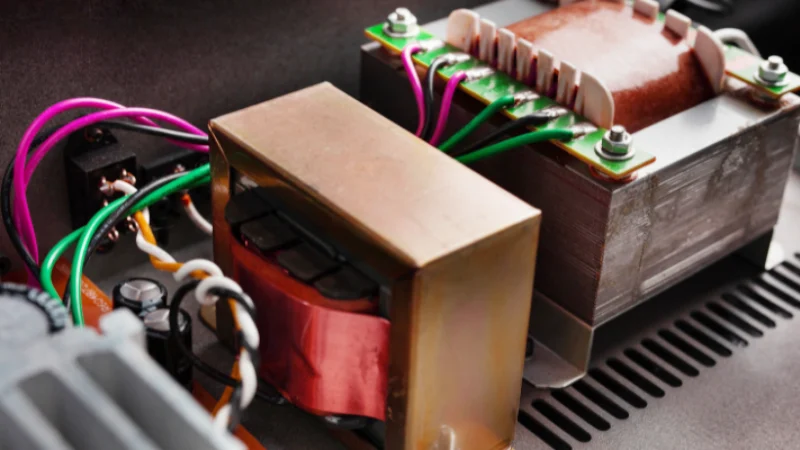
When you use a control transformer, it heats up during normal operation. This heating is called temperature rise. It shows how much hotter the transformer gets compared to the room around it. For example, if your room is 25°C and the transformer reaches 75°C, the temperature rise is 50°C. Standards like IEC 60076-2 require manufacturers to test and measure this rise to make sure the transformer stays safe and reliable.
You can measure temperature rise in a few ways. Here’s a quick look at the main methods:
| Measurement Method | Description |
|---|---|
| Hot Spot Measurement | Measures the hottest spot in the windings using thermocouples or resistance calculations. |
| Enclosure Impact | Considers airflow and heat dissipation when the transformer is in a cabinet or box. |
| Loss Simulation Techniques | Simulates load and core losses to monitor how much heat builds up. |
| Temperature Sensors | Uses thermocouples, RTDs, or fiber optic sensors for accurate readings. |
You want your transformer to stay within its rated temperature rise. If it gets too hot, the insulation can break down, leading to failures or even safety risks. Linkwell Control Transformers are tested and certified to meet UL, CE, and ISO9001 standards, so you know they can handle the heat safely.
What Is Insulation Class
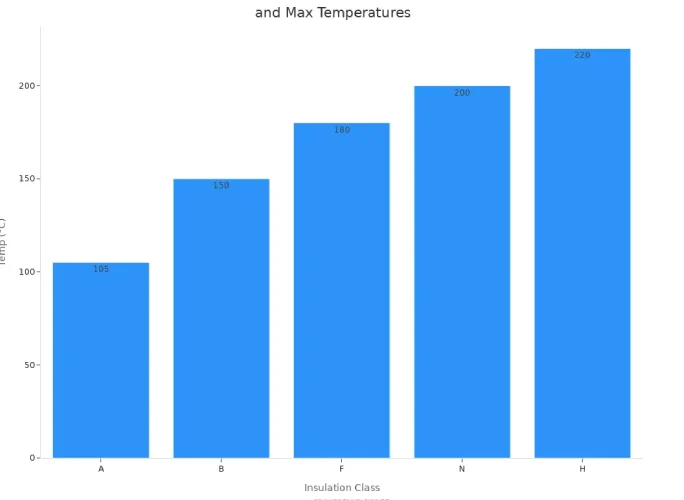
Insulation class tells you the highest temperature the transformer’s insulation can handle without damage. Each class uses different materials and has its own maximum temperature. For example, Class A uses paper and cotton, while Class H uses advanced materials like silicone rubber and polyimide film.
Here’s a chart showing the maximum temperature for each insulation class:
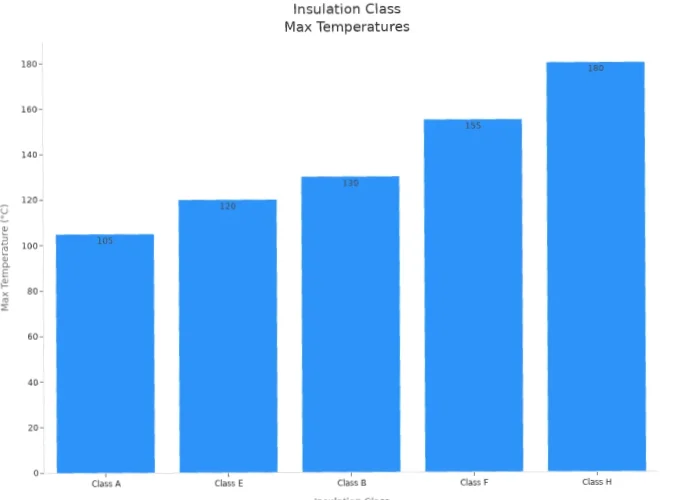
When you match temperature rise and insulation class, you make sure your transformer works safely and lasts longer. If you pick a transformer with a higher insulation class, it can handle more heat. Using the wrong class can put your equipment at risk. Linkwell Control Transformers use high-quality insulation materials that meet strict standards, so you get safe and reliable performance.
Tip: Always check the insulation class and rated temperature rise before choosing a transformer for your project. This simple step helps you avoid overheating and keeps your system running smoothly.
Insulation Classes and Allowable Temperature Rise
When selecting a control transformer, understanding the different insulation classes and their limits is crucial. These classes define how much heat the winding insulation can safely withstand without degrading. The main insulation classes used in control transformers include A, B, F, H, N, and R, each with specific maximum temperature limits. Knowing these helps you match the transformer’s temperature rise to its insulation system, ensuring safe and reliable operation.
Main Insulation Classes and Their Limits
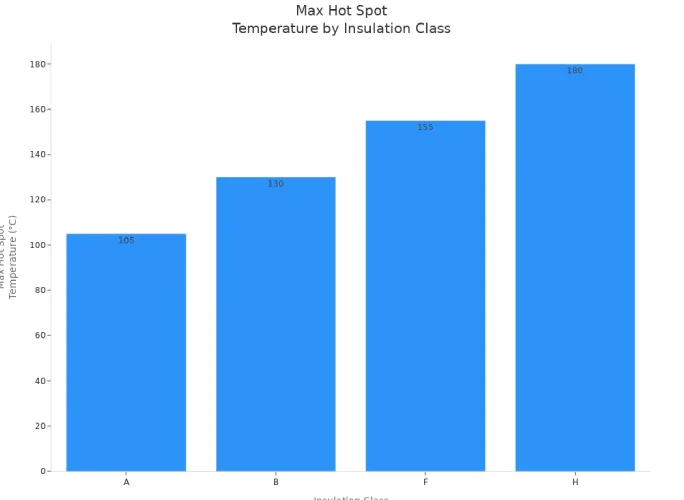
Here’s a quick overview of the primary insulation classes and their maximum winding temperatures:
| Insulation Class | Maximum Winding Temperature (°C) | Thermal Class (°C) |
|---|---|---|
| A | 105 | 105 |
| B | 130 | 130 |
| F | 155 | 155 |
| H | 180 | 180 |
| N | 200 | 200 |
| R | 220 | 220 |
These classes are standardized across the industry, and each corresponds to specific materials and performance characteristics. For example, Class A insulation can handle a winding temperature rise of up to 55°C above ambient, while Class H can handle a rise of about 90°C. The higher the insulation class, the greater the maximum allowable temperature rise, which allows the transformer to operate under higher load conditions without risking insulation failure.
Temperature Rise and Insulation Class Table
The temperature rise of a transformer is the difference between the winding temperature and the ambient temperature. Industry standards specify the maximum allowable temperature rise for each insulation class, which directly influences the winding temperature rise limit. For example, a Class B transformer typically has a winding temperature rise limit of around 75°C, meaning the winding temperature should not exceed 130°C if the ambient is 55°C.
| Insulation Class | Maximum Hot Spot Temperature (°C) | Allowable Temperature Rise (°C) |
|---|---|---|
| A | 105 | 55 |
| B | 130 | 75 |
| F | 155 | 80 |
| H | 180 | 90 |
This table illustrates how the maximum allowable temperature rise aligns with the insulation class. When you choose a transformer, ensure that its winding temperature rise limit does not exceed what your application can handle. For example, if your environment has high ambient temperatures, selecting a transformer with a higher insulation class can help maintain the winding temperature rise within safe limits.
Standards Comparison (UL, IEC)
Different international standards influence how the maximum allowable temperature rise is defined and tested. The UL (Underwriters Laboratories) standards, primarily used in North America, specify detailed testing procedures and safety requirements for control transformers. Meanwhile, IEC (International Electrotechnical Commission) standards are more common outside North America and emphasize harmonization across countries.
Both standards set similar maximum temperature rise limits for insulation classes but may differ in testing methods and classifications. For example, IEC standards have introduced additional insulation classes like N, which are not always recognized in UL standards. When selecting a transformer, you should consider which standard applies to your region or application.
Linkwell Control Transformers are designed to meet or exceed these standards, ensuring that the winding temperature rise stays within the maximum allowable temperature rise for their insulation class. This compliance guarantees that your transformer operates safely, with a winding temperature rise limit that aligns with international safety and performance benchmarks.
Tip: Always verify whether your control transformer complies with UL, IEC, or other relevant standards. This ensures that the maximum allowable temperature rise aligns with your safety requirements and environmental conditions.
Control Transformer Selection and Safety
Matching Temperature Rise and Insulation Class
You want your control transformer to last as long as possible and work safely. To do that, you need to match the control transformer temperature rise and insulation class to your real-world conditions. This means you should look at the expected temperature rise, the insulation level, and the thermal endurance of the materials. If you get this right, you boost the endurance of your transformer and avoid early failures.
Let’s break down how you can make the best choice:
| Insulation Class | Max Hot-Spot Temp (°C) | Typical Temp Rise | Common Use |
|---|---|---|---|
| 105 (Class A) | 105 | 55°C | Small dry-type, control transformers |
| 120 (Class E) | 120 | 65°C | Older designs, motors |
| 130 (Class B) | 130 | 80°C | Distribution transformers |
| 155 (Class F) | 155 | 100°C | Industrial dry-type |
| 180 (Class H) | 180 | 125°C | Special high-temp environments |
| 220 (Class R) | 220 | 150°C | Traction, aerospace |
You should always check the ambient temperature where you plan to install your transformer. If your cabinet sits in a hot factory or outdoors, the insulation level and thermal endurance need to be higher. High altitudes or poor ventilation also push up the temperature rise. If you run non-linear loads, like variable speed drives, you get more heat from harmonics. In these cases, you need a higher insulation class to keep the thermal stress under control.
Tip: For every 6–8°C you go above the insulation class limit, the insulation life drops by about half. If you want maximum endurance, keep the temperature rise well below the class limit.
Here’s a quick checklist for matching control transformer temperature rise and insulation class:
- Check the maximum ambient temperature.
- Add the expected temperature rise from the load.
- Make sure the total stays below the insulation class limit.
- Pick a higher insulation level if you expect tough conditions or want extra endurance.
Linkwell Control Transformer Advantages
When you choose Linkwell, you get more than just a transformer. You get a product built for endurance, thermal endurance, and safety. Linkwell designs every control transformer to handle the toughest environments, with a focus on the right insulation level and thermal performance.
Here’s what makes Linkwell stand out:
| Customization Feature | Description |
|---|---|
| Insulation Materials | High-temperature resistant enamel, DMD prepreg, Nomex paper with high dielectric strength. |
| Temperature Ratings | Options for Class B, F, and H ratings for heat resistance. |
| Voltage Combinations | Customizable input/output voltages to meet specific needs. |
| Power Range | Coverage from 60VA to 100kVA for various applications. |
| Installation Methods | Adaptable to DIN rail, panel mount, or base mounting. |
| Special Protection Requirements | Options for special coatings, sealing, or terminal types to enhance durability. |
You can pick the insulation level and thermal endurance you need. Linkwell offers transformers with Class B, F, and H insulation, so you can match the control transformer temperature rise and insulation class to your project. You also get UL, CE, and ISO9001 certifications, which means you meet global safety standards. If you need something special, Linkwell can customize the insulation materials, voltage, or mounting style.
Note: Lower temperature rise ratings in Linkwell transformers give you more overload capacity and longer endurance. You get less thermal stress on the insulation, which means your transformer lasts longer.
Common Selection Mistakes
You want to avoid mistakes that can shorten the endurance of your transformer or waste your budget. Here are some common errors and how you can dodge them:
- Don’t over-specify the insulation level. If you pick a higher class than you need, you pay more and add weight for no real gain.
- Watch for hot spots. Localized heating can break down insulation, even if the average temperature rise looks safe.
- Think about mechanical stress. Vibration, flexing, or abrasion can damage insulation, reducing thermal endurance.
- Review your choices often. If your operating conditions change, check if your insulation level and thermal endurance still fit.
- Don’t forget about ambient temperature and installation. Poor ventilation or high room temperatures can push the temperature rise above safe limits.
Tip: Install temperature sensors at key points and connect them to your monitoring system. Set thresholds based on the insulation class and thermal endurance. Regularly check and calibrate your sensors to catch problems early.
If you follow these steps, you can match the control transformer temperature rise and insulation class for maximum endurance and safety. Linkwell’s team can help you with selection, customization, and ongoing support, so you always get the right insulation level and thermal endurance for your application.
Matching the insulation class to the expected temperature rise keeps your transformer safe and reliable. Check out this quick table:
| Aspect | Why It Matters |
|---|---|
| Insulation Class | Sets the safe heat limit for your transformer. |
| Life Expectancy | Lower temperatures can double insulation life. |
| Thermal Stress | Higher classes handle more heat and stress. |
Linkwell Control Transformers use advanced insulation and hold UL, CE, and ISO 9001:2015 certifications. You get proven durability and global safety compliance. Not sure what you need? Reach out to a transformer expert or the Linkwell team for help picking the right solution.
FAQ
What happens if you exceed the insulation class temperature limit?
You risk damaging the insulation. The transformer’s temperature rises above safe levels. This shortens life and can cause failures. You might see the thermal endurance curve drop sharply. Always check the insulation class and keep the temperature within its limit for safety.
How do you use the thermal endurance curve when selecting a transformer?
You look at the thermal endurance curve to see how insulation life changes with temperature. If you keep the temperature lower, the insulation lasts longer. The curve helps you pick the right transformer for your environment and expected temperature rise.
Why does insulation matter for transformer temperature?
Insulation protects the windings from heat. If the temperature gets too high, the insulation breaks down. You want to match the insulation class to the expected temperature. This keeps your transformer safe and reliable. The thermal endurance curve shows how insulation responds to temperature changes.
Can you improve transformer life by lowering temperature?
Yes, you can. Lowering the temperature slows insulation aging. The thermal endurance curve proves this. If you keep the temperature well below the insulation class limit, you double or even triple the transformer’s life. Good ventilation and proper installation help control temperature.
What is the difference between insulation class and thermal endurance curves?
Insulation class sets the maximum temperature the transformer can handle. Thermal endurance curves show how long insulation lasts at different temperatures. You use both to make smart choices. The insulation class gives you a limit, while the curve shows how temperature affects insulation life.
Conclusion
Choosing the right combination of temperature rise and insulation class is essential for ensuring transformer safety, efficiency, and long service life. By understanding how thermal limits impact insulation performance, you can prevent premature failures and reduce maintenance costs. High-quality solutions like Linkwell Control Transformers provide reliable thermal endurance, certified safety, and flexible customization options.
Always evaluate your operating environment, load conditions, and long-term performance goals to select a transformer that delivers stable operation and maximum durability in demanding industrial applications.