Custom Din Rail Manufacturer in China
DIN Rail systems are the backbone of modern electrical cabinets, and Linkwell designs them with performance, reliability, and installers in mind. Our metal DIN rails provide a strong, standardized mounting foundation for terminal blocks, circuit breakers, relays, and control components.
CORE FUNCTIONS CONSIDERATE SERVICE
CRAFTSMANSHIP & QUALITY ASSURANCE – WORTHY OF YOUR TRUST

Premium Materials

Complete Specifications

Long-Lasting Durability

Direct Factory Sales

Genuine Quality Materials

Exquisite Processing
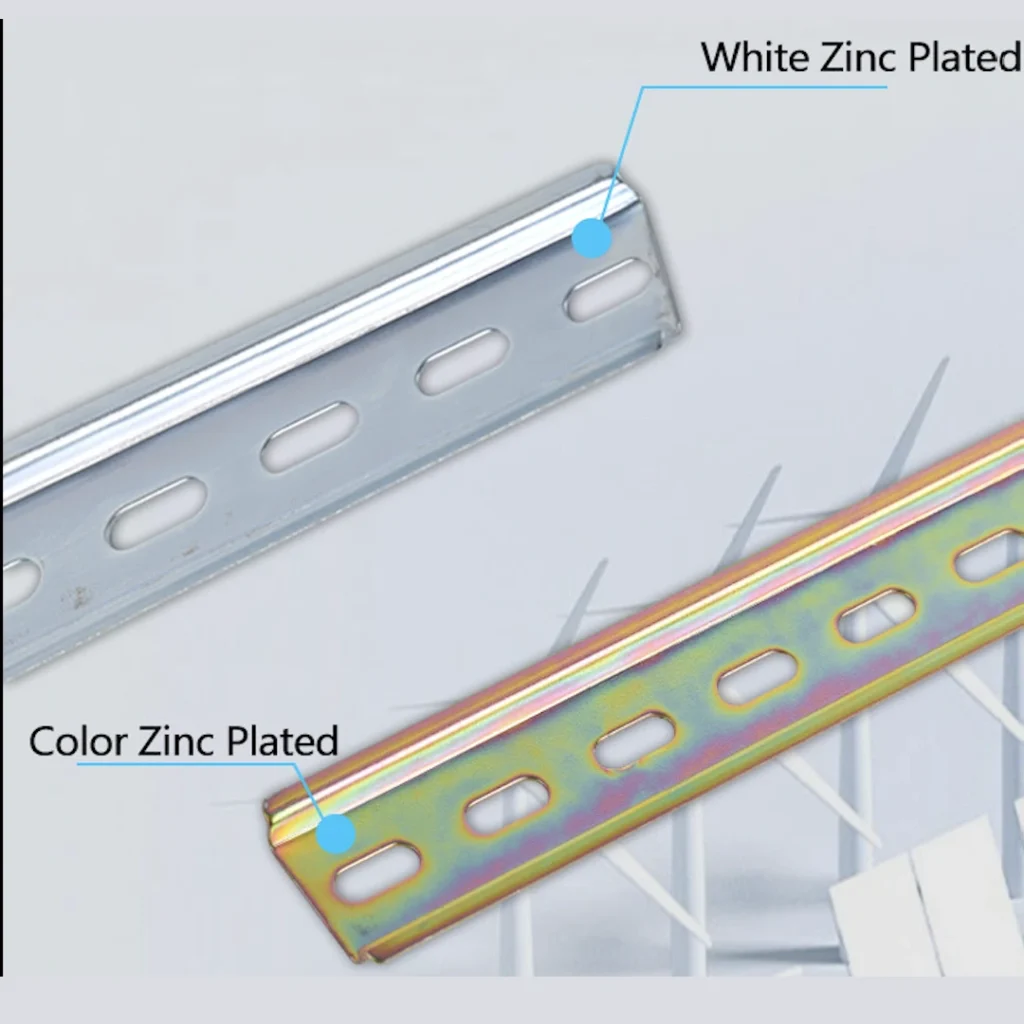
THREE PROCESSES - RUST & CORROSION RESISTANT
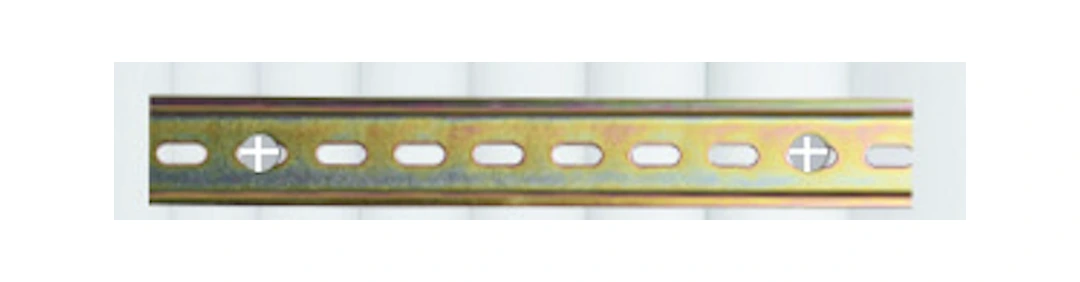
Steel material combined with electrogalvanizing and passivation creates a burr-free, high-quality product that provides excellent surface protection while maintaining superior electrical performance.

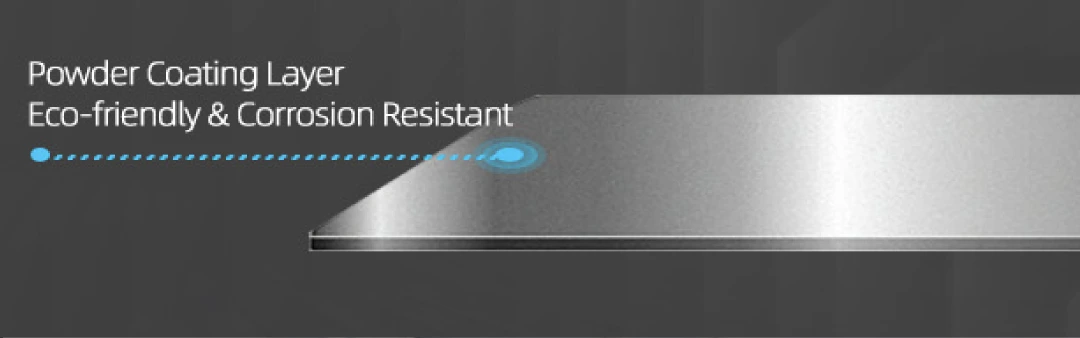
powder coating layer eco-friendly & corrosion resistant

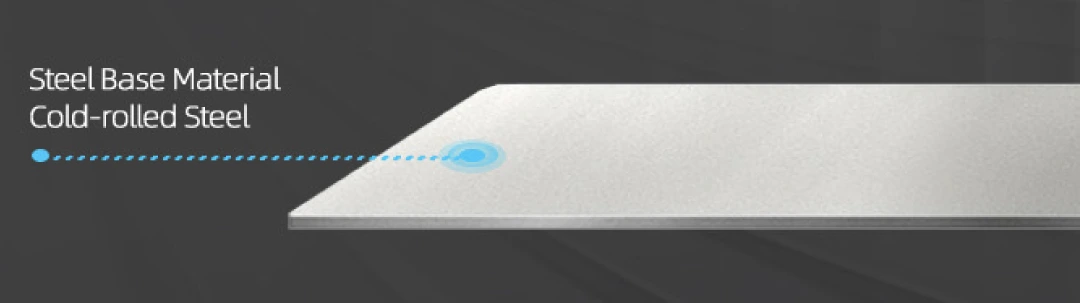
Steel Base Material Cold-Rolled Steel

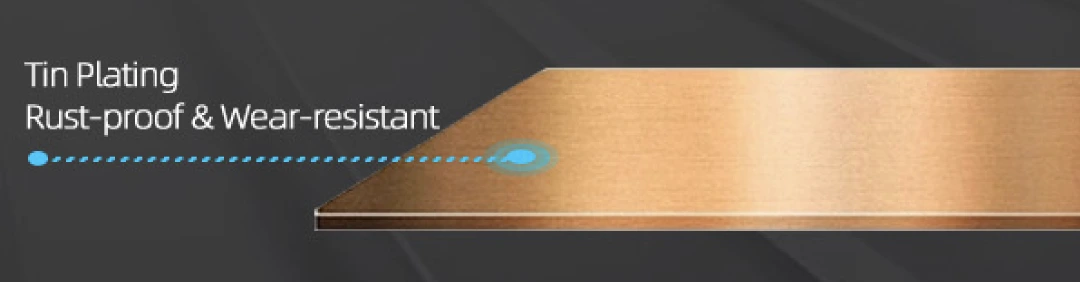
tin plating rust-proof & wear-resistant
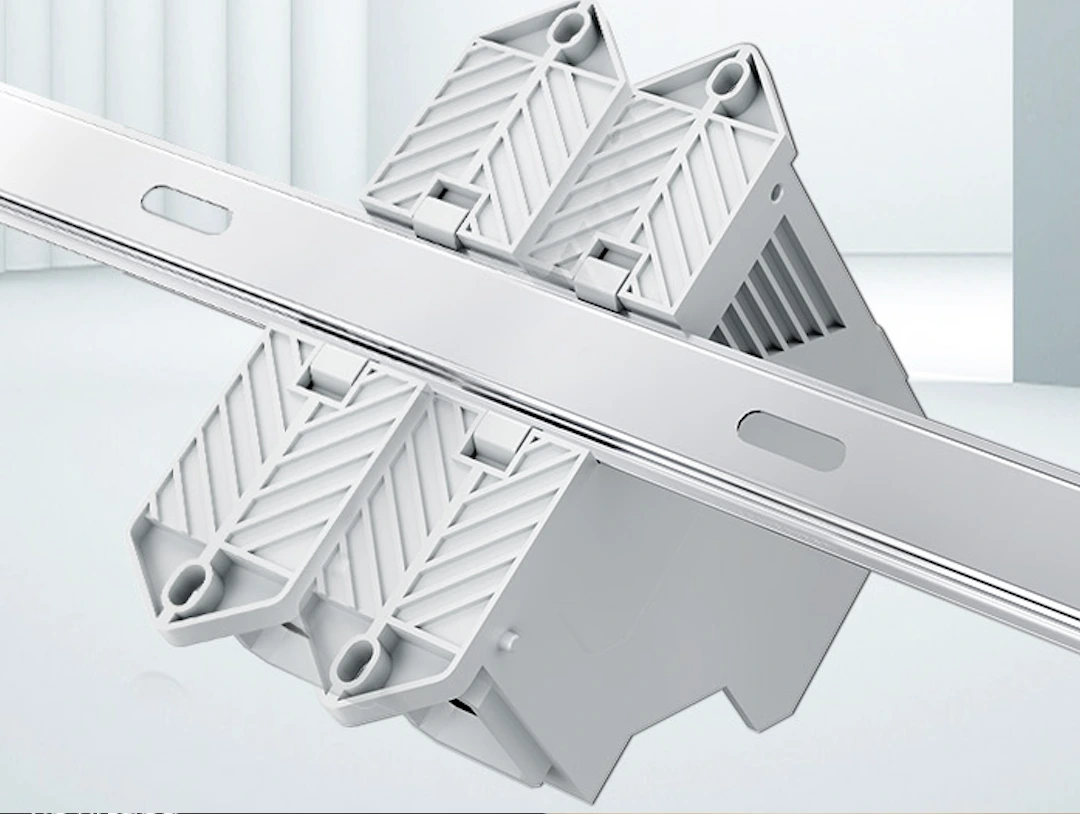
STANDARD 35MM UNIVERSAL FOR ELECTRICAL COMPONENTS
Compatible with control switches, circuit breakers, contactors,and other electrical components

Steel Base Material Cold-Rolled Steel

PRODUCT APPLICATIONS SCENARIO DISPLAY

Distribution Box

Control Cabinet

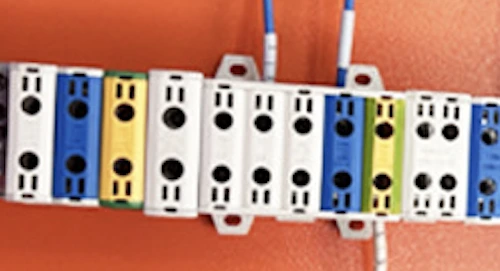
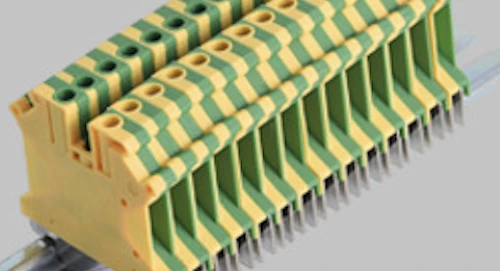
Terminal Block

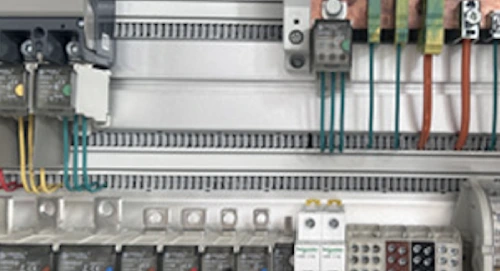
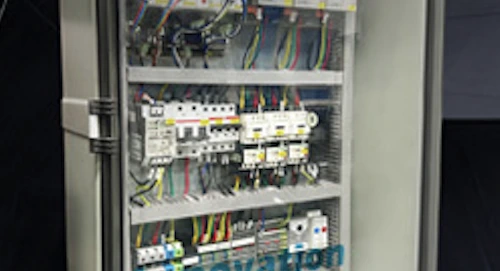
Electrical Cabinet
FAQ of Din Rail
What is a metal DIN rail used for in an electrical cabinet?
A metal DIN rail is used to securely mount electrical components such as circuit breakers, terminal blocks, relays, and power supplies inside an electrical cabinet. It helps you organize wiring neatly, saves space, and improves installation efficiency, maintenance, and overall cabinet safety.
What materials are metal DIN rails made from?
Metal DIN rails are commonly made from cold-rolled steel, stainless steel, or aluminum. Steel DIN rails offer strong load capacity and cost efficiency, stainless steel provides corrosion resistance, and aluminum offers lightweight installation, making each suitable for different cabinet environments and industry needs.
Are DIN rails standardized in size?
Yes, DIN rails follow international standards such as IEC 60715. The most common type is the 35mm “Top Hat” rail, but 15mm and G-type rails also exist. Standardization ensures compatibility, allowing you to easily source components from different manufacturers without fitment issues.
Why is metal DIN rail preferred over plastic in control cabinets?
Metal DIN rails provide superior strength, heat resistance, and grounding capability compared to plastic rails. They support heavier components, withstand high temperatures, and help improve electrical safety. This makes metal DIN rails the preferred choice for industrial electrical cabinets and control panels.
How do you install a metal DIN rail in an electrical cabinet?
You install a metal DIN rail by fixing it to the cabinet backplate using screws or rivets. Proper alignment ensures components snap on securely. Accurate installation improves vibration resistance, simplifies future expansion, and keeps the cabinet layout clean and professional.