
Din Rail Mount Terminal Block
- PA66 (UL94 V-0)
- TS35 DIN rail
- Screw / spring options
- Custom color / marking
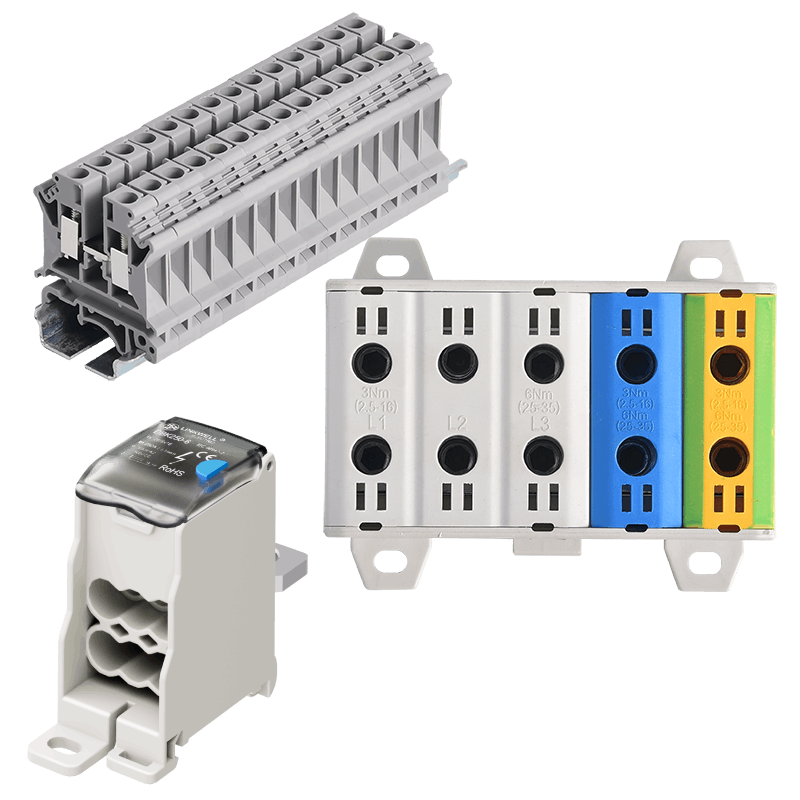
What are DIN Rail Terminal Blocks?
General Specifications
- Material: PA66 (UL94 V-0)
- Rated voltage: 600V
- Current: up to 65A
- Wire: 0.5‑6 mm² (AWG 20‑10)
- Mounting: TS35 DIN rail
- Temp: -40°C ~ +105°C
- Protection: IP20 (finger‑safe)
- CE, RoHS (UL on request)
Quick Selection Guide
- Basic wiring
- Ground / neutral
- Fuse protection
- Manual disconnect
- Space saving
- Test points
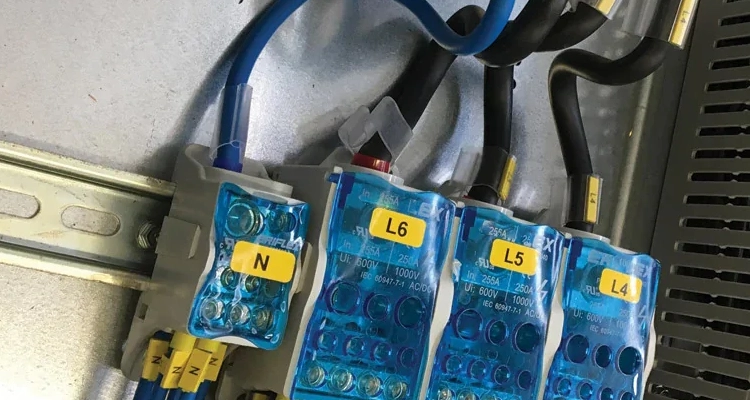
DISTRIBUTION TERMINAL BLOCK
Distribution Terminal Blocks are designed to safely distribute electrical power from a single input to multiple outputs within control panels. They simplify wiring, improve circuit organization, and provide reliable connections for industrial control systems, power distribution cabinets, and automation equipment.
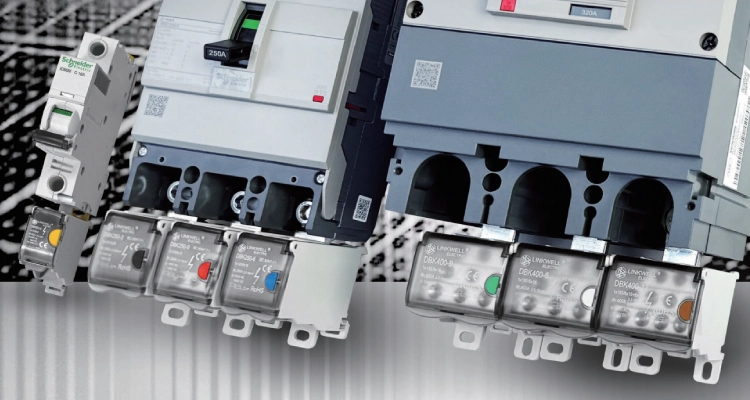
MCB TERMINAL BLOCK
MCB Terminal Terminal Blocks are specially designed to connect miniature circuit breakers in electrical distribution systems. They ensure stable electrical connections, simplify panel wiring, and improve installation efficiency while maintaining safe and reliable power protection in control cabinets.
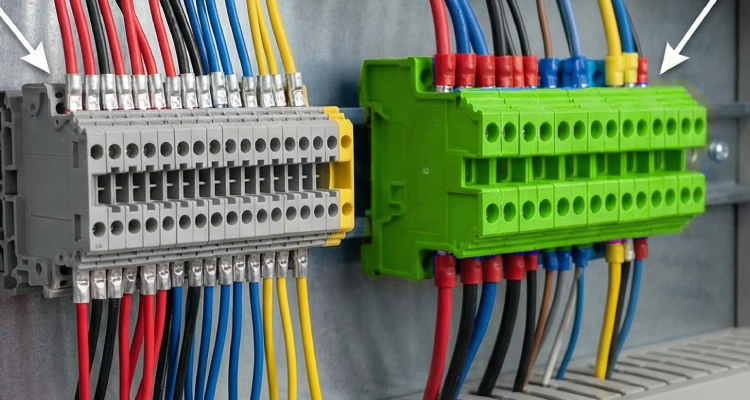
BRANCH TERMINAL BLOCK
Branch Terminals allow multiple branch circuits to connect from a main power line within electrical cabinets. They provide organized wiring, secure connections, and efficient power distribution, making them ideal for industrial control panels, automation systems, and electrical distribution equipment.
Din Rail Mount Terminal Block Applications
- Industrial control panels
- Automation equipment
- Power distribution boxes
- HVAC control cabinets
- Railway & transportation
- Renewable energy
| Industry Application | Description |
|---|---|
| Industrial Control Panels | DIN Rail Mount Terminal Blocks organize wiring inside control panels, providing safe, modular connections for PLCs, relays, and control circuits. |
| Automation Equipment | Used in automated machines and robotic systems to ensure stable signal and power connections while simplifying installation and maintenance. |
| Power Distribution Boxes | Provide reliable electrical distribution points in power boxes, enabling efficient wiring management and safe connections for multiple circuits. |
| HVAC Control Cabinets | Support stable wiring for sensors, thermostats, and controllers in HVAC systems, ensuring reliable electrical connections and simplified servicing. |
| Railway & Transportation | Used in railway signaling and transportation control systems, offering vibration-resistant connections and reliable electrical performance in demanding environments. |
| Renewable Energy | Applied in solar and wind power systems to organize electrical connections, ensuring stable power distribution and simplified maintenance. |
Certificate
Our Din Rail Mount Terminal Block meets CE, UL, and ISO standards for global compliance.








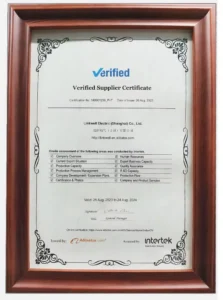

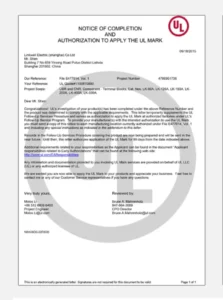
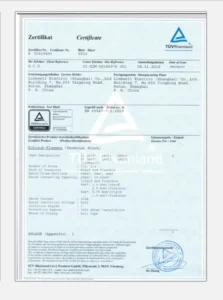
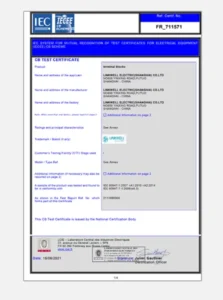
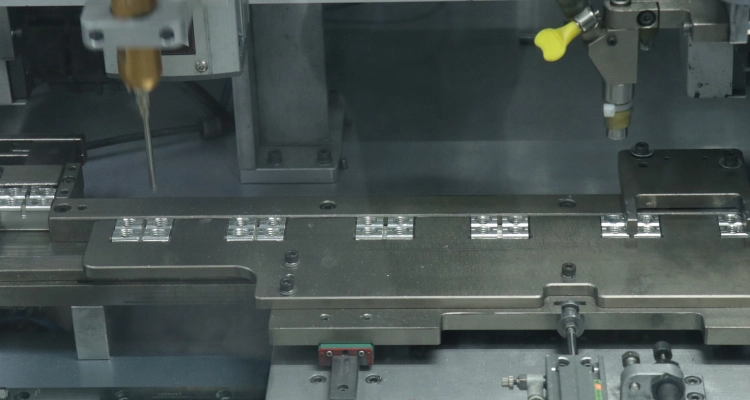
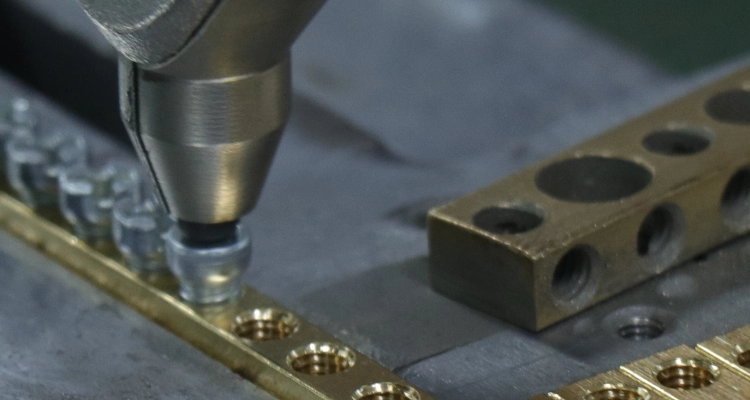
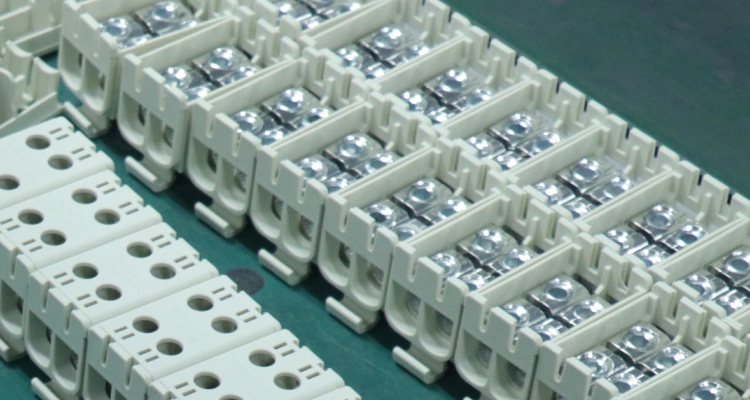
Linkwell Factory
FAQ of Din Rail Mount Terminal Block
What is a DIN Rail Mount Terminal Block?
A DIN Rail Mount Terminal Block is an electrical connector designed to snap onto a standard DIN rail inside control panels. It provides organized, secure wiring connections for power or signal circuits, simplifying installation, troubleshooting, and maintenance in industrial electrical systems.
What are the advantages of using DIN Rail Mount Terminal Blocks?
DIN Rail Mount Terminal Blocks improve wiring organization, reduce installation time, and allow modular expansion of electrical circuits. Their standardized mounting system makes it easy to add or replace components without redesigning the entire control panel layout.
What types of DIN Rail Mount Terminal Blocks are available?
Common types include screw terminal blocks, spring clamp terminal blocks, push-in terminal blocks, and distribution terminal blocks. Each type offers different connection methods suited for various wiring requirements, installation speeds, and maintenance preferences.
How do DIN Rail Mount Terminal Blocks improve electrical safety?
They provide insulated connection points that prevent accidental contact with live wires. Clear labeling areas and organized wiring paths also reduce wiring errors, helping technicians maintain safer and more reliable electrical installations.
How do you choose the right DIN Rail Mount Terminal Block?
Selection depends on current rating, wire size, connection method, and application environment. You should also consider voltage requirements, mounting compatibility, and whether additional accessories such as jumpers, markers, or end stops are needed.