
Custom Din Rail Terminal Blocks Manufacturer in China
Din Rail Terminal Blocks provide reliable, space-efficient wiring solutions for industrial control panels, enabling safe connections, simplified installation, and long-term electrical stability across automation, power distribution, and control systems.
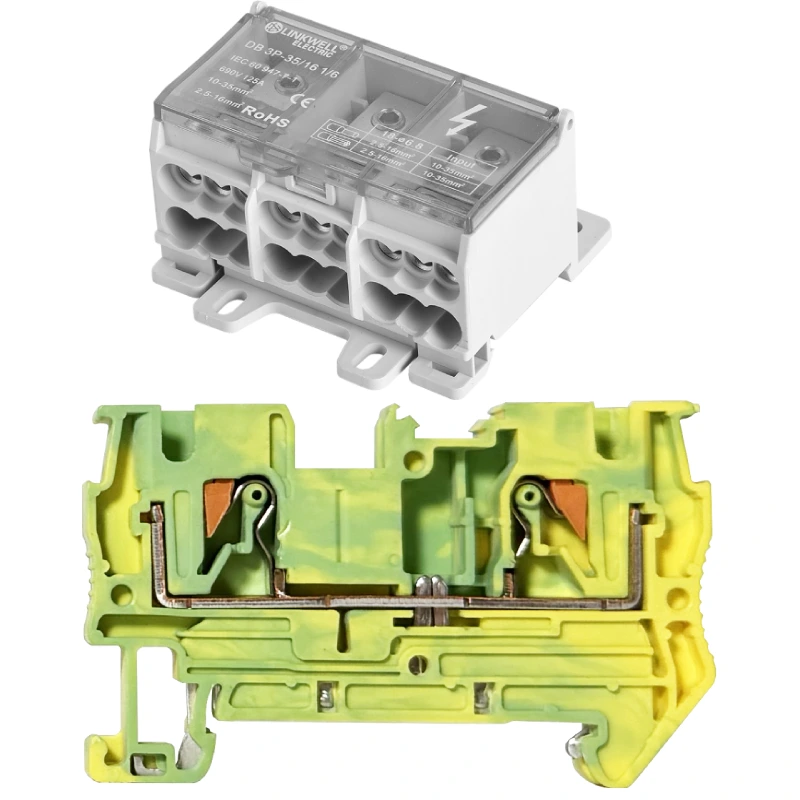
Din Rail Terminal Block Types
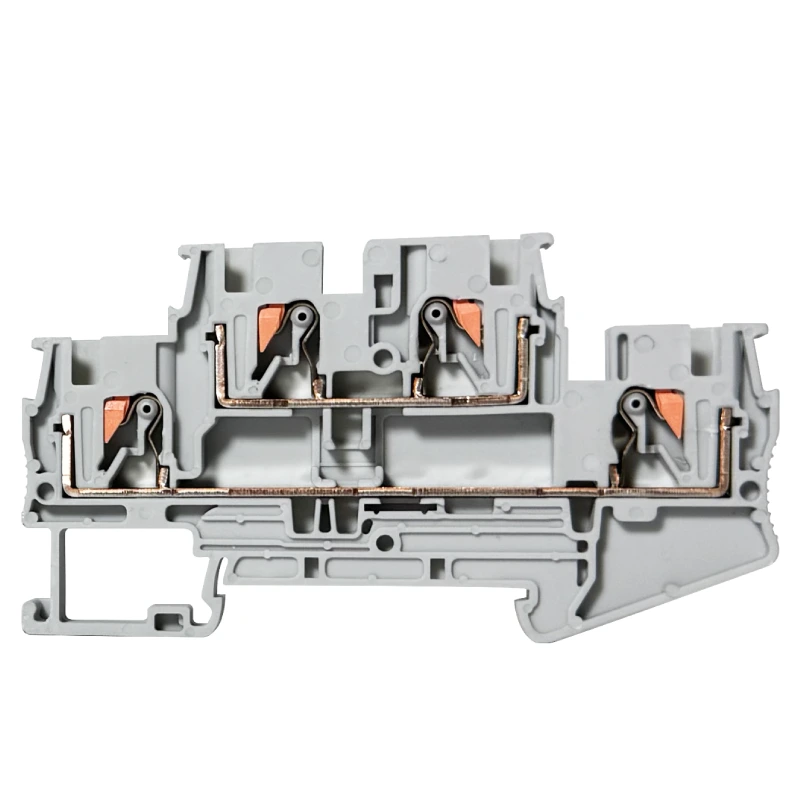
din rail terminal block double
Double-level DIN rail terminal blocks maximize wiring density by stacking circuits vertically, reducing cabinet space while improving organization. They are ideal for complex control panels requiring high connection counts without compromising accessibility or safety.
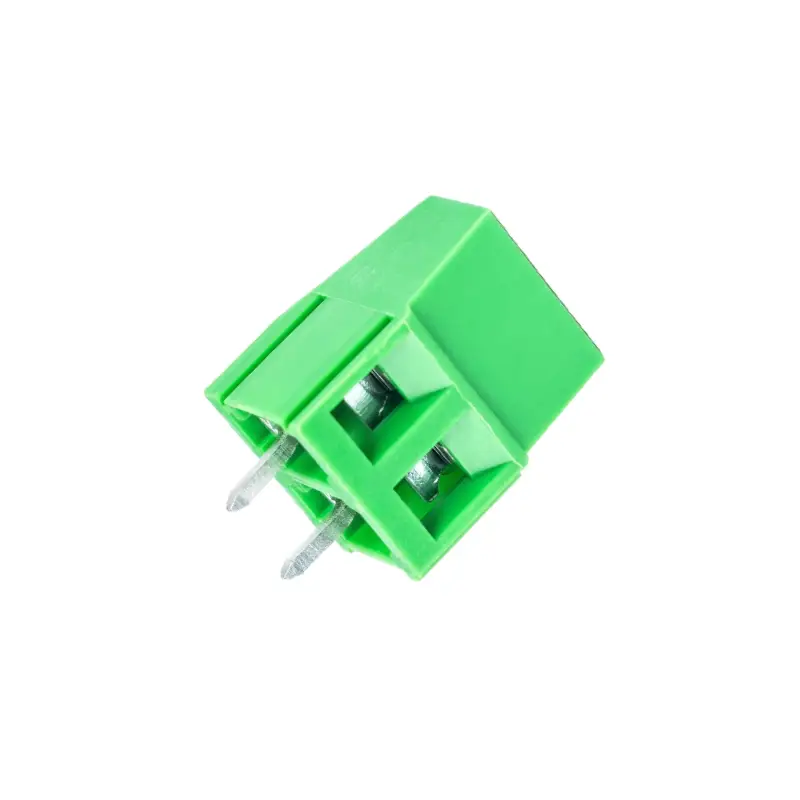
mini din rail terminal blocks
Mini DIN rail terminal blocks are designed for compact enclosures where space is limited. Linkwell manufactures precision mini blocks that maintain strong clamping force, stable conductivity, and easy installation for automation and electronic control applications.
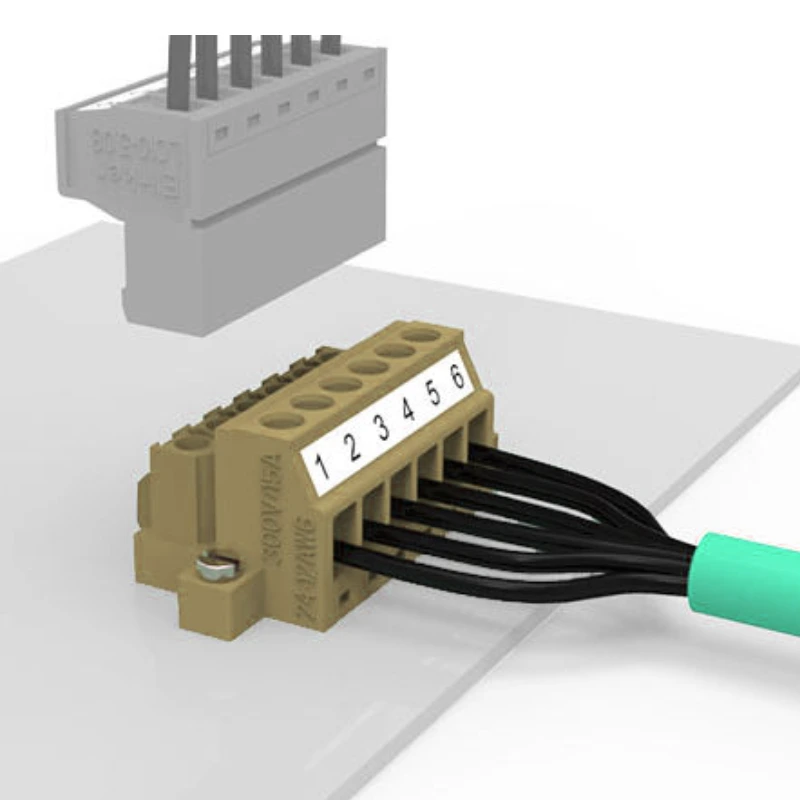
push in din rail terminal blocks
Push-in DIN rail terminal blocks allow tool-free wiring, speeding up installation and reducing labor costs. Linkwell push-in designs ensure consistent contact pressure, vibration resistance, and long-term reliability in high-demand industrial environments.
screwless din rail terminal blocks
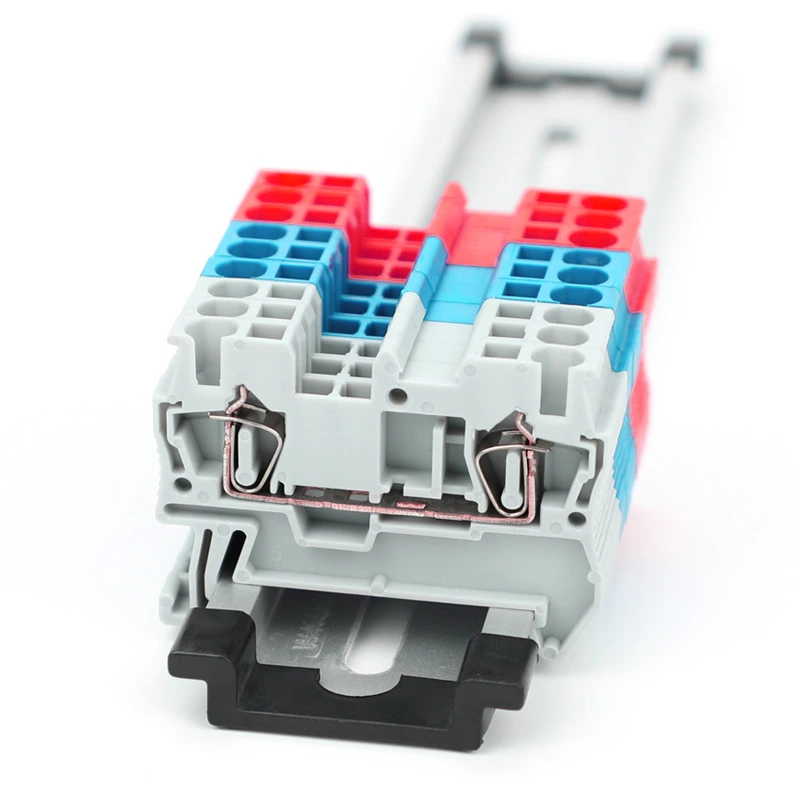
Screwless DIN rail terminal blocks eliminate torque errors and maintenance issues associated with traditional screws. Their spring-based connections deliver fast wiring, stable performance, and reduced downtime in modern industrial and automation systems.
spring clamp din rail terminal block
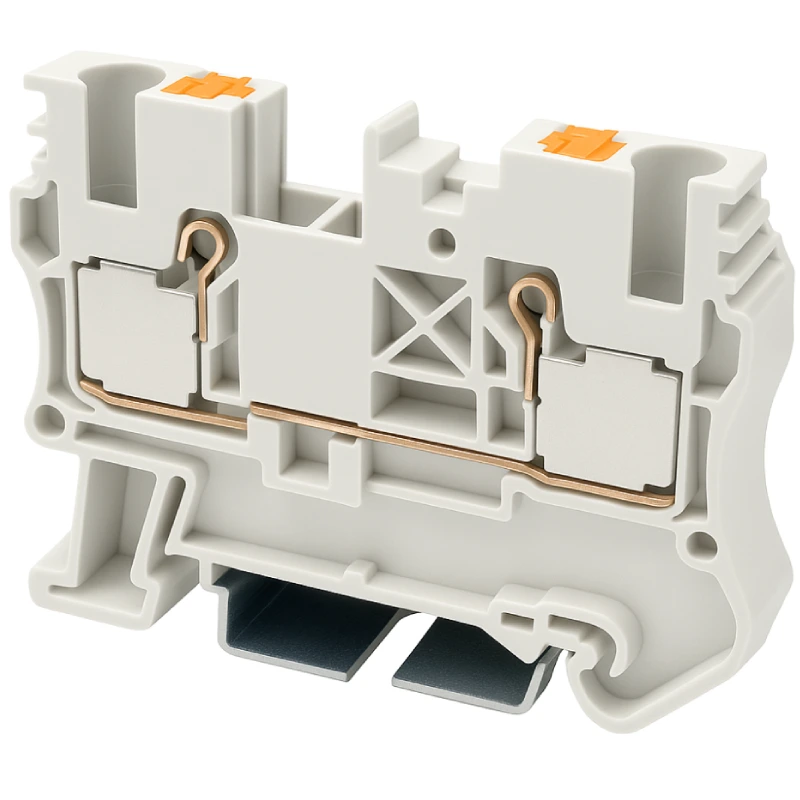
Spring clamp DIN rail terminal blocks provide secure, vibration-resistant connections using constant spring pressure. Linkwell spring clamp solutions are engineered for durability, making them suitable for machinery, transportation, and harsh industrial conditions.
Electrical Function Din Rail Terminal Block Types

din rail ground terminal block
DIN rail ground terminal blocks ensure safe and reliable grounding by creating a low-resistance connection to the rail. They are essential for electrical safety, fault protection, and compliance in industrial control and power distribution cabinets.
din rail fuse terminal block
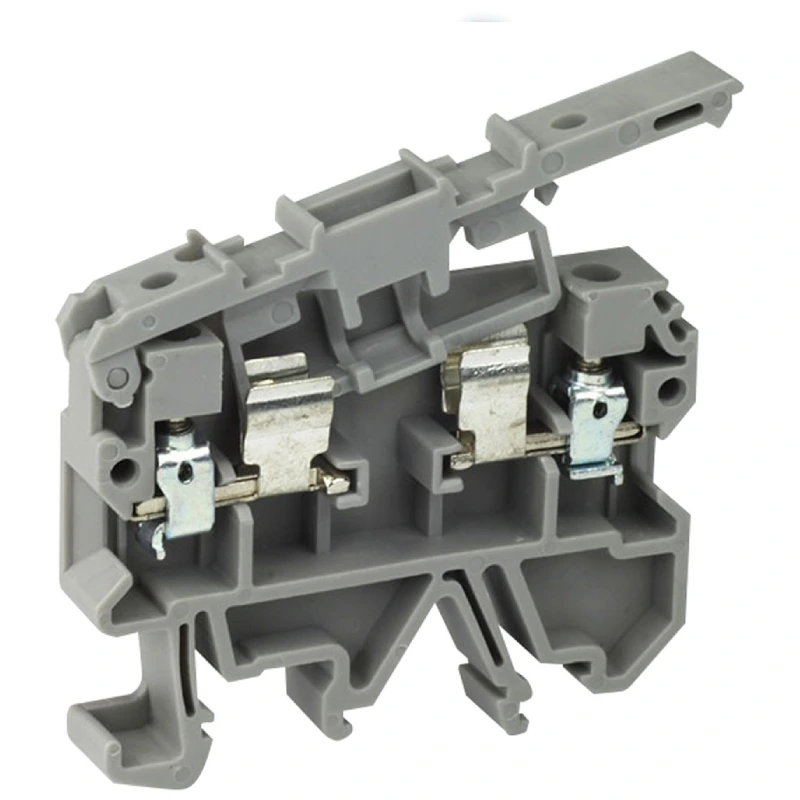
DIN rail fuse terminal blocks integrate circuit protection directly into the wiring system. They simplify troubleshooting, improve safety, and protect sensitive equipment from overloads and short circuits in industrial electrical installations.
din rail power distribution terminal blocks
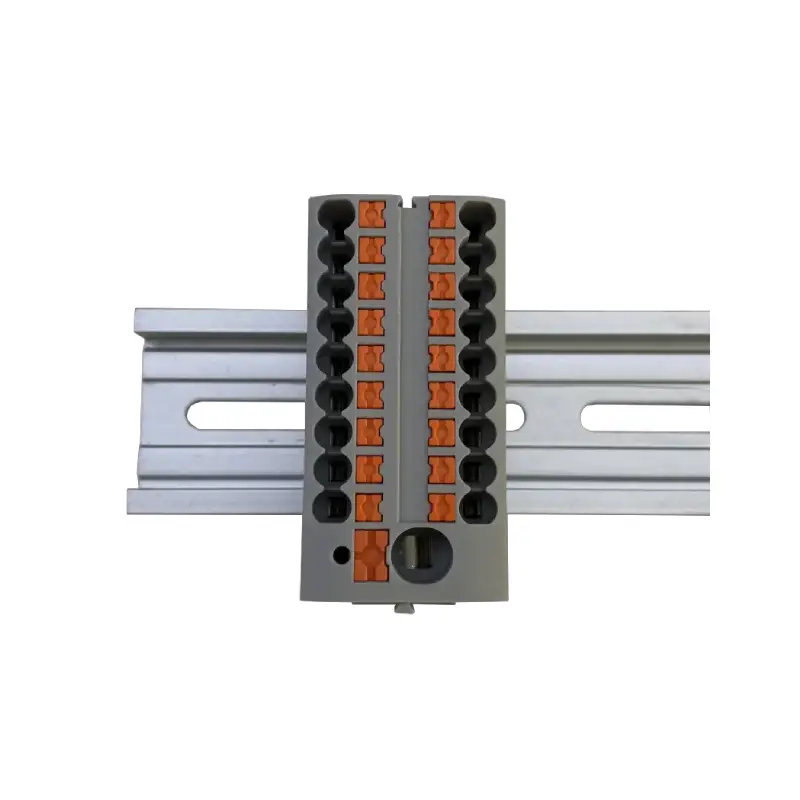
DIN rail power distribution terminal blocks efficiently split and manage high-current connections. They reduce wiring complexity, enhance safety, and provide clean, organized power routing for control panels, automation systems, and industrial power applications.
Din Rail Terminal Block Size, Rating & Specification
| Width (mm) | Wire Range (mm²) | Rated Current (A) | Rated Voltage (V) | Typical Applications |
|---|---|---|---|---|
| 3.5 | 0.2 – 1.5 | 10 – 15 | 300 – 500 | Signal wiring, control circuits |
| 5.2 | 0.5 – 2.5 | 20 – 24 | 600 | Automation and control panels |
| 6.2 | 0.75 – 4 | 32 | 600 – 800 | Industrial control cabinets |
| 8.2 | 1.5 – 6 | 41 | 800 | Power distribution circuits |
| 10 | 2.5 – 10 | 57 | 800 – 1000 | High-current power wiring |
| 12 | 4 – 16 | 76 | 1000 | Main power connections |
| 15 | 10 – 25 | 100 | 1000 | Heavy-duty industrial equipment |

What are the Benefits of Din Rail Terminal Block ?
Simplify wiring layouts, improve panel organization, and reduce installation time in industrial control systems.
Enhance electrical safety with secure connections, clear labeling, and standardized mounting across applications.
Support easy expansion and maintenance, allowing fast modifications without redesigning entire control panels.
FAQ of Din Rail Terminal Block
Why are DIN rail terminal blocks widely used in control panels?
They are popular because they save space, keep wiring neat, and meet international standards. Installers can quickly mount or replace blocks without special tools. This reduces labor time, lowers error rates, and makes future maintenance or system upgrades much easier and safer.
What types of DIN rail terminal blocks are available?
Common types include feed-through, ground, fuse, double-level, power distribution, and signal terminal blocks. Each type serves a specific function, such as grounding, circuit protection, or high-current distribution, allowing engineers to design efficient and well-organized electrical systems.
Are DIN rail terminal blocks suitable for high-current applications?
Yes, certain DIN rail terminal blocks are specifically designed for high-current loads. These blocks use larger conductors, stronger clamping mechanisms, and heat-resistant materials to ensure stable performance, safe power distribution, and long-term reliability in demanding industrial environments.
How do DIN rail terminal blocks improve maintenance efficiency?
They allow technicians to identify, isolate, and replace circuits quickly. Clear labeling, modular design, and easy access reduce troubleshooting time. This minimizes downtime, lowers maintenance costs, and helps keep industrial equipment running smoothly during daily operations.
What standards do DIN rail terminal blocks comply with?
Most DIN rail terminal blocks comply with IEC, EN, UL, and RoHS standards. These certifications ensure electrical safety, mechanical strength, and environmental compliance, making them suitable for global markets and regulated industries such as automation, energy, and telecommunications.