The creation of a dry type transformer is a meticulous process involving several key stages, transforming raw materials into reliable power distribution components. Unlike their oil-filled counterparts, dry type transformers rely on air or gas for cooling, influencing their unique manufacturing requirements. This blog delves into the intricate steps involved in producing these essential electrical devices, from core assembly to final testing.
Understanding the dry type transformer manufacturing process provides valuable insight into the quality and performance of these critical units. Each stage, from winding the coils to impregnating the insulation, demands precision and adherence to stringent standards. Exploring these steps reveals the engineering expertise behind these safe and environmentally sound power solutions.
What are Dry Type Transformers

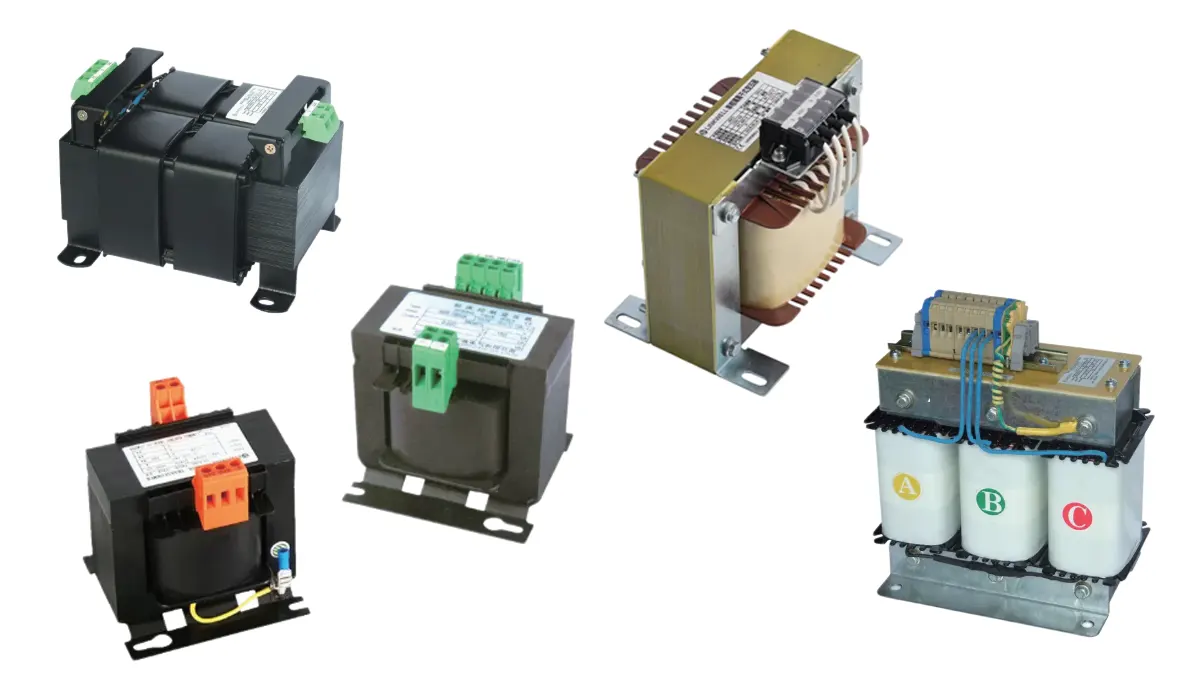
Dry type transformers are electrical transformers that use air or gas instead of liquid for cooling. This design eliminates the risk of oil leaks and reduces flammability, making them safer for indoor use and environmentally friendly. They rely on solid insulation materials and natural or forced air circulation to dissipate heat generated during operation.
Dry Type Transformer Manufacturing Process
The dry type transformer manufacturing process is a sophisticated sequence of meticulously controlled steps, each vital in producing reliable and efficient power distribution units without the use of liquid coolants. From the initial selection of raw materials to the final rigorous testing, every stage is crucial in ensuring the transformer’s performance, safety, and longevity.
Here’s a detailed explanation of the dry type transformer manufacturing process:
Step 1: Material Preparation
The initial phase of the dry type transformer manufacturing process involves meticulous material preparation. This primarily focuses on the selection and thorough inspection of the Cold Rolled Grain Oriented (CRGO) silicon steel, which forms the core of the transformer. The quality of this steel is paramount as it directly impacts the transformer’s efficiency and performance characteristics, such as core losses and magnetizing current.
During inspection, the CRGO silicon steel laminations are checked for their dimensions, surface finish, and magnetic properties to ensure they meet the required specifications. Any deviations or imperfections can compromise the transformer’s overall efficiency and lifespan. Proper material preparation sets the foundation for a high-quality and reliable dry type transformer.
Step 2: Core Stacking
Following material preparation, the process moves to core stacking. This involves precisely cutting the inspected silicon steel into specific shapes and sizes according to the transformer’s design. Accuracy in cutting is crucial for minimizing air gaps in the assembled core, which can lead to increased losses and noise during operation.
Once cut, the silicon steel laminations are carefully stacked together using a technique called step-lap stacking. This method involves overlapping the laminations in a specific pattern to further reduce air gaps at the joints. The tightly stacked core provides a low-reluctance path for the magnetic flux, enhancing the transformer’s efficiency and overall performance.
Step 3: Coil Winding
The next critical step is coil winding, where both the high-voltage (HV) and low-voltage (LV) windings are created. This process is typically performed using numerically controlled (NC) winding machines, which ensure a high degree of accuracy in the number of turns, the tension of the wire, and the layering of the windings. Precision in winding is essential for achieving the desired voltage ratio and minimizing losses within the coils.
The conductors used for the windings are typically made of copper or aluminum and are insulated to prevent short circuits between turns. The design of the windings, including the number of turns and the wire gauge, is determined by the transformer’s voltage and current ratings. Consistent and accurate coil winding is vital for the transformer’s efficient and reliable operation.
Step 4: Pre-Assembly
With the core stacked and the coils wound, the pre-assembly stage involves the mechanical integration of these components. The wound coils are carefully positioned and mounted onto the transformer core. Mechanical clamping mechanisms are employed to securely hold the coils in place and ensure the structural integrity of the assembly during subsequent processes and operation.
During pre-assembly, electrical leads are connected to the windings, and meticulous alignment checks are performed to ensure proper positioning of the coils relative to the core and to each other. Correct alignment is crucial for achieving the designed magnetic coupling and preventing potential mechanical stresses or electrical faults.
Step 5: Vacuum Pressure Impregnation (VPI)
Vacuum Pressure Impregnation (VPI) is a critical step in the manufacturing of dry type transformers, particularly for enhancing their insulation properties, mechanical strength, and heat dissipation capabilities. The pre-assembled core and coil are placed in a vacuum chamber to remove air and moisture from the windings and insulation materials.
Following the vacuum phase, the assembly is immersed in a resin, typically epoxy or polyester, under pressure. This forces the resin to penetrate deeply into the windings and the insulation, filling any voids and creating a solid, homogeneous insulation system. The VPI process significantly improves the transformer’s resistance to moisture, dust, and other environmental contaminants, as well as its ability to withstand electrical stresses.
Step 6: Curing and Cooling
After the vacuum pressure impregnation process, the resin-impregnated core and coil assembly undergoes a curing cycle in a controlled oven. The specific temperature and duration of the curing process are determined by the type of resin used and the transformer’s design specifications. Curing hardens the resin, creating a robust and durable insulation structure that firmly binds the windings and the core together.
Controlled cooling of the assembly after curing is equally important to prevent thermal stresses and ensure the integrity of the hardened resin. A gradual and uniform cooling process helps maintain the mechanical and electrical properties achieved through the VPI and curing stages, contributing to the long-term reliability of the transformer.
Step 7: Final Assembly
The final assembly stage involves integrating all the remaining components to complete the dry type transformer. This includes the installation of cooling ducts, which facilitate air circulation and heat dissipation within the transformer. For higher-rated transformers, fans may also be installed to provide forced air cooling.
Temperature sensors are strategically placed to monitor the transformer’s operating temperature, and terminal boxes are fitted to provide secure and convenient points for electrical connections. Finally, a protective enclosure is installed to safeguard the internal components from environmental factors and provide mechanical protection.
Step 8: Testing & Quality Control
Testing and quality control are integral to the dry type transformer manufacturing process, ensuring that each unit meets the required performance and safety standards. Every transformer undergoes a series of rigorous tests, including measurements of voltage ratio, insulation resistance, no-load losses, full-load losses, and temperature rise.
Data logging is performed for 100% of the manufactured units, providing a comprehensive record of the test results for quality assurance and traceability. Any transformer that fails to meet the specified criteria is identified and addressed to ensure only high-quality and reliable units are shipped.
Step 9: Labeling & Packing
The final steps in the manufacturing process involve labeling and packing the completed dry type transformer. A nameplate containing essential information such as the transformer’s rating, voltage, frequency, and manufacturing details is securely attached to the unit. A quality control (QC) seal is also applied to indicate that the transformer has successfully passed all required tests.
Finally, the transformer is carefully packed using appropriate materials and methods to ensure its safe transportation and delivery to the customer. Proper packing protects the transformer from physical damage and environmental factors during transit, ensuring it arrives in optimal condition for installation and operation.
Why Dry Type Transformer Manufacturing Matters
The meticulous dry type transformer manufacturing process is crucial for ensuring the reliable and safe distribution of electrical power across diverse applications. Unlike liquid-filled counterparts, dry type transformers offer significant advantages, making their precise manufacturing paramount for:
- Enhanced Safety: Eliminating flammable coolants reduces fire hazards, essential in densely populated or sensitive environments.
- Environmental Protection: The absence of oil prevents potential soil and water contamination, aligning with sustainability goals.
- Reduced Maintenance: Without the need for oil level checks or replacements, operational costs and downtime are minimized.
- Indoor Applications: Their safe operation allows for installation closer to the load, optimizing power distribution within buildings.
- Specialized Needs: They cater to specific requirements in industries like healthcare, data centers, and renewable energy.
How to Choose the Best Dry Type Transformers
Selecting the optimal dry type transformer involves careful consideration of several key factors to ensure it meets your specific power distribution needs efficiently and safely. Evaluate your load requirements, including the apparent power (kVA) and voltage transformation ratio.
Assess the environmental conditions where the transformer will be installed, considering factors like temperature, humidity, and potential contaminants. Finally, prioritize safety features, energy efficiency ratings, and compliance with relevant industry standards and certifications.
- kVA Rating: Match the transformer’s capacity to your load demands, allowing for future growth.
- Voltage Ratio: Ensure the primary and secondary voltages align with your power source and equipment requirements.
- Insulation Class: Choose an appropriate insulation class based on the operating temperature and environmental conditions.
- Enclosure Type: Select an enclosure that provides adequate protection against dust, moisture, and other environmental factors.
- Efficiency: Opt for high-efficiency transformers to minimize energy losses and reduce operating costs.
- Sound Level: Consider noise restrictions in the installation environment and choose a transformer with an acceptable sound level.
- Standards and Certifications: Verify compliance with relevant national and international standards (e.g., IEC, ANSI).
- Manufacturer Reputation and Warranty: Select a reputable manufacturer offering a comprehensive warranty and reliable after-sales support.
Conclusion
The dry type transformer manufacturing process involves meticulous steps from core preparation to final testing, ensuring the production of safe and reliable power distribution units. Each stage, including winding, insulation, assembly, and impregnation, demands precision and adherence to stringent quality standards. The expertise of dry type transformer manufacturers is crucial in delivering efficient and durable products.
For businesses seeking wholesale transformers, understanding this intricate manufacturing process underscores the importance of sourcing from reputable suppliers. Linkwell Electrics presents itself as a potential avenue for acquiring wholesale transformers, emphasizing the need for quality and reliability in power infrastructure components.
Ultimately, the detailed manufacturing of dry type transformers reflects the commitment of the industry to providing secure and environmentally sound power solutions. Partnering with dependable transformer manufacturers and suppliers like Linkwell Electrics is key to obtaining transformers that meet specific operational requirements and contribute to a robust power network.