Ever wondered why your AC sometimes blows warm air or makes strange noises? You might confuse the evaporator fan vs condenser fan, but they do very different jobs. The evaporator fan moves air inside your home, while the condenser fan pushes heat outside. If you know these differences, you can spot problems faster and keep your system running better. Check out this quick table to see how understanding each fan helps with troubleshooting:
| Aspect | Evaporator Fan | Condenser Fan |
|---|---|---|
| Function | Circulates indoor air over coils | Expels heat outdoors |
| Location | Indoor unit, near air handler | Outdoor HVAC unit |
| Maintenance Needs | Prevent freezing and dust buildup | Remove leaves and dirt |
Key Takeaways
- The evaporator fan circulates indoor air over coils to cool your home, while the condenser fan expels heat outdoors.
- Regular maintenance of both fans is crucial. Clean filters and clear debris help ensure efficient operation.
- Listen for strange noises and check airflow. These signs can indicate problems with either fan.
- Understanding the roles of each fan helps you troubleshoot issues faster and maintain comfort in your home.
- Both fans work together in a cycle. If one fails, the entire cooling system struggles to keep your home comfortable.
Evaporator Fan vs Condenser Fan Overview
Location
When you look at your air conditioning system, you’ll notice that the evaporator fan and condenser fan sit in very different spots. The evaporator fan lives inside your home, usually tucked away near the air handler or furnace. You might not see it, but you’ll feel its work every time cool air flows through your vents. The condenser fan, on the other hand, sits outside in the big metal box that hums away during summer. It faces the elements, working hard to push heat out of your house.
Here’s a quick look at how these fans are set up in different units:
| Type of Unit | Fan Configuration | Coil Position |
|---|---|---|
| Residential | Blow-thru | Coil on top of fan |
| Commercial | Draw-thru | Fan after the coil |
You’ll find that most homes use the blow-thru setup, where the evaporator coil sits right above the fan. In commercial buildings, the draw-thru design puts the fan after the coil. The condenser fan always stays outside, right next to the condenser coil.
Main Function
So, what does each fan actually do? The evaporator fan vs condenser fan debate comes down to their main function in the cooling process. The evaporator fan pulls warm air from inside your house and pushes it over the evaporator coil. Here, the refrigerant grabs the heat, cooling the air before sending it back into your rooms. You get that refreshing blast of cool air thanks to this process.
The condenser fan works outside, blowing air over the condenser coil. This helps the refrigerant release all the heat it picked up indoors. The hot air gets pushed out into the atmosphere, so your home stays comfortable. Both fans play a huge role in keeping your air conditioning system running smoothly. Without them, you’d lose efficiency and comfort fast.
Tip: If you ever hear strange noises or notice weak airflow, check both fans. They’re the heart of your cooling system!
Evaporator Fan Function
How It Works
You might wonder what happens inside your AC when you turn it on. The evaporator fan starts working right away. This fan sits close to the evaporator coils. Its main function is to pull warm air from your room and push it through the evaporator coils. As the air moves over these coils, the refrigerant inside grabs the heat and cools the air. The evaporator fan motor keeps this process going, making sure air flows smoothly across the evaporator coils. You get cool air in every corner of your home because the fan distributes it evenly.
If your AC feels weak or you notice uneven cooling, the evaporator fan could be struggling to do its job. A healthy fan means better airflow and more comfort.
The function of the evaporator fan is not just about cooling. It also helps remove heat from the air, which is essential for both the freezer and refrigerator compartments in some systems. When the evaporator fan works well, the evaporator coils stay cold and ready to absorb more heat. You can count on this fan to keep your system running efficiently.
Impact on Indoor Comfort
The evaporator fan does more than just cool your space. Its function directly affects how comfortable you feel indoors. When the fan circulates air over the evaporator coils, it sends cooled and dehumidified air throughout your home. This process lowers humidity and keeps the temperature steady.
You’ll notice the difference in air quality, too. The air conditioning system uses filters to catch dust, pollen, and allergens as air passes through the evaporator coils. High-efficiency filters can trap up to 99.97% of particles, so you breathe cleaner air. Regular filter maintenance helps the evaporator fan function at its best.
Here’s how the evaporator fan improves your comfort:
- It reduces allergens in the air, so you breathe easier.
- It keeps humidity levels consistent, which stops mold from growing.
- It creates a stable indoor climate, making your home feel just right.
- The evaporator fan keeps air moving, so every room gets the benefit of cooled air.
- Clean evaporator coils and a strong fan mean your AC works better and lasts longer.
Tip: Change your filters often and listen for any strange noises from the evaporator fan. These simple steps help you enjoy better comfort and air quality.
Condenser Fan Function
How It Works
When you step outside and hear your air conditioner humming, you’re listening to the condenser fan in action. This fan sits right above the condenser coils in the outdoor unit. Its main function is to pull air through the condenser coils. As the refrigerant flows through these coils, it carries heat from inside your home. The condenser fan blows air over the coils, which helps release that heat into the outside air.
You can picture the condenser as a heat highway. The refrigerant travels through the condenser coils, and the fan pushes air across them. This process cools the refrigerant down so it can return inside and grab more heat. If the condenser fan stops working, the condenser coils get too hot. Your air conditioner can’t remove heat, and your home feels warmer.
Tip: If you notice your outdoor unit running but not cooling, check the condenser fan. It might be blocked by leaves or debris.
Role in Cooling Efficiency
The condenser fan plays a huge role in how well your air conditioner works. When the fan runs smoothly, the condenser coils stay cool and ready to handle more heat. You get better cooling and lower energy bills.
Here’s how the condenser fan boosts efficiency:
- It expels heat absorbed from indoor air to the outside environment.
- The condenser coils cool down quickly, so the refrigerant can keep removing heat.
- Efficient fan function means less energy wasted and more comfort for you.
Some modern systems use ECM motors for the condenser fan. These motors adjust their speed based on how much cooling you need. You save energy because the fan only uses the electricity it needs.
- ECM motors change speed to match cooling requirements.
- They use just enough power for the job.
- You see big energy savings over time.
If you keep the condenser coils clean and the fan working well, your air conditioner runs at peak performance. You enjoy cool air, lower bills, and fewer breakdowns.
Evaporator Fan vs Condenser Fan: Comparison
Operation Differences
When you look at the evaporator fan vs condenser fan, you’ll notice they work in very different ways. The evaporator fan sits inside your home, usually near the air handler. Its job is to pull warm air from your rooms and push it over the evaporator coils. The refrigerant inside these coils absorbs the heat, and the fan sends cool air back into your living space. You feel the difference right away when the evaporator fan works well.
The condenser fan, on the other hand, lives outside in the condenser unit. This fan pulls air through the condenser coils. The refrigerant, now carrying heat from inside your home, moves through these coils. The condenser fan blows air over them, helping the refrigerant release heat into the outdoor air. Without this process, your air conditioning system would not cool your home.
Let’s break down the main operation differences:
- The evaporator fan moves indoor air across cold coils to absorb heat.
- The condenser fan moves outdoor air across hot coils to release heat.
- The evaporator fan works in a closed, indoor environment.
- The condenser fan faces outdoor weather, dirt, and debris.
You can see how each fan has a unique job. The evaporator fan keeps your home comfortable, while the condenser fan makes sure the heat leaves your house.
Technological Advancements
In recent years, both fans have seen big improvements. You now find smart fans that you can control remotely. Some fans adjust their speed based on how much cooling you need. New motors use less energy and run quieter. Manufacturers use advanced materials like plastics and composites to make fans lighter and more efficient. These changes help both the evaporator and condenser fans last longer and work better.
- Smart fans let you set speeds and schedules from your phone.
- Energy-efficient motors save you money on your electric bill.
- Variable speed technology gives you precise airflow control.
- New materials reduce noise and improve performance.
Performance Impact
The evaporator fan vs condenser fan debate matters because each fan affects your comfort and your system’s efficiency in different ways. The evaporator fan controls how much cool air reaches your rooms. If it slows down or stops, you’ll notice weak airflow, uneven temperatures, or even ice on the coils. The condenser fan, meanwhile, decides how quickly your system can get rid of heat. If it fails, the condenser coils overheat, and your air conditioning system can’t keep up.
Here’s a quick table showing how climate and environmental factors affect both fans:
| Factor | Impact on Performance |
|---|---|
| Ambient Temperature | Changes how well the condenser releases heat and how the evaporator absorbs it. |
| Humidity | Affects how efficiently the evaporator removes moisture and how the condenser handles heat. |
| Snow/Ice Presence | Can block the condenser fan or affect ground temperature, lowering efficiency. |
| Soil Temperature Variations | Important for systems with ground source heat pumps, changing how both fans perform in cold climates. |
You might notice that the condenser fan faces more challenges from the weather. Leaves, dirt, and even snow can block airflow. The evaporator fan, while protected indoors, still needs regular cleaning to avoid dust buildup.
Airflow, Heat Transfer, and Maintenance
- The evaporator fan pushes air over cold coils, helping the refrigerant absorb heat from your home.
- The condenser fan blows air over hot coils, letting the refrigerant release heat outside.
- The evaporator fan needs clean filters and dust-free coils to work well.
- The condenser fan needs clear space around the outdoor unit and regular checks for debris.
Tip: If you want your air conditioning system to last, check both fans often. Clean around the condenser and replace indoor filters. Listen for strange noises or weak airflow. These signs can help you catch problems early.
The evaporator fan vs condenser fan comparison shows that both are vital. Each one plays a different role, but together they keep your home cool and comfortable.
Common Issues & Maintenance
Evaporator Fan Problems
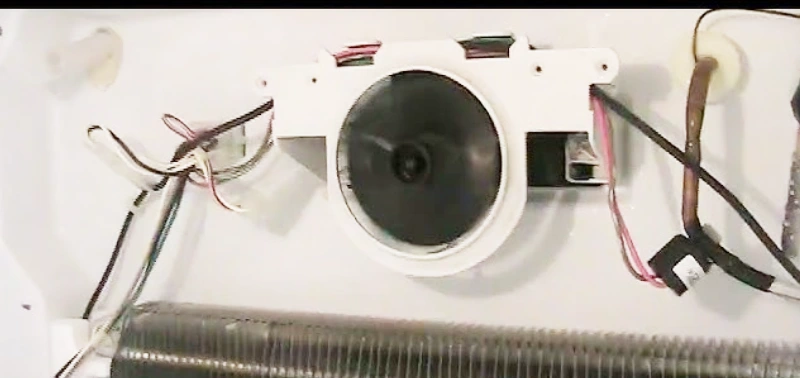
You might notice your air conditioning system isn’t keeping you cool, even when it’s running. Many times, the evaporator fan causes these issues. Here are some of the most common problems you could face:
- Frozen evaporator coils often happen when airflow gets restricted. This can result from dirty filters, closed vents, or even a malfunctioning blower fan.
- Airflow problems pop up if you have contaminated or ill-fitting air filters, blocked return grills, or defective ductwork.
- Refrigerant leaks can lower cooling efficiency and make your evaporator work harder.
- Dirty evaporator coils lead to inadequate cooling and can cause the unit to work overtime.
- If coils freeze, your HVAC unit may struggle or even stop working.
Tip: If you hear strange noises or feel weak airflow, check your filters and vents first. Sometimes, a quick filter change can solve the problem.
To keep your evaporator fan in top shape, regular maintenance is key. Here’s a quick table to help you remember what to check:
| Maintenance Step | Description |
|---|---|
| Check fan operation | Make sure airflow isn’t blocked and the fan spins freely and quietly. |
| Inspect fan components | Look for worn or damaged blades and replace them if needed. |
| Lubricate motors | Add lubrication to the motor if your system requires it. |
| Inspect electrical parts | Check wiring for damage and secure all connections. |
Experts recommend inspecting your evaporator fan at least once a year. Some suggest quarterly or semi-annual checks for the best results.
Condenser Fan Problems
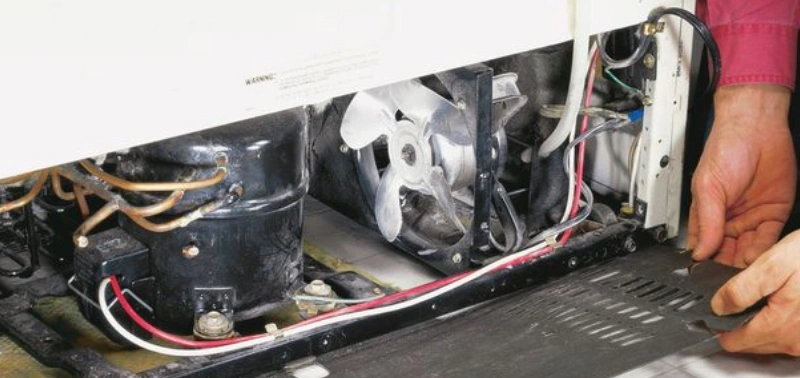
The condenser fan sits outside, so it faces different challenges. If your air conditioning system stops cooling, the condenser could be the culprit. Here are some leading causes of condenser fan trouble:
| Cause | Explanation |
|---|---|
| Loss of power | Check your breaker box and HVAC switches for both indoor and outdoor units. |
| Power-box damage | Repair any electrical connections between your panel and condenser unit. |
| Disabled or damaged motor | If the motor fails, the condenser fan won’t run at all. |
| Capacitor problems | A bad capacitor can stop the condenser fan from spinning. |
| Contactor problems | A worn contactor switch may cut voltage to the condenser fan motor. |
| Burnt out motor | Old motors can fail and stop the condenser fan. |
| Loose or broken belt | Older units may have a belt that, if broken, stops the condenser fan. |
| Blocked air filter | A dirty filter can make the condenser fan strain or shut off. |
| Fan itself | Damaged blades or bearings need professional repair. |
You should inspect your condenser fan at least once a year. If you live in an area with harsh weather, check it twice a year. Regular maintenance helps prevent breakdowns and keeps your condenser running smoothly.
Note: Always clear away leaves and debris from around your condenser. This simple step can save you from bigger problems later.
Importance in HVAC Systems
Working Together
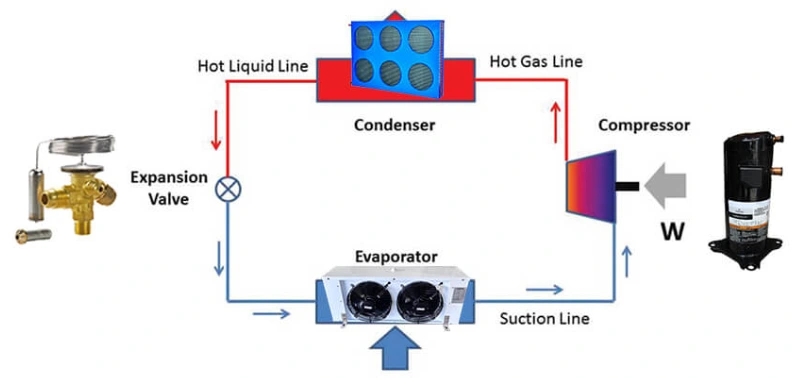
You might not realize it, but the evaporator and condenser fans work as a team to keep your home comfortable. When you turn on your air conditioner, the evaporator fan pulls warm air from your rooms and moves it over the evaporator coil. The refrigerant inside the coil absorbs the heat, and the fan sends the cooled air back into your living space. At the same time, the heated refrigerant gas travels to the condenser unit outside.
The condenser fan then steps in. It blows air through the condenser coil, helping the refrigerant release the heat it picked up indoors. This process transforms the refrigerant back into a liquid, so it can return to the evaporator and start the cycle again. Here’s how the teamwork looks in action:
- The evaporator fan circulates warm indoor air over the evaporator coil.
- The refrigerant absorbs heat, cooling the air.
- The cooled air returns to your home.
- The heated refrigerant gas moves to the condenser unit.
- The condenser fan expels the heat outdoors, turning the refrigerant back into a liquid.
This continuous cycle keeps your indoor temperature steady. If either fan stops working, the whole system struggles. The condenser and evaporator must both do their jobs for efficient cooling.
Signs of Trouble
You can spot problems early if you know what to look for. When the evaporator fan has issues, you might notice weak airflow or not enough cool air coming from your vents. Sometimes, objects block the fan blades, or the motor loses power. These signs mean the evaporator can’t move air properly.
The condenser fan also gives warning signs. If your air feels less cold than usual, or if the system turns on and off quickly (short cycling), the condenser might be in trouble. Unusual noises from the outdoor unit often point to a problem with the condenser fan.
Tip: Listen for odd sounds and check for weak airflow. Catching these signs early can save you money on repairs and keep your system running smoothly.
If you ignore these warning signs, you risk reduced cooling performance, sudden system shutdowns, and higher repair costs. Regular checks help you keep both the evaporator and condenser fans in top shape.
You now know the main differences between evaporator and condenser fans. Check out this quick table:
| Feature | Evaporator Fans | Condenser Fans |
|---|---|---|
| Primary Function | Extracts heat from the air inside | Releases heat to the outdoors |
| Location | Inside the refrigeration unit | Outside the refrigeration unit |
| Role in Refrigeration | Works with evaporator coils to cool air | Works with condenser coils to expel heat |
Regular maintenance keeps your system running longer and helps you avoid expensive repairs. Clean the fan blades, listen for odd noises, and schedule professional inspections. If you want your home to stay comfortable, take a few minutes to check your HVAC fans or call a technician for help.
FAQ
What happens if my evaporator fan stops working?
If your evaporator fan fails, you’ll notice weak airflow and uneven cooling. Your AC might freeze up or blow warm air. You should check the fan and call a technician if you hear strange noises or see ice on the coils.
How often should I clean my condenser fan?
You should clean your condenser fan at least once a year. If you live in a dusty area or have lots of leaves nearby, check it every few months. Keeping the area clear helps your AC run better.
Can I replace a fan motor myself?
You can replace a fan motor if you feel confident with tools and safety steps. Most people call a professional because the job involves electricity and delicate parts. If you’re unsure, get expert help.
Why does my AC make a loud noise outside?
A loud noise from your outdoor unit often means the condenser fan has a problem. You might have debris stuck in the blades, a loose part, or a failing motor. Turn off your system and inspect the fan before calling for repairs.