You might wonder what ip68 waterproof meaning is when you shop for electrical enclosures. This rating shows that the enclosure can handle dust and allows for continuous submersion in water, which is rare in the market. Check out this quick comparison:
| Rating | Key Features | Typical Applications |
|---|---|---|
| IP65 | Dust-tight; protects against water jets | Outdoor lighting, industrial areas |
| IP68 | Dust-tight; survives underwater use | Marine gear, wet factories |
Choosing the right ip68 waterproof rating keeps your equipment safe. Linkwell offers high-quality waterproof enclosures trusted worldwide.
Ip68 Key Takeaways
- IP68 means total protection from dust and the ability to stay underwater for a long time, usually deeper than one meter.
- IP68 enclosures keep equipment safe in harsh, wet, or dusty environments like marine gear, outdoor lighting, and underground boxes.
- Linkwell offers high-quality IP68 enclosures made from strong materials with secure seals and customizable options to fit your needs.
- IP68 differs from IP67 by allowing longer and deeper water immersion, while IP69 protects against high-pressure water jets and steam cleaning.
- Regular inspection and proper maintenance of seals and materials are essential to keep IP68 enclosures working well in real-world conditions.

IP68 Waterproof Meaning
IP68 Rating Explained
When you see the term ip68 waterproof meaning, you might wonder what it really covers. The ip68 rating comes from the International Electrotechnical Commission (IEC) standard IEC 60529. This standard uses two numbers to show how well an enclosure protects against dust and water. The first digit, “6,” stands for the highest level of dust protection. This means you get total dust ingress protection—no dust can get inside at all. The second digit, “8,” means the enclosure can handle being underwater for a long time.
The ip68 waterproof rating is special because it goes beyond just splashes or short dips. It means the enclosure can survive continuous immersion in water, usually deeper than one meter. However, the IEC does not set a fixed depth or time for this rating. Instead, the manufacturer decides the exact test depth and duration. For example, some devices can go as deep as six meters for thirty minutes, while others might have different limits. You should always check the product details to know the exact level of protection.
Tip: The ip68 rating only covers fresh water. It does not guarantee protection against saltwater or chemicals.
Dust and Water Protection
You want your electrical enclosures to keep out both dust and water. The ip68 waterproof meaning gives you peace of mind because it promises total protection against water ingress and dust. The ip68 rating guarantees that no dust particles can enter the enclosure. This is called total dust ingress protection, and it is the highest level you can get for dust.
For water, the ip68 rating means the enclosure can handle being underwater for at least thirty minutes at a depth greater than one meter. The exact depth and time depend on what the manufacturer says. To earn this rating, enclosures go through tough tests:
- The enclosure sits in a chamber filled with fine dust. No dust can get inside.
- The enclosure is then submerged in water, deeper than one meter, for at least thirty minutes. Afterward, experts check to make sure no water got in.
These tests make sure you get the highest level of dust protection and total protection against water ingress. You can trust an ip68 enclosure to keep your equipment safe in harsh environments, whether you face flying dust or heavy rain. The ip68 waterproof rating is your best choice when you need reliable ingress protection for outdoor or industrial use.
IP68 Waterproof Rating for Electrical Enclosures

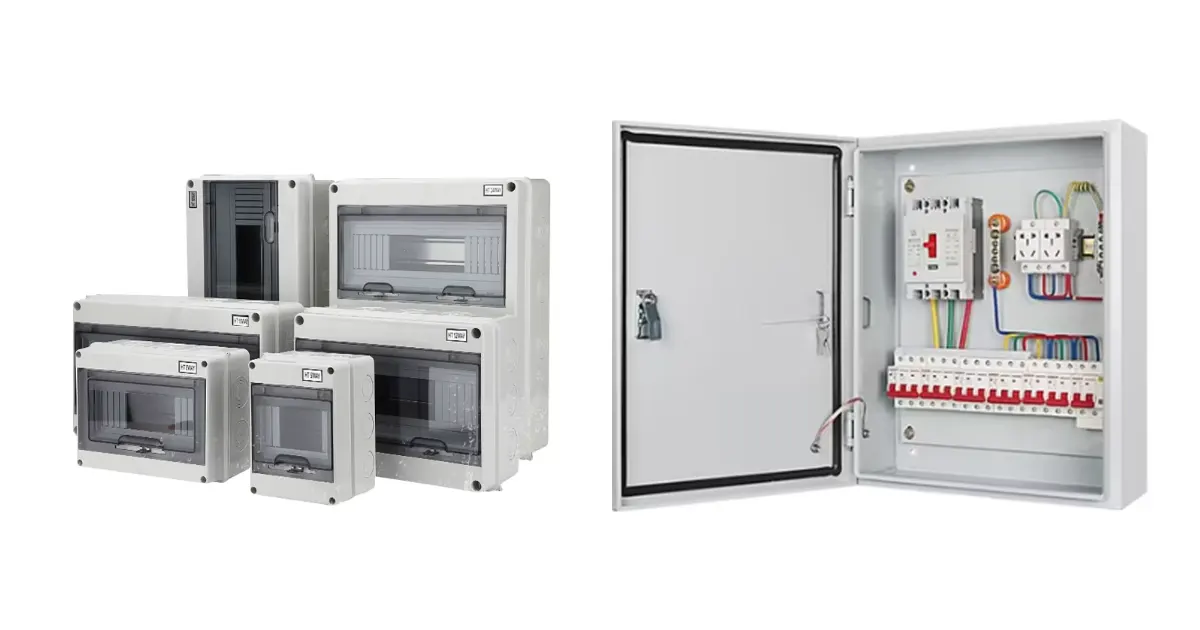
Linkwell Outdoor Enclosure Features
When you look for real-world ip68 protection, you want more than just a label. You want proof that your enclosure can handle tough conditions. Linkwell Outdoor Enclosures give you that confidence. Each enclosure goes through strict testing to meet the IEC 60529 standard. This means the enclosure must pass a dust test in a special chamber and a water immersion test. The enclosure stays underwater, deeper than one meter, for over thirty minutes. After the test, it must work perfectly. Only then does it earn the ip68 rating.
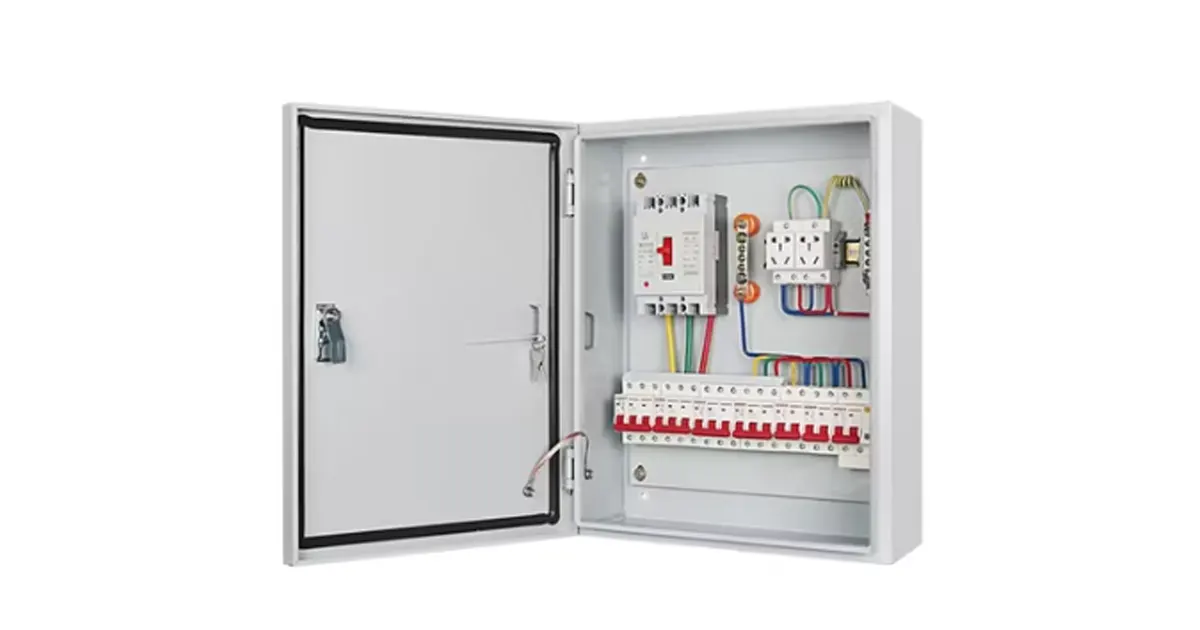
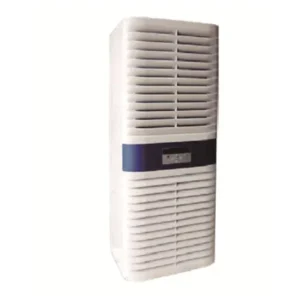
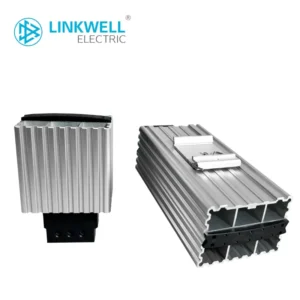
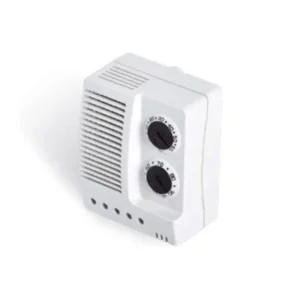
Linkwell uses strong materials to build these enclosures. You can choose from stainless steel, aluminum, or high-quality plastics. These materials resist corrosion, impacts, and harsh weather. The design includes gasket-sealed doors and lids, which keep out dust and water. You also get weatherproof coatings, lockable doors, and tamper-proof screws for extra security. If you need climate control, Linkwell offers options like fans, heaters, and thermostats. Cable entry points use sealed grommets to block moisture. Every detail helps maintain the enclosure’s ip68 waterproof meaning.
You can customize your enclosure to fit your needs. Pick the size, material, and finish. Add pre-installed accessories like DIN rails, vents, or cable glands. Linkwell’s team will help you design the perfect solution for your project. All enclosures come with certifications like UL, CE, and NEMA, so you know you’re getting trusted protection.
Note: Linkwell provides full test reports and certificates for every enclosure. You can always ask for these documents to verify the level of protection.
Here’s a quick look at what makes Linkwell Outdoor Enclosures stand out:
| Feature | Benefit |
|---|---|
| Stainless steel, aluminum, or plastic | Long-lasting, corrosion-resistant |
| Gasket-sealed design | Keeps out dust and water |
| Weatherproof coatings | Withstands rain, UV, and chemicals |
| Lockable, tamper-proof doors | Extra security for your equipment |
| Customizable options | Tailored to your exact needs |
| Certified to UL, CE, NEMA | Meets global safety and quality standards |
IP68 Electrical Enclosures Components
Recommended products
Typical Applications
You might wonder where you actually need this level of protection. The ip68 rating is perfect for places where dust and water are a constant threat. You’ll see these enclosures used in:
- Marine equipment and dockside electronics
- Underground or buried junction boxes
- Outdoor LED lighting that faces rain and storms
- Weather-exposed security cameras
- IoT sensors buried in soil or concrete
These environments demand total dust-tightness and the ability to survive full submersion. For example, if you install a junction box underground, you want to know it will keep working even after heavy rain or flooding. If you manage a coastal telecom tower, you need protection from salt spray, storms, and humidity. Linkwell enclosures have proven their reliability in these tough spots, with real-world feedback showing zero water ingress after severe weather.
Environmental conditions matter a lot. Rain, UV rays, temperature swings, and corrosion all play a role in your enclosure choice. Linkwell’s materials and sealing methods help you handle these challenges. Stainless steel and aluminum resist rust and salt. Polycarbonate and fiberglass stand up to UV and heat. Gaskets and seals keep out moisture, even during long-term immersion.
Tip: Always check the manufacturer’s submersion depth and duration for your specific enclosure. Not all ip68 enclosures are tested to the same limits.
If you need to protect sensitive equipment in harsh, unpredictable environments, an ip68 enclosure from Linkwell gives you peace of mind. You get proven protection, flexible options, and support from a team that understands your needs.
IP68 vs IP67 Waterproof
Key Differences
You might see both IP67 and IP68 ratings when you shop for electrical enclosures. These ratings look similar, but they offer different levels of protection. Let’s break down what sets them apart.
| Aspect | IP67 | IP68 |
|---|---|---|
| Dust Protection | Fully dust-tight, no ingress of solid particles | Fully dust-tight, no ingress of solid particles |
| Water Protection | Temporary immersion up to 1 meter for 30 minutes | Continuous immersion beyond 1 meter, specifics by manufacturer |
| Typical Uses | Food processing, outdoor electronics, automotive | Submersible pumps, marine equipment, industrial |
| Cost | More affordable | Higher cost due to enhanced design |
Both ratings keep out dust completely. The big difference comes with water. IP67 enclosures handle brief dips—up to 1 meter for 30 minutes. IP68 enclosures go further. They survive deeper and longer underwater, but you need to check the manufacturer’s specs for exact limits.
Testing also changes. IP67 uses fixed tests: 1 meter for 30 minutes. IP68 tests depend on what the manufacturer sets, so you get more flexibility for tough jobs.
If you work in a place with only occasional splashes or rain, IP67 might be enough. If your equipment faces floods, deep water, or constant wet conditions, IP68 is the safer bet.
Choosing the Right Rating
Picking between IP67 and IP68 depends on your needs and budget. Here are some things to think about:

- Water Exposure: Will your enclosure face brief splashes or long-term submersion? IP67 works for short dips. IP68 is better for deep or constant water.
- Environment: Is your site dusty, wet, or both? Both ratings block dust, but IP68 handles harsher, wetter spots.
- Activity Type: For swimming pools, marine docks, or flood-prone areas, IP68 is best. For outdoor lighting or control panels, IP67 often does the job.
- Budget: IP67 enclosures cost less. If you don’t need extra protection, you can save money.
- Longevity: IP68 enclosures last longer in extreme conditions. They use stronger seals and materials.
You’ll notice that IP68 enclosures cost more, especially in aluminum or stainless steel. This higher price reflects the extra engineering needed for deeper water protection.
Always check the manufacturer’s details for IP68 enclosures. The depth and time for water protection can change from one product to another.
If you want reliable protection for your equipment, think about where and how you’ll use it. IP67 suits most outdoor jobs. IP68 is your go-to for the toughest, wettest environments. Choose wisely to keep your systems safe and your investment secure.
ip68 vs ip69 Waterproof
You might think IP68 is the top waterproof rating for electrical enclosures, but IP69 takes protection even further. Let’s break down what makes these ratings different and why you might need one over the other.
IP68 enclosures keep your equipment safe during long-term water immersion. You can trust them underwater, usually up to 1.5 meters deep for at least 30 minutes. This rating focuses on stopping water from getting inside when the enclosure is submerged. It’s great for outdoor gear, buried junction boxes, and places where flooding could happen.
IP69 steps up the game. This rating means your enclosure can handle high-pressure, high-temperature water jets. Imagine someone cleaning equipment with a powerful pressure washer or steam cleaner. IP69 enclosures survive these intense sprays without letting water in. You see this rating in places where cleaning is serious business, like food processing plants, hospitals, and factories.
Here’s a quick table to help you compare:
| Rating | Protection Focus | Description |
|---|---|---|
| IP68 | Water Immersion | Designed to protect against extended immersion in water, typically up to 1.5 meters deep, focusing on submersion resistance rather than water jet impact. |
| IP69 | High-Pressure Water Jets | Provides protection against high-pressure, high-temperature water jets, washdowns, and steam cleaning, suitable for environments requiring intense cleaning with forceful water sprays. |
You might wonder where IP69 enclosures are most needed. Check out these industries:
- Food processing, where equipment faces daily steam cleaning and washdowns
- Healthcare, especially for hospital devices that need sterilization
- Automotive, where machinery gets blasted with water during cleaning
- Industrial manufacturing, with harsh cleaning routines and tough environments
If you work in these fields, you need enclosures that can take a beating from water jets and heat. IP68 works well for outdoor and underwater use, but it doesn’t guarantee protection against forceful sprays. IP69 is built for the toughest cleaning jobs.
Tip: Always match your enclosure’s rating to your environment. If you expect pressure washers or steam, go for IP69. If you only need protection from rain or flooding, IP68 is usually enough.
Choosing the right rating keeps your equipment safe and your operations running smoothly. You get peace of mind knowing your enclosure can handle whatever your workplace throws at it.
Practical Limits of IP68
Manufacturer Specifications
You might think an IP68 rating means your enclosure can handle anything, but that’s not always true. Manufacturers set their own limits for how deep and how long an enclosure can handle submersion. Some brands test for 1.2 meters of water for two hours, while others might only guarantee 30 minutes. You’ll also see differences in materials, temperature ranges, and extra features. Here’s a quick look at how specs can vary:
| Brand / Model | Material | IP Rating | Immersion Details | Extra Features |
|---|---|---|---|---|
| SZOMK AK10001-A2 | Plastic | IP68 | Not specified | Transparent lid |
| LAND Stainless Steel | Stainless steel | IP68 | Not specified | Food industry use |
| Bopla Bocube | Polycarbonate | IP66/IP68 | 1.2 m for 2 hours | Industrial, multiple sizes |
| TAKACHI WP Series | ASA plastic | IP67/IP68 | Not specified | UV resistant, outdoor use |
You should always check the manufacturer’s datasheet before trusting an enclosure for permanent submersion. Not all IP68 enclosures are created equal. Some are built for brief dips, while others can handle long-term use underwater.
Real-World Considerations
In the real world, IP68 doesn’t mean “waterproof forever.” Many things can affect how well your enclosure keeps water out. Materials can break down from sunlight or chemicals. Gaskets might lose their shape if you tighten them too much or too little. Thin walls can flex and let water sneak in, even if the enclosure passed its original test.
Here are some common issues you might face:
| Practical Limitation | Description | Impact on IP68 Waterproofing in Real-World Environments |
|---|---|---|
| Material Degradation | Sunlight or harsh chemicals can crack plastics over time. | Cracks let water in, breaking the seal. |
| Improper Gasket Compression | Too much or too little pressure on gaskets. | Water can leak through gaps. |
| Enclosure Wall Flex | Thin walls bend when you tighten screws. | Gaskets don’t seal evenly, so water gets in. |
| Ignoring Condensation | Moisture builds up inside from temperature changes. | Water forms inside, even if the outside stays dry. |
| Poor Cable Management | Unsealed cable holes or cheap grommets. | Direct leak paths for water. |
| Low-Quality Hardware | Weak latches or hinges lose their grip. | The seal fails, and water enters. |
| Pressure and Temperature Effects | Big swings in temperature or pressure. | Seals can pull in water or let condensation form. |
To keep your enclosure safe, follow these tips:
- Inspect gaskets and seals every few months, especially in harsh places.
- Use only high-quality cable glands and connectors.
- Clean seals with mild soap and water—never harsh chemicals.
- Add desiccants like silica gel if you expect lots of humidity.
- Replace any damaged seals right away.
Tip: Always follow Linkwell’s installation and maintenance guidelines. This helps you get the most reliable protection, even during long-term submersion.
IP68 gives you strong protection, but it’s not magic. You need to stay alert to real-world risks and keep up with regular checks. That way, your equipment stays safe, dry, and running smoothly.
Choosing an IP68-rated electrical enclosure means you get top protection against dust and water—even during submersion. Always review the manufacturer’s specs, like submersion depth and material, to match your project’s needs. Here’s what to remember:
- IP68 is best for harsh, wet, or dusty environments.
- Always check for certifications and real test reports.
- Linkwell stands out with reliable quality, strong support, and proven performance.
You can trust Linkwell to keep your equipment safe, wherever you install it.
FAQ
What does IP68 actually protect against?
IP68 keeps out all dust and lets your enclosure survive underwater. You get full protection from dirt, sand, and rain. You can trust your equipment to stay safe in harsh, wet, or dusty places.
Can I use an IP68 enclosure for saltwater environments?
You can use IP68 enclosures outdoors, but saltwater is tough on most materials. Always check if your enclosure uses stainless steel or special coatings. Ask Linkwell for advice if you need protection near the ocean.
How often should I check the seals on my enclosure?
You should inspect seals every few months, especially if your enclosure faces extreme weather. Look for cracks or wear. Replace damaged gaskets right away to keep your equipment safe.
Does Linkwell offer custom sizes or features for IP68 enclosures?
Yes! You can ask Linkwell for custom sizes, materials, or accessories. The team helps you design an enclosure that fits your project. You get exactly what you need, ready to install.
Conclusion
Knowing what Ip68 Waterproof Meaning Really Means for Electrical Enclosures is essential for achieving reliable dust and water protection. IP68-rated enclosures ensure secure sealing, continuous submersion resistance, and exceptional durability in harsh environments.
Linkwell offers customizable solutions with certified materials, rigorous testing, and expert guidance. Selecting the right IP68 enclosure helps protect sensitive equipment, minimize maintenance, and maintain uninterrupted operation in marine, underground, or outdoor industrial settings.