
Custom Outlet Junction Box Manufacturer in China
Our outlet junction boxes provide a safe and convenient way to manage electrical connections. They protect wiring from damage and prevent accidental contact, reducing the risk of electrical hazards. Available in various sizes and materials for diverse applications, our junction boxes ensure secure and organized wiring for residential and commercial needs.
Linkwell Electrics - Your Trusted Outlet Junction Box Manufacturer from China
Linkwell Electrics, a trusted junction box manufacturer from China since 1998, specializes in low-voltage electrical products, including outlet junction boxes. With a commitment to quality and innovation, our boxes meet international standards and are exported to over 70 countries. We offer various sizes and customization options to suit diverse residential and commercial wiring needs, ensuring safety and reliability.
Various Outlet Junction Box

outdoor outlet junction box
Our weatherproof outdoor junction boxes with integrated outlets provide a secure power source for your exterior needs. Designed to withstand the elements, they offer reliable protection for electrical connections and convenient access for tools, lighting, and appliances. Available in various configurations, our durable boxes ensure safety and functionality for any outdoor environment.

round junction box outlet
Our round outlet junction boxes offer a compact and durable solution for electrical connections. Ideal for tight spaces and various applications, they provide secure wire management and protection. Available in different sizes and materials, our round boxes ensure safe and reliable electrical installations for both residential and commercial projects.

square outlet junction box
Our square outlet junction boxes offer a robust and versatile solution for your electrical wiring needs. Available in standard 4×4 inch sizes and depths from 1-1/2 to 2-1/8 inches, they provide ample space for connections. Constructed from durable steel or non-conductive PVC, our boxes ensure safety and longevity for both residential and commercial applications. Multiple knockout options offer wiring flexibility.

octagonal outlet junction box
Our octagonal junction outlet boxes offer a robust and versatile solution for ceiling and wall electrical installations. Their eight sides provide ample wiring space and flexibility for multiple conduit entries. Constructed from durable materials, these boxes ensure secure mounting for light fixtures and devices. We offer various depths and knock-out configurations to meet diverse project requirements, promoting safe and organized electrical connections.

single outlet junction box
Our range includes single outlet junction boxes, providing a secure enclosure for a single electrical connection point. These compact boxes are ideal for various applications, ensuring wire protection and safety. Available in different materials and mounting styles, our single outlet junction boxes offer a reliable solution for your specific wiring needs.

steel outlet junction box
Our steel outlet junction boxes offer robust protection and durability for your electrical connections. Constructed from high-quality steel, these boxes provide excellent resistance to physical damage and corrosion, ensuring long-lasting performance in various environments. Ideal for both residential and commercial applications, our steel outlet boxes offer a secure and code-compliant solution for your wiring needs.
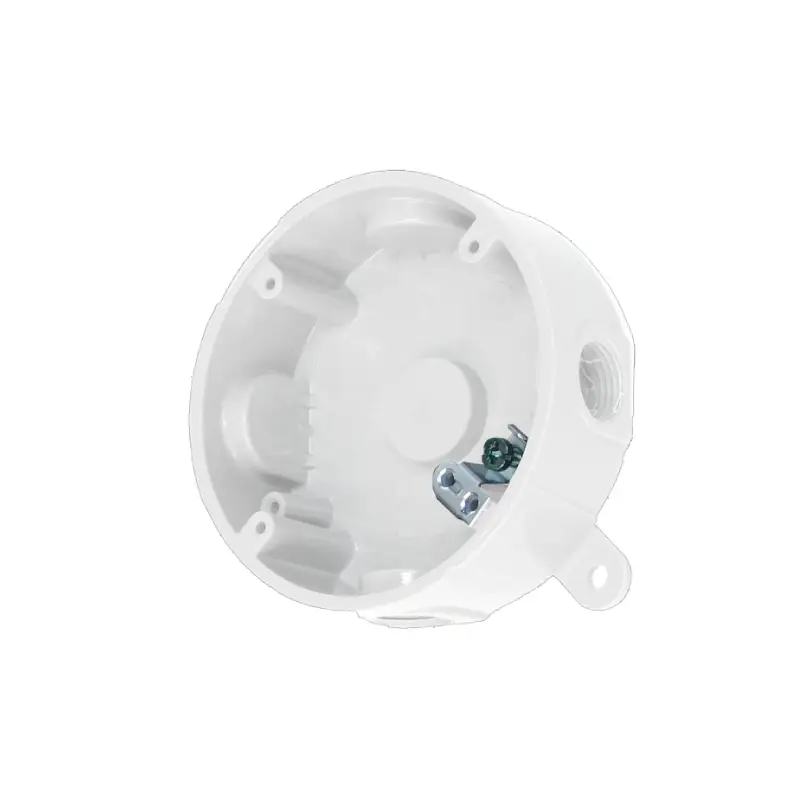
PVC outlet junction box
Our PVC outlet junction boxes offer a durable and non-corrosive solution for your electrical connections. Constructed from high-quality PVC material, these boxes provide excellent protection against moisture and chemicals, making them suitable for various indoor and outdoor applications. They are lightweight, easy to install, and available in different sizes to accommodate your specific wiring needs, ensuring safety and longevity for your electrical projects.
Why Choose Our Outlet Junction Box
Size and Configuration
We understand that projects have unique spatial requirements. Therefore, we offer a wide range of standard sizes for our aluminum junction boxes, and we can also accommodate custom dimensional specifications. Whether you need a compact enclosure for tight spaces or a larger box to house extensive wiring and components, we can tailor the length, width, and depth to your exact needs. Furthermore, we can customize the number and placement of conduit knockouts or drilled entry points to match your specific cable routing and installation design, ensuring a perfect fit for your application.
Surface Finish and Color
Beyond functionality, aesthetics and environmental resistance can be important. We provide various surface finish options for our aluminum junction boxes, including powder coating in a range of RAL colors. This not only enhances the visual appeal of the enclosure but also provides an additional layer of protection against corrosion, abrasion, and UV exposure. Whether you require a specific color to match existing equipment or a durable finish to withstand harsh conditions, our customization options ensure both form and function are aligned with your project requirements, contributing to a professional and long-lasting junction box installation.
Mounting Options and Accessories
To ensure seamless integration into your system, we offer a variety of mounting options for our aluminum junction boxes. These include standard mounting feet, brackets for wall or surface mounting, and options for pole or DIN rail mounting. Additionally, we can incorporate custom mounting features based on your specific installation needs. We also provide a range of compatible accessories, such as cable glands, terminal blocks, and internal mounting plates, which can be pre-installed or supplied separately, offering a comprehensive solution tailored to your project’s requirements and simplifying the assembly process.
Custom Modifications and Features
We go beyond standard customizations by offering various modifications to our aluminum junction boxes to meet specific functional requirements. This includes custom cutouts for connectors, switches, or other devices, as well as the integration of ventilation features or specialized seals for enhanced environmental protection. We can also incorporate internal components like grounding studs or mounting rails according to your specifications. Our engineering team is available to discuss your unique needs and explore the possibilities for creating an aluminum junction box that is precisely tailored to your application, ensuring optimal performance and integration.
what are outlet junction boxes?
Outlet junction boxes, also known as electrical boxes or utility boxes, are enclosures designed to house and protect electrical connections, typically at the point where an outlet receptacle is installed.
These junction boxes provide a safe and organized space for wiring, ensuring that connections are secure, insulated, and protected from physical damage and environmental factors like moisture. They are crucial components in electrical systems for both residential and commercial buildings, playing a vital role in preventing electrical hazards such as short circuits and fires, and ensuring compliance with electrical codes.
can you use an outlet box as a junction box?
Yes, an outlet box can be used as a junction box.
In essence, a junction box is simply an electrical enclosure used to house wire connections. An outlet box serves the same fundamental purpose of containing and protecting electrical wiring, the primary difference being that an outlet box is specifically designed to accommodate a receptacle or other wiring device.
When using an outlet box as a junction box, any unused openings intended for devices must be properly closed with appropriate cover plates or blank inserts. The wires within the box must be correctly connected and secured with wire connectors or other approved methods.
What’s more, the box must remain accessible and cannot be concealed within walls or ceilings without a removable cover, as per electrical code requirements in the United States.
how to add an electrical outlet from a junction box?
Adding a new electrical outlet from an existing junction box can be a convenient way to expand your electrical access.
However, it’s crucial to prioritize safety and follow electrical codes to prevent hazards. This process involves several key steps, starting with ensuring the power is completely off and understanding the existing wiring within the junction box.
Proceeding carefully through each stage will help you complete the task safely and effectively.
Step 1: Turn Off the Power
Before starting any electrical work, the very first and most critical step is to completely disconnect the power supply to the junction box you will be working with.
Locate the corresponding circuit breaker in your electrical panel and switch it to the “off” position. To ensure the power is indeed off, use a non-contact voltage tester to check all the wires within the junction box.
This step is paramount to prevent electrical shock and ensure your safety throughout the entire process.
Step 2: Prepare the Junction Box
Carefully open the junction box and examine the existing wiring. You’ll likely find wires connected with wire connectors. Identify the hot (usually black), neutral (usually white), and ground (usually bare copper or green) wires.
Ensure there is enough slack in these wires to make new connections. If the existing box is too crowded or doesn’t have enough space for the additional wires and connections for the new outlet, you might need to replace it with a larger junction box of appropriate size.
Step 3: Run New Wiring
Next, you need to run a new length of electrical cable (typically NM-B Romex) from the existing junction box to the location where you want to install the new outlet.
Drill any necessary holes through wall studs or other framing members, ensuring you follow local electrical codes regarding the placement and protection of cables.
Secure the new cable to the junction box and the new outlet box using appropriate cable clamps to prevent strain on the connections.
Step 4: Install the New Outlet Box
At your desired location, install a new electrical outlet box. This could be a standard surface-mounted box or a remodel (old work) box designed for installation in existing walls.
Ensure the box is securely fastened to a stud or the wall itself. The end of the new cable you ran should be brought into this new outlet box, leaving enough wire length to make connections to the receptacle.
Step 5: Make the Wiring Connections
Now, carefully strip the outer jacket of the new cable and then strip about ¾ inch of insulation from the ends of the individual wires.
Connect the wires to the corresponding terminals on the new receptacle: the black wire to the brass-colored terminal (hot), the white wire to the silver-colored terminal (neutral), and the bare copper or green wire to the green grounding screw.
Ensure all connections are tight and secure. In the original junction box, connect the new cable’s wires to the corresponding existing wires using appropriately sized wire connectors, maintaining the color-coding (black to black, white to white, ground to ground).
Step 6: Mount the Outlet and Test
Carefully tuck the wires into the new outlet box and mount the receptacle securely to the box. Install the outlet cover plate. Before restoring power, double-check all your connections in both the original junction box and the new outlet box to ensure they are correct and tight.
Once you are confident in your wiring, go back to your electrical panel and turn the circuit breaker back on.
Finally, use a voltage tester to confirm that the new outlet is receiving power and test it with a small appliance to ensure it functions correctly.
how to install an outlet from a junction box?
Adding a new electrical outlet from an existing junction box can be a convenient way to expand your electrical access. However, it’s crucial to prioritize safety and follow electrical codes to prevent hazards.
This process involves several key steps, starting with ensuring the power is completely off and understanding the existing wiring within the junction box. Proceeding carefully through each stage will help you complete the task safely and effectively.
Step 1: Turn Off the Power
Before starting any electrical work, the very first and most critical step is to completely disconnect the power supply to the junction box you will be working with. Locate the corresponding circuit breaker in your electrical panel and switch it to the “off” position.
To ensure the power is indeed off, use a non-contact voltage tester to check all the wires within the junction box. This step is paramount to prevent electrical shock and ensure your safety throughout the entire process.
Step 2: Prepare the Junction Box
Carefully open the junction box and examine the existing wiring. You’ll likely find wires connected with wire connectors. Identify the hot (usually black), neutral (usually white), and ground (usually bare copper or green) wires.
Ensure there is enough slack in these wires to make new connections. If the existing box is too crowded or doesn’t have enough space for the additional wires and connections for the new outlet, you might need to replace it with a larger junction box of appropriate size.
Step 3: Run New Wiring
Next, you need to run a new length of electrical cable (typically NM-B Romex) from the existing junction box to the location where you want to install the new outlet.
Drill any necessary holes through wall studs or other framing members, ensuring you follow local electrical codes regarding the placement and protection of cables. Secure the new cable to the junction box and the new outlet box using appropriate cable clamps to prevent strain on the connections.
Step 4: Install the New Outlet Box
At your desired location, install a new electrical outlet box. This could be a standard surface-mounted box or a remodel (old work) box designed for installation in existing walls. Ensure the box is securely fastened to a stud or the wall itself.
The end of the new cable you ran should be brought into this new outlet box, leaving enough wire length to make connections to the receptacle.
Step 5: Make the Wiring Connections
Now, carefully strip the outer jacket of the new cable and then strip about ¾ inch of insulation from the ends of the individual wires. Connect the wires to the corresponding terminals on the new receptacle: the black wire to the brass-colored terminal (hot), the white wire to the silver-colored terminal (neutral), and the bare copper or green wire to the green grounding screw.
Ensure all connections are tight and secure. In the original junction box, connect the new cable’s wires to the corresponding existing wires using appropriately sized wire connectors, maintaining the color-coding (black to black, white to white, ground to ground).
Step 6: Mount the Outlet and Test
Carefully tuck the wires into the new outlet box and mount the receptacle securely to the box. Install the outlet cover plate. Before restoring power, double-check all your connections in both the original junction box and the new outlet box to ensure they are correct and tight.
Once you are confident in your wiring, go back to your electrical panel and turn the circuit breaker back on. Finally, use a voltage tester to confirm that the new outlet is receiving power and test it with a small appliance to ensure it functions correctly.
how to turn an outlet into a junction box?
Converting an existing electrical outlet into a junction box is a task that requires careful attention to safety and adherence to electrical codes. This is typically done when an outlet is no longer needed but the wiring within it needs to remain accessible for future use or to extend power to another location.
The key is to safely disconnect the outlet and properly enclose the wiring.
Step 1: Turn Off the Power
As with any electrical work, the absolute first step is to completely de-energize the circuit supplying power to the outlet you intend to convert. Locate the corresponding circuit breaker in your electrical panel and switch it to the “off” position. Always verify that the power is off by using a non-contact voltage tester on the outlet to ensure there is no live current present. This is crucial for preventing electrical shock.
Step 2: Remove the Outlet
Once you’ve confirmed the power is off, unscrew and remove the faceplate of the outlet. Then, carefully unscrew and pull the receptacle (the outlet itself) out of the electrical box. You will see the wires connected to the terminals on the back of the receptacle. Typically, there will be a black (hot) wire, a white (neutral) wire, and a bare copper or green (ground) wire.
Step 3: Disconnect the Wires
Using a screwdriver, carefully loosen the terminal screws on the receptacle and disconnect all the wires. Once the wires are free from the receptacle, ensure the wire ends are straight and not frayed. It’s a good practice to slightly bend the wire ends over and then apply electrical tape around each individual wire end. This helps to prevent accidental contact between the wires once they are inside the box.
Step 4: Secure the Wires Inside the Box
Carefully push the disconnected wires back into the electrical box. Ensure they are neatly tucked inside and there is no strain on the connections. If the box contains multiple sets of wires that were connected through the outlet, ensure these connections remain intact and secure within the box using appropriate wire connectors (e.g., wire nuts).
Step 5: Cover the Electrical Box
Since the outlet is being converted into a junction box, it no longer needs a receptacle. The next crucial step is to securely cover the electrical box with a blank cover plate. This cover plate should be specifically designed to close off an electrical box and should be made of non-conductive material. Screw the blank cover plate tightly onto the electrical box. This ensures that the wiring inside is protected and prevents accidental contact with the live wires in the future.
Step 6: Label the Box (Optional but Recommended)
While not strictly required by code in all jurisdictions, it’s a good safety practice to label the blank cover plate as a “Junction Box” or indicate the circuit it belongs to. This can be helpful for future reference, especially if there are multiple junction boxes in the vicinity.
By following these steps, you can safely and correctly convert an existing electrical outlet into a junction box, ensuring the continued safe management of the electrical wiring within it. Remember to always consult local electrical codes for specific requirements in your area.
junction box vs outlet
While both junction boxes and outlets are fundamental components of an electrical system, they serve distinct primary functions. A junction box is essentially an enclosure designed to house and protect wire connections or splices.
Its main purpose is to provide a safe and organized point where multiple wires can be joined together, ensuring electrical continuity and preventing exposure to live wires. Junction boxes do not contain any electrical devices themselves; they are purely for making and securing wire connections.
Outlets, on the other hand, are points in the electrical system where power can be accessed to supply electrical devices.
An outlet box is the enclosure that houses the receptacle (the physical point where you plug in appliances) and the associated wiring. While an outlet box does contain wire connections to the receptacle, its primary function is to provide a safe and accessible interface for using electrical power.
Here are some of the key differences between junction boxes and outlet boxes:
Junction Box:
- Primary function: To enclose and protect wire connections or splices.
- Contains: Only wire connections secured with wire connectors.
- Purpose: Ensures electrical continuity and safety of wire joints.
- Accessibility: Must remain accessible, typically with a blank cover plate.
Outlet (and Outlet Box):
- Primary function: To provide a point for accessing electrical power.
- Contains: Wire connections to a receptacle or other wiring device.
- Purpose: Allows for the connection of appliances and other electrical equipment.
- Accessibility: Designed for regular use to plug in devices, with a cover plate that includes the receptacle.
Send Your Inquiry Now
All-in-one Outlet Junction Box Solutions for Your Project
Streamline your electrical installations with our all-in-one outlet junction box solutions. These integrated units combine the functionality of a junction box with the convenience of built-in outlets, saving time and reducing complexity. Available in various configurations and sizes, our solutions offer a secure, code-compliant, and efficient way to manage power distribution for residential and commercial projects.