When you need to replace a refrigerator fan blade, picking the right material and type makes a big difference. Linkwell offers trusted solutions for your refrigerator, whether you want better cooling or improved durability. Always check compatibility, safety, and performance before you make your choice.
Key Takeaways
- Choose the right fan blade material for your refrigerator. Plastic is lightweight and quiet, metal is durable and heat-resistant, and composite offers strength and low noise.
- Regular maintenance is key. Clean your fan blades and condenser coils often to ensure efficient cooling and prevent breakdowns.
- Follow safety steps when replacing fan motors. Always unplug your refrigerator and wear gloves to protect yourself from sharp edges.
Refrigerator Fan Blade Materials
Plastic, Metal, Composite
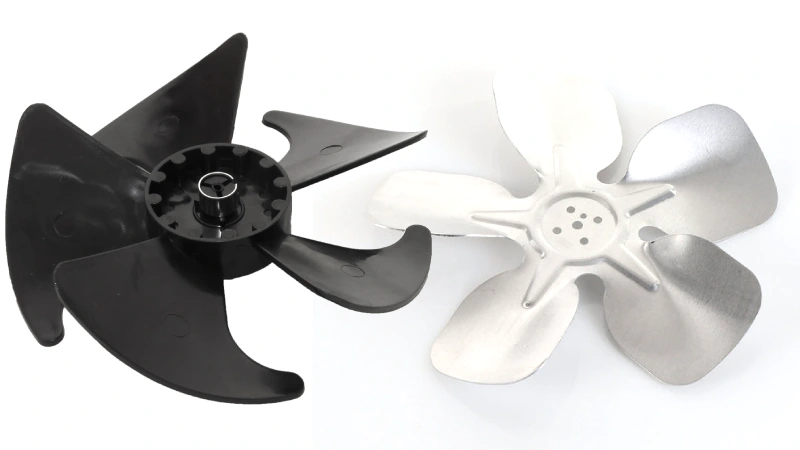
When you look at a refrigerator fan blade, you’ll notice it’s usually made from plastic, metal, or composite materials. Each type brings something different to the table. Here’s a quick look at what you’ll find in most refrigerators:
| Material Type | Description |
|---|---|
| Metal | Iron and aluminum, great for high-temperature and corrosion-resistant environments. |
| Plastic | ABS, AS, and PP are common. ABS is the top choice for household fans. |
| Composite | Mixes materials like glass-fiber with polymers for extra strength and less noise. |
Plastic blades are lightweight and resist corrosion. Metal blades handle heat and last longer. Composite blades combine the best features of both, offering strong airflow and quiet cooling.
Linkwell uses high-grade plastics and aluminum alloys in their fan blades. These materials help your refrigerator run smoothly and keep the temperature steady. You get reliable cooling whether you’re using a Linkwell Axial Fan in an industrial setting or a Computer Chassis Fan at home.
Pros and Cons
Let’s break down the pros and cons so you can pick the right refrigerator fan blade for your needs:
| Type | Advantages | Disadvantages |
|---|---|---|
| Plastic | Affordable, quiet, lightweight, easy to shape | Less durable, can warp in heat |
| Metal | Durable, fire-resistant, efficient airflow | Heavier, noisier, costs more |
| Composite | Strong, quiet, energy-efficient | May cost more than plastic |
Plastic blades make less noise, which is perfect if you want a quiet refrigerator. Metal blades last longer and work well in hot kitchens. Composite blades offer balanced cooling and energy savings.
Tip: Clean your refrigerator fan blade often. Dust and debris can block airflow and reduce cooling efficiency.
Linkwell’s durable materials help prevent common failures like dust buildup and worn bearings. You get steady airflow and reliable cooling for years.
Refrigerator Fan Motor Types
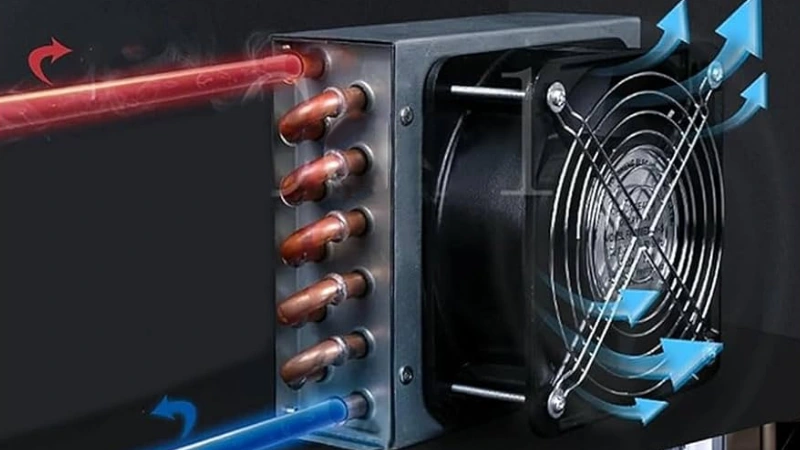
When you open your refrigerator, you might not think about the small motors working behind the scenes. These motors keep your food fresh by moving air and helping with cooling. Let’s look at the two main types you’ll find in most refrigerators.
Evaporator Fan Motor
The evaporator fan motor sits inside your refrigerator, usually behind the back panel. This motor pulls cold air from the freezer and pushes it throughout the fridge. You get even cooling and steady airflow, so your food stays fresh longer. If your refrigerator feels warm or you hear strange noises, the evaporator fan motor might need attention.
Condenser Fan Motor
The condenser fan motor lives near the back or bottom of your refrigerator, close to the compressor. Its job is to move air over the condenser coils and help release heat. This keeps the compressor cool and helps your refrigerator run efficiently. Good airflow here means better cooling and less strain on your appliance.
Identifying Your Fan Motor
Not sure which refrigerator fan motor you have? Check your owner’s manual or look for labels near the fan. You can also match your needs with Linkwell’s Axial fan or Electrical Enclosure Fan. Here’s a quick comparison:
| Fan Type | Lifespan (hours) | Maintenance Frequency |
|---|---|---|
| Axial Fans | 30,000 – 50,000 | Every 15,000 hours |
| Electrical Enclosure Fans | Up to 70,000 | Less frequent than axial fans |
Tip: Want your refrigerator fan motor to last longer? Try these simple steps:
- Clean the condenser coils often.
- Check door seals for gaps.
- Don’t overload your refrigerator.
- Keep the temperature between 35°F and 38°F.
- Schedule regular checkups with a technician.
Choosing the right fan motor keeps your refrigerator running smoothly and your food safe. Linkwell’s fans offer reliable cooling and strong airflow for every need.
Replacing Refrigeration Fan Motors
Tools and Safety
Before you start replacing refrigeration fan motors, you need to focus on safety. Always unplug your refrigerator first. This simple step protects you from electric shock. Next, take out all the food from your fridge and freezer. You don’t want anything to spoil while you work. Put on work gloves to protect your hands from sharp edges inside the appliance.
Here’s a quick list of tools and materials needed for this job:
- Screwdrivers (Phillips and flathead)
- Pliers
- Multimeter
Tip: Keep your workspace clean and organized. This helps you find your tools quickly and keeps small parts from getting lost.
If you’re working on a commercial refrigerator, remember that safety rules are stricter. Check out this table to see the main differences:
| Aspect | Residential Guidelines | Commercial Guidelines |
|---|---|---|
| Regulations | Basic safety standards | Stricter regulations with multiple oversight bodies |
| Technician Training | General knowledge of safety rules | Specialized training required due to complexity |
| Compliance Monitoring | Less frequent checks | Daily logs and inspections mandated by health departments |
| Consequences of Non-Compliance | Minimal impact on personal safety | Significant fines and potential business closure |
Removal Steps
Ready to get started? Follow these steps to remove the old fan motor from your refrigerator:
- Unplug the refrigerator from the wall.
- Remove all food and shelves to give yourself space.
- Take off the back panel inside the fridge or freezer to reach the fan motor.
- Use your screwdriver to loosen and remove the screws holding the fan motor in place.
- Carefully disconnect the wiring harness or clips attached to the motor.
- Gently pull out the old fan motor.
Note: If you’re not sure how to remove a specific part, try searching for your refrigerator model online. Many people share step-by-step videos and guides.
Linkwell’s fan motors come with easy-installation features. You’ll find clear instructions and support if you need help during the process.
Installation Steps
Now it’s time to install the new fan motor. Here’s how you can do it:
- Line up the new fan motor in the same spot as the old one.
- Connect the wiring harness or clips to the new motor.
- Secure the motor with screws using your screwdriver.
- Reattach the back panel.
- Put the shelves and food back into the refrigerator.
Tip: Double-check that all connections are tight before you close everything up. This helps prevent future problems.
Linkwell’s products are designed for quick and simple installation. If you run into trouble, their customer support team is ready to help.
Testing and Troubleshooting
After you finish installing the new fan motor, plug your refrigerator back in. Listen for the sound of the fan running. Feel for cool air moving inside the fridge. If you don’t notice any airflow or cooling, try these troubleshooting steps:
- Unplug the refrigerator again before checking anything.
- Look for any objects blocking the fan.
- Inspect the fan blades for dirt or damage. Clean them if needed.
- Use a multimeter to test the fan motor for electrical continuity. If there’s no continuity, the motor may be faulty.
- Check all wiring and connections for damage or loose ends.
- If the motor still doesn’t work, you may need to replace it with a compatible model.
Note: If you feel stuck or the refrigerator still isn’t cooling, don’t hesitate to call a professional technician.
Linkwell’s support team can answer your questions and help you troubleshoot. Their easy-to-follow guides and reliable products make replacing refrigeration fan motors less stressful.
Choosing the right refrigerator fan blade keeps your refrigerator running smoothly and helps you avoid costly repairs. Linkwell’s cooling solutions offer low noise, durability, and easy installation. You get reliable performance for every refrigerator. Check out the table below to see why Linkwell stands out:
| Benefit | Description |
|---|---|
| Low Noise Design | Quiet operation for your refrigerator |
| Durable & Reliable | Long lifespan and fewer breakdowns |
| Energy Saving | Strong cooling with less power |
| Easy Installation | Quick setup for any refrigerator |
FAQ
How do I know when to replace my refrigerator fan blade?
You might hear loud noises or notice poor cooling. If your refrigerator feels warm, check the fan blade for damage or wear.
Can I use any fan blade for my refrigerator?
No, you need a blade that matches your refrigerator model. Always check the size and material before you buy a replacement.
What should I do if my refrigerator fan motor stops working?
Unplug your refrigerator first. Clean the fan area. If the motor still does not run, contact Linkwell support or a technician for help.