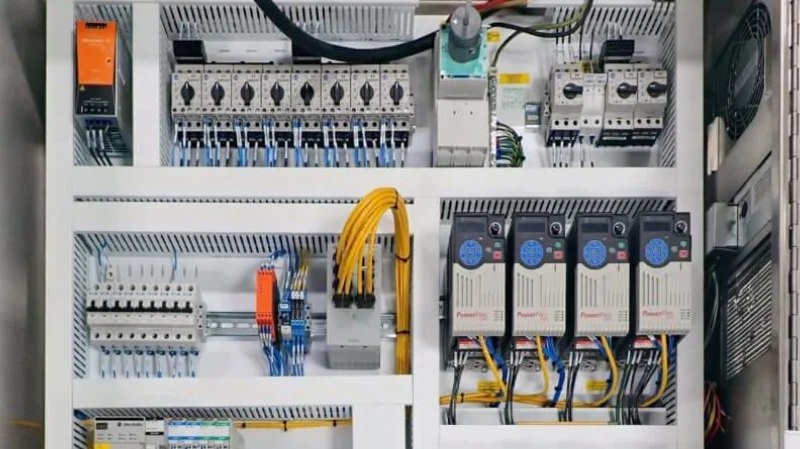
You work with cables every day, but have you ever wondered how you keep them safe and secure? Metal cable glands do just that. These small but mighty components let you anchor cables firmly, maintain enclosure integrity, and ensure earth continuity. When you choose a metal cable gland, you get a tough, reliable solution that stands up to harsh conditions.
With the right cable gland, you boost safety and help your equipment last longer.
Key Takeaways
- Metal cable glands provide strong protection for cables, ensuring safety and reliability in harsh environments.
- Choose the right material, like stainless steel or nickel-plated brass, for durability and resistance to extreme conditions.
- Proper installation is crucial; always handle cable glands carefully and ensure circuits are de-energized before installation.
- Select cable glands based on the type of cable and environmental factors to avoid leaks and ensure secure fittings.
- Regularly check and maintain cable glands to prevent electrical faults and extend the lifespan of your equipment.
Metal Cable Glands Overview
What Are Metal Cable Glands
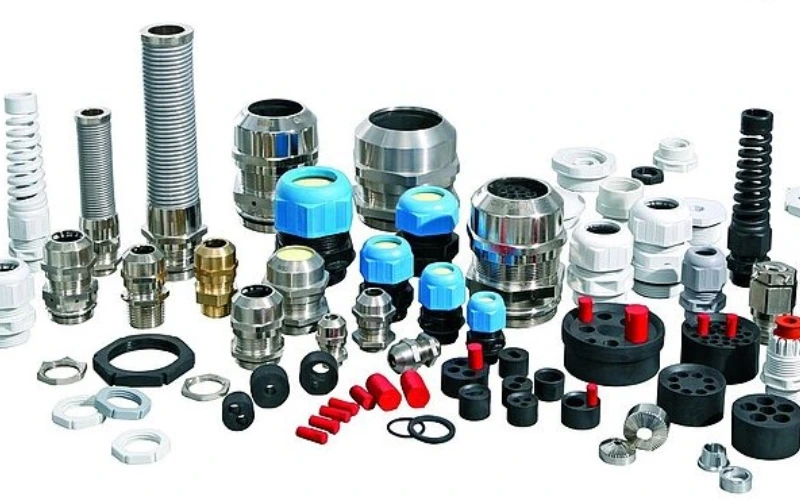
You might see cable glands in almost every electrical setup, but metal cable glands stand out for their strength and reliability. These components let you anchor cables securely to panels, junction boxes, or machinery. You get a tight seal that keeps dust, moisture, and other hazards out. Metal cable glands work well in places where cables face rough handling, vibrations, or extreme weather.
When you compare metal cable glands to plastic ones, you notice a big difference in mechanical strength and durability. Metal cable glands resist impact, crushing, and high pressure. You can use them in environments with high temperatures or exposure to chemicals and UV rays. If you need a solution that lasts and protects your cables, metal cable glands are the way to go.
Tip: If you work in power plants, factories, or outdoor installations, metal cable glands help you keep your cables safe and your equipment running smoothly.
Key Features and Construction
You want cable glands that perform well and last a long time. The construction and materials make all the difference. Most metal cable glands use nickel-plated brass or stainless steel. These materials give you high strength, durability, and resistance to impact. Stainless steel also stands up to high temperatures and harsh environments.
Here’s a quick look at how different materials impact performance:
| Material | Performance Impact |
|---|---|
| Nickel-plated brass | High strength, durability, good impact resistance |
| Stainless steel | Resistance to high temperatures and pressures, suitable for harsh environments |
| Brass | Excellent strength and impact resistance, suitable for high pressure and temperature |
| Stainless steel | Maintains long-term stable operation in harsh working environments with corrosive substances |
You also want to check the construction quality. Look for features like corrosion resistance, conductivity, and protection against water or dust. Some cable glands use silicone seals, which handle temperature extremes from -60°C to +200°C. If you need protection against water, look for glands with IP66/67 ratings for outdoor use or IP68 for underwater setups.
Here’s a table showing how materials match different applications:
| Material | Properties | Applications |
|---|---|---|
| Brass | Excellent conductivity, corrosion resistance when nickel-plated | General industrial applications |
| Stainless Steel | Superior resistance to saltwater, acids, and high temperatures | Marine installations, chemical processing plants |
| Aluminum | Lightweight, resistant to atmospheric corrosion | Outdoor applications with aluminum-armored cables |
When you choose cable glands, you should also think about standards and certifications. Many metal cable glands meet IEC 60079 standards for explosive atmospheres. This means you can trust them in hazardous locations.
Let’s break down the most important features to look for:
- Corrosive atmospheres: Use stainless steel or nickel-plated brass in petrochemical plants or offshore platforms.
- Temperature extremes: Silicone-sealed glands work in very hot or cold places.
- Ingress protection: IP66/67 for outdoor, IP68 for underwater.
You might notice some recent advancements in cable gland design. Manufacturers now offer better conductivity and fire resistance. Some cable glands come pre-assembled on cables, which saves you time during installation. You can also find pluggable EMC contact solutions for improved safety, especially in electric vehicles.
If you want the best quality, look for trusted brands. Leading manufacturers use high-quality materials and follow strict standards to make sure you get reliable cable glands.
| Manufacturer Name | Key Advantages |
|---|---|
| Various Manufacturers | High-Quality Materials and Standards |
You can see that metal cable glands give you the protection, durability, and flexibility you need for almost any application. Whether you work in a factory, on a ship, or in a chemical plant, these cable glands help you keep your cables safe and your systems running.
Cable Gland Applications
Industrial Uses
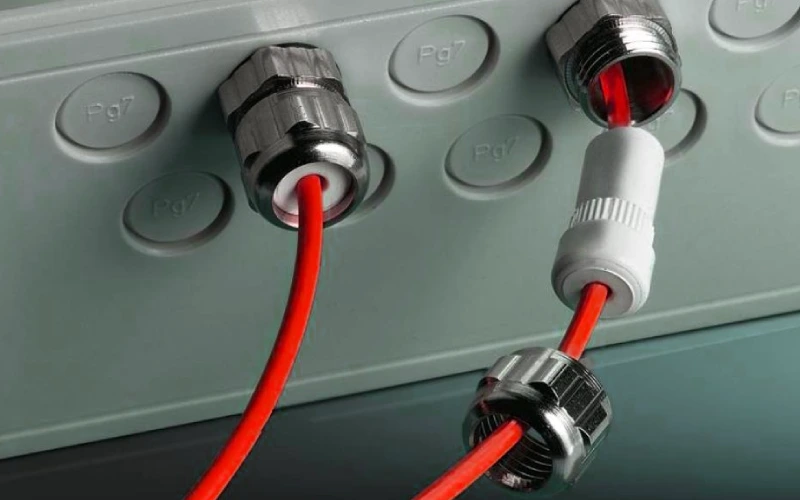
You see cable glands everywhere in industrial settings. They play a huge role in power generation, machinery, automation, and telecommunications. When you work in these industries, you need cable glands for specific applications to keep your systems running without trouble. You want to avoid downtime and expensive repairs, right? That’s where cable glands step in.
Take a look at how cable glands fit into different industrial applications:
| Application Area | Benefits | Material Options |
|---|---|---|
| Power Generation Plants | Secure sealing, strain relief, resistance to stress | Brass, Stainless Steel |
| Turbine Halls | Prevents cable pull-out, keeps enclosure integrity | Brass, Stainless Steel |
| Substations | Ensures safety and reliability | Brass, Stainless Steel |
| Control Panels | Avoids downtime and costly repairs | Brass, Stainless Steel |
You rely on cable glands to protect cables from mechanical stress and environmental hazards. In automation and machinery, cable glands keep wires anchored and safe from vibration. In telecommunications, they shield connections from dust and moisture. You can see why cable glands for specific applications matter so much.
Tip: If you skip proper cable glands, you risk unplanned shutdowns and expensive fixes. Always choose the right cable glands for your applications.
Safety and Earth Continuity
You want your installations to be safe. Cable glands help you achieve that. In hazardous environments, especially with armored cables, cable glands create tight seals and offer strain relief. They also provide a secondary earth connection, which boosts safety and keeps your system grounded.
Here’s how cable glands improve safety and earth continuity:
- Create IP66 environmental seals on cable sheaths
- Protect against moisture and dust infiltration
- Provide mechanical continuity through armor wire termination
- Function as a secondary earth connection
- Offer strain relief for armored cables
When you use cable glands, you reduce the risk of electrical faults and keep your equipment safe. You also maintain earth continuity, which is vital for preventing shocks and fires. If you ignore cable glands, you might face failures and costly repairs. So, always make cable glands a priority in your applications.
Types of Metal Cable Glands
Armored vs. Unarmored
When you look at cable glands, you’ll notice two main types: armored and unarmored. Each type works best with certain cables and environments. Armored cable glands fit cables with protective layers. You use them when you need extra strength and security. Unarmored cable glands work with cables that don’t have armor. These are easier to install and cost less.
Here’s a quick table to help you compare these two types:
| Feature | Armored Cable Glands | Unarmored Cable Glands |
|---|---|---|
| Cable Type | Used with armoured cables with protective layers | Installed with unarmoured cables |
| Environment Suitability | Suitable for harsh, outdoor environments | Best for safe indoor or less aggressive environments |
| Installation Complexity | Requires careful installation due to armor | Easier and quicker installation |
| Cost | More expensive due to materials and complexity | Lower cost |
| Mechanical Protection | Provides strong mechanical protection | Offers minimal mechanical protection |
If you work in a factory or outside, armored cable glands give you peace of mind. They protect your cables from damage and keep your system safe. For indoor jobs, unarmored cable glands save you time and money.
Tip: Always match the cable gland type to your cable and environment. This helps you avoid problems and keeps your installation secure.
Suitability for Harsh Environments
You want your cable glands to last, especially in tough places. Some types of metal cable glands handle harsh conditions better than others. Brass and stainless steel are the top choices when you need strength and durability. Brass cable glands work well in industrial settings. Stainless steel cable glands resist corrosion, so you can use them in marine or chemical plants.
Check out this table to see how different types of metal cable glands perform:
| Type | Characteristics |
|---|---|
| Brass | High mechanical strength, suitable for industrial environments, durable. |
| Stainless Steel | Excellent corrosion resistance, ideal for marine and chemical settings. |
You also need to think about temperature and corrosion. Stainless steel cable glands stand up to extreme heat and chemicals. Brass cable glands offer moderate protection. Nylon cable glands don’t last long in tough environments.
| Material | Strength | Corrosion Resistance | Temperature Performance | Best Use Cases |
|---|---|---|---|---|
| Stainless Steel | High | Excellent | High and Low | Marine, Chemical, Food Processing |
| Brass | Medium | Moderate | Moderate | General Applications |
| Nylon | Low | Low | Low | Indoor, Non-Corrosive Environments |
If you need cable glands for wet or dusty places, look for high IP ratings. IP67 cable glands keep out dust and water for short periods. IP68 cable glands protect against long-term water exposure.
| IP Rating | Description |
|---|---|
| IP67 | Dust tight and protected against immersion in water up to 1 meter for 30 minutes. |
| IP68 | Offers higher protection against continuous immersion in water. |
Note: Choosing the right types of cable glands helps you avoid breakdowns and keeps your cables working in any environment.
You can see that metal cable glands come in many types. Pick the right one for your job, and you’ll keep your cables safe and your equipment running.
How to Choose a Cable Gland
Choosing the right cable glands can feel overwhelming, but you can make it simple by focusing on a few key factors. When you know what to look for, you keep your cables safe and your equipment running smoothly. Let’s break down what you need to consider and how you can avoid common mistakes.
Selection Factors
You want your cable glands to fit your cables perfectly and stand up to the environment. Here’s what you should check before you buy:
- The type of cable you plan to use. Is it armored or unarmored?
- The material and construction of the cable. Look at the cross-sectional size, armor type, and insulation.
- Where you will install the cable glands. Think about space, temperature, and exposure to chemicals or water.
- The level of water resistance you need. Check for IP ratings like IP65, IP67, or IP68.
- How much mechanical protection your cables require.
- If you need to use the cable glands in hazardous areas, make sure they meet safety standards.
- Whether you need electrical grounding or earthing.
- Compatibility with other materials. Avoid mixing metals that can react with each other.
- The specifications of the cable’s armored structure, if you use armored cables.
- Make sure the gland matches the housing material and fits the thread size and depth.
- Sometimes, you may need stopper plugs for unused entries.
You also want to pay attention to environmental regulations. For outdoor or harsh environments, look for cable glands with UV resistance, chemical corrosion resistance, and strong mechanical strength. Always check the IP or NEMA ratings to make sure your cable glands protect against dust and water. This keeps your electrical systems safe, even in tough conditions.
Here’s a quick table to help you match cable types with the right measurements:
| Cable Type | Key Measurements Required |
|---|---|
| Unarmored Cables | Diameter of the cable |
| Armored Cables | Diameter of the inner bedding, diameter of the cable’s armoring, diameter of the lead covering, size and type of the armor or braid, type and material of the cable armor, short circuit fault current rating |
Tip: Always double-check the cable diameter and armor details before you pick your cable glands. This helps you avoid leaks and keeps your cables secure.
Installation Tips
You want your cable glands to work perfectly, so proper installation is a must. Here’s a step-by-step guide to help you get it right:
- Handle cable glands carefully. Avoid damaging the entry threads during installation.
- Make sure all circuits are de-energized before you start. Never install or dismantle cable glands while circuits are live.
- Use only the components provided by the manufacturer. Mixing parts can reduce safety and may void certifications.
- Remember, cable glands are not user-serviceable. Do not try to replace parts once they are in service.
- Do not remove the sealing rings. They come pre-installed from the factory for a reason.
- Keep sealing rings clean and protect them from dirt or harmful substances.
You can run into a few common mistakes during installation. Here’s a table to help you spot and avoid them:
| Mistake | Explanation |
|---|---|
| Over-tightening | Tighter is not always better. You can damage both the cable and the gland. |
| Ignoring Environmental Factors | Not considering temperature or chemicals can hurt performance. |
| Failing to Test | Always test after installation to catch issues early. |
Note: Take your time during installation. A careful approach helps you avoid costly repairs and keeps your system safe.
If you follow these tips, you will know how to choose a cable gland that fits your needs and how to install it for the best performance. The right cable glands protect your cables, keep your equipment safe, and help you avoid unexpected problems.
You rely on metal cable glands to keep your cables protected and your systems running smoothly. These components offer strong adaptability, fire resistance, and high durability, making them perfect for tough jobs. Check out the main advantages:
| Advantage | Description |
|---|---|
| Good Conductivity | Stable current transmission for safe operation. |
| Fire Resistance | Reduces fire risk in high-temperature areas. |
| Reliable Connection | Less prone to failures from vibration and impact. |
| Strong Adaptability | Handles extreme conditions in demanding industries. |
| High Strength and Durability | Maintains integrity under heavy loads, lowering maintenance costs. |
When you choose and install cable glands correctly, you boost safety by preventing dust, water, and chemicals from causing problems. If you skip proper installation, you risk electrical shocks, burns, or fire hazards. Always make safety your top priority for every electrical project.
FAQ
What size cable gland do you need?
You need to match the gland size to your cable’s diameter. Always measure the cable’s outer diameter first. Most manufacturers provide sizing charts. If you pick the wrong size, you risk leaks or loose fittings.
Can you reuse metal cable glands?
You can reuse metal cable glands if they remain undamaged and clean. Always check the seals and threads before reinstalling. If you see any wear or corrosion, replace the gland for safety.
How do you know if a cable gland is waterproof?
Look for the IP rating on the product label. For outdoor or wet areas, choose glands with at least IP66 or IP68. Here’s a quick guide:
| IP Rating | Protection Level |
|---|---|
| IP66 | Strong water jets |
| IP67 | Temporary immersion |
| IP68 | Continuous immersion |
Do you need special tools to install cable glands?
You usually need only basic hand tools, like wrenches. Some armored cable glands may require a special spanner or armor cone tool. Always follow the manufacturer’s instructions for best results.
Conclusion
If you have any questions about Metal Cable Glands, whether regarding materials, dimensions, or customization, please contact us directly.
We, Linkwell, can provide suitable solutions for any of your needs promptly, and customized samples are free.