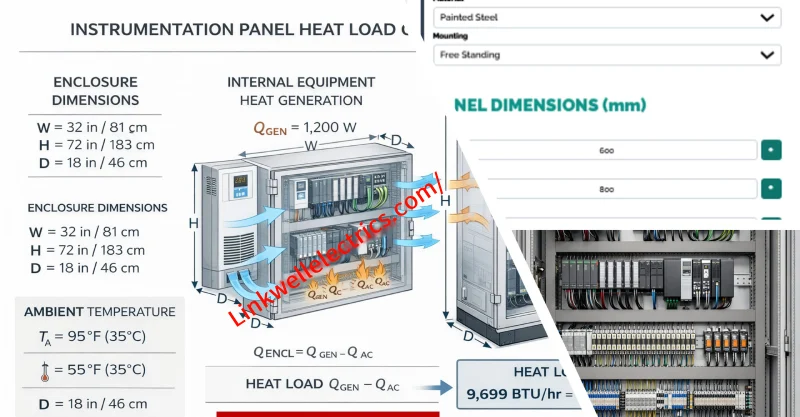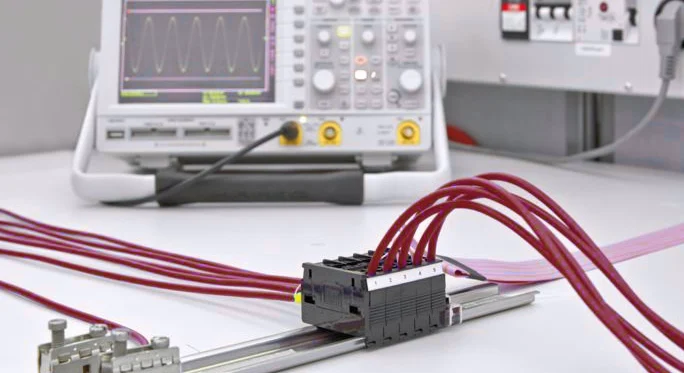
You might wonder what is static pressure fan and why it matters for your electrical cabinets. These fans move air with enough force to push through filters, vents, and tight spaces, keeping your equipment cool. Cabinets often struggle with heat buildup, blocked airflow paths, and dust accumulation. When you use Linkwell’s advanced PWM Fan, DC Fan, or Cabinet Fan, you get reliable cooling that protects your system from overheating, noise issues, and mechanical failures. Understanding static pressure helps you choose the right fan for top performance and long-lasting reliability.
- Excessive waste heat can hurt your equipment.
- Blocked ventilation paths make cooling harder.
- High ambient temperatures challenge your cabinet’s safety.
Key Takeaways
- Static pressure fans push air through tight spaces, filters, and vents, ensuring effective cooling in electrical cabinets.
- Understanding static pressure helps you choose the right fan, preventing overheating and maintaining airflow.
- Linkwell offers fans designed for high static pressure, providing reliable cooling in tough environments.
- Regular maintenance, like cleaning filters and checking airflow, keeps your cooling system running smoothly.
- Always match your fan choice to your cabinet’s resistance to avoid costly failures and ensure efficient operation.
What Is Static Pressure Fan
Static Pressure Definition
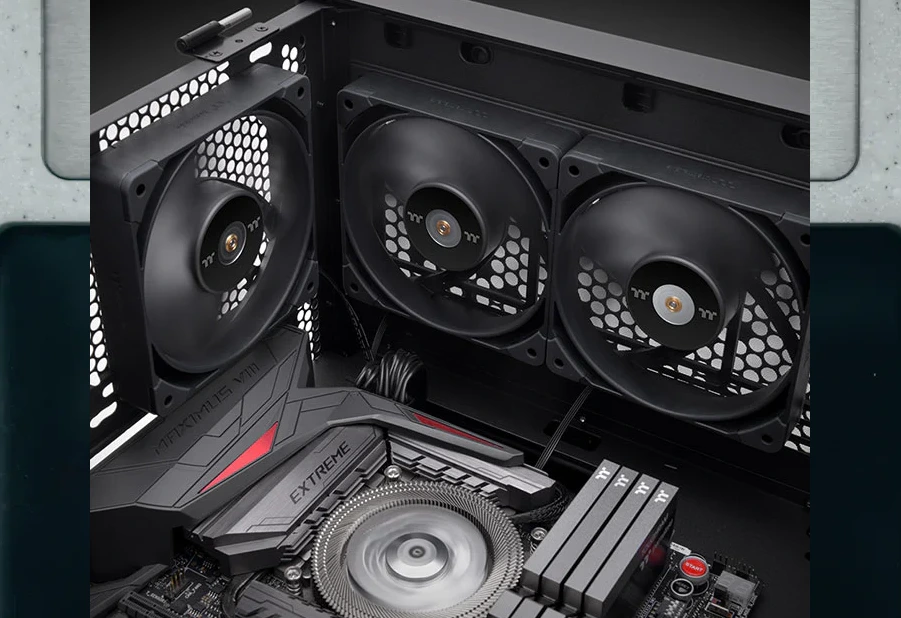
Let’s start with the basics. When you ask what is static pressure fan, you’re really asking about how fans handle resistance inside cabinets and ducts. In engineering, static pressure means the resistance to air flow in a system. You measure static pressure in inches of water column. It shows the force air puts on the walls of a duct or enclosure when the air is not moving. In hvac and electrical cabinets, static pressure affects how much air flow you get, how hard your fan works, and even how much noise you hear.
- Static pressure is the resistance to air flow in an hvac system.
- You measure static pressure in inches of water column.
- It represents the force air exerts on duct walls when air is at rest.
- Static pressure influences air flow rates, blower performance, energy use, and sound levels in ductwork.
If you want your cooling system to work well, you need to understand static pressure. When you pick a fan for your cabinet, you should always check how much static pressure it can handle. This helps you avoid problems like overheating or poor air flow.
Air Flow and Resistance
Now, let’s talk about air flow and resistance. When you look at what is static pressure fan, you see that these fans are built to push air through obstacles. In real life, cabinets have filters, vents, and tight spaces. These things block air flow and create resistance. If you use a regular fan, it might move air well in an open space. But once you add filters or close the cabinet, static pressure goes up and air flow drops.
Here’s a simple table to show how static pressure fans and standard fans work in different scenarios:
| Scenario | Description | Airflow Performance | Static Pressure Impact |
|---|---|---|---|
| 1 | Open enclosure with no obstructions | Maximum air flow | Zero static pressure |
| 2 | Enclosed with a small exhaust hole | Limited air flow due to increased static pressure | Increased static pressure due to air buildup |
| 3 | Completely closed enclosure | Air flow drops to zero | Maximum static pressure reached |
When you use a static pressure fan, you get better air flow even when resistance is high. These fans are designed to keep air moving through filters and vents. You don’t have to worry about heat building up inside your cabinet. Static pressure fans make sure your equipment stays cool and safe.
Linkwell’s Role in Cabinet Cooling
You might wonder how Linkwell helps with cabinet cooling. Linkwell knows what is static pressure fan and why it matters for your system. The company designs fans that handle high static pressure and keep air flow steady. You can choose from Linkwell’s PWM Fan, DC Fan, or Cabinet Fan. Each one is built for tough environments where air flow faces resistance.
- The PWM Fan gives you precise speed control and strong air flow, even in cabinets with filters.
- The DC Fan offers reliable cooling and handles high static pressure in telecom and industrial enclosures.
- The Cabinet Fan is perfect for electrical cabinets with vents and tight spaces, keeping air flow consistent.
Linkwell’s fans help you solve cooling problems in hvac and electrical cabinets. You get products that push air through obstacles, maintain safe temperatures, and protect your equipment. When you choose Linkwell, you get expert support and fans that meet your needs for static pressure and air flow.
If you want your cabinet to stay cool and your system to run smoothly, you need to know what is static pressure fan. Linkwell makes it easy for you to pick the right fan for your application. You get reliable air flow, strong static pressure performance, and peace of mind.
How Static Pressure Fans Work
Air Flow vs. Static Pressure
You might think that more air flow always means better cooling. In reality, you need to balance air flow and static pressure for the best results. Air flow is measured in cubic feet per minute (CFM), while static pressure is measured in pascals (Pa) or inches of water column. When you look at air flow vs static pressure, you see that fans must push air against resistance inside your cabinet. Filters, vents, and tight spaces all add resistance. If your fan cannot generate enough static pressure, air flow drops and cooling suffers.
In hvac systems, the fan moves air through ducts, filters, and other components. Each part adds resistance. A dirty filter increases static pressure, making it harder for air to move. Long ducts and sharp bends also reduce air flow. If your fan cannot overcome this resistance, you get uneven temperatures and poor air quality. When you select a fan, you need to check both airflow and static pressure ratings. Fans with high airflow-static pressure ratings can handle tough environments and keep your equipment cool.
Fan Blade and Motor Design
The design of the fan blade and motor plays a huge role in how much static pressure your fan can generate. You want a fan that pushes air through obstacles, not just one that moves air in open spaces. Static pressure fans have more blades that are closely spaced. This design helps them push air through tight spots and filters. Airflow fans use fewer and wider blades, which work best in open areas.
Here’s a quick table to show you the difference:
| Fan Type | Blade Design Characteristics | Effect on Static Pressure |
|---|---|---|
| Static Pressure | More blades that are closely spaced | Effective in pushing air through tight spots and obstacles |
| Airflow | Fewer and wider blades | Optimized for moving large volumes of air in open spaces |
Static pressure fans maintain air flow even when you add obstructions like filters or thick fins. The blade shape is designed to generate strong pressure. This is crucial for cooling equipment in environments that need both air flow and static pressure. The motor also matters. Motors in static pressure fans are built for high performance. They can handle up to 3,360 CFM and up to 1 inch of static pressure. You get construction materials like spun aluminum or all-polypropylene for corrosion resistance. These motors come in single phase or three phase options, so you can pick what fits your cabinet.
Overcoming Cabinet Obstacles
Electrical cabinets are full of obstacles that block air flow. You have filters, radiators, heat sinks, and tightly packed equipment. Static pressure fans are designed to push air through these barriers. You need this kind of fan in small spaces with lots of resistance. Regular exhaust fans may not work well when cabinets are crowded. Blowers can introduce cool air, creating high internal pressure. This setup helps hot air escape through vents at the top.
Here are some common obstacles you’ll find in cabinets:
- Filters that trap dust and block air flow.
- Radiators and heat sinks with thick fins.
- Packed equipment that creates narrow air paths.
- Vents that restrict air movement.
Static pressure fans help you maintain cooling by ensuring air flow through all these obstacles. You keep your equipment safe and your cabinet at the right temperature. In hvac and industrial applications, you need fans that can handle resistance and keep air moving. Linkwell’s fans are engineered for these challenges. You get reliable air flow and strong static pressure, even in the toughest environments.
Tip: Always check the static pressure rating when you choose a fan for cabinets with filters or heat exchangers. This helps you avoid overheating and keeps your system running smoothly.
Static Pressure in HVAC and Electrical Cabinets
Measuring Static Pressure
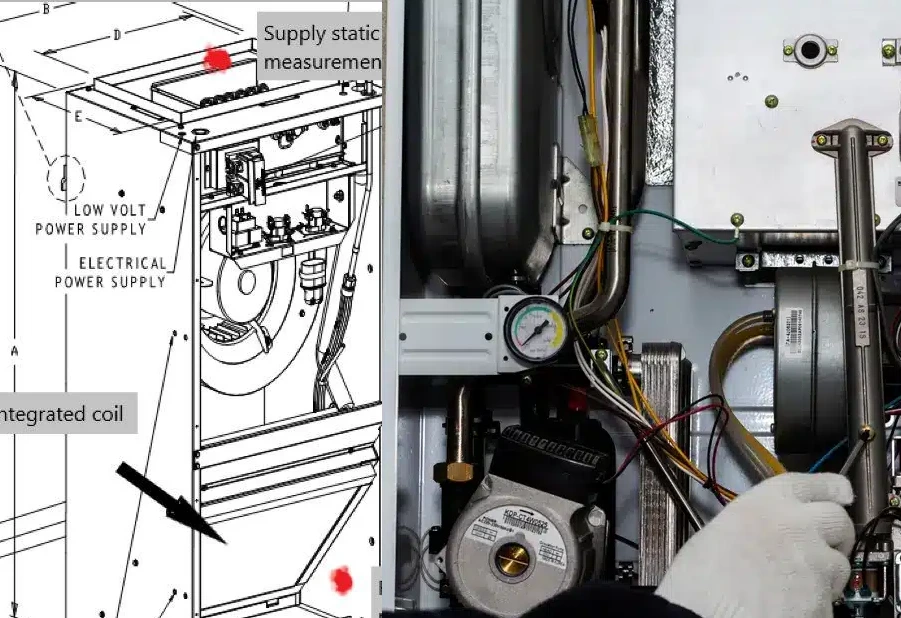
You need to measure static pressure in hvac and electrical cabinets to spot problems before they hurt your system. Start by installing 3/8-inch test ports where air enters and leaves your equipment. Use a digital pressure gauge or a Magnehelic gauge for quick readings. These tools help you see if your hvac system faces static pressure problems.
Here’s a quick look at common instruments and methods:
| Instrument/Method | Description |
|---|---|
| Digital Pressure Gauges | Give you fast, accurate static pressure readings on a display. |
| Pitot Tube | Works with a differential sensor to check pressure differences in ductwork. |
| Capture Hoods | Measure air volume and static pressure at grilles using a manometer. |
| Magnehelic Gauge | Measures air and gas pressures, easy to mount on ductwork for difference readings. |
| Balometer | Checks air volume and velocity, often includes a pressure measurement feature. |
When you measure static pressure, you can find out if your air flow drops because of dirty filters or blocked ductwork. This helps you fix static pressure problems before they cause overheating or poor ventilation.
Linkwell Cabinet Fan Applications
You want a fan that handles high static pressure in tough environments. Linkwell Cabinet Fans work well in control panels, telecom racks, and other places with lots of ductwork. These fans keep air flow steady, even when you add filters or vents.
Let’s compare Linkwell to other brands:
| Feature | Linkwell Fans | Other Brands |
|---|---|---|
| Air Volume Handling | High volumes | Varies |
| Pressure Capability | High pressures | Generally lower |
| Durability | Engineered for durability | Varies |
| Efficiency | High efficiency in industrial settings | Varies |
You get reliable air flow and fewer static pressure problems. Linkwell fans push air through ductwork and obstacles, so your equipment stays cool. You can trust these fans for maximum static pressure performance in any hvac system.
Importance for System Integrators
If you design or build electrical cabinets, you must focus on static pressure. Many engineers pick fans based only on airflow rate or CFM. That leads to static pressure problems, especially in cabinets with lots of ductwork or filters.
Here’s why you should care:
| Evidence | Explanation |
|---|---|
| Static pressure shows how hard the fan pushes air against resistance. | This keeps airflow in ductwork steady, even with obstacles. |
| High CFM but low static pressure means poor cooling. | Filters and wiring can block airflow in ductwork, causing hot spots. |
| The right static pressure rating keeps air flow strong. | This matters most in high-density cabinets or when you use high-efficiency filters. |
If you ignore static pressure, you risk improper static pressure and system failure. Always check the static pressure curve and match your fan to your hvac system’s ductwork. You avoid static pressure problems and keep your equipment safe.
Tip: Never choose a fan for your hvac system based only on airflow in ductwork. Always check static pressure ratings to avoid costly mistakes.
Static Pressure Fan vs. Standard Axial Fan
Performance Under Resistance
When you look at cooling options for your cabinet, you might wonder how static pressure fans stack up against standard axial fans. The main difference comes down to how each fan handles resistance. Static pressure fans push air flow through tight spaces, filters, and radiators. Axial fans work best in open areas where air flow moves freely. If your cabinet has lots of obstacles, you need a fan that can maintain air flow even when resistance goes up.
Static pressure fans keep air moving through filters and vents. Axial fans lose air flow quickly when you add resistance. You want to avoid hot spots and uneven cooling, so picking the right fan matters.
Efficiency in Real Enclosures
Efficiency changes when you put fans inside real enclosures. Take a look at this table to see how each fan type performs:
| Fan Type | Efficiency Characteristics | Applications |
|---|---|---|
| Static Pressure Fans | Lower static pressure efficiency; sensitive to system effects requiring well-designed plenums | Suitable for systems with higher resistance |
| Axial Fans | High airflow capability at low pressures; primarily converts energy to velocity pressure | Best for general ventilation and exhaust applications with low resistance |
Static pressure fans shine in cabinets with filters, heat exchangers, or packed equipment. Axial fans deliver maximum air flow in open spaces. You need to match the fan to your enclosure’s design for the best results.
Choosing the Right Fan with Linkwell
How do you know which fan fits your needs? Start by looking at your cabinet’s layout. If you see filters, vents, or tight corners, static pressure fans from Linkwell are your best bet. These fans push air flow through obstacles and keep temperatures steady.
Here’s a quick checklist to help you decide:
- Identify all sources of resistance in your system.
- Estimate your system’s static pressure accurately.
- Determine your required air flow (CFM).
- Find the operating point based on desired static pressure and air flow.
- Select a fan that can operate at the required point on the fan curve.
- Choose an efficient operating point on the fan curve.
- Consult Linkwell for expert advice.
If your cabinet is open and you want maximum air flow, axial fans work well. For cabinets with lots of resistance, Linkwell’s static pressure fans give you reliable cooling. You get strong air flow, steady static pressure, and peace of mind.
Tip: Always match your fan to your enclosure’s resistance. Linkwell offers PWM Fan, DC Fan, and Cabinet Fan options for every scenario.
Selecting the Best Static Pressure Fan
Interpreting Static Pressure Curves
Choosing the right fan for your cabinet starts with understanding static pressure curves. You want to match your system’s resistance and airflow needs to the fan’s performance. Here’s a step-by-step way to read these curves:
- Map out every obstacle in your system, like filters, heat sinks, and tight bends.
- Estimate your system’s static pressure using data, software, or expert advice.
- Figure out how much airflow (CFM) you need for cooling based on your thermal load.
- Find your target static pressure and airflow on the fan’s curve.
- Make sure the fan can deliver the required CFM at your needed static pressure.
- Aim for the middle third of the curve for the best efficiency.
- Reach out to the manufacturer if you’re unsure about your choice.
Static pressure specifications help you avoid overheating and keep your equipment safe. When you use this method, you get a fan that fits your hvac system perfectly.
Noise, Voltage, and Reliability
You need to balance noise, voltage, and reliability when picking a static pressure fan. Here are some things to keep in mind:
- Static pressure fans move air through tight spaces, which helps your hvac system stay reliable.
- Lower RPMs mean less noise, so look for fans that perform well without running at full speed.
- Fans with higher voltage are more efficient and use less current. Make sure your fan matches your cabinet’s voltage supply.
- More airflow usually means more noise. Axial fans are quieter than blowers, so they work better in noise-sensitive places.
- Running fans at high speeds all the time can make them noisy and shorten their lifespan.
If you want a quiet and reliable hvac setup, choose fans that balance these factors.
Linkwell’s Custom Solutions
Linkwell gives you plenty of options to customize your fan for any hvac application. You can pick the size, voltage, and speed that fit your needs. Linkwell also offers global logistics and technical support, so you get the right solution fast.
| Customization Aspect | Details |
|---|---|
| Size | Custom sizes available |
| Voltage | Custom voltage options |
| Speed | Adjustable speeds from 1,000 to 30,000 RPM |
| Services | OEM and ODM services offered |
You can add features like PWM, FG, or RD for speed control and performance monitoring. Linkwell’s fans come with certifications such as CE, RoHS, ISO9001, ISO14001, UL, and TÜV. These certifications mean you get safe and reliable products for your hvac and electrical cabinets.
Tip: For best results, place intake fans low and exhaust fans high. Keep airflow paths clear and balance intake and exhaust. Clean filters and fans regularly to keep your hvac system running smoothly.
Regular maintenance matters. Replace air filters, keep vents open, inspect ductwork, and clean grilles. Schedule airflow testing to make sure your system performs well year after year.
Conclusion
You now know why static pressure fans matter so much for your electrical cabinets and HVAC systems. These fans do more than just move air—they protect your equipment from heat and keep everything running smoothly. When you use the right fan, you avoid costly downtime and extend the life of your system.
Static pressure fans play a key role in keeping motors and electrical components safe. Here’s what happens when you get static pressure right:
- Motors run at the correct speed and temperature, which helps prevent overheating.
- Fans and blowers work efficiently, moving air where it’s needed most.
- Your system stays reliable, and you avoid sudden failures or expensive repairs.
Linkwell stands out as a leader in this field. With over 20 years of engineering experience, Linkwell has pushed the boundaries of static pressure fan technology. The company uses advanced fluid dynamics and motor technology to design fans that handle tough industrial cooling jobs. You get energy savings, lower operating costs, and stable performance—even in demanding environments. Linkwell’s use of EC technology and smart control systems means you can trust their fans to deliver results.
Let’s look at how Linkwell fans perform in real-world situations:
| Fan Type | Power Draw Change | Airflow Rate Change | Efficacy Improvement |
|---|---|---|---|
| ECM | 46% – 58% increase | Maintained airflow | 43% higher than PSC |
| PSC | 10% – 23% decrease | Reduced airflow | Lower efficacy |
You can see that Linkwell’s ECM fans keep airflow steady and improve efficiency, even when the system faces resistance. That means your equipment stays cool and your energy bills stay low.
If you want peace of mind and reliable cooling, choose a static pressure fan from Linkwell. You get expert support, custom solutions, and products trusted by top brands worldwide. Protect your system—make the smart choice for your next project.
You want your electrical systems to stay cool and run smoothly. Static pressure fans help you beat heat and keep your equipment safe. Linkwell gives you reliable products and expert support. You get custom solutions for any project.
Ready to upgrade your cooling?
Reach out to Linkwell for advice, technical help, and products you can trust.
- Protect your system from overheating
- Choose fans built for tough environments
- Get support from a global leader
FAQ
What is the main difference between a static pressure fan and a regular fan?
You get stronger airflow through obstacles with a static pressure fan. Regular fans work best in open spaces. Static pressure fans push air through filters, vents, and tight cabinet spaces.
How do I know which static pressure fan fits my cabinet?
Check your cabinet for filters, vents, or tight spots. Look at the fan’s static pressure and airflow ratings. You can ask Linkwell for help if you need advice.
Can I use a static pressure fan in outdoor enclosures?
Yes, you can. Static pressure fans from Linkwell handle outdoor conditions well. They work in cabinets with dust, moisture, and high resistance. You get reliable cooling for tough environments.
How often should I clean or replace my cabinet fan?
You should inspect your fan every few months. Clean filters and vents regularly. Replace the fan if you notice noise, reduced airflow, or wear. This keeps your system safe and cool.