A 3 phase electrical distribution panel is a central box designed to control and organize electricity for large buildings or facilities. With a 3 phase electrical distribution panel, you can safely divide power from the main source and distribute it to various areas or machines throughout your operation. Most factories and large businesses depend on a 3 phase electrical distribution panel because it efficiently manages higher power demands and ensures smooth, reliable performance.
In fact, industrial and commercial sites account for about 80% of the market for 3 phase electrical distribution panel solutions. Inside the panel, you’ll find essential components like breakers and busbars that protect your circuits and guarantee safe, consistent electricity flow.
3 Phase Electrical Distribution Panel Key Takeaways
- A 3 phase electrical distribution panel safely divides and controls power for large buildings and heavy machinery.
- It uses three separate wires to deliver steady, balanced electricity, making it more efficient than single-phase panels.
- Key parts like breakers and busbars protect circuits and keep power flowing smoothly and safely.
- Three-phase panels handle bigger loads, reduce energy costs, and extend equipment life in factories and data centers.
- Choosing a quality, customizable panel that meets safety standards ensures reliable power and protects your investment.
3 Phase Electrical Distribution Panel

What Is a 3 Phase Electrical Distribution Panel
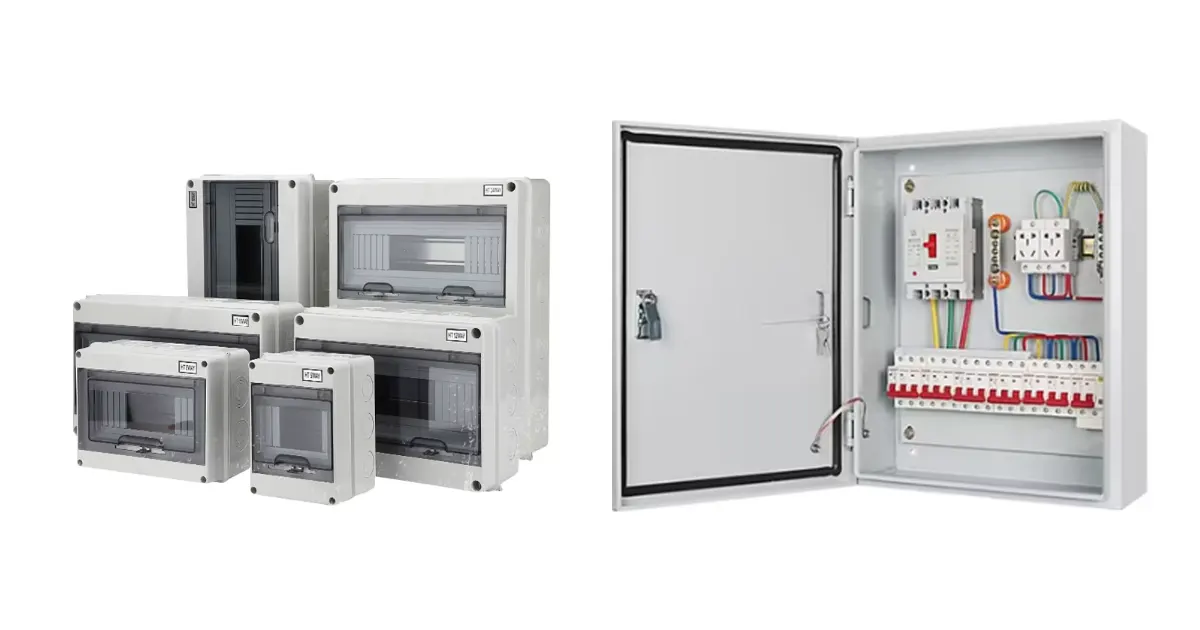
When you walk into a factory or a large commercial building, you might notice a big metal box on the wall. That’s the electric distribution board, also called a 3 phase electrical distribution panel. This panel acts like the heart of your building’s power system. It takes in electricity from the main supply and splits it up, sending the right amount of power to different machines, lights, and equipment. You can think of it as a traffic controller for electricity, making sure everything runs smoothly and safely.
In the industry, people rely on the electric distribution board to handle high power loads. It keeps your operations safe by protecting circuits from overloads or short circuits. If something goes wrong, the panel’s breakers will trip, cutting off power to prevent damage or fire. For businesses that need reliable and steady power, the 3 phase electrical distribution panel is a must-have.
At Linkwell, we design and build electric distribution boards for all kinds of industries. Our panels meet strict international standards and work well in tough environments. You can find our 3 phase distribution box in factories, data centers, telecom cabinets, and even outdoor setups. We offer custom solutions, so you get a panel that fits your exact needs. With Linkwell, you get more than just a product—you get a partner who supports your project from start to finish.
Three-Phase Electrical Service
You might wonder what makes three-phase electrical service different from the power you use at home. Here’s a quick breakdown:
- Three-phase electrical service uses three separate wires, each carrying its own current. This setup delivers power in a balanced way, which helps large machines run smoothly.
- Most electric distribution boards in factories and big buildings use three-phase distribution because it supports higher voltages and bigger loads.
- There are two main wiring setups: wye (which includes a neutral wire and is common in commercial buildings) and delta (often used in heavy industry).
- Compared to single-phase service, which is typical in homes, three-phase electrical service can handle more complex wiring and higher power needs.
- You’ll see three-phase systems in places like manufacturing plants, data centers, hospitals, and large office buildings. These locations need steady, reliable power for things like motors, elevators, HVAC, and lighting.
Tip: If your business relies on heavy equipment or needs to keep things running 24/7, a 3 phase distribution box is the smart choice. It keeps your power balanced and your operations efficient.
The electric distribution board is the backbone of these systems, making sure every part of your facility gets the power it needs. With a quality electrical distribution board from Linkwell, you can trust your power supply to stay safe and reliable, no matter how demanding your environment.
How Does a 3-Phase Distribution Board Work

Main Components
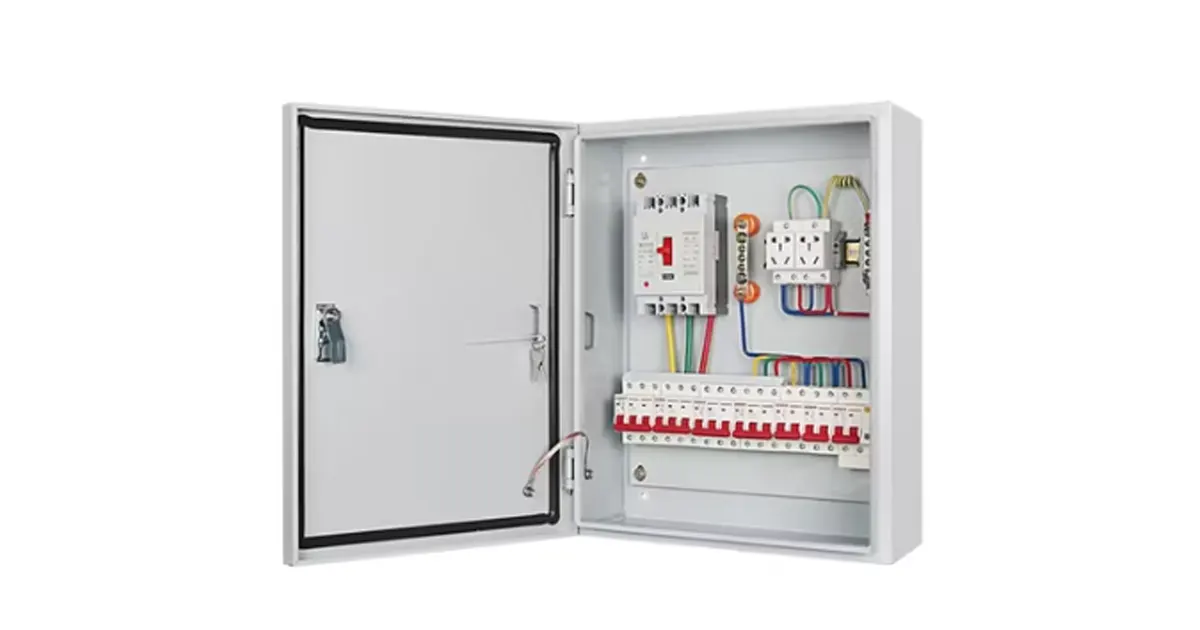
When you open an electric distribution board, you’ll see several key parts working together to keep your power safe and organized. Here’s what you’ll typically find inside a 3-phase distribution board:
- Main Breaker: This is the big switch that controls all the power coming into your building. You can shut off everything with this one device, which is important for emergencies or maintenance. The main breaker also protects your system by tripping if there’s an overload or short circuit.
- Circuit Breakers (MCBs and MCCBs): These smaller switches protect individual circuits. MCBs handle smaller loads like lights and outlets, while MCCBs manage bigger machines. If something draws too much power or there’s a fault, the breaker trips and cuts off electricity to just that area.
- Busbars and Terminal Blocks: Busbars are thick metal strips that carry electricity from the main breaker to all the circuit breakers. Terminal blocks help organize and secure the wiring, making sure everything stays neat and safe.
- Residual Current Devices (RCDs) and Earth Leakage Circuit Breakers (ELCBs): These devices watch for any electricity leaking out of the system, which could cause shocks or fires. If they detect a problem, they instantly cut the power.
- Neutral and Earth Bars: These bars provide safe paths for electricity to return to the ground or the power source. They help prevent shocks and keep your system stable.
Note: The main distribution board acts as the central hub, receiving power from the utility and sending it out to different circuits. This setup is essential in places with heavy machinery, where you need reliable and steady power.
Power Flow and Protection
So, how does a 3-phase distribution board work in real life? Let’s walk through the journey of electricity:
Power from the utility company arrives at your building through three separate wires, each carrying electricity that’s 120 degrees out of phase with the others. This is what makes it a three-phase system. The utility might use a three-phase delta or a three-phase wye setup, depending on your location and needs. Transformers step down the voltage to safe levels before it enters your electric distribution board.
Once inside, the main breaker becomes the first line of defense. It manages the high-power load and can shut off all electricity if needed. The main breaker also balances the load across all three phases, which keeps your system running efficiently and prevents any one phase from getting overloaded.
From there, busbars distribute the power to the individual circuit breakers. Each circuit breaker protects a specific area or piece of equipment. If a machine draws too much current or there’s a short circuit, the breaker trips and isolates just that circuit. This means the rest of your building keeps running smoothly, and you avoid a total blackout.
RCDs and ELCBs add another layer of safety. They detect any leakage or imbalance in the current, which could mean a wire is damaged or someone is at risk of electric shock. These devices act fast, cutting off power before anyone gets hurt.
The neutral and earth bars make sure any stray electricity has a safe path to follow. This reduces the risk of shocks and helps stabilize your system, especially in environments with lots of sensitive equipment.
A 3-phase distribution board uses a layered approach to protection. Main breakers, circuit breakers, and RCDs work together to spot problems early and keep your facility safe. This setup also allows you to balance the load across all three phases, which is key for efficient power distribution and long-term reliability.
Linkwell’s electric distribution boards stand out because they meet strict international safety standards like UL, CE, and IEC. The enclosures use flame-retardant materials and are built tough for harsh environments. You can customize your board for different materials, sizes, and layouts, so it fits your exact needs—whether you’re running a factory, a telecom cabinet, or a data center. With Linkwell, you get a solution that’s safe, durable, and ready for any challenge.
Tip: If you want a distribution board that keeps your operations running smoothly and safely, look for one that meets international standards and offers customization. Linkwell’s products check all those boxes.
3 Phase vs Single Phase Panels
Key Differences
When you compare a 3-phase distribution board to a single-phase panel, you notice some big differences in how they deliver and manage power. Let’s break it down in a simple table:
| Factor | Single Phase Panelboards | Three Phase Panelboards |
|---|---|---|
| Power Delivery | Power delivered in a single wave with brief pauses, causing intermittent power flow. | Power delivered via three waves spaced 120° apart, ensuring continuous and steady power flow. |
| Efficiency | Less efficient for heavy or continuous loads. | More efficient, especially for industrial and large commercial loads. |
| Load Capacity | Suitable for small loads such as residential appliances and small offices. | Designed to handle large, continuous loads like industrial machines and HVAC systems. |
| Cost | Lower initial installation and maintenance costs. | Higher upfront cost but more economical long-term for large setups due to efficiency. |
| Design Complexity | Simple design, easier to install and maintain. | More complex design requiring professional installation and maintenance. |
| Safety | Safe for residential and light commercial use. | Requires stronger safety measures due to higher voltages and currents. |
| Typical Use | Homes, small offices, shops. | Industrial plants, data centers, large commercial buildings. |
You can see that single-phase electric distribution boards work well for homes and small offices. They keep things simple and cost-effective. If you run a factory or a large building, though, you need the power and reliability that only a 3-phase distribution board can provide.
Advantages of 3-Phase Distribution Board
Why do so many businesses choose 3-phase electrical distribution boards? Here are the main reasons:
- You get up to 73% more usable power through the same size wires. That means you can run bigger machines and more equipment without upgrading your cables.
- Power delivery stays steady. At least one phase is always near peak voltage, so your motors and heavy equipment run smoother and last longer.
- You only need one extra wire compared to single-phase, but you can transmit three times as much power. This saves on wiring costs and makes installation more efficient.
- 3-phase electric distribution boards balance the load across all three phases. This prevents overloading and keeps your system stable, even during busy hours.
- Motors and pumps designed for 3-phase power use less energy and cost less to operate. You save money on your energy bills and reduce maintenance.
- Large buildings and industrial plants rely on 3-phase electrical distribution boards because single-phase panels just can’t handle the demand. You get better management of power factor, which lowers your operational costs.
- The continuous power flow reduces vibration and wear on your equipment, extending its lifespan and improving reliability.
Tip: If you want your facility to run efficiently and safely, especially with heavy machinery, a 3-phase distribution board is the way to go. It’s the backbone of modern industrial power systems.
Benefits of 3 Phase Distribution Box
Efficiency and Stability
When you use a 3 phase distribution box, you get a big boost in both efficiency and stability for your electrical system. Three-phase power delivers a steady, balanced flow of electricity. This means your machines and equipment run smoother, with fewer power dips or surges. If one phase has a problem, the other two keep working, so you avoid sudden blackouts and keep your operations running.
Here’s what you gain with a 3 phase distribution box:
- Balanced load distribution keeps your circuits from overloading.
- Continuous power supply helps prevent equipment failures and blackouts.
- Improved energy efficiency lowers your utility bills and reduces wasted power.
- Built-in protection features, like circuit breakers and surge protection, keep your equipment safe and extend its lifespan.
- Stable voltage output means sensitive devices and heavy-duty motors work better and last longer.
You also save money over time. Three-phase systems reduce energy losses and lower maintenance costs. They use less conductor material, which cuts down on installation expenses. You can even scale up your system easily if your power needs grow.
Tip: If you run a business that needs reliable, 24/7 power—like a factory or data center—a 3 phase distribution box gives you the stability and efficiency you need.
Industrial Applications
You’ll find 3 phase distribution boxes in all kinds of industrial settings. They power heavy machinery, conveyor belts, pumps, and large HVAC systems. In factories, these boxes keep production lines moving by delivering steady power to motors and drives. In data centers, they protect sensitive IT equipment from voltage drops and surges. Hospitals use them to ensure medical devices always have a stable power supply.
Here’s a quick look at where you might use a 3 phase distribution box:
| Industry | Common Uses |
|---|---|
| Manufacturing | Motors, automation, welding, heavy machinery |
| Data Centers | Servers, telecom racks, cooling systems |
| Healthcare | Imaging equipment, life-support, lab devices |
| Infrastructure | Elevators, lighting, HVAC, pumps |
Linkwell’s 3 phase distribution boxes stand out because they meet strict international standards and offer robust, anti-corrosion designs. You can customize them for your industry, whether you need extra protection for outdoor use or a special layout for your control room. With Linkwell, you get a solution built for your exact needs, backed by expert support and fast delivery.
You’ve learned how a 3 phase electrical distribution panel keeps your facility safe, efficient, and ready for growth. Choosing a high-quality panel, like those from Linkwell, means you get advanced safety features, durable materials, and easy upgrades.
Before you pick a panel, think about these key factors:
- Make sure it meets safety codes and standards.
- Check if it fits your current and future power needs.
- Look for strong protection against overloads and surges. If you’re unsure, reach out to an expert for advice. The right panel helps your business run smoothly for years to come.
FAQ
What is the main job of a 3 phase electrical distribution panel?
You use a 3 phase electrical distribution panel to split power from the main supply and send it safely to different circuits. It keeps your equipment running smoothly and protects against overloads or short circuits.
How does a 3-phase distribution board work to keep my facility safe?
A 3-phase distribution board uses circuit breakers and other safety devices to watch for problems. If something goes wrong, like a short circuit, the board cuts power to that area. This helps prevent damage and keeps your building safe.
Where do you usually find three-phase electrical service?
You see three-phase electrical service in factories, hospitals, and big office buildings. These places need steady power for machines, elevators, and lighting. Homes usually use single-phase, but large facilities rely on three-phase distribution for better efficiency.
What’s the difference between three-phase delta and three-phase wye setups?
Three-phase delta uses three wires in a triangle shape, often for heavy industry. Three-phase wye adds a neutral wire, making it common in commercial buildings. Both setups help with power distribution, but your choice depends on your equipment and needs.
Can I customize my 3 phase distribution box for special projects?
Yes! You can customize your 3 phase distribution box for size, material, and layout. This makes it easy to fit your project, whether you need extra protection outdoors or a special setup for your control room.