You want to pick the right cable gland for your project. Choose plastic cable glands when you need a lightweight, cost-effective option for indoor setups. Metal cable glands work best in tough environments where durability and protection matter most. Think about what your project needs:
- Environmental conditions like moisture, dust, and chemicals
- Cost and how long your cables should last
- Safety and meeting industry standards
Plastic Cable Glands VS Metal Cable Glands can make a big difference, so let’s break down what works for you.
Key Takeaways
- Choose plastic cable glands for lightweight, cost-effective solutions in indoor settings.
- Select metal cable glands for durability and protection in harsh environments with high temperatures.
- Consider environmental factors like moisture and chemicals when selecting cable glands.
- Check the IP rating to ensure the cable gland meets safety and performance standards for your project.
- Consult experts if unsure about the best cable gland for your specific needs.
Plastic Cable Glands
Features of Plastic Cable Glands
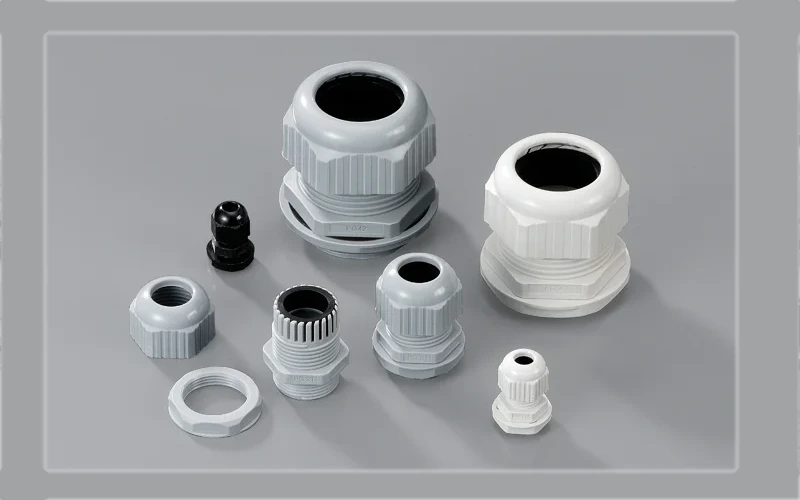
When you look at a plastic cable gland, you notice how light it feels in your hand. Most plastic cable glands use high-quality engineering plastics like polyamide (nylon), polyethylene, or polypropylene. These materials give you a strong, reliable seal for your cables. You often see them in control cabinets or machinery where you want to keep dust and moisture out. Many plastic cable glands come with an IP66, IP67, or even IP68 rating, so you know they can handle tough environments. Here’s a quick look at what makes them stand out:
| Material Type | Benefits | Design Features |
|---|---|---|
| Polyamide (Nylon) | Excellent mechanical strength, chemical resistance, and durability | Ingress protection (IP) rating for dust and moisture prevention |
| Polyethylene | Lightweight and easy to install | Compatible with a wide range of cable types and sizes |
| Polypropylene | Cost-effective for non-corrosive environments | Designed to meet stringent IP standards for reliable performance in harsh conditions |
Tip: Many plastic cable glands are designed for easy installation and work with many cable sizes.
Advantages of Plastic Cable Glands
You get a lot of benefits when you choose a plastic cable gland. First, they are much lighter than metal options, which makes them easier to handle and install. You also save money because plastic cable glands cost less, especially when you need a lot of them for a big project. They resist corrosion, so you do not have to worry about rust. Many plastic cable glands offer strong UV resistance, making them a smart pick for outdoor use like telecom stations or control boxes exposed to rain. They also provide excellent sealing, keeping your cables safe from water and dust.
- Lightweight and easy to install
- Lower cost for large installations
- Corrosion and UV resistant
- Good sealing for dust and moisture
- Meet strict safety standards with IP66, IP67, or IP68 ratings
Limitations of Plastic Cable Glands
Plastic cable glands do have some limits. If you use a plastic cable gland in a high-temperature area, it might deform or crack. In very cold places, some plastics can become brittle. If you need to protect cables in a place with lots of movement or vibration, a plastic cable gland may not give you the best stress relief. Chemicals can also damage some plastics, causing them to swell or lose strength. If you pick a plastic cable gland rated for indoors and use it outside, it might fail sooner than you expect. You also need to check the IP rating to make sure it matches your environment.
- Not ideal for high temperatures or heavy mechanical stress
- Can crack in cold weather
- Some chemicals may cause damage
- Needs the right IP rating for your application
- May not provide electrical grounding in explosive areas
Metal Cable Glands
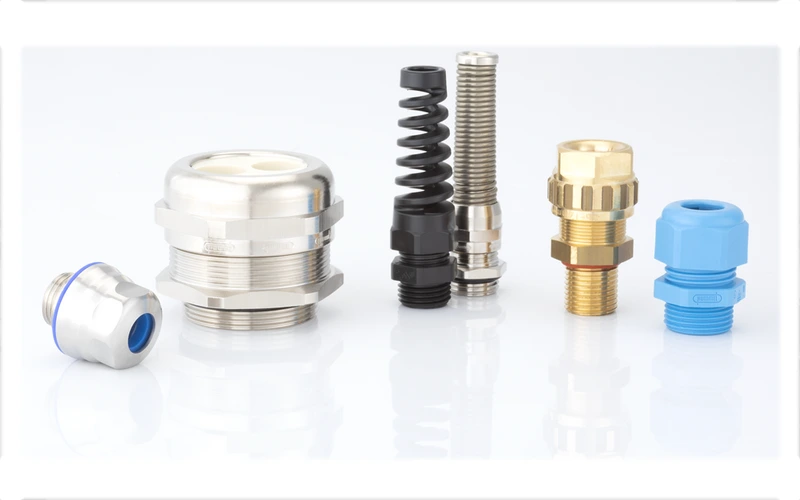
Features of Metal Cable Glands
When you pick up a metal cable gland, you feel the difference right away. These cable glands use tough materials like brass, stainless steel, or aluminum. You get a product that stands up to crushing, impact, and pulling forces. Metal cable glands work well in places with high temperatures, sometimes from –40°C up to +120°C or more. They also handle harsh chemicals and keep your cables safe in aggressive environments. If you need electromagnetic shielding, a metal cable gland is your best choice. It blocks interference and helps with grounding, which is important for armored cables.
Note: Most metal cable glands come with high IP ratings, like IP66 or IP68, so they keep out dust and water even in tough conditions.
| IP Rating | Protection Against | Typical Use Case |
|---|---|---|
| IP65 | Dust-tight, water jets from any direction | Indoor or mild outdoor environments |
| IP67 | Dust-tight, immersion up to 1 meter | Outdoor, temporary submersion |
| IP68 | Dust-tight, continuous immersion beyond 1 meter | Permanent underwater or harsh marine settings |
Advantages of Metal Cable Glands
You get a lot of benefits when you use a metal cable gland. These cable glands protect your cables from dust, moisture, vibration, and chemicals. They give strong mechanical stress relief, so your cables last longer even if they get pulled or twisted. Metal cable glands meet strict safety standards and can even prevent sparks in explosive areas. Their tough build means they resist corrosion, vibration, and extreme temperatures. If you need to block electromagnetic interference, a metal cable gland does the job better than plastic.
| Advantage | Description |
|---|---|
| Improved Cable Security | Keeps cables safe from damage and harsh environments |
| Mechanical Stress Relief | Stops wear from pulling, twisting, or vibration |
| Enhanced Safety Standards | Lowers risks of short circuits, shocks, and explosions |
| Explosion-Proof Design | Stops sparks from igniting flammable gases or liquids |
| Durable Construction | Brass and stainless steel resist corrosion, vibration, and temperature swings |
Limitations of Metal Cable Glands
Metal cable glands do have some downsides. You will notice they cost more than plastic options, especially if you choose stainless steel. Brass cable glands are cheaper but can still corrode in some settings. Metal cable glands are heavier and can be harder to install, which might slow down your project. You also need to pick the right size and material, or you could run into safety problems. If you have a tight budget or need a quick install, a metal cable gland may not be the best fit.
- Brass cable glands cost less than stainless steel, but both are pricier than plastic.
- Stainless steel cable glands last longer but take more time to get.
- Metal cable glands can be heavy and tricky to install, which adds to your costs.
Plastic Cable Glands vs Metal Cable Glands Comparison
Quick Reference Table
You want a fast way to compare plastic cable glands vs metal cable glands. Here’s a table that lays out the most important features side by side. This makes it easy for you to spot the differences and decide which option fits your project best.
| Feature | Plastic Waterproof Cable Gland | Metal Waterproof Cable Gland |
|---|---|---|
| Weight | Lightweight | Heavier |
| Corrosion Resistance | Excellent in mild environments | Excellent in harsh or chemical environments |
| Mechanical Strength | Moderate | High |
| Temperature Resistance | Moderate (~80°C max) | High (up to 200°C or more) |
| Cost | Lower | Higher |
| EMI Shielding | No | Yes |
| Installation Ease | Easy | Moderate due to weight |
| Suitable Environments | Indoor, low-impact, mild moisture | Industrial, high-impact, outdoor, chemical exposure |
Tip: If you need EMI shielding or plan to install cable glands in a place with extreme temperatures, metal cable glands are usually the better choice.
Main Differences
When you look at plastic cable glands vs metal cable glands, you notice some clear differences. Plastic cable glands are lightweight, so you can use them in portable devices or places where weight matters. They cost less because manufacturers use efficient injection molding processes. This makes them a smart pick for large projects where you need hundreds or thousands of cable glands.
Metal cable glands stand out for their durability. You get high mechanical strength, which means they can handle tough environments and lots of physical stress. If your project faces vibration, impact, or heavy pulling, metal cable glands keep your cables safe. They also offer better temperature resistance. You can use them in places where temperatures reach up to 200°C or more, while plastic cable glands may start to crack or deform above 80°C.
Corrosion resistance is another key factor in the plastic cable glands vs metal cable glands debate. Plastic cable glands resist corrosion well in mild environments and when exposed to chemicals. Metal cable glands, especially those made from stainless steel, provide excellent corrosion resistance in harsh or chemical-heavy settings. Brass cable glands can corrode in some environments, so you need to choose the right metal for your application.
You also need to think about installation. Plastic cable glands are easy to install and handle, which saves you time. Metal cable glands take more effort because they are heavier and sometimes require special tools. If you need EMI shielding or grounding, metal cable glands are the only option. Plastic cable glands do not block electromagnetic interference.
To sum up, plastic cable glands vs metal cable glands comes down to your project’s needs. If you want something lightweight, cost-effective, and easy to install, plastic cable glands work well. If you need strength, temperature resistance, and protection in harsh environments, metal cable glands are the way to go.
Choosing the Right Cable Gland
Environmental Factors
You want your cable glands to last, so you need to think about the environment where you’ll use them. Moisture, temperature swings, and chemical exposure can make or break your choice. Here’s what you should consider:
- Plastic cable glands, like polyamide or PVC, work well indoors and in places with low mechanical stress. They’re lightweight, corrosion-resistant, and a cost-effective solution for many projects. You get good protection from water and dust, but they don’t handle extreme temperatures or harsh chemicals very well.
- Metal cable glands, such as aluminum, stainless steel, or brass, offer superior mechanical strength. Stainless steel stands up to marine and chemical environments, aluminum gives you corrosion resistance without much weight, and brass brings high mechanical strength but may need extra protection against corrosion.
Tip: If you expect salt spray, chemicals, or big temperature changes, metal cable glands are usually the safer bet.
Electrical & Mechanical Needs
Your project’s electrical and mechanical requirements play a big role in your decision. You want to keep your cables safe and secure, so let’s break down what each material offers:
| Material | Advantages | Suitable Environments |
|---|---|---|
| Plastic (Nylon) | Lightweight, corrosion resistant, economical | General industrial, indoor |
| Nickel-plated brass | Superior mechanical strength, corrosion resistant | Industrial, distribution boxes, outdoor |
| Stainless Steel 304/316 | Superior mechanical strength, high corrosion resistance | Marine, chemical, hazardous |
You get superior mechanical strength from metal cable glands, which means they hold up better in places with vibration, pulling, or twisting. If you need enhanced security for your cables, metal is the way to go. Plastic cable glands are easy to install and work well for general industrial use, especially when you want a cost-effective solution.
Note: For hazardous areas, always choose explosion-proof certified cable glands to meet safety requirements.
Safety & Standards
Safety comes first, especially in hazardous locations. You need to make sure your cable glands meet international standards and certifications. Here’s a quick look at what you should check:
| Certification | Description |
|---|---|
| CE | Compliance with EU safety standards |
| ATEX | Equipment for explosive atmospheres in the EU |
| IECEx | Global certification for explosive atmospheres |
| NEC | National Electrical Code standards (USA) |
| CEC | Canadian Electrical Code standards (Canada) |
| IEC 60079-1 | Flameproof enclosure standard |
| Ex d | Flameproof equipment certification |
| Ex e | Increased safety equipment certification |
If you need explosion-proof protection, metal cable glands are your best choice. They offer waterproof, dustproof, and explosion-proof features, while plastic cable glands usually don’t have explosion-proof certification. You get enhanced security and peace of mind when you choose certified products.
Budget & Installation
You want to keep costs under control, but you also need reliable performance. Here’s how plastic and metal cable glands compare:
- Plastic cable glands save you money right away. They’re lighter, so you get ease of installation and don’t need special tools. Nylon cable glands also cut down on long-term maintenance costs, making them a smart pick for reliable systems.
- Metal cable glands cost more upfront, but they last longer and need less maintenance. You get superior mechanical strength and enhanced security, which makes them perfect for industrial and outdoor jobs.
- Specialized cable glands with environmental protection features can push your initial costs higher, but they pay off with longer service life.
| Type | Maintenance Cost | Replacement Cost | Durability | Corrosion Resistance |
|---|---|---|---|---|
| Plastic | Low | Low | High | Excellent |
| Metal | High | High | Moderate | Poor |
Note: Regular inspections help you catch problems early, especially with plastic cable glands in tough environments.
Application Scenarios
You want to match your cable gland to your project’s needs. Here are some common scenarios:
| Type of Cable Gland | Advantages | Common Application Scenarios |
|---|---|---|
| Plastic | Cost-effective solution, corrosion-resistant, lightweight, electrically insulated | Cost-sensitive, humid or corrosive environments, general industrial and commercial settings |
| Metal | Superior mechanical strength, enhanced security, higher temperature resistance, EMI/RFI shielding | High-stress, high-temperature, security-sensitive applications, harsh environments |
- Use plastic cable glands for indoor setups, control cabinets, and places where you want something easy to install and budget-friendly.
- Choose metal cable glands for outdoor installations, chemical plants, marine environments, and anywhere you need enhanced security or higher temperature resistance.
- If you’re not sure which cable gland fits your project, reach out to LINKWELL. Their experts can help you pick the best option for your specific needs.
Ready to make your choice? Think about your environment, safety standards, budget, and installation needs. If you need help, LINKWELL is just a call away.
Choosing between plastic and metal cable glands comes down to your project’s needs. Here’s a quick look at the main factors:
| Factor | Plastic Cable Glands | Metal Cable Glands |
|---|---|---|
| Weight | Lightweight, easy to handle | Heavier, more robust |
| Corrosion Resistance | Excellent for most outdoor uses | Depends on material, stainless is best |
| Temperature Tolerance | Lower, not for extreme heat | Higher, handles tough environments |
| Application Needs | Great for general or light-duty projects | Best for heavy-duty or industrial setups |
Don’t forget, people often make mistakes like ignoring the environment, picking the wrong size, skipping accessories, or choosing low-quality glands. If you want to avoid these issues, reach out to LINKWELL for expert help. You’ll get the right cable gland for your project every time!
FAQ
What is the main difference between plastic and metal cable glands?
Plastic cable glands work best for light-duty and indoor jobs. Metal cable glands handle tough environments and offer better protection. You should pick based on your project’s needs.
Can I use plastic cable glands outdoors?
You can use plastic cable glands outdoors if they have a high IP rating and UV resistance. Always check the manufacturer’s specs before installing them outside.
Do metal cable glands provide electrical grounding?
Yes, metal cable glands offer electrical grounding. They help protect against electromagnetic interference and improve safety in hazardous areas.
How do I choose the right cable gland size?
You need to match the cable gland size to your cable’s diameter. Most manufacturers provide sizing charts. Measure your cable and check the chart before buying.
| Cable Diameter (mm) | Recommended Gland Size |
|---|---|
| 4 – 8 | LINKWELL 12 |
| 8 – 12 | LINKWELL 16 |
| 12 – 16 | LINKWELL 20 |