You might wonder what normal cpu fan speed means for your computer. For most setups, normal cpu fan speed sits between 600-800 RPM when idle, jumps to 1500 RPM under moderate load, and can reach 3500-4000 RPM during heavy use. The right normal cpu fan speed depends on your fan size, the airflow inside your case, and how hot your CPU gets. Some people think more fans or running them full speed always helps, but normal cpu fan speed works best when fans are placed correctly and not pushed to the max. When you keep normal cpu fan speed in the right range, your system stays cool and healthy. Fan arrangement matters, so normal cpu fan speed is not just about airflow—it’s about smart cooling.
- Common misconceptions:
- More fans always lead to better cooling.
- Fans perform best at full speed.
- Fan configuration doesn’t matter if there is enough airflow.
Key Takeaways
- Normal CPU fan speed is crucial for keeping your computer cool. Aim for 600-800 RPM when idle and 3500-4000 RPM under heavy load to prevent overheating.
- Regularly check and clean your CPU fan to ensure optimal performance. Dust buildup can block airflow and lead to higher temperatures.
- Adjust fan speed using BIOS or software to avoid thermal throttling. This keeps your CPU running smoothly during demanding tasks like gaming or video editing.
Normal CPU Fan Speed and Cooling
Fan Speed and CPU Temperature
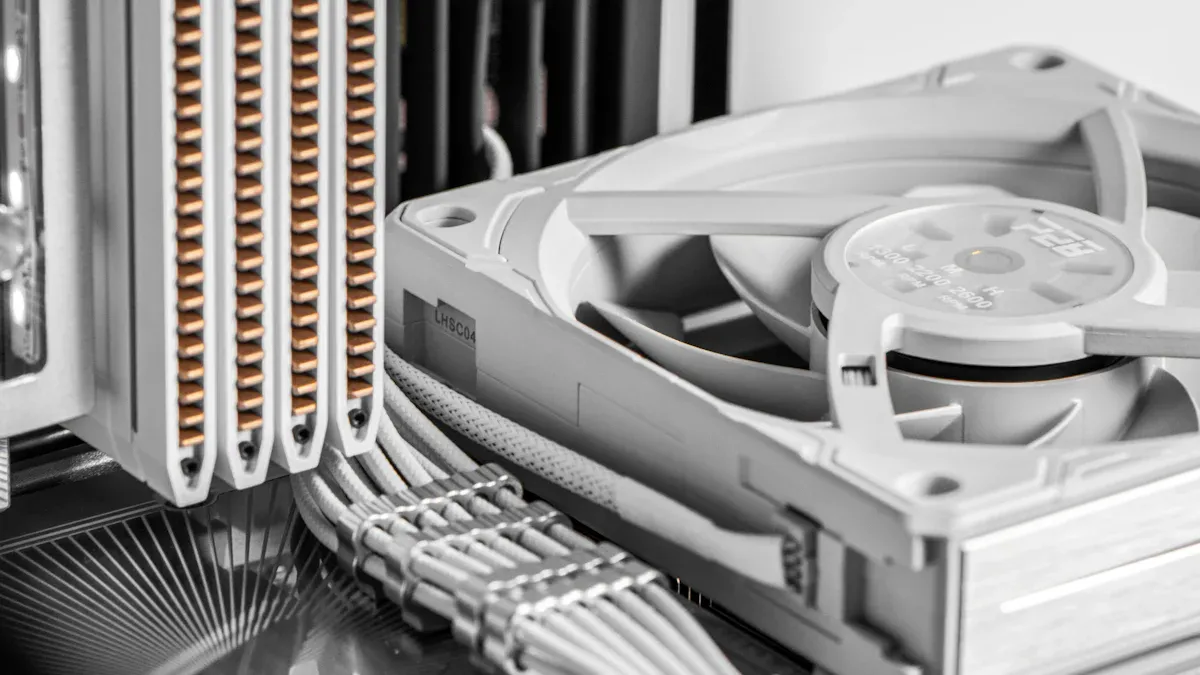
You might think that cpu fan speed is just a number, but it plays a huge role in processor cooling. When your cpu sits idle, the fan might not spin at all, keeping noise low. As you start gaming or editing videos, fan speed jumps to keep cpu temperature in check. Most systems run at 2300-2500 RPM when the cpu temperature hits 55°C. If you push your cpu harder, fan speed can climb into the low 3000s RPM at 75°C, and even reach 3700 RPM when cpu temperature gets close to 95°C. Here’s a quick look at how fan speed matches up with cpu temperature:
| CPU Temperature (°C) | Fan RPM (Range) |
|---|---|
| Idle (48-50) | 0 |
| 55 | 2300-2500 |
| 75 | Low-mid 3000s |
| 95 | Up to 3700 |
| Heavy Load | Up to 6000 (occasionally) |
You want your cpu fan speed to stay in the ideal cpu fan speed range for optimal cooling. If the fan spins too slowly, cpu temperature rises, and processor cooling suffers. When you keep fan speed balanced, your cpu stays cool and runs smoothly.
Preventing Overheating
Let’s talk about why fan speed matters for preventing overheating. If your fan can’t keep up, cpu temperature climbs fast. You might see errors or even system shutdowns. A user once reported their cpu overheating at 88°C because the fan wasn’t working right. Sometimes, a dead pump or a slow fan can cause cooling system failure. You don’t want your processor cooling to fail during a big project or a gaming session.
Here’s what happens as cpu temperature rises:
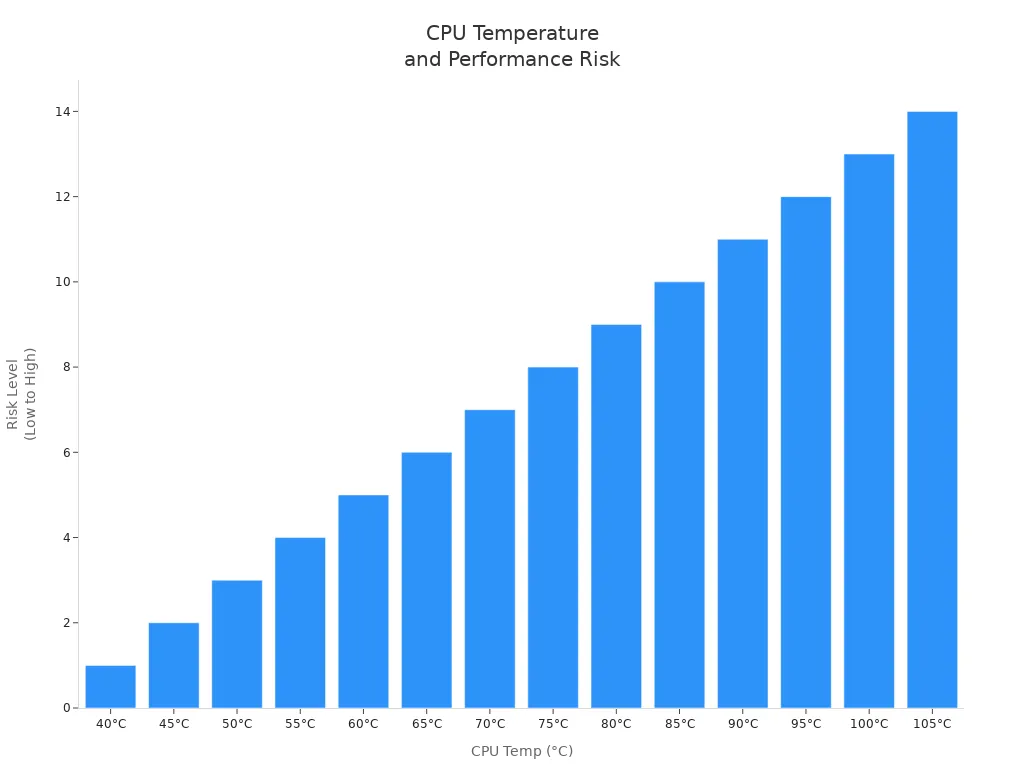
- If cpu temperature hits 100°C, you risk damage and performance drops.
- At 95°C, your cpu might throttle, slowing down to protect itself.
- Staying below 75°C keeps your cpu safe under load.
You should aim for ideal cpu fan speed, usually around 3500-4000 RPM, to keep your processor cooling strong. In compact cases, poor fan speed can raise temperature and hurt other parts. Good cooling means your cpu stays healthy, and you avoid costly repairs.
Tip: Check your cpu fan speed regularly. Clean dust from your fan to help with optimal cooling.
- CPU fans help balance air pressure in your case, which affects cooling.
- High-quality fans and heatsinks keep cpu temperature low.
- Overclocked cpus need higher fan speed for safe processor cooling.
If you notice your cpu temperature getting high, don’t ignore it. Adjust your fan speed and make sure your cooling setup works well.
CPU Fan Speed and System Stability
Avoiding Performance Throttling
You want your computer to run fast and smooth, right? When you adjust fan speed correctly, you help your cpu avoid thermal throttling. Throttling happens when cpu temperature gets too high. The system slows down to protect itself. If you ignore cpu fan speed, your computer might lag or freeze during games or big projects.
You can optimize fan speed to keep cpu temperature in the safe zone. Most manufacturers recommend that you adjust fan speed using BIOS or special software. This way, fan speed increases as temperature rises. You keep your cpu cool and avoid sudden drops in performance.
- Proper fan speed helps you:
- manage cpu temperature during heavy tasks
- balance cooling performance and noise
- optimize your system for gaming or editing
If you want the best results, aim for the ideal cpu fan speed. This keeps your cpu running at top speed without overheating.
Preventing System Crashes
No one likes random crashes or shutdowns. If you adjust fan speed and keep it normal, you lower the risk of system crashes. Overheating is a common cause of crashes. When cpu temperature climbs, your system might shut down to prevent damage.
You can optimize your setup by checking fan speed and cleaning your fan. Make sure all fans work well. If you use a laptop, try a cooling pad and avoid blocking the vents.
- Watch for these signs:
- Computer feels hot
- Fans sound louder than usual
- Sudden shutdowns or restarts
If you ignore abnormal cpu fan speed, you risk severe overheating. This can damage your cpu and other parts. Adjust fan speed to keep temperature steady and your system stable.
Tip: Adjust fan speed regularly to optimize cooling and prevent thermal throttling. A quick check can save you from big problems later.
Fan Speed and Hardware Lifespan
Reducing Wear on Components
You might not realize it, but the way you manage fan speed has a big impact on how long your computer parts last. When you keep your fan running at optimum cpu fan speeds, you help your cpu and other hardware stay cool and avoid damage. If you let your fan run too slow, your cpu package temperature can climb, and that puts stress on your system. On the other hand, if you push your fan to high rpm all the time, you wear it out faster.
Here are some things you should watch for:
- All IT hardware creates heat, but constant overheating or loud fan noise means something is wrong.
- Overheating can cause your cpu to throttle, slow down, or even get damaged for good.
- Dust buildup blocks airflow, making your fan work harder and raising temperature readings.
- Keeping dust out and cleaning your fan helps extend its life.
- Managing thermal conditions and using fan control software keeps your system stable.
If you want to optimize your fan speed, check your current fan speed and temperature readings often. Choose a fan curve that matches your needs. You can adjust fan speed in your BIOS or with software. This helps you avoid hitting maximum temperature and keeps your hardware healthy.
Saving on Repairs
When you optimize your fan speed, you save money in the long run. High cpu temperatures from poor fan speed can lead to expensive repairs. For example, if your cpu or motherboard gets damaged, you might face these costs:
| Service Type | Cost Range |
|---|---|
| Entry-level work | $100 – $150 |
| Standard efforts | $250 – $300 |
| Thorough reconstructions | $300 – $500 |
| Motherboard replacements | $150 – $300+ |
| Labor costs | $100 – $200 |
By keeping your cpu cool with typical cpu fan speeds, you lower the risk of thermal expansion and contraction. This means less strain on your hardware and fewer repairs. Adjust fan speed based on your workload, and choose a fan curve that fits your usage. Simple steps like cleaning dust and using fan control software can help you avoid big bills later.
Tip: Optimize your fan speed and check your current fan speed regularly. This keeps your system running longer and saves you money. 😊
You want your computer to run cool, stable, and last longer. When you monitor cpu temperature and monitor fan speed, you prevent overheating, keep your system stable, and extend hardware life. Try these tips:
- Monitor temperatures often to catch problems early.
- Clean your CPU fan every three to six months.
- Use software to monitor and adjust fan speed.
| Software Tool | Features |
|---|---|
| Argus Monitor | Lets you monitor temperatures, control fans, and set custom profiles. |
| TG Pro | Helps you monitor cpu temperature, adjust fan speed, and monitor temperatures on Mac devices. |
If you monitor your system and keep your fan clean, you boost performance and avoid costly repairs. Stay proactive and monitor everything for a healthy PC! 😊
FAQ
How do you check your CPU fan speed?
You can use free software like HWMonitor or SpeedFan. These tools show your fan speed in RPM. Most BIOS menus also display this information.
What happens if your CPU fan runs too slow?
If your fan runs too slow, your CPU can overheat. You might see random shutdowns or slow performance. Always keep an eye on your temperatures.
Should you run your CPU fan at full speed all the time?
No, you don’t need to. Running at full speed makes more noise and wears out the fan faster. Let your system adjust the speed as needed.