You might wonder about the difference between a ground bar and a neutral bar. The answer is simple—neutral bars manage current flow during normal operation, while ground bars provide a path for fault currents to safely reach the earth. This distinction keeps your home safe.
When you connect wires correctly, you stabilize voltage and prevent electrical hazards.
- Ground bars create a reliable path to the ground, reducing the risk of fires.
- Neutral bars help balance the system and safely handle excess current.
Understanding ground bar vs neutral bar helps you install and use your panel safely.
Key Takeaways
- Ground bars provide a safe path for fault currents to the earth, protecting your home from electrical hazards.
- Neutral bars carry return current during normal operation, ensuring your electrical system remains balanced and stable.
- Always keep ground and neutral wires separate in subpanels to prevent shock hazards and code violations.
- Follow wiring rules: each neutral wire needs its own connection, while ground wires may share a spot if allowed by the manufacturer.
- When in doubt, consult a licensed electrician to ensure safe and code-compliant wiring practices.
Ground Bar vs Neutral Bar
What Is a Ground Bar?
You might see a metal bar inside your electrical panel with several screws and wires attached. That’s the ground bar. Its main job is to give fault currents a safe path to the earth. When something goes wrong, like a wire touching metal, the ground bar steps in. It directs dangerous currents away from your devices and sends them straight to the ground. This action protects your home and keeps your equipment safe.
Let’s break down why the ground bar matters:
- Ground wires create a low-resistance path for fault currents.
- The system bonds all electrical devices, so any stray current finds its way to the ground bar.
- If a fault happens, the high current triggers a breaker or fuse, cutting power and preventing damage.
- Proper grounding also helps prevent electrical noise and interference, which can mess with sensitive electronics.
You’ll find that the ground bar vs neutral bar debate often centers on safety. The ground bar is all about protecting you and your home from electrical faults.
What Is a Neutral Bar?
Now, look for another bar in your panel, usually with white wires attached. That’s the neutral bar. It acts as the return path for electrical current during normal operation. When you plug in a device, electricity flows from the panel to the device and then back through the neutral bar. This process keeps the system balanced and ensures everything works smoothly.
The neutral bar connects all the neutral wires from your circuits. It doesn’t just handle current during faults—it works all the time. You need the neutral bar to complete the circuit and keep your lights, outlets, and appliances running.
Here’s what makes the neutral bar unique:
- It serves as a common connection point for neutral conductors.
- The neutral bar maintains load balance in your electrical system.
- It safely returns current to the source, keeping everything stable.
When you compare ground bar vs neutral bar, you’ll notice that the neutral bar is always busy, while the ground bar only jumps into action during faults.
How They Function in a Panel
You might wonder how these bars actually work inside your panel. The ground bar vs neutral bar roles are clear when you look at their functions.
- The ground bar provides a safe path for fault currents to dissipate into the earth. It keeps sensitive components safe by directing dangerous currents away.
- The neutral bar acts as the main hub for return current during normal operation. It keeps the system balanced and ensures the safe flow of electricity.
When you install wires, you’ll notice some rules. The neutral bar usually allows only one wire per hole. This rule comes from the National Electrical Code, which wants to prevent loose connections and overheating. The ground bar, on the other hand, may allow multiple wires per hole, depending on manufacturer specs.
Here’s a quick look at manufacturer guidelines:
| Wire Range | # of Usable Wires | Number of Mounting Holes |
|---|---|---|
| 14 – 4 AWG | 36 | 4 |
| AWG | Ports | Ampacity (Cu) | Ampacity (Al) |
|---|---|---|---|
| 4 | 36 | 85 Amp 75C | 65 Amp 75C |
You should always check your panel’s label before connecting wires. The ground bar vs neutral bar rules help you avoid mistakes and keep your system safe.
The code also sets clear standards for wiring:
| Code Section | Description |
|---|---|
| NEC 408.41 | Prohibition of double tapping grounded conductors, introduced in 2005 code. |
| NEC 408.21 | Rule for one grounded (neutral) conductor per terminal, established in the 2002 code cycle. |
If you follow these guidelines, you’ll keep your panel safe and up to code. The ground bar vs neutral bar differences matter for every homeowner and DIYer. You want to make sure you connect wires to the right bar and follow the rules for each one.
Key Differences Explained
When you open an electrical panel, you might see several metal bars with wires attached. It can be confusing to tell them apart. Let’s break down the key differences so you can work safely and confidently.
Current Flow and Usage
The most important difference between the neutral bar and the ground bar is how they handle electrical current. You use the neutral bar every time you turn on a light or plug in a device. It carries the return current back to the power source during normal operation. The ground bar, on the other hand, only comes into play when something goes wrong, like a short circuit or a fault.
Here’s a simple table to help you see the key differences in current flow and usage:
| Feature | Neutral Bar | Grounding Bar |
|---|---|---|
| Primary Role | Carries return current under normal operation | Carries fault current under abnormal conditions |
| Purpose | Completes the electrical circuit | Provides safety path to ground, prevents shock |
| Current Flow | Continuous current flow during device operation | No current flow during normal operation |
You can think of the neutral bar as the main highway for electricity to return home, while the ground bar acts like an emergency exit that only gets used when there’s trouble.
Wiring and Connection Rules
Wiring practices for these bars are not the same. You need to follow strict rules to keep your electrical panel safe and up to code. The neutral bar and ground bar should never share the same screw for both types of wires. This rule helps prevent dangerous situations and keeps your system working as it should.
According to NEC Article 250, both the neutral and ground wires must be connected only in the main panel or at the first service disconnect. They should never be connected together downstream of the service equipment, such as in subpanels or other parts of the circuits. This practice is essential for maintaining safety and ensuring the proper functioning of electrical circuits.
Here are some wiring tips you should remember:
- The ground busbar terminal in the service equipment (main panel) should be securely connected to the grounding rod using a properly sized equipment grounding conductor, as specified in NEC Table 250.122.
- Electrical codes dictate that the neutral circuits and the ground circuits be bonded at only one point, the main entry point.
- Neutral bars allow only one wire per hole, while ground bars may allow multiple ground wires per hole, depending on the manufacturer’s instructions.
- Never double up neutral and ground wires under the same screw.
If you follow these rules, you lower the risk of electrical shock and fire. You also make sure your electrical panel passes inspection.
Color Coding and Appearance
You can often spot the key differences between these bars just by looking at them. Color coding and physical design help you identify each bar quickly.
| Bar Type | Color Code | Purpose |
|---|---|---|
| Neutral Bar | White or Grey | Carries return current from devices to the power source. |
| Ground Bar | Green or Bare Copper | Directs fault currents during electrical faults. |
The neutral bar usually has white or grey wires attached. The ground bar connects to green or bare copper wires. This color system helps you avoid mistakes when wiring your electrical panel.
You might also notice that the neutral bar is often made from tin plated aluminum. This material is light and cost-effective. The ground bar can be made from different metals and is designed to handle grounding wires. Neutral bars often have more spots for wire connections, while ground bars may be optional in some panelboards.
When you know what to look for, you can spot the key differences at a glance. This knowledge helps you wire your electrical panel safely and correctly.
Separation in Main Panel vs Subpanel
Bonding and Isolation Rules
When you look inside your main electrical panel, you’ll see that the neutral and ground bars are bonded together. This means they connect at one point, creating a single path for electricity to return safely. You need this bond to make sure fault currents travel quickly to the earth, which helps protect you from shocks.
In a subpanel, things work differently. You must keep the neutral and ground bars separate. If you bond them in a subpanel, you risk sending current along the ground wires. This can create shock hazards and unsafe conditions in your home. The National Electrical Code (NEC) makes this rule clear. Only the main panel gets the bond between neutral and ground.
Here’s a quick table to help you remember the difference:
| Panel Type | Neutral and Ground Connection | Feeder Requirement | Additional Notes |
|---|---|---|---|
| Main Panel | Neutral and ground are bonded | N/A | Dedicated neutral busbar required |
| Subpanel | Neutral and ground must be separate | 4-wire feeder required | Neutrals and EGCs isolated |
Tip: Always check your panel type before wiring. Keeping neutral and ground separate in subpanels prevents dangerous electrical conditions.
Where Ground and Neutral Connect
You might wonder where to connect your wires. In the main panel, you can place both ground and neutral wires on the same bus bar, but never under the same screw. This setup creates a single low impedance path for fault currents, which is vital for safety.
In subpanels, you need a 4-wire feeder: two hot wires, one neutral, and one ground. The neutral wires connect only to the neutral bar, and the ground wires go to the ground bar. These bars must stay isolated from each other. If you bond them in a subpanel, neutral current can travel on ground conductors. This mistake can lead to shock hazards and code violations.
- In a subpanel, always keep neutral and ground wires separate.
- Use a 4-wire feeder for proper isolation.
- Never bond neutral and ground in a subpanel.
When you follow these rules, you keep your home safe and your electrical system up to code.
Safety and Common Mistakes
Hazards of Mixing Up Bars
Mixing up ground bars and neutral bars in your panel can create serious problems. You might think the neutral does not matter much because it has little voltage, but it actually carries current. That current can travel on paths you do not expect, like bare ground bars, metal pipes, or equipment enclosures. This can put you and your family at risk.
Though the neutral doesn’t have significant voltage, it does carry current. Remember, it’s current that kills, not voltage. In a 2-wire circuit, the neutral carries just as much current as the hot conductor. If the neutral and ground are connected in a subpanel, that current will travel on other paths, such as bare ground wires, equipment enclosures, and metal piping systems, on its way back to the service panel. One problem created by this condition is possible shock hazards, the severity of which depends on the locations of the equipment and the person touching the enclosure or piping system. Another problem is magnetic fields that do not cancel themselves out. Since the return current has multiple paths, the current remaining in the neutral will not counterbalance the current in the hot wire. The resulting imbalance creates a magnetic field that can interfere with sensitive electronic equipment. In a metal conduit system, the imbalance will induce current into the conduit, which could cause the conduit to overheat.
You could get shocked just by touching a metal box or pipe. Sensitive electronics may also act up because of these stray currents.
Code Violations and Risks
When you do not follow code with ground bars and neutral bars, you increase the risk of shock or fire. Here are some common dangers:
- Improper connections in ground bars and neutral bars can make metal boxes or equipment frames live with voltage.
- If the grounding path is broken, breakers and GFCIs may not trip during faults, raising shock risk.
- Current can flow through plumbing or building frames, creating fire hazards.
- Mixing neutral and ground in subpanels gives current extra paths, making metal parts unsafe to touch.
- A broken neutral wire can send current through bonded metal, which is very dangerous.
- Continuous grounding is key; if it fails, you might face hidden shocks or fires.
You want to keep your home safe, so always follow the rules for electrical safety.
How to Avoid Errors
You can avoid most mistakes with ground bars by following a few simple steps. Always connect the ground wire directly to the ground bars. Do not daisy-chain grounds or use wire nuts unless your local code allows it. Never put more than one wire in a single terminal. Each neutral wire needs its own spot.
Here are some tips to help you get it right:
- Insert the stripped end of the ground wire into the ground bars.
- Tighten the screw firmly—do not just loop the wire under the screw.
- If you use stranded wire, crimp a ring connector before attaching.
- Bond the ground wire to the panel only in the main service panel. Keep ground bars and neutral bars separate in subpanels.
- Never double up wires in one terminal. This prevents loose connections and arcing.
Proper installation of ground bars supports electrical safety and keeps your system reliable. If you ever feel unsure, ask a licensed electrician for help. Your attention to detail protects your home and everyone in it.
Identifying Ground Bars and Neutral Bars
Quick Visual Checks
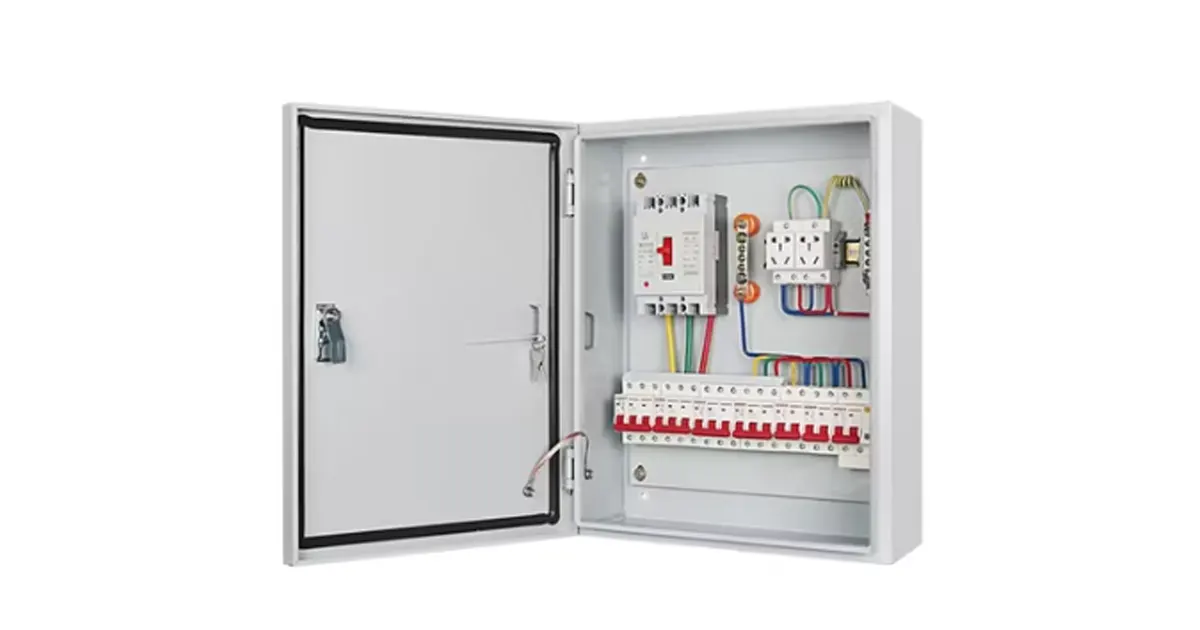
When you open your electrical panel, you want to spot the ground bar and neutral bar quickly. Here’s what you should look for:
- The neutral bar is usually a metal strip where you see white neutral wires connected. It provides a return path for electric current.
- The ground bar connects to bare copper or green insulated wires. This bar gives fault currents a safe route to the earth.
Manufacturers often use color coding and clear markings to help you identify each bar. Take a look at this table for common labeling practices:
| Labeling Method | Description |
|---|---|
| Color Coding | Terminal assembly or screw heads are colored green. |
| Marking | Labels like ‘Equipment Grounding Terminal’ appear near the terminal. |
| Grounding Symbol | Grounding symbol is marked next to the terminal or on the wiring diagram. |
You’ll notice that the neutral bar stands out with white wires, while the ground bar is easy to spot by its green or bare copper wires.
Tips for Homeowners and DIYers
You want to work safely and avoid mistakes when handling ground bars and neutral bars. Here are some practical tips:
- Never combine neutral wire and ground wire under one screw. Keep them separate for safety.
- Each neutral wire needs its own connection point. Grounding conductors can share a spot if the bar allows it.
- Always follow code requirements like 200.6 for neutral wires and 250.119 for grounding conductors.
- Inspect your panel to make sure ground and neutral conductors stay separated except at the main disconnect.
Inspectors check that ground bars attach directly to the metal panel body, while neutral bars are insulated from it. The main bonding jumper connects the grounded circuit conductor and the equipment grounding conductor.
In most homes, the neutral wire carries current back to the utility source. You’ll see that the neutral bar almost always has current flowing through it, since perfect load balance is rare. If you follow these tips, you’ll keep your panel safe and up to code.
Conclusion
You’ve made it to the end of this guide, and now you know the real difference between ground bars and neutral bars. You can spot each one in your electrical panel, and you understand why it matters. When you wire your panel the right way, you protect your home and everyone in it.
Let’s recap the essentials:
- Ground bars give fault currents a safe path to the earth. They help prevent fires and shocks.
- Neutral bars carry return current during normal operation. They keep your system balanced and stable.
- You should never mix up ground and neutral wires. Each one needs its own spot.
- In the main panel, you bond ground and neutral. In subpanels, you keep them separate.
Tip: Always check your panel’s labeling and manufacturer instructions before you start any wiring project.
Here’s a quick table to help you remember:
| Panel Type | Ground & Neutral Bonded? | Wiring Rule |
|---|---|---|
| Main Panel | Yes | Bond ground and neutral bars |
| Subpanel | No | Keep bars separate |
If you ever feel unsure, reach out to a licensed electrician. You don’t want to risk your safety or break electrical codes. Following these rules keeps your home safe and your electrical system reliable.
You’ve got the knowledge now. Next time you open your panel, you’ll know exactly what to look for. Stay safe, follow the code, and don’t hesitate to ask for help. Electrical work can be tricky, but you’re ready to tackle it with confidence!
You now know how to spot the difference between ground bars and neutral bars. Correct identification keeps your home safe and helps you pass inspection.
The NEC specifies that neutral and ground bars should be kept separate in panelboards to avoid parallel return paths for current. This requirement is especially important in subpanels, where the connection should only happen at the service disconnect.
Always follow these tips:
- Stick to manufacturer instructions for every installation.
- Never install a jumper between neutral and ground bars.
- Ask a licensed electrician if you feel unsure.
If you want more help, Magnify Electric’s experts can guide you through safe and code-compliant wiring.
FAQ
What happens if you connect ground wires to neutral bars?
If you connect ground wires to neutral bars in a subpanel, you create a shock hazard. Neutral bars carry current during normal operation. Ground wires should only connect to ground bars, except in the main panel where bonding is allowed.
Can you put more than one wire in a neutral bar terminal?
You should never put more than one wire in a neutral bar terminal. Neutral bars require each wire to have its own spot. This rule prevents loose connections and overheating. Always check your panel’s instructions before wiring.
How do you identify neutral bars in your panel?
Look for a metal strip with white wires attached. Neutral bars often have a label or marking. You may see “neutral bus bars” printed near the strip. Neutral bars are insulated from the panel body, unlike ground bars.
Why do neutral bars and ground bars need separation in subpanels?
Neutral bars and ground bars need separation in subpanels to prevent current from flowing on ground wires. Neutral bars carry return current. Ground bars provide a safety path only during faults. Keeping them separate protects you from electrical hazards.
Are neutral bars always required in every panel?
Most panels need neutral bars to complete circuits. Neutral bars connect all the neutral wires from your home’s devices. Some panels, like certain equipment panels, may not require neutral bars if no neutral connection is needed.
Tip: Always check your panel’s wiring diagram before making changes. Neutral bars play a key role in safe electrical operation.
| Panel Type | Neutral Bars Present | Ground Bars Present |
|---|---|---|
| Main Panel | Yes | Yes |
| Subpanel | Yes | Yes |
| Equipment Panel | Sometimes | Yes |