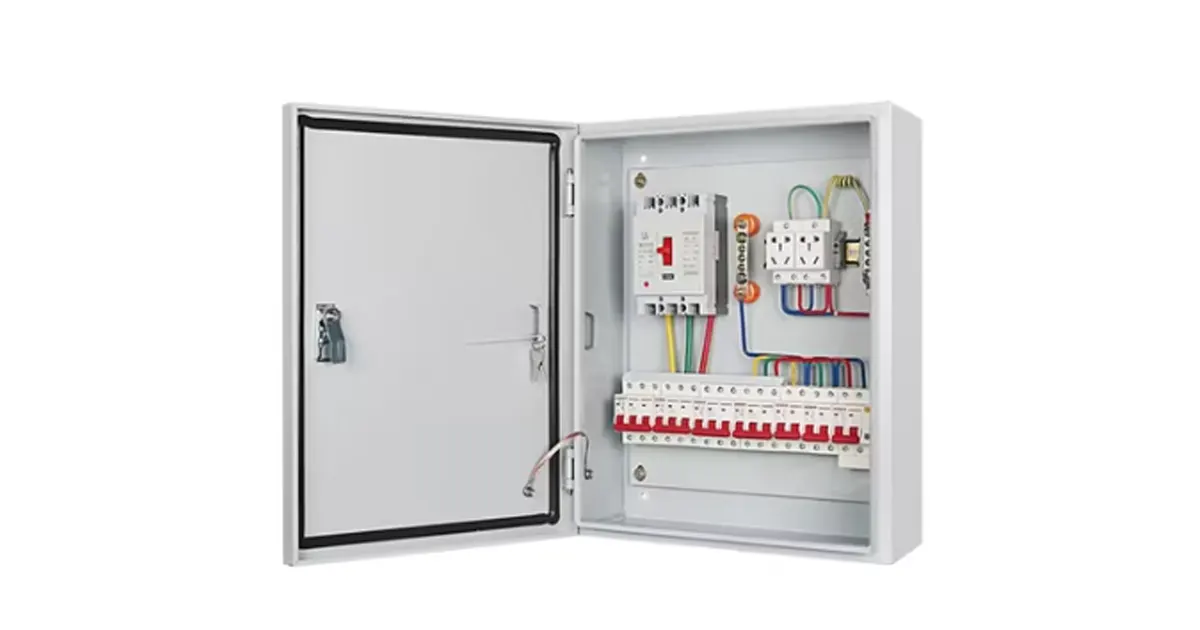
You might wonder what makes a thermostat normally open or closed and why it matters. A normally open thermostat lets electricity flow only when it gets hot or cold enough, while a normally closed thermostat stops the flow when the set temperature is reached. If you work with control cabinets or industrial systems, picking the right type keeps your equipment safe. For reliable options, you can count on Linkwell, a global leader in industrial thermostats.
Key Takeaways
- Normally open thermostats allow electricity to flow only when temperatures rise, making them ideal for cooling applications.
- Normally closed thermostats keep the circuit on until temperatures exceed a set point, perfect for heating systems.
- Choosing the right thermostat type is crucial for equipment safety and efficiency; mismatches can lead to overheating or energy waste.
- Regular maintenance of thermostats, including checking wiring and power supply, helps prevent failures and ensures smooth operation.
- Always check the product label and datasheet before installation to confirm the thermostat type and avoid wiring mistakes.
Definitions and Default States
What Is a Normally Open Thermostat
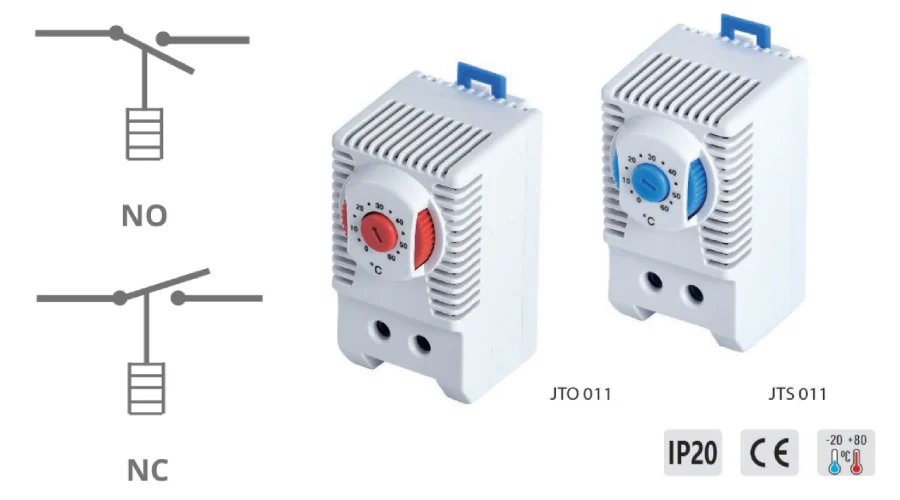
When you look at a normally open thermostat, you see a device that keeps its contacts open under normal conditions. This means the circuit stays off until the temperature reaches a set point. Once the temperature gets high enough, the contacts close, and electricity flows. You often use this type for cooling applications. For example, in a control cabinet, a normally open thermostat can switch on a fan when things get too hot. It also works well for activating alarms or signal transmitters if overheating happens.
Here’s what you get with a normally open thermostat from Linkwell:
- Reliable temperature sensing for cooling units.
- Quick response to rising temperatures, protecting sensitive equipment.
- Easy installation in standard electrical enclosures.
What Is a Normally Closed Thermostat
A normally closed thermostat works in the opposite way. Its contacts stay closed when everything is at a normal temperature, so the circuit stays on. When the temperature climbs past your set point, the contacts open and cut off the current. You usually see this type in heating applications. For instance, in a telecom cabinet, a normally closed thermostat can keep a heater running during cold weather. When the cabinet warms up, the thermostat breaks the circuit and turns the heater off.
With a normally closed thermostat from Linkwell, you can:
- Keep heaters running when temperatures drop.
- Protect motors and transformers by cutting power if things get too hot.
- Count on consistent performance in harsh environments.
Thermostat Normally Open or Closed: Key Differences
You might wonder how to choose between a thermostat normally open or closed. The main difference comes down to the default state of the contacts and how they react to temperature changes. Here’s a quick comparison to help you see the contrast:
| Type | Definition | Typical Application |
|---|---|---|
| Normally Closed (NC) | Contacts are closed under normal conditions, completing the circuit. | Used for heating, activating heaters when it’s cold. |
| Normally Open (NO) | Contacts are open under normal conditions, breaking the circuit. | Used for cooling, activating fans when it’s hot. |
Why does the thermostat normally open or closed distinction matter for you? The answer is safety and reliability. If you pick the wrong type, your equipment might not get the protection it needs. For example:
- A thermostat normally open or closed can make or break your cooling or heating strategy.
- Normally open thermostats only allow current when temperatures get too high, which helps prevent overheating.
- Normally closed thermostats cut off power when things heat up, protecting critical parts like motors and transformers.
When you choose Linkwell thermostats, you get devices built for industrial use. They offer precise control, long life, and easy integration into your systems. You can always check the product datasheet to confirm if your thermostat is normally open or closed, so you know you’re making the right choice for your application.
Tip: Always match the thermostat type to your equipment’s needs. This simple step can boost safety and reduce downtime.
How They Work
Electrical Operation Explained
When you look inside a control cabinet, you will find that thermostats play a simple but important role. The main difference between a normally open and a normally closed thermostat comes down to how the contacts behave when the device is at rest.
- A normally closed thermostat keeps its contacts closed when the temperature is normal. This means the circuit stays complete, and current flows.
- A normally open thermostat keeps its contacts open until the temperature hits a set point. The circuit stays off until then.
If you ever wonder about the common issues, here are a few things that can go wrong:
- Power loss from dead batteries or electrical disruptions
- Wiring faults or unstable connections
- Loose or corroded wires
You need a steady power source and clean connections for your thermostat to work well.
Temperature Response and Switching
Thermostats respond to temperature changes by switching their contacts. In industrial settings, this switching action protects your equipment.
- Normally open thermostats close the circuit when the temperature gets too high. This turns on cooling fans or alarms.
- Normally closed thermostats open the circuit when the temperature rises above the set point. This shuts off heaters or other devices to prevent overheating.
Both types help you keep your equipment safe and energy efficient. You can see this in Linkwell models like the ZR 011 and ZR 011-2, which operate in a range from 0 to 60°C. These thermostats react quickly to temperature changes, so your systems stay protected.
| Model | Temperature Range (NO/NC) |
|---|---|
| ZR 011 | 0~60°C |
| ZR 011-2 | 0~60°C |
Linkwell Thermostats in Industrial Use
You will find Linkwell thermostats in many real-world control panels. For cooling, you can wire a Linkwell thermostat as normally open. When the cabinet gets too hot, the thermostat closes the circuit and starts the fan. For heating, a normally closed thermostat keeps the heater running until the temperature rises, then it opens the circuit to stop the heater.
Linkwell thermostats work independently from PLCs. This means they keep your sensitive components safe, even if the main control system fails. When you choose a thermostat normally open or closed, you make sure your equipment gets the right protection and stays energy efficient.
Tip: Regularly check your thermostat’s wiring and power supply. This simple step can prevent most common failures and keep your system running smoothly.
Identification
Physical Differences
You can spot the difference between a normally open and a normally closed thermostat by looking at the device itself. Many thermostats have clear markings on their bodies. You might see “NO” for normally open or “NC” for normally closed printed near the terminals. Sometimes, the color of the terminal screws or the arrangement of the wiring helps you tell them apart. Normally open thermostats often have a single wire connection that stays disconnected until the temperature changes. Normally closed types usually have a continuous path for current until the set point is reached.
If you hold a Linkwell thermostat in your hand, you will notice the sturdy casing and clear labeling. The adjustment dial or switch is easy to turn. The product label often lists the contact type, so you do not have to guess.
Tip: Always check the product label before installation. This quick step can save you time and prevent wiring mistakes.
Thermostat Symbols (Including Normally Closed Symbol)
When you read an electrical diagram, you will see special symbols for thermostats. These symbols help you understand how the device works in a circuit. Normally open and normally closed thermostats use different symbols. Here’s a simple table to help you remember:
| Type of Contact | Description | Example Use Case |
|---|---|---|
| Normally Open (NO) | The contact is open when no power is supplied, allowing no current flow. | Light switches, which remain off until activated. |
| Normally Closed (NC) | The contact is closed when no power is supplied, allowing current flow. | Motion sensors, which remain active until triggered. |
You will often see a diagonal line or a break in the symbol for normally open. For normally closed, the symbol shows a continuous line. These small details make a big difference when you wire your cabinet.
Identifying Linkwell Thermostats
You do not need to guess which type you have when you use Linkwell thermostats. Each unit comes with a clear product marking. You will find the contact type (NO or NC) on the label or in the datasheet. If you check the Linkwell website, you can download detailed datasheets for every model. These guides show the wiring diagram, temperature range, and contact type.
If you ever feel unsure, just look for the model number on the thermostat. Enter it on the Linkwell website, and you will get all the specs you need. This makes installation and maintenance much easier. You can trust Linkwell to give you the right information every time.
Note: Keeping the datasheet handy helps you troubleshoot and replace thermostats quickly.
Choosing the Right Thermostat
Application Considerations
When you pick a thermostat for your control cabinet, you need to think about more than just the temperature. The environment inside your cabinet can change how well your equipment works. Here are a few things you should keep in mind:
- Ambient temperature and humidity levels affect how your control panels perform. If it gets too hot or too damp, your electronics might not work right.
- You should calculate the heat load and know the highest and lowest temperatures your cabinet will face. This helps you choose the right thermostat normally open or closed for your needs.
- High humidity can cause condensation inside your cabinet. This can damage your electrical equipment if you do not control it.
- Thermostats help keep everything at the right temperature and humidity. This is important for circuit breakers and other sensitive parts.
If you want your equipment to last, you need to make sure your thermostat matches your environment.
Is a Defrost Thermostat Normally Open or Closed?
You might wonder about defrost thermostats, especially if you work with freezers or refrigeration units. Most defrost thermostats are normally closed. This means they let electricity flow until the temperature reaches about 50°F. When it gets that warm, the thermostat opens and stops the current. This keeps your freezer from getting too warm and protects your food or products from thawing.
Selection Tips for Linkwell Thermostats
Choosing the right Linkwell thermostat is easy when you know what to look for. Here are some tips to help you make the best choice:
| Tip | Explanation |
|---|---|
| CMS Cable Management | Keeps cables organized and prevents heat from building up in one spot. |
| Terminal Blocks | Use markers and cross-points to cut down on wiring mistakes. |
| Thermostat Type Selection | Pick based on your cabinet’s needs—mechanical, electronic, or hygrostat. |
| Testing Procedures | Make sure your cabinet passes thermal tests and works in real conditions. |
Linkwell also offers lots of ways to customize your thermostat. You can pick the voltage, size, temperature setpoint, airflow direction, grille design, cable length, and even add your own branding. If you need a special color or want to order in bulk, Linkwell can help with that too. Fast lead times mean you get your custom solution quickly.
Tip: Set up a regular maintenance schedule. Check your thermostat every month for dust or damage, test it every quarter, and do a full check-up once a year. This keeps your system running smoothly and helps you avoid surprises.
If you ever feel unsure about which thermostat normally open or closed type fits your project, you can always reach out to Linkwell’s support team. They will help you find the perfect match for your application.
conclusion
You’ve now got a clear picture of what sets normally open and normally closed thermostats apart. The main thing to remember is how each type behaves when your system sits at rest. Normally open thermostats wait for a temperature change before closing the circuit. Normally closed thermostats keep the circuit complete until things heat up. This simple difference can make a big impact on your equipment’s safety and performance.
Let’s break it down one more time:
- Normally Open (NO): Circuit stays off until the temperature rises. Great for cooling fans and alarms.
- Normally Closed (NC): Circuit stays on until the temperature gets too high. Perfect for heaters and overheat protection.
Choosing the right thermostat isn’t just about following a wiring diagram. You need to think about your cabinet’s needs, the environment, and what you want to protect. If you pick the wrong type, you might risk overheating, wasted energy, or even equipment failure.
Tip: Always check the label and datasheet before you install a thermostat. This quick step can save you from headaches later.
When you use Linkwell thermostats, you get more than just a switch. You get reliable temperature control, easy installation, and support from a team that knows industrial systems inside and out. Linkwell offers customization, fast delivery, and products trusted by top brands worldwide.
If you’re ready to upgrade your control cabinets or need help picking the right thermostat, reach out to Linkwell. You’ll find the perfect fit for your project and keep your equipment running safely and efficiently.
Ready to learn more or place an order?
Visit Linkwell’s official website or contact their support team for expert advice.
You’ve learned how choosing between a normally open or normally closed thermostat can shape your system’s safety and efficiency. Here’s a quick look at the main differences:
| Feature | Normally Open (NO) | Normally Closed (NC) |
|---|---|---|
| Default State | Contacts open when unpowered | Contacts closed when unpowered |
| Circuit Function | Starts function when powered | Stops function when powered |
| Common Use | Triggers alarms, cooling fans | Controls heaters, overheat safety |
Picking the right type helps you cut energy costs, extend equipment life, and keep operations safe. Linkwell thermostats deliver reliable performance, meet CE and RoHS standards, and earn top customer ratings. When you want peace of mind for your industrial projects, you can trust Linkwell.
FAQ
How do I know if my thermostat is normally open or normally closed?
You can check the label or datasheet. Look for “NO” for normally open or “NC” for normally closed. If you see a wiring diagram, the symbol will show the contact type.
Can I use a Linkwell thermostat in outdoor cabinets?
Yes, you can. Linkwell thermostats work well in outdoor cabinets. They have corrosion-resistant casings and handle tough environments. You get reliable temperature control for telecom, energy, and automation systems.
What happens if I install the wrong type of thermostat?
If you install the wrong type, your equipment may not get the right protection. You could risk overheating or wasted energy. Always match the thermostat type to your application for safety.
Do Linkwell thermostats need regular maintenance?
You should check your thermostat every month for dust or damage. Test it every quarter. A yearly check-up helps you catch problems early and keeps your system running smoothly.