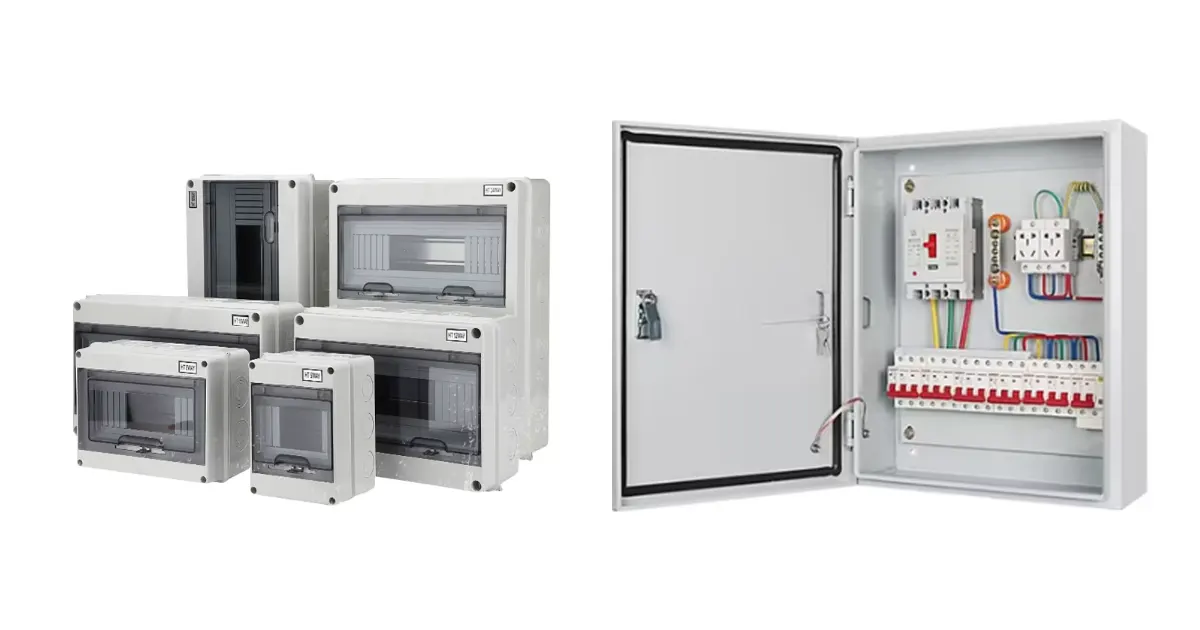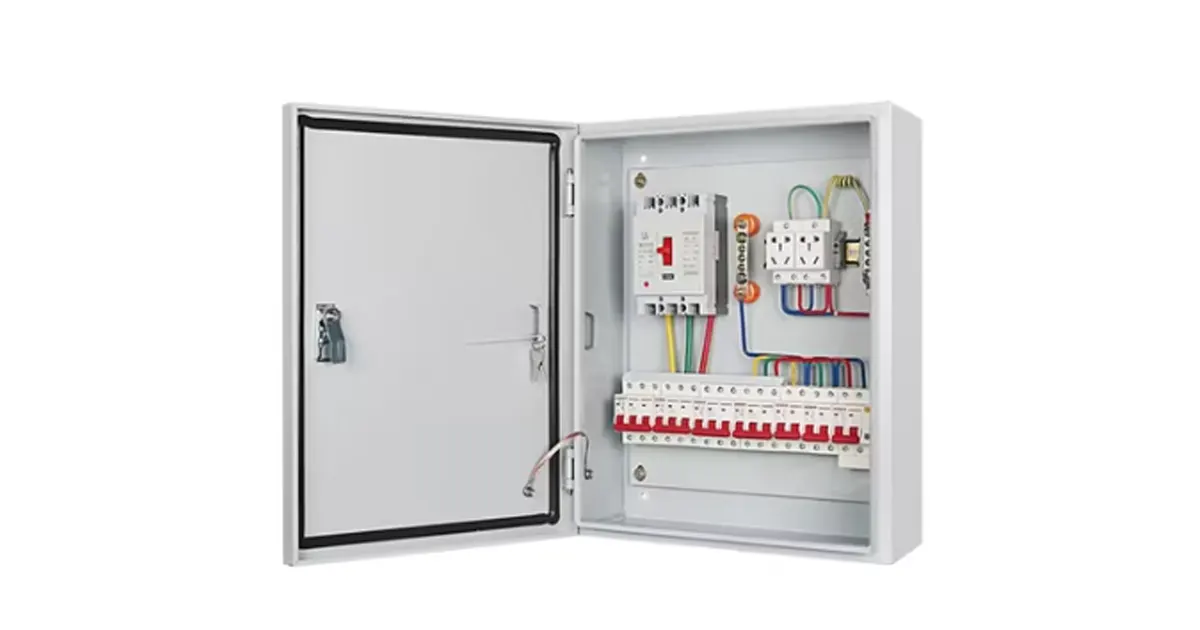
Think of an enclosure electrical panel like a home for all the important switches and wires that control your machines or lights. It keeps everything safe, organized, and easy to manage—just like a sturdy toolbox keeps your tools in order. With Linkwell, you get clear solutions that make every part simple to understand. You don’t need to be an expert to see how each piece fits and works together.
Key Takeaways
- Enclosure electrical panels protect and organize electrical components, ensuring safety from dust and water.
- Choose the right enclosure type based on your environment, whether indoor or outdoor, to keep equipment safe.
- Regular maintenance and clear labeling of panels help prevent accidents and ensure efficient operation.
- Linkwell offers complete systems that are easy to install, reliable, and customizable to fit specific needs.
- Proper installation and cable management are crucial for safety and efficiency in electrical control panels.
What is an enclosure electrical panel?
Simple definition
You might wonder what an enclosure electrical panel actually is. Picture a sturdy box that holds all the switches, wires, and controls for your machines or lights. This box keeps everything safe from dust, water, and accidental bumps. You use an enclosure electrical panel to organize and protect the electrical parts that power your equipment. It acts like a shield, making sure only the right people can access the controls inside.
If you look at international standards, you’ll see that enclosure electrical panels come in different types for different places. Here’s a quick table to help you see how they’re used:
| Enclosure Type | Intended Use |
|---|---|
| Types 1, 2, 5, 12, 12K, 13 | Indoor locations |
| Types 3, 3X, 3R, 3RX, 3S, 3SX, 4, 4X, 6, 6P | Indoor or outdoor locations |
| Types 7 and 9 | Hazardous (classified) locations |
You don’t need to memorize these types. Just know that the right enclosure electrical panel keeps your equipment safe, whether you’re working inside a factory or outside in the rain.
Key features and functions
When you choose an enclosure electrical panel, you get more than just a box. You get a set of features that make your work easier and safer. Here are some of the most important things you’ll find:
- Protection against accidental contact with live wires or parts.
- Barriers that stop dust, dirt, and water from getting inside.
- Clear labels so you know what each switch or wire does.
- Enough space to work safely, with panels mounted at a comfortable height.
- Bright lighting and visible signs for easy operation.
You’ll also notice that enclosure electrical panels use tough materials. Here’s a table showing some common choices and what makes them special:
| Material Type | Durability Ratings and Properties |
|---|---|
| Sheet Metal Enclosures | Durable, heavier, helps with heat and EMI shielding. Stainless steel works best outdoors. |
| Fiberglass Enclosures | Strong, water and corrosion resistant, handles extreme temperatures. |
| Die Cast Aluminum Enclosures | Lightweight, impact resistant, shields electronics from heat and interference. |
You want your enclosure electrical panel to last, so picking the right material matters. If you work outside or in a harsh spot, stainless steel or fiberglass might be your best bet.
Safety always comes first. You need to keep the area around your enclosure electrical panel clear. Make sure you have at least 3 feet of space in front and 30 inches wide. Mount the panel where you can reach it easily, usually between 4 feet and 6 feet 7 inches high. Good lighting and clear signs help you avoid mistakes. You should never block access to your panel, especially in emergencies.
Tip: Always check that your enclosure electrical panel has proper guarding and labeling. This keeps you and your team safe and makes maintenance much easier.
You use enclosure electrical panels in homes, factories, telecom stations, and outdoor setups. No matter where you install one, you get a reliable way to control and protect your electrical systems.
Main components of an electrical control panel

When you open an electrical control panel, you see more than just wires. Each part has a job to do. Let’s break down what you’ll find inside and why it matters for you.
The enclosure cabinet
The enclosure cabinet acts like a strong shell. It keeps all the electrical components safe from dust, water, and bumps. You get clear markings and secure locks, so only the right people can open it. This setup makes repairs safer and keeps everything organized. Good cabinets also help manage heat, which means your electrical components last longer.
Core electrical parts
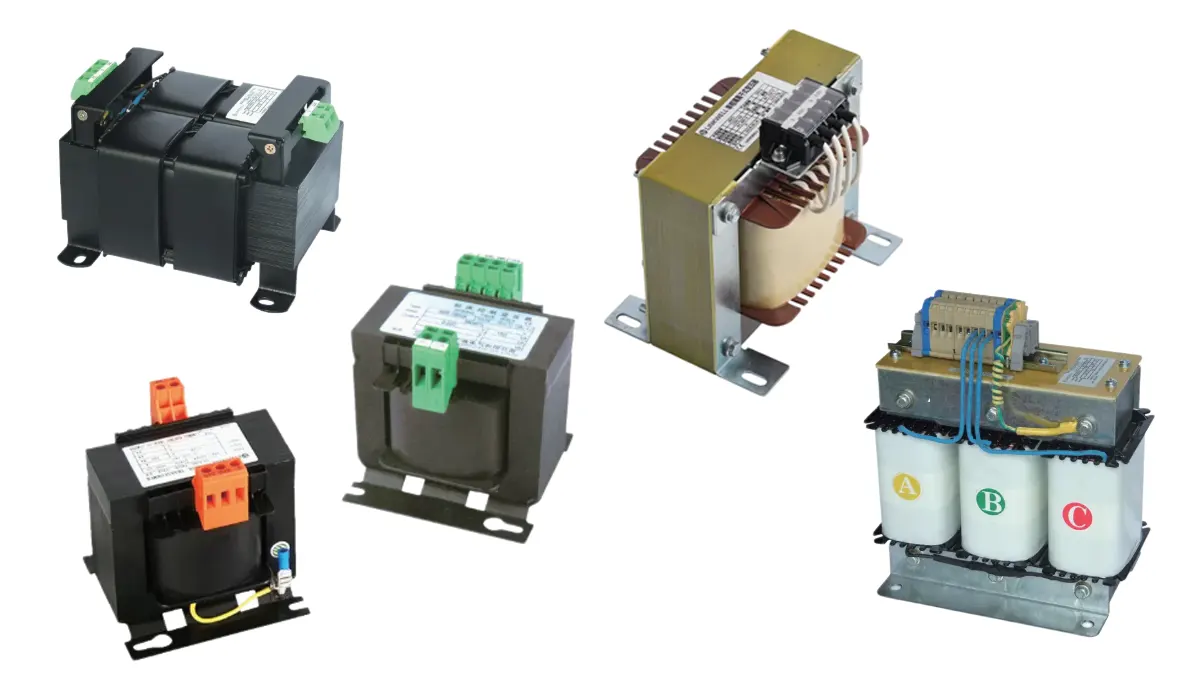
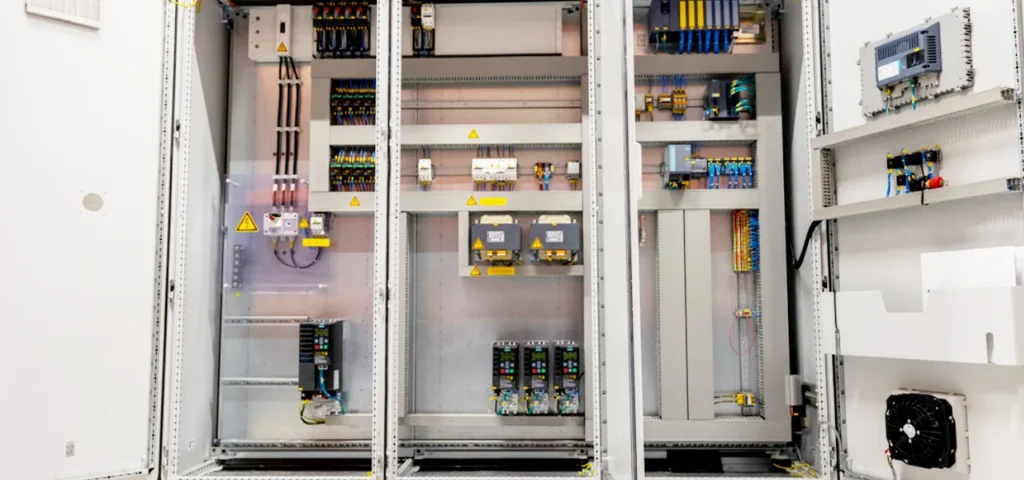
Inside, you’ll find the main circuit breaker, relays, transformers, and terminal blocks. These electrical components control power, protect against surges, and help machines run smoothly. You might also see a PLC (Programmable Logic Controller) and an HMI (Human Machine Interface) for smart control. Linkwell uses top-quality electrical components to make sure your system stays reliable and meets safety standards.
Fan and Filter
Fans and filters keep air moving and clean. They stop dust from building up and help cool down electrical components. If you keep filters clean, you avoid overheating and cut down on repairs. Linkwell’s fan and filter systems make sure your panel runs cool and safe.
Cabinet Air Conditioner
Some panels need extra cooling. Cabinet air conditioners use less power but give strong cooling. They help lower your electricity bills and keep electrical components at the right temperature. Linkwell’s air conditioners have high energy efficiency ratings, so you get great performance without wasting energy.
Distribution Terminal Blocks
Terminal blocks organize wires and make connections safe. They channel power to different parts of your system. With these blocks, you get neat wiring, fewer mistakes, and easy maintenance. Linkwell’s terminal blocks help you keep everything reliable and safe.
CMS Cable Management
Cable management systems (CMS) keep wires tidy and separate. You avoid tangles and reduce the risk of interference. Good CMS design also lets air flow, which helps cool your electrical components. Linkwell’s CMS solutions make future upgrades and repairs much easier.
Wiring and connections
You’ll see different types of wiring and connectors in a panel. Here’s a quick table to show you some common types:
| Wiring Type | Description | Applications |
|---|---|---|
| Screw Terminal | Screws hold wires tight for a solid connection. | Most panels |
| Spring Clamp | Holds wires steady in places with lots of vibration. | Trains, ships |
| Push-in Design | Lets you connect wires fast, no tools needed. | Quick jobs, many wire sizes |
| Circular Connectors | Easy to plug and unplug devices. | General use |
| Interface Modules | Combine blocks and cables for lots of connections. | PLCs, I/O panels |
With Linkwell, you get a complete system where every part works together. You stay safe, save time, and keep your electrical components running strong.
How enclosure electrical panels work
Power flow and safety
When you flip a switch or plug in a device, you start a journey for electricity. Here’s how power flows through an enclosure electrical panel:
- Electricity starts at a power plant.
- It travels across high voltage wires.
- A substation transformer steps down the voltage.
- A local transformer reduces it even more.
- The electricity reaches your meter.
- It enters your breaker panel at a safe voltage.
Your enclosure electrical panel manages this process. It keeps everything organized and prevents overloads. You get circuit breakers and fuses that protect your equipment. These parts follow strict safety regulations like UL508A and IEC standards. You also see NEMA ratings and National Electrical Code requirements. These safety regulations make sure your panel works safely in any environment.
Tip: Always check for clear labels and secure locks on your panel. This helps you follow safety regulations and avoid accidents.
Linkwell designs panels that meet all safety regulations. You get peace of mind knowing your system is protected.
Control and distribution
Your enclosure electrical panel does more than just move electricity. It controls and distributes power to different circuits and machines. You find circuit breakers, fuses, and busbars inside. These parts help you manage bulk power and send it where you need it.
You also see power supplies that change AC to DC current. Transformers adjust voltage levels for different devices. Distribution blocks create separate networks, keeping everything organized. A well-designed system prevents overloads and voltage drops. You get better efficiency and fewer problems.
Linkwell’s ventilation solutions play a big role in efficiency. Proper airflow keeps temperatures steady and avoids thermal stress. Good ventilation stops condensation and corrosion, which can damage your equipment. You save money on maintenance and reduce downtime. Outdoor enclosures from Linkwell protect your panel from rain, dust, and heat. This boosts efficiency and extends the life of your system.
If you notice condensation, excessive heat, or equipment malfunctions, you might need better ventilation. Linkwell’s fan and filter systems help you maintain safe operating conditions and improve efficiency.
Note: Regular maintenance and proper installation keep your panel running at peak efficiency. You get reliable performance and long-lasting equipment.
Benefits of complete systems from Linkwell
Simplicity and reliability
When you choose a complete system from Linkwell, you make your life easier. You get everything you need in one package. You don’t have to worry about missing parts or confusing instructions. Each electrical control panel arrives ready to install, with clear labels and organized wiring. Free standing enclosures protect your equipment from dust, water, and bumps. You save time because you don’t need to hunt for extra accessories.
Linkwell builds every electrical control panel with high-quality materials. You get waterproof and corrosion-resistant cabinets. These free standing enclosures keep your equipment safe in tough conditions. Smart design features like energy-efficient fans and monitoring systems help you spot problems early. You spend less time on maintenance and more time getting things done.
Here’s a quick look at the advantages:
| Benefit | Description |
|---|---|
| High-Quality Materials | Waterproof and corrosion-resistant, perfect for any environment. |
| Temperature Stability | Keeps equipment cool and running longer. |
| Customization Options | You pick the size and features you need. |
| Smart Design Features | Fans and monitoring systems save energy and reduce repairs. |
| Durability in Harsh Conditions | Handles extreme temperatures and vibrations. |
You also get free standing enclosures with clear windows and extra protection. You can customize your industrial control panel to fit your exact needs. Linkwell’s systems work in places where reliability matters most.
Typical applications
You’ll find Linkwell electrical control panel systems in all kinds of industries. Free standing enclosures and industrial control panel setups help keep factories, offices, and outdoor stations running smoothly. Here are some common uses:
| Industry Category | Applications |
|---|---|
| Industry & Automation | Factory control cabinets, production line equipment, robotic systems |
| Commercial & Public Facilities | Office building power distribution, mall lighting control, smart classrooms |
| Outdoor & Harsh Environments | Solar power stations, telecommunication base stations, road lighting control |
| New Energy & Infrastructure | Charging piles, smart buildings, water treatment systems |
You might see an electrical control panel in a busy factory or inside a solar power station. Free standing enclosures protect sensitive electronics in outdoor locations. Industrial control panel systems keep robotic arms moving and lights shining in malls. No matter where you work, Linkwell gives you a solution that fits.
Tip: If you need a system that’s easy to install, safe, and built to last, Linkwell’s free standing enclosures and electrical control panel solutions are a smart choice.
Choosing and installing your electrical control panel
Selecting the right system
Picking the best control panel enclosures for your project can feel overwhelming, but you can make it simple by focusing on your needs. Start by thinking about where you will use the panel. If you need something for a small space, wall mounted enclosures work well. For bigger setups or heavy equipment, floor mounted enclosures give you more room and strength.
Here are a few things to keep in mind when choosing control panel enclosures:
- NEMA components let you swap out parts easily. This saves you money in tough environments.
- IEC components fit special jobs. They work best when you need custom control systems.
- NEMA parts are bigger and cover more uses. You can adjust them in the field without tools, which means less downtime.
- Wall mounted enclosures are great for saving space on factory walls or in offices.
- Floor mounted enclosures handle larger loads and make upgrades easier.
You can also customize your control panel enclosures with Linkwell. Check out some options:
| Customization Option | Description |
|---|---|
| Customized Power Distribution Solutions | Get a system that matches your industry and power needs. |
| Smart Monitoring and Control | Watch your power use in real time and plan maintenance before problems happen. |
| Flexible and Scalable Solutions | Change or expand your system as your business grows. |
| Energy Saving Technologies | Use less energy and lower your carbon footprint. |
| Plug-and-Play Solutions | Update your setup quickly when your needs change. |
Tip: Always match your enclosure type to your environment. Wall mounted enclosures fit tight spots, while floor mounted enclosures work best for heavy-duty jobs.
Installation and support
You want your control panel enclosures to work right from day one. Good installation makes a big difference. Here’s a quick look at the steps you should follow:
| Procedure | Description |
|---|---|
| Site Preparation | Make sure your space is safe, easy to reach, and ready for power and cooling. |
| System Integration | Plan how your panel will connect to other systems. Label everything for easy checks. |
| Documentation | Follow safety rules like NFPA 70 and UL 508A. |
| Wiring & Labeling | Use clear wiring diagrams and color codes. Double-check all connections. |
| Grounding | Attach all metal parts to a ground point to keep everyone safe. |
| Testing & Quality Checks | Test your panel to make sure it works and meets all standards. |
Linkwell gives you full support for your control panel enclosures. You get help with design, installation, and maintenance. If you run into trouble, Linkwell offers tools like thermal cameras to spot hot spots, electrical testers to find power issues, and vibration sensors to check motors. You can also use a visual fault locator for quick fiber link checks.
Note: Always disconnect your panel from power before working on it. Wear safety gear and use insulated tools to stay safe.
With Linkwell, you get reliable wall mounted enclosures and floor mounted enclosures, plus expert help every step of the way.
Conclusion
You’ve seen how enclosure electrical panel systems make your work safer, easier, and more organized. When you use a complete solution from Linkwell, you get a system that’s simple to install, reliable, and ready for anything your facility throws at it.
Let’s look at the big takeaways from modern electrical panel systems:
| Trend | Advantages | Reminders |
|---|---|---|
| Density | Fits tight spaces, expands options | Watch for power overloads, plan for maintenance |
| Modularity | Easy to add or fix parts, manageable layouts | Layout flexibility may be limited, extra wiring might be needed |
| Heat Control | Prevents damage, keeps things safe | May need extra cooling elements |
| NEMA Rating | Protects in tough environments, secures components | Internal layout matters for long-term reliability |
Linkwell makes upgrades and installations a breeze. You get modular layouts, clear labeling, and removable panels. Corrosion-resistant hardware stands up to harsh conditions. Organized cables mean you spend less time searching and more time fixing what matters.
| Feature | Benefit |
|---|---|
| Modular layouts | Swap parts or add devices easily |
| Clear labeling | Troubleshoot fast |
| Removable panels and doors | Service with no hassle |
| Corrosion-resistant hardware | Lasts longer in tough spots |
| Organized cables | Maintenance is simple |
If you want to learn more, start by thinking about where you’ll put your panel. Wall, floor, or machine mounting changes how you design cable entry and keep your IP rating strong. Good cable management keeps things safe and cool. Always check the NEMA or UL rating for the right protection. Clear labels help you pick the best product for your needs.
Here are some resources and tips to keep in mind:
- Design for easy access to internal parts.
- Manage cables well to avoid overheating.
- Choose enclosures with the right rating for your environment.
- Use clear labels for quick identification.
You’ll find different types of panels, like main breaker panels, subpanels, transfer switches, and fuse boxes. Each one fits a specific job.
Ready to upgrade or install a new system? Linkwell gives you the support, customization, and quality you need. Reach out for advice or explore more solutions at Linkwell Electrics. Your next project just got a whole lot easier!
You now know what an enclosure electrical panel system does and why it matters. With Linkwell, you get a system that’s easy to use, safe, and built to last.
- You save time with ready-to-install solutions.
- You stay safe with top-quality materials.
- You get support every step of the way.
Ready to upgrade or start a new project? Check out Linkwell Electrics or contact the team for expert help!
FAQ
What makes industrial control panel enclosures important for safety?
Industrial control panel enclosures keep electrical parts safe from dust, water, and accidental contact. You lower the risk of shocks and fires by using the right enclosure. You protect your team and equipment every day.
How do you choose the best industrial control panel enclosures for your project?
You look at your environment and needs. If you work outdoors, pick enclosures with weatherproof ratings. For indoor jobs, focus on size and layout. Industrial control panel enclosures come in many shapes, so you always find a good fit.
Can you customize industrial control panel enclosures for special requirements?
Yes! You can add cooling fans, special locks, or extra cable space. Industrial control panel enclosures from Linkwell let you pick materials, sizes, and accessories. You get a solution that matches your exact needs.
How often should you inspect industrial control panel enclosures?
Check your industrial control panel enclosures every six months. Look for dust, loose wires, or signs of wear. Regular checks help you catch problems early and keep your system running smoothly.
Where do you use industrial control panel enclosures?
You see industrial control panel enclosures in factories, solar stations, telecom sites, and offices. They protect controls for machines, lights, and power systems. You rely on them for safe and organized electrical setups.