When considering the question, “What Is a Large Electrical Junction Box? Applications,” it’s important to recognize that these are not the small switch or wire boxes you might imagine, but rather substantial enclosures engineered to manage complex electrical connections and wire splices. A large electrical junction box provides ruggedized protection for sensitive components, superior thermal management, and dependable performance in demanding environments.
You’ll encounter these boxes in a wide range of applications where safe power distribution and fire prevention are critical. Key safety features, such as compliance with the national electrical code, help minimize fire risks and ensure that all application and code requirements are met. When exploring the uses of large electrical junction boxes, it’s essential to consider installation requirements and best practices for safe integration. These enclosures are vital for keeping wire splices secure and ensuring that electrical systems operate reliably and efficiently.
Key Takeaways
- Large electrical junction boxes are essential for managing complex wiring in industrial and commercial settings.
- Choosing the right junction box prevents overheating and reduces fire risks, ensuring safety and reliability.
- Proper installation and compliance with electrical codes are crucial for maintaining safety and performance.
- Customization options allow for scalability and adaptability, making future upgrades easier.
- Linkwell‘s junction boxes offer durability and protection against harsh environments, supporting efficient power distribution.
What Is a Large Electrical Junction Box? Applications
Definition and Core Purpose
When you ask, “what is a large electrical junction box? applications,” you’re looking for more than just a simple enclosure. A large electrical junction box is a heavy-duty cabinet designed to organize, protect, and manage complex electrical connections in demanding environments. You’ll find these boxes in places where multiple cables, wires, and devices need to come together safely. The purpose and function of a large junction box go beyond basic wire splicing. You use it to keep electrical systems organized, prevent overcrowding, and reduce the risk of overheating or fire.
Let’s look at how large junction boxes differ from standard ones:
| Feature | Standard Junction Box | Large Junction Box |
|---|---|---|
| Size | Typically 4-inch square for residential | Larger sizes for commercial use with more connectors |
| Material | Made of metal or plastic | Usually metal for strength and fireproofing |
| Intended Use | Suitable for fewer wires and cables | Designed for multiple connections in one spot |
You need a large junction box when your project involves high-capacity wiring, industrial control panels, or outdoor installations. The purpose and function of these boxes include protecting sensitive components from dust, water, and accidental contact. You also get better heat dissipation and easier maintenance. If you work in industries like manufacturing, energy, or construction, you rely on these boxes to keep your systems safe and scalable.
Common Industrial and Commercial Uses
So, what is a large electrical junction box? applications in real-world settings? You’ll see these boxes everywhere from factories to renewable energy plants. Here are some of the top sectors and scenarios where large junction boxes play a key role:
- Manufacturing: You use large junction boxes to connect machines, control panels, and automation systems. These boxes help you manage complex installations and keep everything running smoothly.
- Energy: In wind and solar power plants, you need high-voltage junction boxes to distribute electricity safely. These boxes protect your equipment from harsh weather and ensure reliable power flow.
- Construction: Large junction boxes provide safe electrical connections for lighting, HVAC, and heavy machinery. You depend on them for both temporary and permanent setups.
- Emerging Economies: As industries grow, the demand for robust electrical junction boxes rises. You see these boxes supporting new factories and infrastructure projects.
- Electrical Safety Focus: With more attention on safety, you choose large junction boxes to reduce risks of short circuits and fires. Studies show that proper installation can cut electrical incidents by up to 30%.
You also find large junction boxes in automation and renewable energy systems. Here’s how they support these applications:
- The global shift to renewable energy, like wind and solar, means you need efficient junction boxes for power distribution.
- Major energy companies invest in advanced junction boxes to support sustainable solutions.
- Automation systems require junction boxes with sensors and AI for predictive maintenance, helping you avoid downtime.
- You benefit from energy-efficient designs that align with your sustainability goals.
- As automation increases, you need junction boxes that handle high-current loads and real-time monitoring.
Large junction boxes serve as protective enclosures, keeping you safe from electrical hazards. You rely on them to prevent exposure to live wires and reduce the risk of fire. According to the National Fire Protection Association, electrical failures cause a significant number of fires, so choosing the right junction box is critical. Facilities with proper junction box installations see fewer electrical incidents and enjoy greater reliability.
When you plan your next project, remember that large junction boxes are essential for safe, organized, and scalable electrical systems. Whether you work in manufacturing, energy, or construction, these boxes help you meet your goals and keep your operations running smoothly.
Electrical Junction Box Design and Features
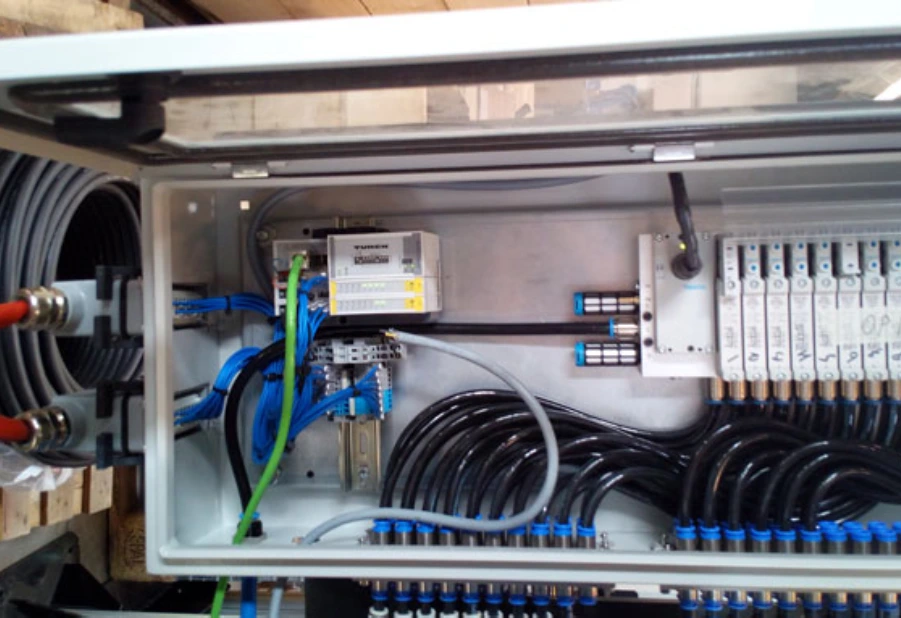
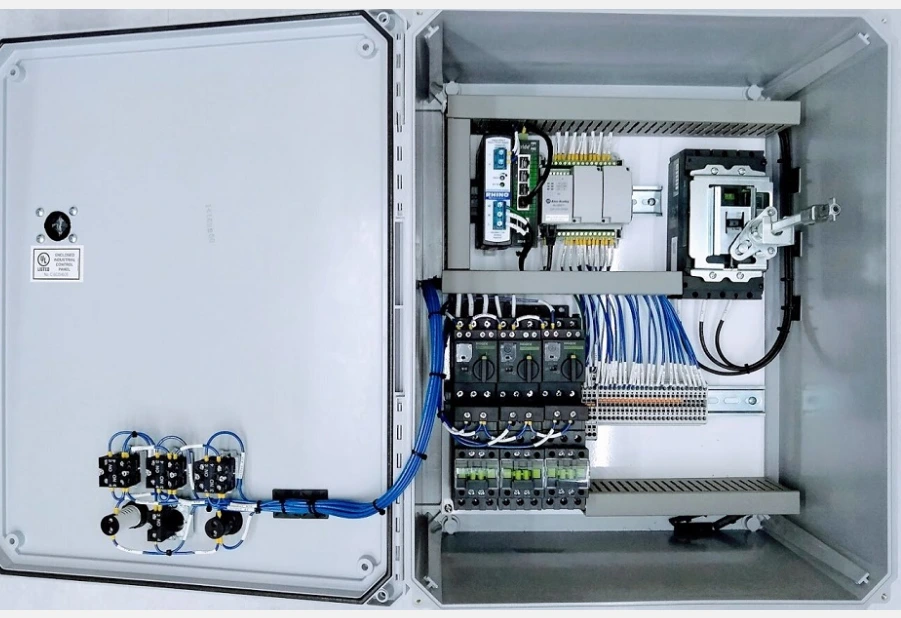
Key Components and Internal Layout
When you open a large junction box, you notice how every part has a purpose. The internal layout matters a lot. You see terminal blocks, cable glands, mounting rails, and sometimes smart outlets. These components help you organize electrical connections and keep everything safe. If you plan to add more wires later, you want extra space inside. Good spacing prevents wires from touching, which lowers the risk of short circuits.
Here’s a quick look at how the layout affects performance and maintenance:
| Aspect | Impact on Performance and Maintenance |
|---|---|
| Safety | Components fit without contact, reducing electrical hazards. |
| Accessibility | Easy-to-reach parts make service and adjustments faster. |
| Heat Generation | Enough space keeps things cool and extends component life. |
| Future Modifications | Room for upgrades makes future changes simple. |
You find different types of junction boxes for various needs. Some have extra mounting options, while others include tamper-resistant covers. You can choose a box with smart features, like remote monitoring, to make your job easier.
Protection, Materials, and Certifications
You want your junction box to last and keep your system safe. That’s why material choice is so important. Linkwell offers steel, aluminum, and polycarbonate options. Each type of junction box has its own strengths. Steel gives you strong protection against bumps. Aluminum resists rust and feels light. Polycarbonate is non-conductive and stands up to chemicals.
Check out this table for a quick comparison:
| Material | Description | IP/NEMA Rating |
|---|---|---|
| Steel | Tough, shields against damage | IP65/IP67, NEMA 4/4X |
| Aluminum | Light, fights corrosion | IP65/IP67, NEMA 4/4X |
| Polycarbonate | Non-conductive, resists chemicals | IP65/IP67, NEMA 4/4X |
You also need to follow the code for safety. The box must be non-combustible, properly grounded, and sized for your wires. You want it marked clearly if you use it in hazardous spots. Linkwell’s junction boxes meet global standards like UL, CE, and IECEx, so you know you’re covered.
Tip: Facilities with well-installed junction boxes see fewer electrical incidents. One study found a 30% drop in problems when boxes meet the right code and certification.
You face challenges like keeping up with safety rules and avoiding project delays. Choosing the right types of junction boxes helps you stay on track and within budget. Smart designs let you monitor energy use and keep your workspace tidy.
Standard vs. Large Junction Box
Internal Volume and Wire Capacity
You might wonder how a standard junction box compares to a large one. The difference starts with size and the amount of wiring each can handle. A standard junction box works for simple electrical installations with just a few wires. You see these in smaller projects where space is limited and the wiring is basic.
A large junction box gives you much more room inside. You can organize complex wiring, add terminal blocks, and keep cables separated. This extra space helps prevent overheating and makes future upgrades easier. When you work on industrial electrical installations, you need a box that can handle many wires and connections without crowding.
Here’s a quick table to help you see the difference:
| Feature | Standard Junction Box | Large Junction Box |
|---|---|---|
| Internal Volume | Small | Spacious |
| Wire Capacity | Limited | High |
| Typical Use | Simple installations | Complex or high-capacity wiring |
| Maintenance | Tight, less accessible | Easy access for service and upgrades |
If you choose a box that’s too small, you risk damaging wire insulation and causing short circuits. Overcrowding wires can also lead to overheating and fire hazards. You want to make sure your junction box matches the needs of your electrical installations.
When to Choose a Large Box
You should pick a large electrical junction box when your project involves complex wiring, multiple circuits, or heavy-duty equipment. Large boxes are the best choice for industrial control panels, power distribution, and outdoor electrical installations. They give you the space you need to keep everything organized and safe.
When you select a junction box, keep these key factors in mind:
- Think about the environment. Outdoor electrical installations need weatherproof boxes.
- Check the size and capacity. Make sure the box can handle all your wiring without crowding.
- Choose the right material. Metallic boxes work well in harsh environments, while non-metallic options suit indoor use.
- Always follow local electrical codes to pass inspections and keep your system safe.
Many people make the mistake of picking a box that’s too small. This can restrict airflow, cause overheating, and even create fire risks. Ignoring the number of wires or not following code standards can lead to serious safety problems. You can avoid these issues by choosing a large junction box that fits your project’s needs.
Tip: Always plan for future expansion. A large junction box gives you flexibility for upgrades and changes in your electrical installations.
Linkwell Large Electrical Junction Box in Industrial Applications
Power Distribution and Control Panels
You need a reliable solution when you manage power distribution or set up control panels in tough industrial environments. Linkwell’s large electrical junction box gives you that peace of mind. The construction stands up to harsh weather, dust, and vibration. You get flexible mounting options, so you can install the box on walls, poles, or racks. This makes your job easier, whether you work in a wind farm or a solar power station.
Linkwell’s commitment to global standards means you can trust the safety and durability of every box. Take a look at how different materials meet international certifications:
| Material Used | Compliance Standard | Description |
|---|---|---|
| Stainless Steel | IEC 61439 | Ensures durability in harsh environments. |
| Polycarbonate | UL 508A | Provides reliable protection for electrical systems. |
| Fiberglass | IEC 61439 | Offers strength and resistance to environmental factors. |
You see these boxes in wind turbines, solar arrays, and EV charging stations. They protect sensitive wiring and keep your systems running smoothly. You avoid downtime and costly repairs because the box shields your equipment from moisture and corrosion.
Customization and Integration Benefits
You want a junction box that fits your exact needs. Linkwell offers customization options that make integration simple and efficient. You can scale your system quickly or personalize the box with extra plugs and monitoring features. Maintenance becomes easier, and you spend less time troubleshooting.
Here’s how these options benefit you:
| Customization Option | Benefit |
|---|---|
| Scalability | Enables quick adjustments to power distribution without major reconfiguration efforts. |
| Personalization | Allows for tailored configurations to meet specific installation needs, such as additional plugs or monitoring capabilities. |
| Ease of Maintenance | Facilitates easier troubleshooting and reduces downtime by allowing for module replacements. |
| Future-Proofing | Ensures adaptability to evolving technology and power needs, allowing for upgrades over time. |
You see the value in future-proofing your installations. As technology changes, you can upgrade your junction box without replacing the whole system. This flexibility supports automation, renewable energy, and high-tech infrastructure projects. Linkwell’s support team helps you choose the right configuration, so your project succeeds from day one.
Installation and Safety for Junction Boxes
Basic Installation Steps
Installing a large electrical junction box might seem tough, but you can handle it with the right tools and a careful approach. Here’s what you need to get started:
- Large electrical junction box (choose the right material and size for your project)
- Cable or conduit (pick the correct type and size)
- Wire nuts (make sure they fit your wires)
- Flat-head and Phillips-head screwdrivers
- Wire strippers
- Utility knife
- Circuit tester
Before you begin, always turn off the power at the circuit breaker. Put on safety glasses and insulated gloves. Work in a dry area to avoid shocks. Once you’re ready, follow these steps:
- Mark the mounting location and secure the box using the right hardware.
- Feed cables or conduits into the box through the knockouts.
- Strip the insulation from each wire and connect them using wire nuts.
- Arrange wires neatly to prevent crowding and overheating.
- Attach the cover securely to protect the connections.
- Use a circuit tester to double-check that everything is safe before restoring power.
Tip: Always follow local electrical codes for every step. This keeps your installation safe and up to standard.
Safety and Compliance Tips
You want your installation to last and keep everyone safe. The National Electrical Code (NEC) sets clear rules for large junction boxes. Here’s a quick guide:
| NEC Section | Requirement |
|---|---|
| 314.16(A) | Box must have enough volume for all wires. |
| 314.16(B) | Only a certain number of wires allowed, based on box size. |
| 314.21 | Box must show manufacturer’s name and capacity. |
| 314.23 | Box must be securely supported. |
| 314.24 | Box must be deep enough for wires to bend safely. |
| 314.29 | Box must be accessible for inspection and repairs. |
| 314.30 | Box must have a secure cover. |
| 314.40 | All openings must be closed after installation. |
| 314.44 | All splices must stay inside the box. |
You don’t have to figure this out alone. Linkwell gives you a detailed installation guide with tips for mounting, hardware selection, and code compliance. Their team helps you choose the best methods for your project, so you can install your junction box with confidence and safety.
Conclusion
You’ve learned a lot about large electrical junction boxes and how they work in industrial and commercial settings. These boxes give you the space and protection you need for complex wiring projects. When you plan a junction box extension, you make your electrical system safer and easier to manage. You don’t have to worry about overcrowded wires or overheating. You get peace of mind knowing your installation meets safety codes.
If you want to upgrade your facility, a junction box extension helps you organize cables and prepare for future growth. You can add new circuits or devices without starting from scratch. Linkwell’s large electrical junction boxes offer you flexibility, durability, and global certifications. You can trust these boxes to handle tough environments, whether you work indoors or outdoors.
Let’s recap why a junction box extension is the smart choice:
- You improve safety by reducing fire risks.
- You keep your wiring neat and accessible.
- You make future upgrades simple.
- You meet international standards for quality and compliance.
- You protect sensitive equipment from dust, water, and corrosion.
- You save time on maintenance and troubleshooting.
- You get expert support from Linkwell for every project.
Ready to take the next step? Reach out to Linkwell for advice on your junction box extension. Their team helps you choose the right size, material, and features for your needs. You get reliable products and 24/7 support, so your project succeeds from start to finish.
A junction box extension isn’t just an upgrade—it’s an investment in safety, organization, and long-term reliability. Make the smart choice for your electrical system and see the difference Linkwell can make.
You’ve seen how a large electrical junction box stands out in tough industrial environments. Its strong build keeps your system safe and organized, meeting strict safety codes. Choosing the right box means you avoid overcrowding and stay compliant. Linkwell’s boxes offer smart technology, reliability, and modular design:
| Feature | Benefit |
|---|---|
| Smart Technology | Real-time monitoring for quick problem response |
| Reliability | Long-lasting, reduces downtime |
| Safety Features | Water-resistant, meets top industry standards |
| Modular Design | Adapts to new needs and upgrades easily |
Need help picking the best fit? Reach out to Linkwell’s experts for advice on your next project.
FAQ
What makes a junction box “large”?
A large junction box gives you extra space for complex wiring, bigger cables, and more connections. You use it for industrial or commercial projects, not for simple home setups.
Can I install a large junction box outdoors?
Yes, you can. Large junction boxes from Linkwell offer weatherproof protection. You keep your wiring safe from rain, dust, and sunlight with IP65/IP67 ratings.
How do I choose the right material for my junction box?
You pick steel for strength, aluminum for corrosion resistance, or polycarbonate for chemical protection. Your choice depends on your environment and safety needs.
Are Linkwell large junction boxes customizable?
Absolutely! You can request custom sizes, colors, mounting options, and extra features. Linkwell helps you match the box to your project requirements.
Why should I use a large junction box for industrial wiring?
You prevent overcrowding, reduce heat, and make future upgrades easier. Large boxes help you organize cables and keep your electrical system safe and reliable.