You might see that hygrostat price changes a lot based on your needs. When you check different models, you notice things like control precision, material, and special features matter. Certifications can make hygrostat price go up, especially if your work needs strict rules. The number you order is important, too.
- Model
- Control precision
- Material
- Features
- Certifications
- Application environment
- Order quantity
Don’t just look at hygrostat price first. Think about how reliable and safe it is, and how much you will spend later. Knowing these things helps you choose the best hygrostat for your industrial enclosures and cabinets.
Key Takeaways
- Hygrostat prices change with model, control accuracy, and features. Think about these things before you buy one.
- Pick a thermo-hygrostat that matches your needs. You may need it for electrical boxes, stopping condensation, or for factories.
- Mechanical hygrostats cost less but are not as exact. Electronic ones give better control and more features, but they cost more.
- Make sure the hygrostat is made well and uses good materials. This helps it last longer, especially in tough places.
- Think about all costs, like setting it up and fixing it later, not just the first price.
- Check if it has safety certificates and meets industry rules. This helps make sure it is safe and works well.
- Buying many at once can make each one cheaper. So, think about how many you need before you buy.
- A good hygrostat can help you save money on repairs and fixing things over time.
Hygrostat Applications
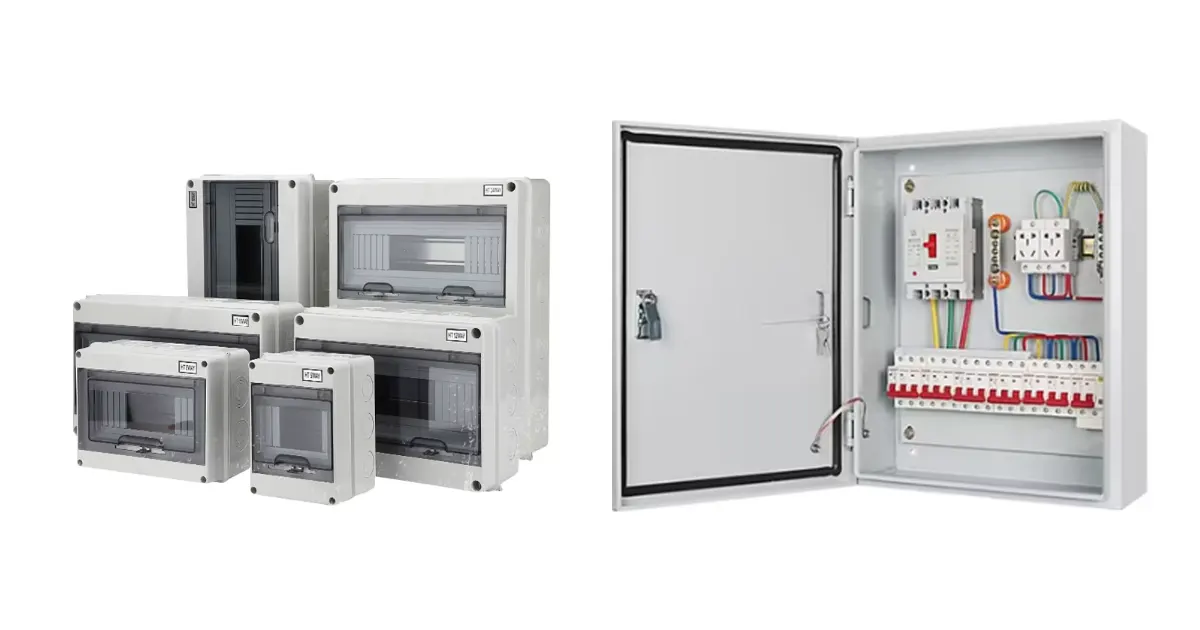
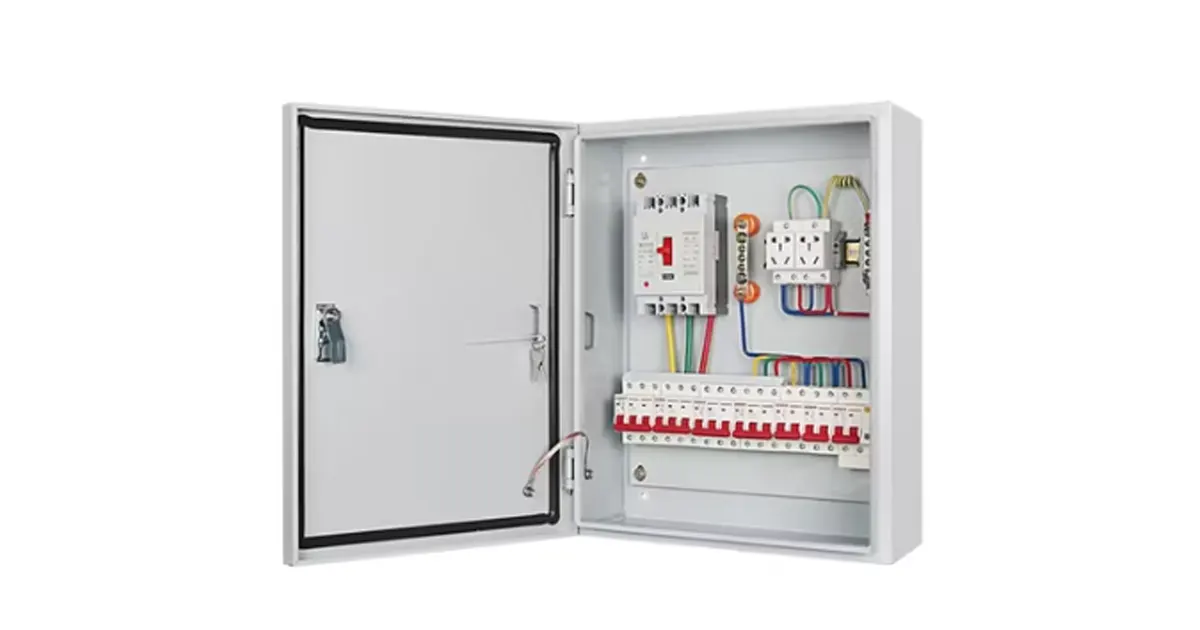
Electrical Enclosures
A thermo-hygrostat is often found in electrical enclosures. This device helps control both humidity and temperature. Using a thermo-hygrostat chamber protects your equipment from moisture and heat. Many companies in the canada thermo-hygrostat chamber market use these chambers to keep their systems safe. If you do not control humidity, your equipment can rust or have short circuits. A good thermo-hygrostat chamber keeps humidity between 30% and 50%. This range helps your equipment last longer and saves money on maintenance. You do not want to pay for repairs caused by moisture. A thermo-hygrostat chamber helps you worry less.
Active-S Humidity Control Sheets work well with thermo-hygrostat chambers. These sheets are easy to use and need little care. They help stop extra moisture in your chamber. Using both gives strong protection against water damage. The canada thermo-hygrostat chamber market values this kind of safety. You can trust your chamber to protect your electronics.
Condensation Prevention
Condensation can damage your equipment. When warm air touches a cold surface, water forms inside the chamber. This water can cause rust and make your system stop working. You need a thermo-hygrostat to prevent this. The canada thermo-hygrostat chamber market uses these devices to keep humidity low. Keeping humidity below 60% stops most condensation problems.
Basically, you stop condensation by keeping relative humidity under 60% and controlling sudden changes in temperature. The best way is to use heaters with control devices like hygrostats, thermostats, or hygrotherms.
A thermo-hygrostat chamber lets you set the right humidity and temperature. You do not have to worry about sudden changes. Your chamber stays dry, and your equipment lasts longer. Many people in the canada thermo-hygrostat chamber market use this method. You save money because you do not need to fix broken parts.
Integration with Heaters and Fans
A chamber works best when you use a thermo-hygrostat with heaters and fans. The canada thermo-hygrostat chamber market often uses this setup. The thermo-hygrostat chamber checks if the air is too wet or too dry. It turns on a heater or a fan to fix the problem. You get steady conditions inside your chamber.
Here is how it works:
- The thermo-hygrostat chamber checks the air.
- If there is too much moisture, it starts the heater.
- If it gets too hot, the fan turns on.
- Your chamber stays at the right temperature and humidity.
You do not need to check the chamber all the time. The thermo-hygrostat does the work for you. This setup is popular in the canada thermo-hygrostat chamber market. You get fewer breakdowns and your equipment lasts longer. Your chamber becomes a safe place for electronics.
A table shows the benefits:
| Feature | Benefit in Chamber |
|---|---|
| Thermo-hygrostat | Controls humidity and temperature |
| Heater | Stops condensation and keeps air dry |
| Fan | Moves air and cools the chamber |
| Combined System | Keeps chamber stable and equipment safe |
You can see why the canada thermo-hygrostat chamber market trusts this system. Your chamber stays dry, cool, and safe. You spend less on repairs and your equipment works longer.
Factors Affecting Hygrostat Price
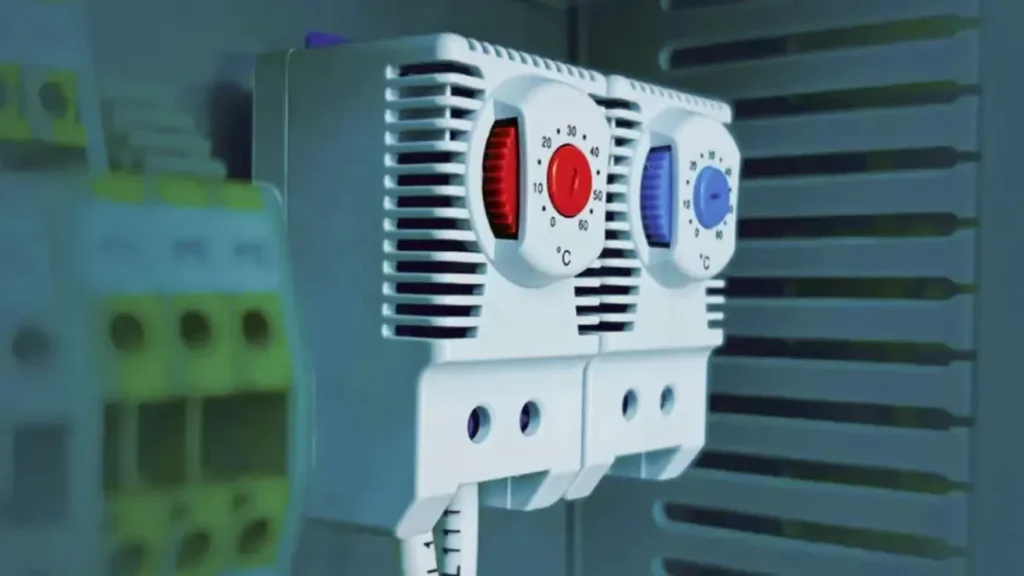
Type: Mechanical vs Electronic
When you look for a thermo-hygrostat, you see two main types. These are mechanical and electronic. The type you pick changes the price. Mechanical thermo-hygrostat models use simple parts like springs and levers. They do not cost much and are good for easy jobs. You might choose a mechanical model if you want something simple. These are best if you do not need high accuracy.
Electronic thermo-hygrostat models use sensors and digital screens. These models let you control humidity more exactly. They can also connect to other technology, like iot systems. You can set the humidity you want and check data over time. Electronic thermo-hygrostat models cost more because they have more features. If you work in a high-tech factory, you will need an electronic thermo-hygrostat.
Here is a table to compare:
| Type | Cost | Accuracy | Features | Best For |
|---|---|---|---|---|
| Mechanical | Lower | Basic | Simple control | Small enclosures |
| Electronic | Higher | Precise | Digital, iot, data logs | Industrial automation |
Think about what you need before you buy. If your job needs more technology, pick an electronic thermo-hygrostat.
Control Range and Accuracy
Control range and accuracy are important for price. If you need to keep humidity in a small range, it costs more. Electronic thermo-hygrostat models are better at this. They use sensors that find small changes in humidity. This is important in factories where small changes can cause problems.
More people want digital thermo-hygrostat devices now. They want better control and more ways to connect. If you pick a thermo-hygrostat with high accuracy, you get better results. But you also pay more money. Many companies want systems that control both humidity and air. New technology makes prices go up, but you get better performance.
If your work needs very exact humidity, buy a thermo-hygrostat with tight control and high accuracy. This is a big reason why prices change.
Material and Build Quality
Material and build quality are important when you choose a thermo-hygrostat. If you pick a model made from strong materials, it lasts longer. It also works better in tough places. For example, a thermo-hygrostat with a metal case can handle bumps and heat. Plastic models cost less, but they may not last as long in busy places.
You should also check the quality of the sensors and how the device is built. Good building means fewer problems and less fixing. Some thermo-hygrostat models use new technology to make them stronger. Better materials help these devices work well in dusty, wet, or hot places.
If you pay more for a thermo-hygrostat with good build quality, it can handle more. This is important if you use it in a factory or outside. New ideas in materials and design help your thermo-hygrostat last longer.
Tip: Always check the build quality before you buy. A strong thermo-hygrostat saves you money because you do not need to replace it often.
If you want the best value, pick a thermo-hygrostat with new technology and strong materials. These new ideas help your device last longer and work better, even in hard places.
Features and Functionalities
When you shop for a thermo-hygrostat, you see many different features. These features can change the price a lot. Some models keep things simple. Others give you advanced options that make your work easier and safer.
You might want a thermo-hygrostat with a digital display. This lets you see the humidity and temperature at a glance. Some models let you set alarms. If the humidity goes too high or too low, you get a warning right away. That helps you act fast and protect your equipment.
Many new thermo-hygrostat models use smart technology. You can connect these to your phone or computer. You can check the chamber from anywhere. Some even let you change settings without being in the room. This remote monitoring saves you time and stress.
Here are some features that can make a thermo-hygrostat cost more:
- Smart technology for remote monitoring and data logging
- User-friendly automation systems
- Enhanced energy efficiency
- Advanced chamber designs with better airflow and control
- Digital displays and easy-to-use controls
- Alarm systems for quick alerts
If you pick a thermo-hygrostat with these features, you pay more at first. But you get more control and peace of mind. You do not have to check the chamber all the time. The thermo-hygrostat does the hard work for you.
Some thermo-hygrostat models also help you save energy. They use less power to keep the right humidity. This means you spend less money on electricity over time. If you care about the environment, this is a good choice.
You can find a table below that shows how features affect the price:
| Feature | Impact on Price | Why It Matters |
|---|---|---|
| Smart technology | High | Remote access and data logs |
| Automation systems | Medium to High | Less manual work |
| Energy efficiency | Medium | Lower power bills |
| Digital display | Low to Medium | Easy to read and control |
| Alarm system | Medium | Fast response to problems |
When you choose a thermo-hygrostat, think about which features you really need. Sometimes, paying more for the right features saves you money and trouble later.
Brand Reputation
Brand reputation matters when you buy a thermo-hygrostat. Some brands have been around for years. People trust them because their products last longer and work better. If you pick a well-known brand, you often pay more. You get better support and service, too.
A trusted brand tests its thermo-hygrostat models before selling them. You know you are getting a safe and reliable product. If something goes wrong, you can call customer service and get help fast. That is important if you use your thermo-hygrostat in a busy factory or lab.
Some brands offer extra features or longer warranties. They want you to feel safe with your purchase. You might see two thermo-hygrostat models that look the same. The one from a top brand usually costs more. You pay for the peace of mind and the support that comes with it.
If you want to save money, you might look at new or unknown brands. These can be cheaper, but you take a risk. The thermo-hygrostat might not last as long. You might not get help if it breaks. Always check reviews and ask other users before you buy.
Tip: If you use your thermo-hygrostat for important work, pick a brand with a good reputation. You will have fewer problems and better support.
Choosing the right brand helps you avoid headaches. You get a thermo-hygrostat that works well and lasts longer. That is worth the extra cost for many buyers.
Market Influences on Pricing
Supply and Demand
You might notice that the hygrostat market changes fast. Supply and demand play a big role in how much you pay. When more people want hygrostats, prices can go up. If there are too many products and not enough buyers, prices drop. The market always tries to balance these two forces.
Here are some trends you should know about the market:
- New technology keeps changing the market. Companies want smarter hygrostats with better controls.
- More people want automated systems. This demand pushes the market to offer advanced features.
- Many buyers now care about reliability and sustainability. The market responds by making better products, but this can raise prices.
- Import and export rules affect the market. If it is hard to get parts or finished products, prices can rise.
- The market for thermo-hygrostat chambers is growing. Experts say it will grow 6-8% each year for the next five years.
- North America and Europe lead the market because they have more research labs and factories. Asia-Pacific is catching up fast because of new factories and cities.
- The market changes when companies offer more ways to customize hygrostats.
You can see that the market is always moving. If you want the best price, watch the market and see how demand changes.
Regional Pricing
Where you live can change the price you pay in the market. North America has the biggest electronic hygrostat market. In 2024, this market could be worth 600 million dollars. By 2035, it might reach 1,050 million dollars. People in North America want the latest technology and energy-saving products. This demand shapes the market and often means higher prices.
Europe also has a strong market. The market grows slowly but stays steady. Strict rules about humidity control help the market stay strong. You might pay more in Europe because of these rules, but you get high-quality products.
Asia-Pacific is a growing market. More factories and cities mean more demand for hygrostats. The market here is not as big as in North America or Europe, but it is growing fast. Prices can be lower, but the market is changing as more people want better products.
If you buy from different regions, you will see how the market sets prices. Each market has its own rules and trends.
Distribution Channels
How you buy your hygrostat also affects the price in the market. You can buy from a local store, a big distributor, or straight from the factory. Each choice changes the market price.
- Local stores might charge more because they have to cover their costs.
- Big distributors can offer better prices if you buy in bulk. The market rewards bigger orders.
- If you buy straight from the factory, you might get the best price. The market often gives discounts for large or custom orders.
The market also changes when new online sellers appear. You can compare prices and find the best deal. The market becomes more open, and you have more choices.
Tip: Always check different sellers in the market before you buy. You might find a better price or a special deal.
The market for hygrostats keeps growing. You will see more market expansion opportunities as new regions and sellers join in. Manufacturer reputation also matters. If a company is known for quality, the market often lets them charge more. You pay for trust and support.
The market is always changing. If you watch the market, you can find the best time and place to buy your hygrostat.
Certification and Compliance
When you buy a hygrostat, you should think about certification and compliance. These are very important in jobs like pharmaceuticals or food. You want your equipment to follow the right rules and keep things safe.
Industry Standards
There are many industry standards for hygrostats. These rules help you know if a product is good for your job. In places like pharmaceutical companies, you must follow strict rules. Food companies have to do this too. Standards make sure your hygrostat works well and keeps your area safe.
Some common standards you might see are:
- ISO standards for quality and safety
- GMP for making medicine and food
- HACCP for food safety
If you work in pharmaceuticals, you cannot skip these standards. They help you avoid trouble and keep your products safe. Always check if your hygrostat meets these standards before you buy.
Safety Certifications
Safety certifications show your hygrostat is safe to use. You do not want to risk your equipment or products. In jobs like pharmaceuticals, safety is most important. You might see certifications like CE, UL, or RoHS. These mean your device passed safety tests.
Tip: Always ask for safety certifications when you buy a hygrostat for pharmaceuticals or food. This helps you avoid problems later.
Here is a table that shows why safety certifications matter:
| Certification | What It Means | Who Needs It |
|---|---|---|
| CE | Meets European safety rules | Pharmaceuticals, food |
| UL | Safe for North America | Food, pharmaceuticals |
| RoHS | No harmful materials | Electronics, food |
Never skip safety certifications. They protect your business and your customers.
Regulatory Requirements
Regulatory requirements are rules you must follow in your job. If you work with pharmaceuticals or food, you face strict rules. These rules can be different in each country. You need to check local and global rules before you buy.
Some jobs, like pharmaceuticals, have very strict rules. You must keep records and show proof you follow the rules. If you do not follow the rules, you can get big fines or lose your license. Following the rules is not just a box to check. It keeps your business open and your products safe.
You should talk to your supplier about these rules. Ask if the hygrostat meets all the standards for pharmaceuticals, food, and other special uses. This step helps you avoid problems and keeps your business safe.
Note: Following the rules is a must in jobs like pharmaceuticals and food. Never skip this step.
If you follow the right standards, get safety certifications, and meet the rules, you can trust your hygrostat. Your products stay safe, and your business stays strong.
Installation and Maintenance Costs
When you buy a hygrostat, you need to think about more than just the price tag. The real cost includes how you install it, keep it running, and fix it when something breaks. Let’s break down what you should expect.
Power Source and Uptime
You want your hygrostat to work all the time, right? The power source plays a big role here. Some hygrostats run on batteries, while others need a direct connection to your electrical system. Battery-powered models are easy to install. You just pop in the batteries and you’re good to go. But you’ll need to check and replace those batteries every so often.
If you pick a model that connects to your main power, you get steady uptime. You don’t have to worry about batteries dying at the wrong moment. These models might need a professional to install them, though. That can add to your upfront costs.
Tip: Always check the power requirements before you buy. If your area has power outages, you might want a backup battery or an uninterruptible power supply (UPS) to keep your hygrostat running.
Maintenance Needs
Every hygrostat needs a little care to keep working well. You should clean the sensors and check for dust or moisture build-up. If you let dirt pile up, your hygrostat might give you wrong readings. That can lead to bigger problems down the road.
Here’s a simple maintenance checklist:
- Wipe down the exterior with a dry cloth.
- Inspect the sensors for dust or corrosion.
- Test the device every few months to make sure it’s accurate.
- Update the software if you have a smart or digital model.
Some advanced models will even remind you when it’s time for a check-up. That makes your life easier and helps you avoid sudden breakdowns.
Replacement Parts
No device lasts forever. Sometimes, you’ll need to swap out a part to keep your hygrostat running. Common replacement parts include sensors, batteries, and display screens. If you choose a popular brand, you’ll find parts more easily and at a better price.
Here’s a quick table to show you what you might need:
| Part | How Often to Replace | Cost Impact |
|---|---|---|
| Batteries | 6-12 months | Low |
| Sensors | 1-3 years | Medium |
| Display Screens | Rarely | Medium to High |
Note: Always ask your supplier about the availability of replacement parts before you buy. This can save you time and money later.
Taking care of your hygrostat doesn’t have to be hard. If you follow these tips, you’ll keep your device running smoothly and avoid surprise costs.
Pricing Comparison: Mechanical vs Electronic Hygrostat
Price Differences
When you look for a thermo-hygrostat, you will see two main types. Mechanical thermo-hygrostat models usually cost less money. These are good for small jobs or simple boxes. They use basic parts and do not need extra power. If you want to spend less at first, a mechanical thermo-hygrostat is a smart pick. Electronic thermo-hygrostat models cost more. You pay extra for better accuracy and digital screens. These models often need a power source, so you might pay more to set them up. If you need to control humidity very closely, the higher price makes sense. Many factories and labs use electronic thermo-hygrostat models because they want the best results.
If you only need simple control, a mechanical thermo-hygrostat saves money. If you want more control and data, an electronic thermo-hygrostat is worth it.
Application Suitability
You should pick the right thermo-hygrostat for your job. Mechanical thermo-hygrostat models work well in small boxes or storage spaces. They are simple and strong. You can use them where there is no power. Electronic thermo-hygrostat models are best for high-tech places. If you run a server room, lab, or factory, you need tight control. These models let you set exact levels and check numbers on a screen. Some connect to your phone or computer. You can use an electronic thermo-hygrostat to track data or set alarms.
Here are some common uses for each type:
- Mechanical thermo-hygrostat: Small cabinets, basic storage, backup systems
- Electronic thermo-hygrostat: Industrial enclosures, automation, research labs, food storage
Pros and Cons
You might wonder which thermo-hygrostat is best for you. Each type has good points and weak spots. Look at this table to compare:
| Type of Hygrostat | Pros | Cons |
|---|---|---|
| Mechanical Hygrostats | Low cost, no external power needed, durable in simple jobs | Limited accuracy, not programmable, can drift |
| Digital Hygrostats | High accuracy, LCD displays, adjustable set points, timers | Needs power, may need battery or wiring |
A mechanical thermo-hygrostat is simple and cheap. You do not need to worry about wires or batteries. You just set it and let it work. The downside is it may not keep humidity steady. Over time, it can lose accuracy. An electronic thermo-hygrostat gives you more control. You can set exact humidity and see real-time numbers. You get alarms and extra features. You do need to check the power and sometimes change batteries. If you want the best results, you will like the electronic thermo-hygrostat.
Think about what is most important for your job. If you want simple and cheap, pick a mechanical thermo-hygrostat. If you need more features and accuracy, choose an electronic thermo-hygrostat.
Application Environment Impact
High Humidity and Outdoor Use
You might need a thermo-hygrostat in places with high humidity or outdoor conditions. These areas can be tough on your equipment. If you use a regular device, it might not last long. A thermo-hygrostat built for high humidity can handle water, fog, and even rain. You want your thermo-hygrostat to keep working when the weather changes fast. Some models come with special seals and covers. These features stop water from getting inside. You can use a thermo-hygrostat in greenhouses, pump stations, or outdoor cabinets.
Tip: Always check if your thermo-hygrostat has an IP rating. This rating tells you how well it keeps out dust and water.
If you pick the right thermo-hygrostat, you do not have to worry about rust or short circuits. Your equipment stays safe, and you save money on repairs.
Industrial Equipment Needs
Factories and big machines need a strong thermo-hygrostat. You want your equipment to run smoothly every day. A thermo-hygrostat helps you control the air inside cabinets and panels. This stops moisture from causing problems. In places with lots of dust or heat, you need a thermo-hygrostat that can handle tough jobs. Some models work even when the temperature changes a lot.
Here are some things to look for in a thermo-hygrostat for industrial use:
- Strong case to protect against bumps
- Wide control range for different jobs
- Easy to install and set up
- Works with heaters and fans
A good thermo-hygrostat keeps your machines running longer. You do not have to stop work to fix problems. This means you get more done and spend less on maintenance.
Environmental Challenges
Every place has its own challenges. Maybe you work in a cold warehouse or a hot factory. A thermo-hygrostat helps you deal with these changes. If the air gets too wet or too dry, your equipment can break. You want a thermo-hygrostat that can adjust fast. Some models have smart sensors. These sensors check the air all the time. If something changes, the thermo-hygrostat fixes it right away.
Here is a table to help you see what to look for:
| Challenge | What You Need in a Thermo-hygrostat |
|---|---|
| High humidity | Water-resistant, sealed design |
| Dusty air | Dust-proof case, easy to clean |
| Big temperature swings | Fast sensors, wide control range |
| Outdoor use | UV protection, strong housing |
Note: Pick a thermo-hygrostat that matches your environment. This helps you avoid problems and keeps your equipment safe.
When you choose the right thermo-hygrostat, you get peace of mind. Your equipment works better, lasts longer, and you do not have to worry about the weather or the air.
Order Quantity and Pricing
When you buy a thermo-hygrostat, how many you get changes the price. You might only want one to try out, or you could need a lot for your whole factory. The price per unit is different if you buy just a few or if you buy many at once. Let’s see how order size and custom choices can change what you pay.
Sample vs Bulk Orders
If you order just one or two thermo-hygrostat units, that is called a sample order. These cost more for each unit. Small orders cost more because shipping and setup are not shared. If you only need a few, you will pay a higher price for each one.
If you buy a lot of thermo-hygrostat units at once, you get a better deal. Suppliers like big orders because they can make more at the same time. You pay less for each thermo-hygrostat when you buy in bulk. This helps you save money if you need many for your cabinets or enclosures.
Here is a quick list to show the difference:
- Sample order: Costs more for each thermo-hygrostat, good for testing
- Bulk order: Costs less for each thermo-hygrostat, best for big jobs
OEM/ODM Customization
Sometimes you need a thermo-hygrostat made just for you. Many companies offer OEM and ODM services for thermo-hygrostat products. Custom orders can help you save money if you buy enough units.
You might want your company’s logo, special settings, or a new design. Here is what happens with custom orders:
- Many suppliers offer OEM and ODM services for thermo-hygrostat units.
- Custom options can lower your price if you order a lot.
- You should ask suppliers about the smallest order size and what custom features they have.
If you want a custom thermo-hygrostat, always ask about the minimum order. You might get a better price if you order more.
Negotiation and Savings
You can often talk to the supplier about the price, especially if you buy a lot or order again. Suppliers want your business, so they may give you a discount or a special deal. If you ask, you might get free shipping, extra parts, or a lower price for each thermo-hygrostat.
Here are some tips to save money:
- Ask for prices on different order sizes.
- See if there are discounts for repeat buyers.
- Check if you can order other products together for a better deal.
Tip: Always talk to your supplier about what you need. You might find secret savings or special deals that are not online.
Getting the right number of thermo-hygrostat units and asking about custom options can help you get the best price for your project.
Value vs Cost: Cheap vs Reliable Hygrostat
Risks of Low-Cost Options
You might feel tempted to pick the cheapest thermo-hygrostat you can find. Saving money sounds great at first. But a low-cost thermo-hygrostat often brings hidden problems. Cheap models may use weak parts. They can break down fast. You might see wrong readings or even total failure. If your thermo-hygrostat stops working, your equipment could get damaged by moisture or heat.
Think about this: A cheap thermo-hygrostat can lead to bigger repair bills later. You may need to buy a new one sooner than you think.
Here are some common risks with low-cost thermo-hygrostat models:
- Shorter lifespan
- Poor accuracy
- No support or warranty
- Hard-to-find replacement parts
You want your thermo-hygrostat to protect your equipment, not put it at risk.
Stability and Maintenance
A reliable thermo-hygrostat gives you peace of mind. You do not have to worry about sudden failures. Good models keep your humidity and temperature steady. They use strong sensors and solid cases. You spend less time checking or fixing things.
Let’s look at a quick table:
| Type of Thermo-hygrostat | Stability | Maintenance Needs |
|---|---|---|
| Cheap | Low | High |
| Reliable | High | Low |
A reliable thermo-hygrostat needs less care. You clean it sometimes and check the sensors. That’s it. Cheap models may need repairs or even full replacement. You end up spending more time and effort.
Tip: Pick a thermo-hygrostat that works well every day. You will save time and avoid stress.
Long-Term Investment
When you choose a thermo-hygrostat, think about the future. A reliable thermo-hygrostat may cost more at first. But it lasts longer and works better. You do not need to replace it often. You also avoid surprise breakdowns.
Here are some reasons to invest in a quality thermo-hygrostat:
- Fewer repairs
- Longer device life
- Better protection for your equipment
- Less downtime
A good thermo-hygrostat keeps your business running. You do not lose money on repairs or lost work. Over time, the higher price pays off. You get more value from your thermo-hygrostat.
Remember: The real cost is not just the price tag. It is how well your thermo-hygrostat protects your equipment and saves you trouble.
If you want to make a smart choice, look past the lowest price. Pick a thermo-hygrostat that gives you real value and keeps your equipment safe.
Choosing the Right Hygrostat
Humidity Range and Voltage
You need a thermo-hygrostat that fits your space. First, check the humidity range. Some places need very tight control. Labs often need humidity between 30% and 50%. Warehouses can handle a bigger range. Always read the specs before buying. The right range helps your equipment last longer.
Voltage is important, too. Not all thermo-hygrostats work with every power supply. Some use 24V, others need 110V or 220V. If you pick the wrong voltage, it might not work or could break. Check your power source before you buy. Ask your supplier if you are unsure. You do not want to waste money on the wrong device.
Tip: Write down the humidity range and voltage you need before shopping. This helps you compare different models easily.
Installation and Control
Think about how you will put in your thermo-hygrostat. Some go on a wall. Others fit inside a cabinet. Some setups need a pro, but many are easy to do yourself. Look for clear instructions and hardware in the box.
Control options can make things easier. Basic models have dials or switches. You set the level and leave it. Advanced models have digital screens or remote control. Some connect to your phone or computer. You can check and change settings from anywhere. This is helpful if you have many cabinets or rooms.
Here are some control features you might want:
- Manual dials for simple use
- Digital displays for easy reading
- Remote access for convenience
- Alarm systems for quick alerts
Pick controls that fit your daily routine. You want something easy to use.
Certification Needs
Certifications help keep you safe and follow rules. If you work with food, medicine, or electronics, you need a certified thermo-hygrostat. Look for marks like CE, UL, or RoHS. These show your device passed safety tests. Some jobs need special certifications. Always ask your supplier if the thermo-hygrostat meets your industry’s standards.
A table can help you see what to check:
| Certification | Why It Matters | Who Needs It |
|---|---|---|
| CE | European safety rules | Food, medicine, labs |
| UL | North American safety | Factories, electronics |
| RoHS | No harmful materials | Electronics, green tech |
Note: Never skip certifications. They protect your business and your customers.
Choosing the right thermo-hygrostat means thinking about humidity, voltage, installation, control, and certifications. Take your time and ask questions. The right choice keeps your equipment safe and your work easy.
Application and Quantity
When you choose a thermo-hygrostat, think about where you will use it. You also need to know how many you want. The place you use it changes what kind you should get. Some people put a thermo-hygrostat in a small box. Others need one for a big factory or lots of cabinets. Each job needs a different thermo-hygrostat.
Here are some places you might use a thermo-hygrostat:
- Server rooms
- Food storage
- Greenhouses
- Control panels
- Outdoor cabinets
You should pick a thermo-hygrostat that fits the job. A greenhouse needs one that works in wet and changing air. A server room needs one that keeps things steady all day. If you pick the wrong one, your equipment could get damaged.
How many you buy is important, too. If you only need one, you can look for the best features. You might pay more for just one, but you get what you want. If you need a lot, look for deals on big orders. Suppliers often give discounts if you buy more than one.
Here is a table to help you choose:
| Application | Number Needed | Special Features to Consider |
|---|---|---|
| Small cabinet | 1 | Simple controls |
| Server room | 2-4 | High accuracy, alarms |
| Greenhouse | 3-10 | Wide humidity range, waterproof |
| Factory floor | 10+ | Durable, easy to install |
| Outdoor enclosure | 1-3 | Weatherproof, strong casing |
Tip: Check if your job needs a special thermo-hygrostat. Some jobs need waterproof or dustproof models.
If you order many thermo-hygrostat units, talk to your supplier. You can ask for lower prices or special boxes. If you want a custom thermo-hygrostat, you may have to order a certain number. This helps the supplier make the right one for you.
Think about what you might need later. If you plan to grow, order a few extra units now. This saves you time and money if you add more cabinets or rooms later.
Picking the right thermo-hygrostat for your job and how many you need keeps your equipment safe and saves money. Make a list of what you need before you buy. This helps you get the best thermo-hygrostat for every job.
Conclusion
Many factors can affect hygrostat price, including the model type, humidity control range, accuracy, material, electrical rating, certifications, and order quantity. For buyers, the goal is not simply to choose the lowest price, but to find a reliable hygrostat that matches the real working conditions of the electrical enclosure.
Before making a decision, compare the product design, safety performance, installation method, certification requirements, and supplier support. A well-matched hygrostat can help reduce condensation risks, protect electrical components, and improve long-term cabinet reliability.
As a manufacturer of electrical enclosure climate control products, LINKWELL can help you choose the right hygrostat for your project. If you need a quotation, please share your model requirements, voltage, quantity, application environment, and any special customization needs. Our team will provide a practical hygrostat price based on your actual project needs.
FAQ
What is a hygrostat used for?
You use a hygrostat to control humidity. It helps keep your equipment safe from moisture. You often find it in cabinets, greenhouses, and server rooms.
How do I know which hygrostat to buy?
Check your humidity range, voltage, and where you will use it. Think about how many you need. Ask your supplier if you are not sure.
Can I install a hygrostat myself?
Yes, you can install many hygrostats by yourself. Some models need a professional, especially if they connect to main power. Always read the instructions first.
Do hygrostats need regular maintenance?
Yes, you should clean the sensors and check for dust. Test the device every few months. This keeps your hygrostat working well.
What does IP rating mean for hygrostats?
IP rating shows how well your hygrostat keeps out dust and water. A higher number means better protection. For outdoor use, pick a model with a high IP rating.
Are cheap hygrostats a good idea?
Cheap hygrostats might save you money at first. They can break faster and give wrong readings. You may spend more on repairs or replacements later.
Can I use one hygrostat for many cabinets?
You usually need one hygrostat for each cabinet. This gives you better control. If you connect many cabinets, ask your supplier for the best setup.