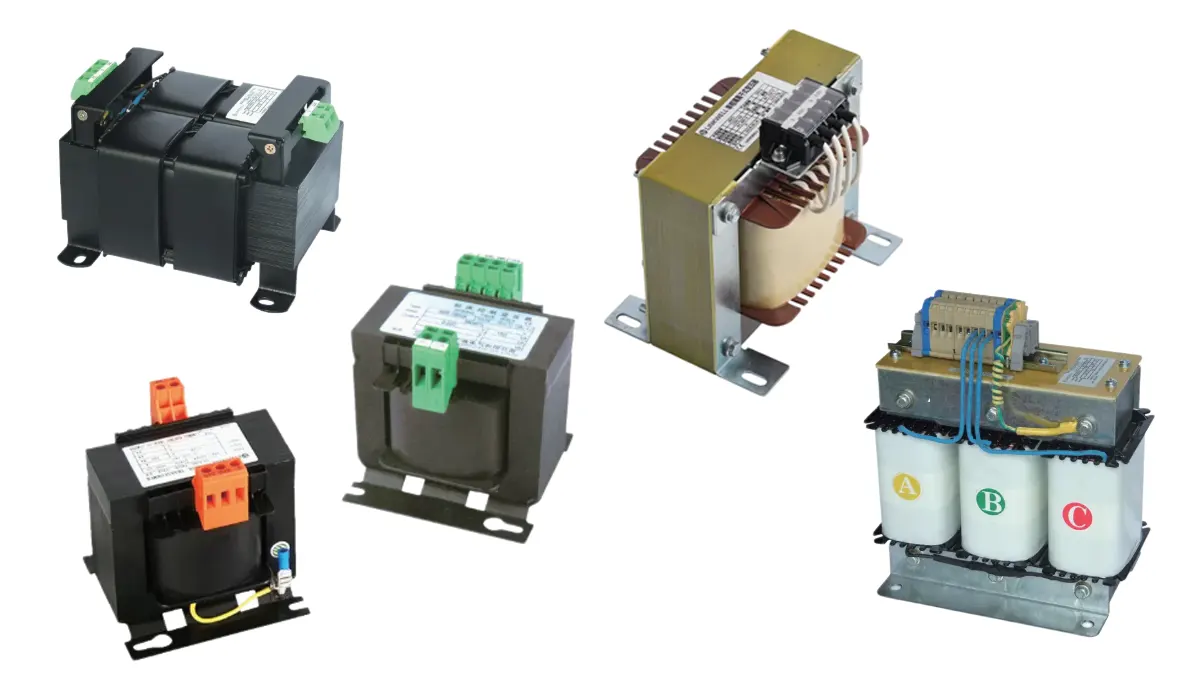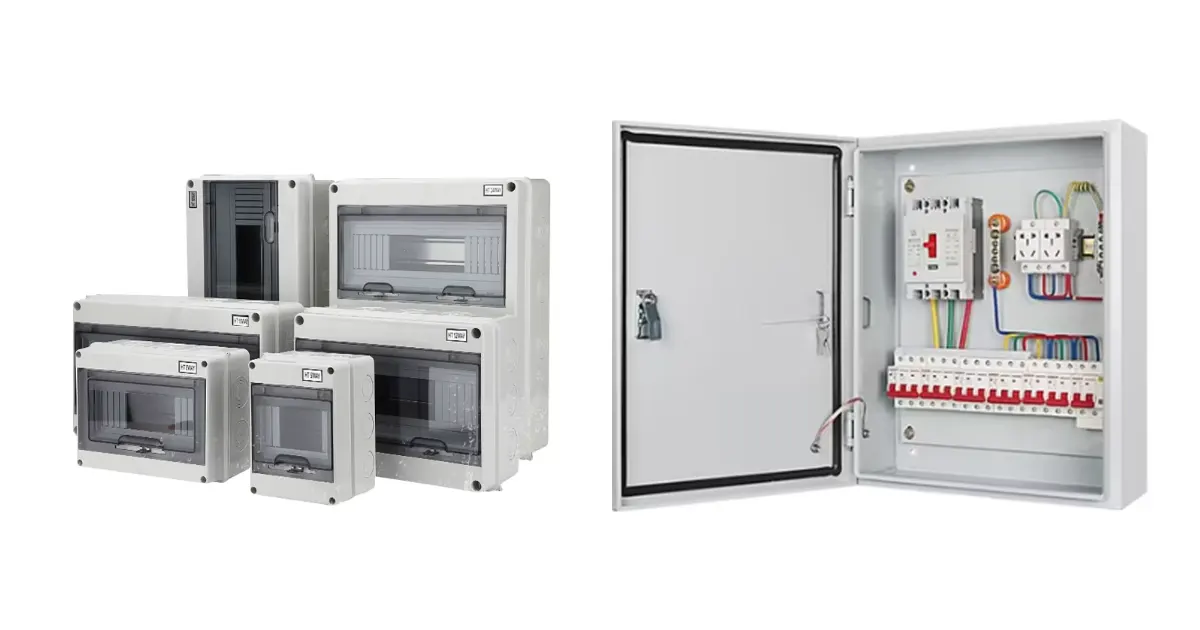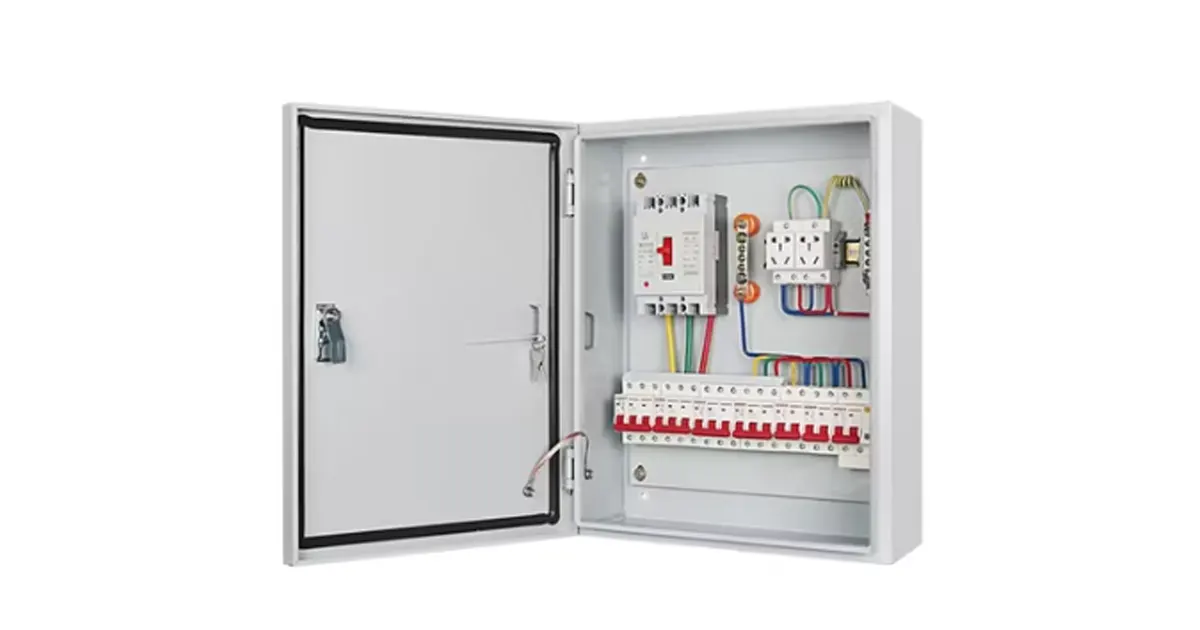
You may notice that control transformer prices are never the same. The price changes because of things like VA rating, voltage, phase, material, certifications, customization, order size, environment, and installation needs. Here’s a quick list of what affects the price and cost:
- VA rating
- Voltage specs
- Phase type
- Material and build quality
- Certifications
- Customization options
- Order quantity
- Environmental conditions
- Installation requirements
If you want the right control transformer, know your project details first. Make sure to check both the starting price and the total cost to own the transformer.
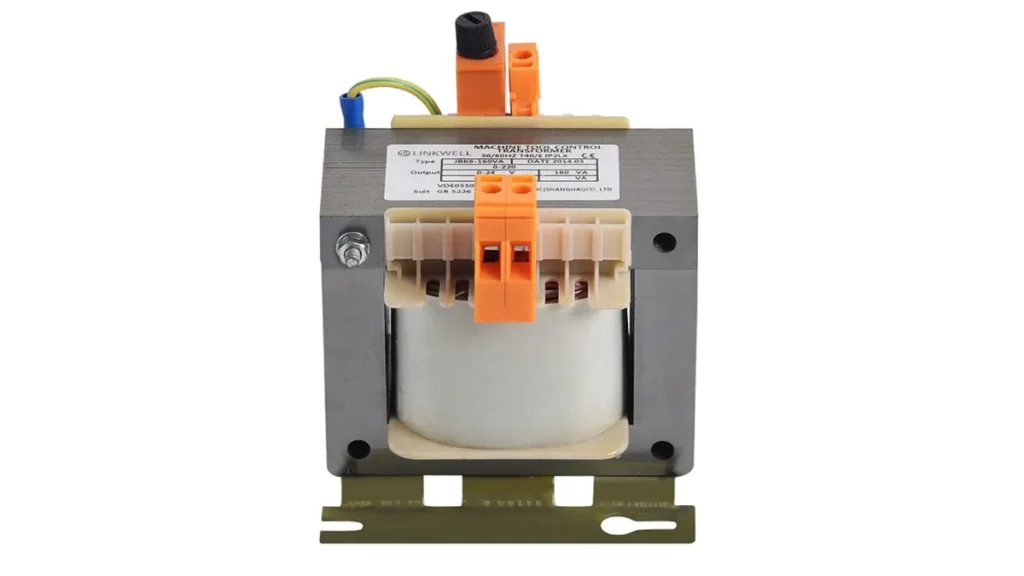
Key Takeaways
- Pick the right VA rating by figuring out your total power needs. If it’s too small, it can overheat. If it’s too big, you waste money.
- Match the voltage specs to your power supply. Using the correct voltage keeps things safe, efficient, and saves money.
- Choose between single-phase and three-phase transformers based on your project size. Bigger systems need three-phase for steady power.
- Pick materials carefully. Copper gives better efficiency and lasts longer but costs more. Aluminum saves money for smaller jobs.
- Check where the transformer will be used. Hot, wet, or dusty places need special features so it lasts longer.
- Always check certifications and rules. Safety marks like UL, CE, and IEC protect your project and follow laws.
- Think about custom options for special voltages, sizes, or mounting. Custom features cost more but fit your needs exactly.
- Include all ownership costs, like energy losses, maintenance, and installation. Paying a little more at first can save money later.
Control Transformer Price Factors
VA Rating
The VA rating is very important for control transformers. It tells you how much power the transformer can handle. Small transformers with less than 50 VA are good for things like lights or small devices. These are not expensive and work well in homes or small shops. If you need more power, you need a bigger VA rating. Transformers from 50 VA to 500 VA are used in bigger shops or factories. They use oil or air to stay cool. For really big machines, you need transformers with more than 500 VA. Some even go over 1,000 VA. These cost more but are needed for big jobs. Knowing how much power your project needs helps you pick the right VA rating. If you choose a transformer that is too small, it can get too hot or break. If you pick one that is too big, you might spend too much money. Picking the right VA rating helps you save money and get good performance.
Voltage Specs
Voltage specs also change the control transformer price. Transformers lower high voltages to safer levels for control circuits. In factories, the main voltage is often 230V, 380V, or 480V. The lower side is usually between 24V and 120V.
Here’s a quick look at common voltage pairs:
| Primary Voltage | Secondary Voltage |
|---|---|
| 230V | 24V |
| 380V | 110V |
| 480V | 120V |
You need to pick voltage specs that match your power supply and control needs. If you need special voltages, the price can go up a little. Getting the right voltage specs is important for safety and saving energy. The right transformer helps your system work well and keeps costs down.
Phase Type
The phase type matters for price and use. You can get single-phase or three-phase control transformers. Single-phase transformers are best for homes and small shops. They are simple, cheap, and easy to put in. People use them for small jobs. Three-phase transformers are for bigger and more complex systems. They can handle more power and give steady voltage. This is important in factories. More big buildings and factories now use three-phase transformers.
- Single-phase transformers are good for small jobs. They are cheap and easy to install.
- Three-phase transformers are for big machines. They give strong and steady power.
Pick the phase type that fits your project size. Three-phase transformers cost more because they do more work. But sometimes you need them to make sure everything runs well.
Frequency
You may ask why frequency is important for control transformers. Frequency is how often the electric current changes direction each second. Most places use either 50 Hz or 60 Hz. This small detail can change the price and how well the transformer works.
If you use a transformer made for 50 Hz on a 60 Hz system, it usually works okay. But using a 60 Hz transformer on a 50 Hz system can cause problems. The transformer can get too hot and might not last as long. This happens because the core can get full and overheat. When this happens, the transformer loses efficiency and can hurt your equipment.
Here are some important things to know about frequency and picking a transformer:
- Using the wrong frequency can make the transformer overheat and not last as long.
- High-frequency transformers are needed for special jobs, like changing power between different voltage and frequency levels.
- Every job needs a transformer with the right frequency rating to work safely and well.
- If you use a transformer outside its rated frequency, you can have core problems and lose more energy.
Always check the frequency rating before buying a control transformer. Picking the right one helps you avoid extra costs and keeps your system working well. If you are not sure, ask your supplier for help. They can help you choose the best transformer for your project.
Material and Build Quality
Copper vs Aluminum
When you look at a control transformer, you might wonder what makes one more expensive than another. One big reason is the type of wire inside. Most transformers use either copper or aluminum for their windings. Copper costs more, but it gives you better efficiency and a longer service life. Aluminum is cheaper and lighter, but it does not last as long or work quite as well.
Here’s a quick table to help you compare:
| Material | Cost per kVA | Material Cost (USD) | Efficiency (%) | Expected Service Life (years) |
|---|---|---|---|---|
| Copper | +15–25% higher | $25,000 (1 MVA) | 99.20 | 25–30 |
| Aluminum | Baseline | $20,500 (1 MVA) | 98.90 | 20–25 |
If you want a high quality control transformer, copper is the better choice. You get more efficiency and a longer lifespan. But if you need to save money and weight, aluminum can work for smaller jobs. Keep in mind that copper prices can change a lot, so the cost of a high-quality transformer may go up or down depending on the market.
Core Material
The core is the heart of your transformer. It decides how well your transformer works and how much energy it loses. Most cores use special steel, but some use other metals. A good core means less wasted energy and better transformer performance. If you pick a transformer with a strong, high-quality core, you get better performance and a longer life. Copper cores are more compact and conduct electricity better, but they cost more. Aluminum cores are lighter and cheaper, but they need to be bigger to do the same job.
Tip: If you want the best performance and reliability, choose a transformer with a high-quality core, even if it costs a bit more.
Insulation Class
Insulation class tells you how hot your transformer can get before it starts to break down. The higher the insulation class, the more heat your transformer can handle. This means it can last longer and work harder without problems. For example, a transformer with a high insulation class can run in hotter places or handle bigger loads. If you need your transformer to last a long time, always check the insulation class. Good insulation also helps stop small sparks inside the transformer, which can damage it over time.
When you pick a control transformer, think about the materials and build quality. These choices affect the cost, efficiency, and how long your transformer will last. If you want the best value, look for a high-quality transformer with good materials and a strong insulation class. This way, you get great performance and save money in the long run.
Reliability
Reliability is very important when picking a control transformer. You want your machines to work well every day. If the transformer stops working, your whole system can shut down. This can waste time, cost more money, and even be unsafe. So, how can you make sure your transformer is reliable?
First, check how well it is made. Good transformers use strong materials and are built carefully. If the windings look neat and the connections are tight, that is a good sign. Solid insulation also means better quality. These things help the transformer last longer and work better.
Next, look at the design. Some transformers have special features to make them stronger. For example, some have coatings to keep out water or dust. Others use thicker insulation for high heat. If your project is in a tough place, these features help a lot.
You should also ask about testing. Good transformers are tested before leaving the factory. Makers check for leaks, too much heat, and electrical problems. If you get a test report, you can trust the transformer more.
Here is a simple checklist to find a reliable transformer:
- Check for strong materials and neat build.
- Ask for test reports or certifications.
- See if it has extra protection for tough places.
- Make sure it matches your voltage and VA rating.
Note: If your transformer will be in a hot, dusty, or shaky place, tell your supplier. They can help you pick the right model for better reliability.
Sometimes, a reliable transformer costs a bit more. But it can save you money later. You will not need to replace it as often. Your machines will keep working. Reliable transformers also give steady power, so your equipment works right.
Let’s compare standard and high-reliability transformers in this table:
| Feature | Standard Transformer | High-Reliability Transformer |
|---|---|---|
| Material Quality | Basic | Premium |
| Testing | Standard | Advanced |
| Environmental Protection | Limited | Enhanced |
| Expected Service Life | 5–10 years | 15–25 years |
If you want to feel safe, pick a transformer that is proven to be reliable. Ask questions, check the details, and do not settle for less. Your project needs the best.
Certification and Compliance
When you buy a control transformer, you need to check more than power and size. You must make sure it follows safety rules. These rules keep your equipment safe and help your project go well. If you skip this, you might have delays or extra costs. Local inspectors could reject your transformer.
Industry Standards
Industry standards are rules for how transformers work and stay safe. You will see names like UL, CE, IEC, and ISO. These groups make sure transformers meet strict safety rules. Without the right certification, you could have problems. For example, a North American utility bought transformers without UL approval. They had to pay for more tests and wait six weeks.
Here’s why certifications are important:
- They show your transformer follows safety rules.
- They give proof to local inspectors.
- They help your project go smoothly.
- They make customers trust your work.
| Certification Type | Requirements | Purpose |
|---|---|---|
| IEC 60076-11 | International standards | Safety and reliability |
| CE/UL/ISO | Safety standards | Legal compliance and safety assurance |
| RoHS | Limits on hazardous materials | Environmental protection |
| Fire Safety Class | Fire safety rules | Safety in installations |
Different projects and places need different certifications. Always check what your project needs before buying.
Project Requirements
Every project is unique. Some jobs need special certifications or extra tests. You might work in a place with strict fire laws or tough environmental rules. Sometimes, you need to match local electrical codes or utility standards. Missing these details can cause big problems later.
Here are things that can change what you need:
- Local electrical codes
- Fire protection laws
- Environmental rules
- Utility company standards
You can ask your supplier to change the transformer design for your project. They can match voltage, frequency, and insulation to local rules. This helps your transformer work safely and last longer.
Testing Reports
Testing reports are like a report card for your transformer. They show your transformer passed all the right tests. These tests follow rules from groups like IEC and IEEE. You get proof your transformer is safe and ready to use.
There are different kinds of tests:
| Testing Category | Purpose | Performed According to | Impact on Cost |
|---|---|---|---|
| Routine Tests | Check every unit for performance | IEC 60076-1 | +3–5% |
| Type Tests | Test design for tough conditions | IEC 60076-3 / IEC 60076-5 | +5–10% |
| Special Tests | Check custom or project needs | Client/IEC specification | +2–5% |
| Certification & Audit | Check process quality and paperwork | ISO 9001, ISO 14001 | +1–2% |
Full testing and certification can add 8–15% to the price. These steps protect your investment and help you avoid problems.
Tip: Always ask for testing reports and certifications before buying. This helps you compare options and pick the best transformer for your project.
If you want a transformer that works well and lasts a long time, never skip safety and compliance checks. These steps may add a little to the price, but they save you time, money, and stress later.
Customization and Installation
Custom Specs
Sometimes you need a transformer made just for your project. Custom specs can mean special voltages, unique cases, or extra controls. When you ask for custom features, the price goes up. Custom transformers cost more because engineers spend more time on them. They use special parts and may build only a few. This makes each transformer cost more than regular ones.
If you want custom voltage or extra taps, the price can go up by 20% to 50%. For advanced things like special cooling or SCADA controls, the cost can be twice as much.
Here’s a quick look at how different levels of customization change the price:
| Customization Level | Typical Cost Impact |
|---|---|
| Basic (mounting, terminals) | +10%–20% |
| Moderate (voltage/taps) | +20%–50% |
| Advanced (cooling, SCADA) | +50%–100% or more |
| Mission-Critical | +200%–300%+ |
Physical Dimensions
The size of your transformer matters a lot. If you need a small unit for a tight space, or a big one for more power, the price changes. Custom sizes mean extra work for the factory. They may need special materials or change the design. This can make the transformer cost almost 70% more than a regular one.
| Parameter | Standard Transformer | Custom Transformer |
|---|---|---|
| Price Estimate (USD) | $15,000 – $18,000 | $25,000 – $35,000 |
| Price Increase | – | ~70% higher |
Tip: Always measure your space before you order. If you need a transformer to fit a special spot, tell your supplier early.
Mounting Options
Mounting options help you put your transformer in the right place. You can pick wall, floor, or panel mounting. Some jobs need special brackets or pads to stop shaking. Basic mounting changes the price a little, but special options can cost more. If you need a transformer for a tough place, like outside or near water, you may need extra protection. This can make the price go up.
- Wall mounting saves floor space.
- Floor mounting is good for heavy transformers.
- Panel mounting fits inside control cabinets.
Note: Tell your supplier about where you will install your transformer. If you need dust-proof or waterproof features, ask for them. This helps your transformer last longer and work better.
Custom designs, size, and mounting all change the price and fit. If you want the best deal, share your project details and any special needs with your supplier. You get a transformer that fits your job and avoids problems later.
Environmental and Operational Factors
When you pick a control transformer, you must think about where it will be used. Things like heat, wet air, and the work area are important. These things change how well your transformer works and how long it lasts. Let’s look at why these things matter for your project.
Temperature
Heat can really affect a transformer. If it gets too hot, the insulation inside can wear out faster. High heat makes cooling harder, so you might need better cooling or stronger materials. This can make the transformer cost more, but it keeps your equipment safe.
Here’s something to remember: Every time the temperature goes up by 10°C, the insulation life is cut in half. So, if your transformer gets too hot, it will not last as long. You should choose a transformer that matches the heat in your work area. This helps your machines work better and stay safe.
Tip: Always check the temperature rating before you buy. If your project is in a hot place, ask for a transformer that can handle more heat.
Humidity
Wet air is another thing to think about. When the air is damp, water can get inside the transformer. This can lower the insulation strength and cause rust or damage. If you work in a wet place, you may need a transformer with a sealed tank or special insulation. These things help protect your transformer and keep it working well.
Humidity can also make things less safe. Wet conditions can cause short circuits or even fires. You want to make sure your transformer is made for the right humidity. This helps you avoid problems and keeps your system safe.
Application Environment
Where you put your transformer matters a lot. Is it inside or outside? Is there dust, shaking, or chemicals nearby? Each of these things can change what kind of transformer you need. For tough places, you might need extra protection like coatings or special covers.
If you want good energy use and less wasted power, you need a transformer that fits your work area. Picking the right one means better performance and longer life. You also save money because you won’t have to replace it as often.
Here’s a quick checklist for you:
- Check the heat and wetness of your site.
- Think about dust, water, and chemicals.
- Ask your supplier for a transformer made for your work area.
Choosing the right transformer for your environment helps you get the best safety, efficiency, and reliability. It also keeps your project running well for a long time.
Supplier and Order Considerations
Manufacturer vs Distributor
When you buy a transformer, you can pick a manufacturer or a distributor. Manufacturers are good if you want a custom transformer or need to buy a lot. They can answer hard questions and help you choose the right transformer. Distributors keep many common transformers in stock. They can send them to you quickly. If you need a transformer fast or just want a regular one, a distributor is a good choice.
Here’s a table to help you see the differences:
| Option | Price | Customization | Delivery Speed | Support |
|---|---|---|---|---|
| Manufacturer | Lower | High | Slower | Direct |
| Distributor | Higher | Low | Faster | Local |
Tip: If you want special features or need many transformers, talk to the manufacturer. For quick jobs or small orders, a distributor is easier.
Bulk Discounts
If you buy many transformers at once, you can save money. Manufacturers often lower the price for big orders. This means each transformer costs less. Your whole project will cost less too. Distributors sometimes have deals, but manufacturers usually give the best savings.
- Buying in bulk makes each transformer cheaper.
- Big orders get better prices from manufacturers.
- Planning ahead and ordering together saves money.
If your project is large, ask about bulk discounts. You might save more than you think.
Regional Pricing
Transformer prices are different in each place. Labor, materials, and shipping can cost more in some areas. This changes how much you pay in total. Local suppliers may charge more, but they can help you faster. If you buy from far away, you might pay less, but shipping and customs can add extra costs.
- Prices go up in some places because of local costs.
- Material prices are not the same everywhere.
- Always ask about delivery times and extra fees.
Note: Ask about warranty and after-sales help. Good support helps you fix problems fast. A strong warranty protects your money and gives you peace of mind.
When you look at suppliers, check more than just the price. Look at the warranty, support, and how easy it is to get help. You want a supplier who will help you if something goes wrong.
Quote Comparison and Buying Tips
Control Transformer Price Quote
When you shop for a control transformer, each supplier gives a different price. Some quotes are simple, but others have lots of details. Don’t just look at the final price. Check what is included and what is missing. Ask for a clear list of costs. This helps you see if the quote covers things like shipping, installation, or extra features.
If a quote is much lower than others, stop and think. Sometimes, a low price means cheaper materials or missing safety features. Always ask the supplier to explain what is included. A good quote should list specs, certifications, and warranty. This makes it easier to compare offers and find the best deal.
Key Parameters
Before you pick a control transformer, compare the main details in each quote. These details help you choose the right transformer and avoid problems later. Look for these things:
- Rated power (kVA) and output voltage (V)
- Primary voltage and frequency
- Regulation and tolerance
- Temperature rise and cooling method
- Insulation class and safety certifications
- Mounting style and enclosure protection (IP rating)
- Availability of taps or adjustable outputs
- End-of-life support and serviceability
You want a transformer that fits your project and meets safety rules. If you skip any of these points, you might get a transformer that does not fit or is not safe. Always check the specs and ask questions if you are unsure.
Common Pitfalls
Many buyers make the same mistakes when comparing transformer price quotes. Here are some common problems to avoid:
- Giving incomplete specs can cause wrong quotes and delays.
- Only looking at the lowest price may mean poor efficiency or bad materials.
- Ignoring installation needs can hurt performance and shorten life.
- Not checking the supplier’s experience can leave you without good support.
If you want to save money, look beyond the sticker price. Think about the total cost, including installation, maintenance, and how long the transformer lasts. A safe and efficient transformer may cost more at first, but it can save money and trouble later. Always put safety and reliability first. That way, you get the best value for your project.
Total Cost of Ownership
When you shop for a control transformer, it’s easy to focus on the price tag. But the real story goes much deeper. The total cost of ownership is what you actually pay over the life of your transformer—not just the money you spend at the start. If you want to make smart choices and find real savings, you need to look at every part of the journey.
Here’s what goes into the total cost of ownership:
- Purchase price: What you pay to buy the transformer.
- Energy losses: The electricity lost as heat while the transformer runs, both when it’s on standby and when it’s working hard.
- Installation and commissioning: The money spent on labor, site prep, and getting everything set up.
- Certification and compliance fees: The cost for testing, approvals, and paperwork.
- Logistics and transportation: Shipping, packaging, and handling to get the transformer to your site.
- Maintenance and spare parts: Regular checkups, repairs, and replacement parts over the years.
Let’s see how these costs add up over 20 years:
| Cost Component | Estimated 20-Year Cost |
|---|---|
| Purchase Price | $800,000 |
| Energy Losses | $350,000 |
| Installation | $120,000 |
| Certification | $25,000 |
| Transportation | $30,000 |
| Maintenance | $150,000 |
| Total TCO | $1,475,000 |
You can see that the initial cost is just one piece of the puzzle. Energy losses and maintenance can add up to more than the purchase price itself. If you pick a transformer that uses less energy or needs fewer repairs, you can save a lot of money over time.
Tip: Always ask your supplier about energy efficiency, maintenance needs, and warranty support. A slightly higher price at the start can mean big savings later.
When you compare quotes, don’t just look at the sticker price. Think about how much you’ll spend to install, run, and keep your transformer working for years. This way, you get the best value and avoid surprises down the road.
Conclusion
Control transformer price can change based on specifications, materials, build quality, compliance requirements, and order details. Before asking for a quote, it is helpful to know your VA rating, input and output voltage, phase, frequency, quantity, and installation requirements. As a control transformer manufacturer, LINKWELL can help you choose a suitable model based on your project needs, working conditions, and electrical cabinet design. A good buying decision should not focus only on the lowest initial price. It should also consider safety, reliability, service life, and long-term operating cost.
FAQ
What is a control transformer?
You use a control transformer to lower voltage for control circuits. It helps your machines run safely and protects sensitive parts. You often see these in factories, panels, and automation systems.
Why does control transformer price change so much?
Prices change because of size, voltage, materials, and special features. If you want custom specs or higher quality, you pay more. Always check what you need before you buy.
How do I know which VA rating I need?
First, add up the power used by all devices on your control circuit. Pick a transformer with a VA rating a bit higher than your total. This keeps your system safe and reliable.
Does higher quality mean longer life?
Yes! When you choose better materials and strong build, your transformer lasts longer. High quality also means fewer breakdowns and less maintenance.
Can I use any transformer for outdoor projects?
No. You need a transformer made for outdoor use. Look for weatherproof cases and extra protection. Ask your supplier if you are not sure.
What should I check before ordering?
Always double-check your voltage, VA rating, phase, and installation needs. Tell your supplier about your work area and any special requests. This helps you get the right transformer the first time.