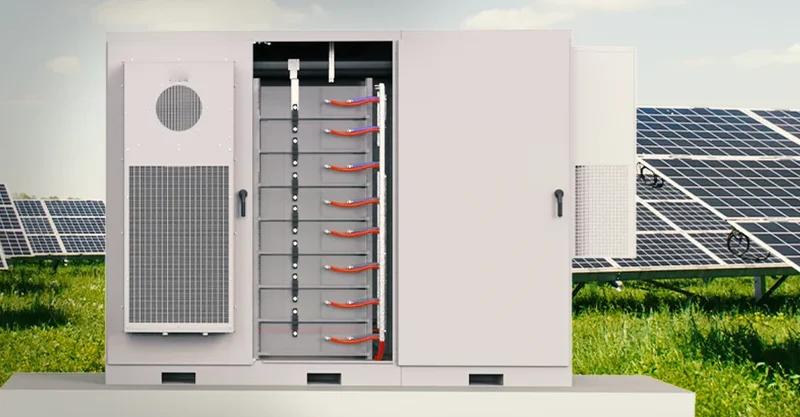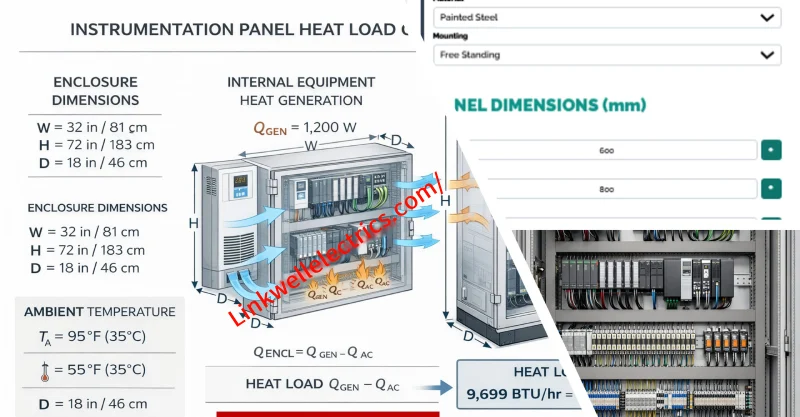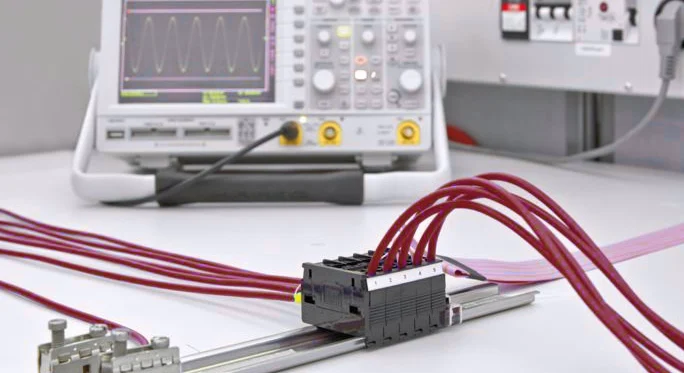
Ready to launch your own air conditioning business for electrical cabinets? You’re stepping into a booming market. Many factories and tech sites need reliable cooling for electrical enclosures. Linkwell leads the industry with advanced cabinet air conditioning solutions trusted worldwide. The market is growing fast:
- Current size: US$ 2.5 billion (2025)
- Projected: US$ 4.1 billion by 2033
- Growth rate: 7.5% CAGR (2026–2033)
You need more than general hvac know-how to succeed. Here’s how to start an hvac business for electrical cabinets and set your hvac business up for success:
| Step | Description |
|---|---|
| 1 | Define services offered, including specifics for electrical cabinets. |
| 2 | Obtain necessary certifications and licenses relevant to HVAC and electrical cabinet work. |
| 3 | Create a detailed business plan outlining goals and strategies. |
| 4 | Secure funding through loans or investors. |
| 5 | Purchase necessary equipment for HVAC and electrical cabinet services. |
| 6 | Set competitive pricing for services. |
| 7 | Market the business to attract clients. |
| 8 | Hire qualified staff to support operations. |
Focus on these steps, choose quality products like Linkwell Cabinet Air Conditioner, and your hvac business will stand out from the rest.
Key Takeaways
- Identify your niche in the HVAC market by focusing on electrical cabinet cooling needs.
- Obtain necessary licenses and certifications to build trust and ensure compliance with industry standards.
- Create a detailed business plan that outlines your goals, target market, and financial strategies.
- Choose reliable equipment like Linkwell Cabinet Air Conditioner to ensure quality and efficiency for your clients.
- Implement effective marketing strategies to reach industrial clients and build strong customer relationships.
Defining Your Air Conditioning Business Niche
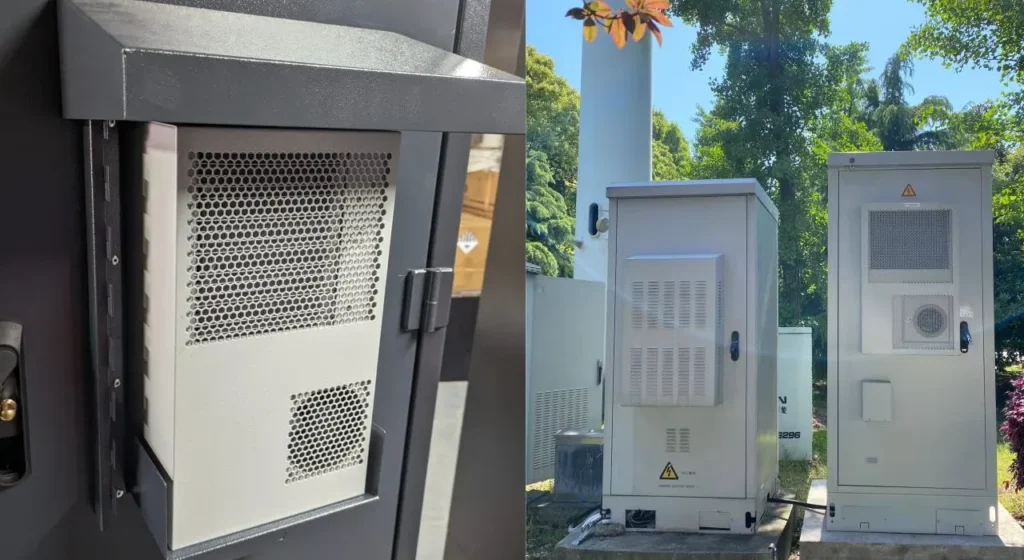
Electrical Cabinet Cooling Needs
You want your air conditioning business to stand out in the hvac industry. Start by understanding the unique cooling needs of electrical cabinets. These cabinets protect sensitive electronics in factories, telecom sites, and energy plants. They face tough challenges like high temperatures, dust, and humidity. Without proper cooling, heat builds up fast. This can cause system failures, shorten equipment life, and lead to expensive downtime.
The hvac industry offers several cooling solutions for these environments. Here’s a quick look at the most common types and where you’ll find them:
| Cooling System Type | Description | Application |
|---|---|---|
| Fan Filter Units (FFU) | Pulls filtered air into the cabinet | Indoor, light heat loads |
| Air-to-air heat exchangers | Moves heat outside using conduction and convection | Moderate climates, medium heat |
| Thermoelectric coolers | Uses the Peltier effect, no refrigerants, low noise | Compact enclosures, quiet zones |
| Enclosure air conditioners | Uses refrigerant cycles for active cooling | High heat, outdoor or hot locations |
| Free cooling systems | Uses outside air when possible | Telecom shelters, temperate regions |
You’ll see these systems in action across many segments of the hvac industry. Each one helps prevent overheating, reduces condensation, and protects electronics from corrosion. When you match the right system to the right job, you keep your clients’ operations running smoothly.
The hvac industry also serves many niche markets. Here’s a table to help you spot where demand is growing:
| Niche Segment | Market Demand Description |
|---|---|
| Thermoelectric Air Conditioners | Compact, energy-efficient, popular in mobile and sustainable applications |
| Compressor-Based Air Conditioners | Reliable, efficient, growing with urbanization and rising temperatures |
| Vortex Coolers | Compact, portable, limited but steady demand |
| Air-to-Air Heat Exchangers | Energy recovery, popular with eco-conscious clients |
| Transportation | Smart logistics, automated vehicles, urban growth |
| Power & Energy | Renewable energy, smart grids, strong sustainability focus |
| Water Treatment Facilities | IoT monitoring, critical for urban water systems |
| Telecommunications | 5G deployment, rising data use, strong market |
| Security | Surveillance, cybersecurity, digital asset protection |
You can carve out your place in the hvac industry by focusing on one or more of these segments.
Linkwell’s Role in Industrial Solutions
You want reliable partners in the hvac industry. Linkwell stands out as a global leader in electrical cabinet cooling. The company designs high-performance cabinet air conditioners and cooling fans that keep internal temperatures stable. These products protect sensitive electronics from overheating, dust, and moisture.
Linkwell supports many industries in the hvac industry, including pharmaceuticals, healthcare, logistics, and more. The company’s solutions meet strict international standards like CE, ISO9001, RoHS, UL, and cUL. This means you can trust their products to deliver safe and consistent results.
Tip: When you use Linkwell’s cabinet air conditioners, you show your clients that you care about quality and reliability. This can help you win more business and build a strong reputation in the hvac industry.
The hvac industry keeps changing, but with the right niche and the right partners, you can grow your business and meet the needs of modern industry.
How to Start an Electrical Cabinet Cooling Business: Certifications and Legal Steps
Required Electrical Cabinet Cooling Certifications
You want to build trust with your clients and stand out in the hvac industry. To do that, you need the right hvac certification and license. These show that you know how to handle electrical cabinet cooling systems safely and professionally. Here’s what you should look for in major markets:
- In the US, you need to follow NEMA standards or get UL certifications for electrical enclosures.
- In Europe, you should meet IEC standards. Some countries may ask for extra certifications.
- In Asia, rules can change from place to place. Always check local requirements before you get licensed.
When you use products with international certifications, you show your clients that you care about quality. Linkwell’s cabinet air conditioners come with TUV, CE, and UL certifications. These prove that the products meet strict safety and reliability standards, even in tough environments.
Licensing and Compliance
You can’t run a successful hvac business without the necessary licenses. You need to get licensed before you start any installation work. The table below shows the main requirements you’ll face:
| Requirement Type | Details |
|---|---|
| Electrical Contractor License | Basic wiring, load calculations, and installation. |
| Code Compliance | Follow NEC, local codes, and rules for electrical safety. |
| Business Registration | Register your business and get an EIN. |
| Liability Insurance | Protect clients from damages or accidents. |
| Workers’ Compensation | Cover your workers in case of injuries. |
| Continuing Education | Stay updated on codes and standards. |
| License Renewal | Renew your license every 1-3 years, often with proof of education. |
You need to keep up with local hvac certification and license rules. This helps you avoid fines and keeps your business running smoothly.
Insurance and Bonding Essentials
Insurance and bonding keep your hvac business safe. They protect you, your workers, and your clients. Here’s a quick look at what you need:
| Type of Coverage | Description |
|---|---|
| Licensing | Proves you meet minimum insurance and bonding requirements. |
| Bonding | A surety bond protects customers if you don’t finish the job or meet your promises. |
| Liability Insurance | Covers property damage and injuries caused by your work. |
| Workers Compensation Insurance | Pays wages if your workers get hurt on the job. |
Tip: Always review your insurance and bonding before you get licensed or renew your business. This keeps you ready for any project and builds trust with your clients.
When you follow these steps, you set your hvac business up for long-term success. You also show clients that you care about safety, quality, and reliability.
Crafting Your Electrical Cabinet Cooling Business Plan and Financial Setup
Business Plan Essentials
You want to start an hvac business that stands out. The first step is crafting your hvac business plan. A strong business plan helps you set clear goals, understand your market, and map out your path to success. You need to know what hvac services you will offer, who your customers are, and how you will reach them.
Here’s a table that breaks down the key parts of a detailed business plan for an electrical cabinet cooling company:
| Component | Description |
|---|---|
| Executive Summary | Summarizes your goals and how you plan to achieve them. |
| Business Overview | Gives a snapshot of your company and the hvac services you offer. |
| Company Ownership | Explains who owns the business and how that affects operations. |
| Start-Up Summary | Lists your start-up costs and the assets you need to launch. |
| Financial Plan | Shows how you will make money, manage expenses, and stay profitable. |
| Market Analysis | Looks at your target market and competitors. |
| Business Strategy | Describes your plan for reaching your goals and growing your hvac business. |
| Implementation Summary | Outlines the steps and timeline for putting your business plan into action. |
When you create your hvac business plan, think about offering comprehensive hvac services. You can include installation, maintenance, and upgrades for electrical cabinet cooling systems. Treat thermal management as a design process, not just an afterthought. Upgrades and proactive heat control will help your clients keep their systems running longer.
Linkwell gives you a big advantage when planning your business. Their supply chain support means you get fast delivery, competitive pricing, and reliable products. You can offer comprehensive hvac services with confidence, knowing you have access to a wide range of cooling capacities and easy installation options.
Tip: Careful planning and accurate calculations during the design phase help you avoid common mistakes. Understanding heat loads and choosing the right cooling solution will set you apart from other hvac businesses.
Financial Planning and Startup Costs
You need to know your numbers before you start an hvac business. Financial planning helps you figure out how much money you need, where to spend it, and how to keep your business profitable. You should look at all the startup costs, from equipment to marketing.
Check out this table for a breakdown of typical hvac business startup costs:
| Expense Type | Cost Range |
|---|---|
| Licensing and certifications | $200–$1,500 |
| Business registration | $50–$500 |
| Legal consultations | $150–$500/hour |
| Rent and utilities | $600–$3,500/month |
| Basic electrical toolkit | $100–$500 |
| Advanced electrical machinery | $1,000–$10,000 |
| Company vehicle | $10,000–$50,000 |
| Insurance | $2,700–$10,000/year |
| Marketing | $2,500–$20,000/year |
| Salaries and wages | $30,000–$100,000/year |
| Training programs | $100–$500/session |
| Inventory and materials | $1,000–$10,000 |
| Software and tech subscriptions | $300–$2,000/year |
| Outsourcing costs | $0–$5,000/year |
| Contingency fund | $1,000–$5,000 |
You need to get financing to cover these costs. Some people use personal savings, while others look for loans or investors. Planning for a contingency fund helps you handle surprises. When you work with Linkwell, you benefit from competitive pricing and fast installation, which can lower your start-up costs and help you get your business running quickly.
Note: Always include a financial plan in your business plan. This helps you track your revenue, manage expenses, and make smart decisions as you grow.
Registering Your Business
You need to make your business official before you offer hvac services. Registering your business is a key step in planning. You must choose a business structure, like sole proprietorship, partnership, or LLC. Each option has different rules for taxes and liability.
Here’s a simple checklist to help you get started:
- Pick a business name that fits your hvac services.
- Register your business with your state or local government.
- Get an Employer Identification Number (EIN) for taxes.
- Apply for the licenses and certifications you need to offer comprehensive hvac services.
- Set up business insurance to protect your company and employees.
- Open a business bank account to keep your finances organized.
When you register your business, you show clients that you are serious and trustworthy. Linkwell’s supply chain support and reliable products make it easier to launch your business and start offering hvac services right away.
Tip: Careful planning at this stage helps you avoid legal problems and keeps your business running smoothly.
You can overcome common challenges by treating thermal management as a design process, understanding heat loads, and planning for upgrades. With a strong business plan, smart financial planning, and the right partners, you can start an hvac business that grows and succeeds.
Equipment Selection and Cabinet Air Conditioner Solutions
Recommended products

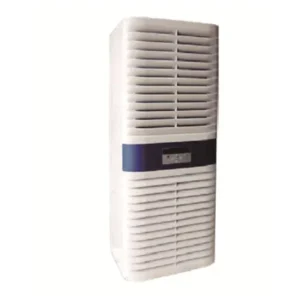
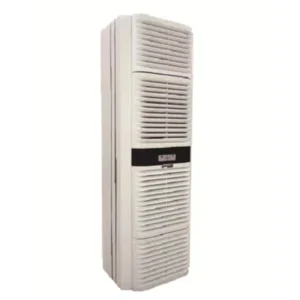

Choosing Linkwell Cabinet Air Conditioner
Picking the right equipment is the backbone of your hvac business. You want your clients to trust you with their electrical cabinet cooling needs. Start by looking at the environment. Is the cabinet in a temperature-controlled room or outside in the heat? Next, check the airflow inside the enclosure. Good airflow stops hotspots and keeps all parts cool. You should also think about where you place each component. If you put heat-generating parts too close to the air conditioner, you might get short cycling. That means the unit will not cool the cabinet well.
Here’s a quick checklist for selecting the best hvac equipment:
- Check if the cabinet sits in a controlled or harsh environment.
- Make sure airflow inside the enclosure is smooth.
- Use tools to test airflow and spot problem areas.
- Identify which parts need the most cooling.
- Measure how much heat the cabinet produces.
- Look at outside air temperature and dust levels.
Linkwell Cabinet Air Conditioner stands out for reliability and smart design. You get IP54/IP65 protection, which means the unit works well even in dusty or wet places. The energy-efficient inverter technology helps you save on power bills. Digital controls let you set the perfect temperature and monitor the system with ease. You can trust Linkwell to keep your clients’ electronics safe and running.
Tip: Careful planning during equipment selection helps you avoid costly repair jobs and keeps your hvac business running smoothly.
Technology and Installation Options
You have more choices than ever when it comes to hvac technology. Smart systems with IoT integration let you monitor and control cabinet cooling from anywhere. These systems use sensors to adjust cooling and save energy. Heat pump technology is also gaining ground. It gives you both heating and cooling in one unit, which is great for changing weather.
Predictive maintenance is another trend you should know. With smart hvac units, you can spot problems before they cause a breakdown. This means fewer emergency repair calls and happier clients. Zoning and dual zone options let you control different areas of a cabinet separately. This boosts energy savings and keeps sensitive parts at the right temperature.
When you install Linkwell Cabinet Air Conditioner, you get flexible mounting options. You can choose side, top, or door mounts to fit any enclosure. The units are easy to install and maintain, which means less downtime and fewer repair headaches.
Pricing Strategies for Specialized Services
Setting the right price for your hvac services takes some thought. You want to cover your costs and make a profit, but you also need to stay competitive. Start by looking at the cost of equipment, labor, and any special tools you need for installation or repair. Factor in the value of using high-quality products like Linkwell. Clients will pay more for reliable cooling that protects their investments.
You can offer service packages that include regular maintenance and quick repair response times. This builds trust and keeps your revenue steady. Be clear about what’s included in each package. Show clients how your hvac expertise and top-notch equipment save them money in the long run.
Note: Transparent pricing and quality service help you stand out in the hvac market.
Marketing and Growing Your Air Conditioning Business
Reaching Industrial and Commercial Clients
You want your hvac business to stand out in a crowded market. To do that, you need an effective marketing strategy that targets the right customers. Start by identifying the industries that need electrical cabinet cooling, like factories, data centers, and energy companies. Use digital marketing tools to reach decision-makers. Search engine optimization (SEO) and pay-per-click (PPC) ads help you show up when customers search for hvac solutions.
Here’s a table with top marketing tactics for industrial and commercial customers:
| Marketing Tactic | Description |
|---|---|
| Client Feedback | Ask for feedback from customers to improve your service and build trust. |
| Simplified Calling | Use call extensions in ads to make it easy for customers to contact you. |
| Targeted Marketing | Focus on the right customers with SEO and PPC for better lead generation. |
You can also promote your hvac business by sharing case studies and testimonials from satisfied customers. This builds credibility and helps new customers trust your team.
Hiring and Training Technicians
Your team is the backbone of your hvac business. You need skilled technicians who know how to install and maintain electrical cabinet cooling systems. Offer competitive pay and benefits to attract the best talent. Give your team ongoing training so they stay up-to-date with the latest hvac technology. Create clear career paths so your team sees a future with your company.
Here’s how you can build a strong team:
- Offer good salaries and benefits.
- Provide regular training and skill updates.
- Show your team how they can grow in your company.
- Allow flexible work hours when possible.
- Work with training schools to find new talent.
A well-trained team helps you deliver top service to your customers every time.
Building Client Relationships
Strong customer relationships keep your hvac business growing. Stay in touch with your customers through regular check-ins and maintenance reminders. Listen to their needs and solve problems quickly. When you use Linkwell’s trusted products, you show customers that you care about quality and reliability.
You can design a marketing strategy that highlights Linkwell’s reputation and wide product range. Mention awards, partnerships, and innovative solutions in your promotions. This gives your customers confidence in your team and your services.
Tip: An effective marketing strategy, a skilled team, and great customer relationships will help you promote your hvac business and win loyal customers for years to come.
How to Make Money in Heating and Air Conditioning Business
1. Residential HVAC Projects
The focus here is on volume and recurring revenue. Profitability comes from:
- Installation & Retrofitting: Installing energy-efficient heat pumps and split systems.
- Maintenance Contracts: Offering annual “tune-up” plans to ensure steady cash flow during off-seasons.
- Emergency Repairs: Charging premium rates for urgent diagnostics and part replacements.
2. Electrical Cabinet (Control Cabinet) Cooling
This is a high-margin niche targeting industrial automation and data centers.
- Precision Cooling: Selling specialized units that prevent sensitive electronics from overheating, which is critical for factory uptime.
- Customization: Providing bespoke thermal management solutions for harsh environments (dusty or high-heat factories).
- Replacement Cycles: Since cabinet coolers are vital for production lines, businesses prioritize high-quality, reliable units over the cheapest price.
Conclusion
You now have a clear roadmap for building a successful hvac business that specializes in electrical cabinet cooling. You learned how to define your niche, get the right certifications, and create a solid business plan. You also saw how important it is to choose reliable equipment and set smart pricing. When you use trusted products like Linkwell’s cabinet air conditioner, you show clients that you care about quality and long-term results.
Here’s a quick checklist to keep you on track:
- Focus on specialized hvac services for electrical cabinets.
- Stay up to date with certifications and local regulations.
- Build a business plan that covers your goals and finances.
- Choose equipment that meets industry standards.
- Market your hvac business to the right clients.
- Invest in training and support for your team.
Tip: Keep learning about new hvac technologies and trends. Strong client relationships and ongoing education will help your business grow.
You can stand out in the hvac industry by offering expert solutions and reliable service. Linkwell’s cabinet air conditioner gives you an edge with its quality and support. Stay focused, keep improving, and watch your business thrive.
You’re ready to launch your hvac business for electrical cabinets. Here’s what matters most:
- Get the right licenses and stay compliant with local hvac regulations.
- Build a solid hvac business plan and know your target market.
- Offer specialized hvac services that meet the growing demand for reliable cooling.
- Choose Linkwell Cabinet Air Conditioner for proven safety, energy management, and long service life.
| Feature | Why It Matters for Your hvac Business |
|---|---|
| Precision Control | Keeps cabinet temperatures stable |
| Safety Certifications | Meets strict hvac industry standards |
| Energy Management | Saves money and boosts efficiency |
| Environmental Adaptability | Works in tough hvac environments |
| Long Service Life | Reduces hvac maintenance costs |
Stay ahead by learning about new hvac technologies, working with suppliers, and building strong client relationships. Your hvac business will thrive as you keep up with industry trends and deliver dependable solutions.
FAQ
What makes electrical cabinet cooling different from regular hvac work?
You deal with smaller spaces and sensitive electronics. Standard hvac systems cool rooms or buildings. Cabinet cooling focuses on keeping equipment safe from heat, dust, and moisture. You need specialized solutions for these jobs.
How do I choose the right hvac unit for an electrical cabinet?
You start by checking the cabinet’s size, heat load, and location. Outdoor cabinets need extra protection. Use a thermal calculator to estimate cooling needs. Reliable brands like Linkwell offer hvac units designed for these specific challenges.
Can I use regular hvac technicians for cabinet cooling installations?
You want technicians with experience in electrical enclosures. Regular hvac training helps, but cabinet cooling requires extra skills. Make sure your team understands wiring, airflow, and safety for these unique projects.
How often should I service cabinet hvac systems?
You should check filters and controls every three to six months. Regular maintenance keeps the hvac unit running smoothly and prevents breakdowns. Clean filters and inspect for dust or leaks to extend equipment life.
Why should I choose Linkwell for my cabinet hvac needs?
You get certified, energy-efficient hvac solutions with Linkwell. Their products handle tough environments and offer easy installation. You also receive support and fast delivery, making your business more reliable for clients.