A common question is, “What is a cabinet fan heater?” A cabinet fan heater is a device designed to keep an electrical cabinet warm and dry by using a fan to circulate heated air. This process prevents moisture buildup inside the enclosure, protecting sensitive electronics from damage.
Understanding what a cabinet fan heater is and its importance is crucial, as studies show that excessive heat causes over half of electronic failures in enclosures. By controlling the temperature, a cabinet fan heater helps prevent these issues and ensures reliable system performance.
Cabinet Fan Heater Key Takeaways
- A cabinet fan heater keeps electrical cabinets warm and dry. It protects sensitive electronics from moisture and cold damage.
- There are different types of cabinet fan heaters for different needs. Some heat up fast. Some are quiet. Some save energy by self-regulating.
- These heaters keep the temperature steady. This stops water from building up. It helps electronic equipment last longer.
- Safety features like thermostats and automatic shut-off are included. They protect equipment and people. They also help save energy.
- Cabinet fan heaters are used in many industries. Factories, data centers, and telecom sites use them. They help systems work well and reliably.
What is a Cabinet
Electrical Cabinet
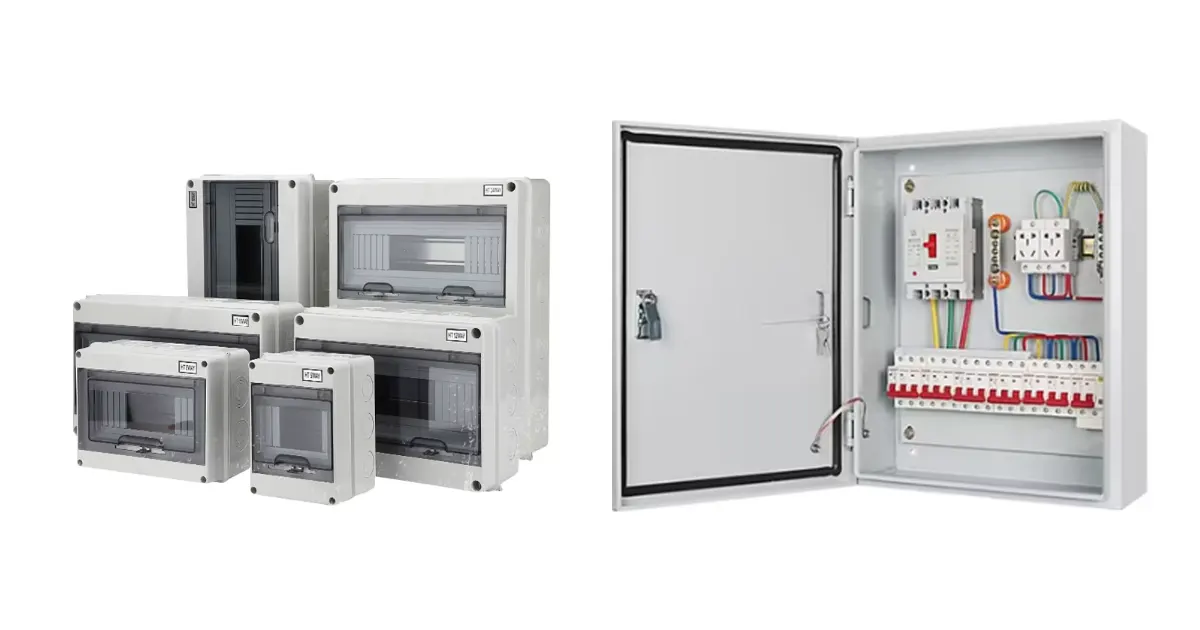
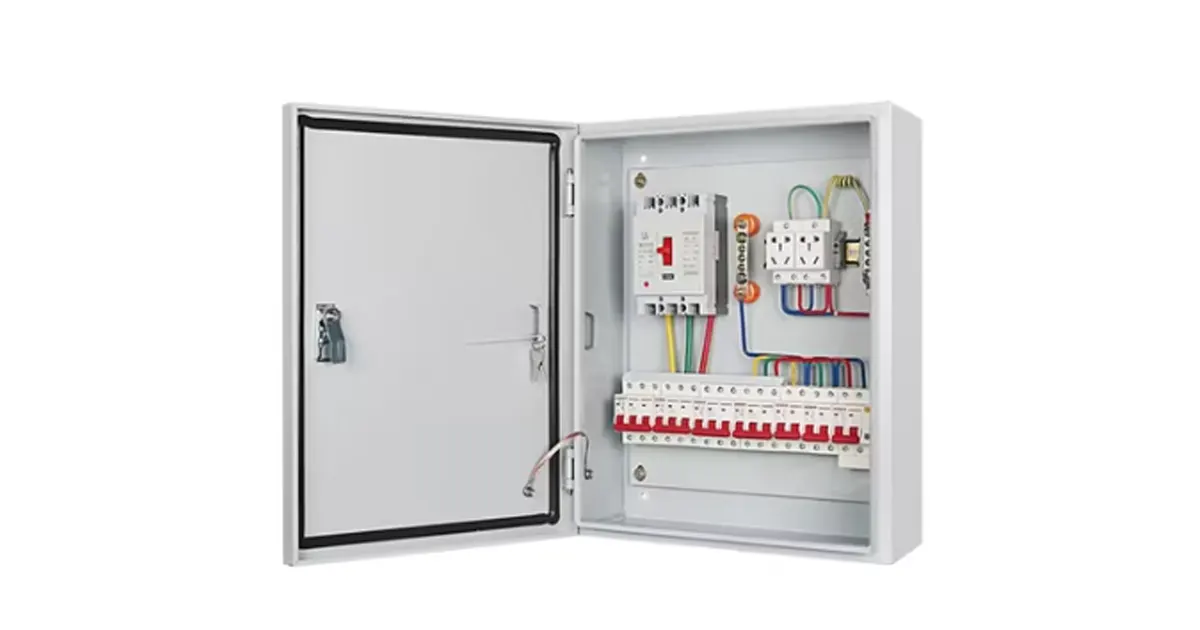
An electrical cabinet is a box that protects electrical parts. Engineers use these boxes to keep things like circuit breakers and switches safe. The cabinet stops dust, water, and people from touching the electronics.
Most electrical cabinets are made of strong metal or plastic. This shell keeps the cabinet safe from bumps and blocks water. Inside, there are shelves and rails for holding equipment. Technicians open doors or panels to get inside, and these can lock.
Electrical cabinets are used in many places. Factories use them for automation controls. Data centers keep servers and network gear in cabinets. Power plants use cabinets for distribution panels.
Tip: Picking the right cabinet helps keep people safe and makes equipment last longer.
Cabinet size and shape change based on what they hold. Small cabinets fit one device. Big cabinets hold many parts. Some cabinets have fans or vents to control temperature. These features help stop water from forming inside.
A cabinet fan heater works inside these boxes. It blows warm air to keep electronics dry and safe. It is different from a hot water fan convector, which heats rooms with water. A cabinet fan heater only heats the small space inside an electrical cabinet.
The right cabinet helps things work well. It keeps equipment safe and makes a good place for sensitive electronics.
| Feature | Purpose |
|---|---|
| Metal/Plastic Shell | Physical protection |
| Locking Doors | Security |
| Mounting Rails | Equipment organization |
| Climate Control | Temperature and humidity |
Electrical cabinets are important for safety in factories and other places. They help stop electrical problems and damage. Picking the best cabinet and parts helps equipment work for a long time.
What is a Cabinet Fan Heater

Definition
A cabinet fan heater keeps the inside of an electrical cabinet warm and dry. It has heating elements and a fan that moves warm air around. This helps protect electronics from cold, moisture, and water drops. People want to know how it works and why it is important.
The main parts of a cabinet fan heater are:
- Heating elements like PTC fan heater units or strip heaters. These make heat.
- A fan spreads the warm air inside the cabinet.
- A thermostat or controller turns the heater on or off. This keeps the temperature right.
When it gets cold, the heating elements warm up. The fan pushes the heat through the cabinet. This stops cold spots and keeps electronics safe. The PTC fan heater is popular. It changes how much heat it makes as the temperature changes. This makes it safer and saves energy.
Note: The Linkwell Enclosure Heater is made for control cabinets and telecom racks. It uses advanced heating elements and a good thermostat to keep the cabinet at the right temperature.
Cabinet Fan Heater Type
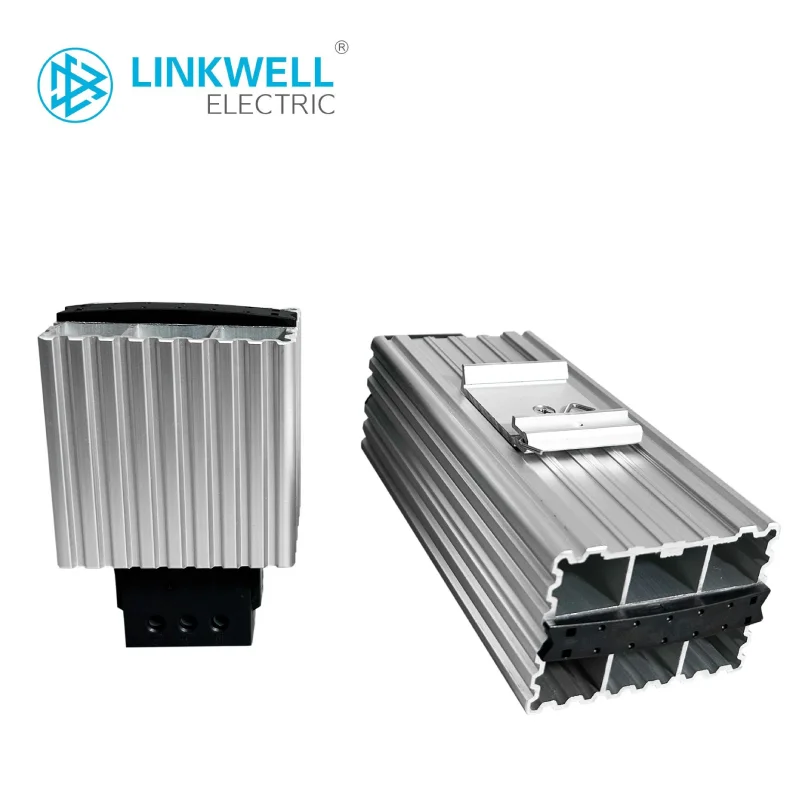
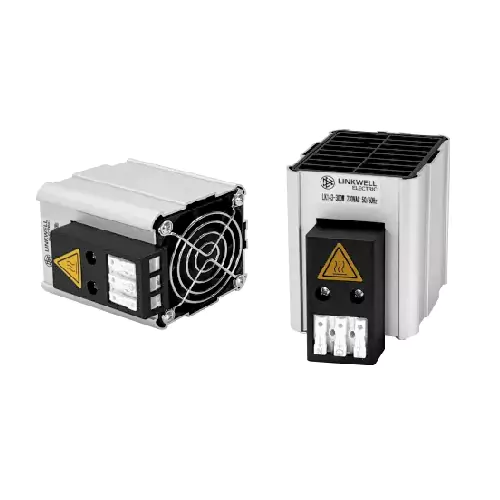
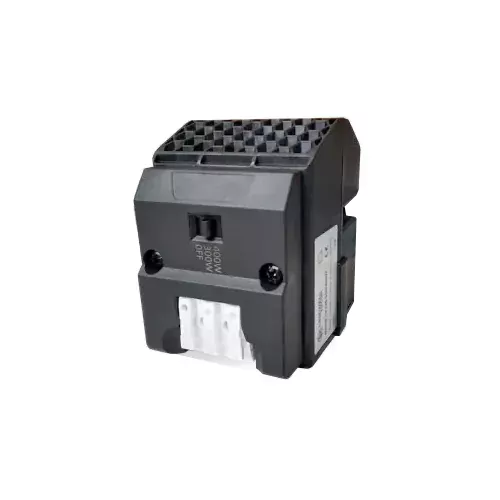
There are many types of cabinet fan heaters for different needs. People want to know about these types and how they are different. The main types are:
- Fan-Forced Cabinet Heaters: These use a fan to move heat fast. They are good for big cabinets or when you need quick heat.
- Convection Cabinet Heaters: These use natural air movement. They are quiet and use less energy. They are best for small or quiet places.
- PTC fan heater: This uses special heating elements that change with temperature. It adjusts its heat by itself. This saves energy and keeps the cabinet safe.
- Infrared and Silicone Rubber Heaters: These are for special jobs. They give direct heat or can fit in odd-shaped cabinets.
The main differences are how they make and spread heat, how much energy they use, how loud they are, and where they work best.
- Fan-Forced Cabinet Heaters: Fast heat, good for big spaces.
- Convection Heaters: Quiet, best for small or sensitive areas.
- PTC fan heater: Self-regulating, safe, and low maintenance.
- Infrared/Silicone Rubber: Direct or flexible heating for special needs.
| Heater Type | Main Feature | Best Use Case |
|---|---|---|
| Fan-Forced Cabinet Heater | Rapid heat generation | Large cabinets, quick warmup |
| Convection Cabinet Heater | Quiet, low energy | Small or quiet spaces |
| PTC fan heater | Self-regulating, efficient | Precise control, safety |
| Infrared/Silicone Rubber | Direct/flexible heating | Special shapes, direct heat |
Cabinet fan heaters come in different power levels. Some small ones use only 10 watts. Bigger ones can use up to 1300 watts. The right one depends on the cabinet size and how much heat you need.

The materials used in cabinet fan heaters help them last a long time. Many use aluminum or stainless steel for the outside and the heating parts. These materials do not rust and help spread heat well.
| Component | Material | Purpose/Property |
|---|---|---|
| Housing | Aluminum or Stainless Steel | Corrosion resistance, durability |
| Heating elements | Stainless Steel or Aluminum | Heat resistance, long life |
| Fan | Polycarbonate or Alloy | Strength, UV resistance |
Primary Purpose
The main job of a cabinet fan heater is to keep the inside of an electrical cabinet safe. If the air gets too cold, water can form on the electronics. This water can cause rust, short circuits, or even make things stop working. The cabinet fan heater keeps the temperature above the dew point to stop this.
The PTC fan heater is very good at this. Its heating elements change how much heat they make as the temperature changes. When it is cold, it makes more heat. When it is warmer, it makes less. This keeps the cabinet safe and does not waste energy.
Cabinet fan heaters also help by:
- Spreading heat so there are no cold spots.
- Moving warm air to push out moist air.
- Working with thermostats to keep the temperature steady.
- Stopping water from forming and protecting electronics.
Most factories, data centers, and telecom sites use cabinet fan heaters to protect their equipment. These heaters keep control panels, signal racks, and power cabinets working in all weather. The Linkwell Enclosure Heater is a trusted choice for these jobs. It uses strong heating elements, a good thermostat, and a tough aluminum case for reliable heating.
Tip: Using a cabinet fan heater can help your electronics last longer and lower repair costs.
When people ask, “what is a cabinet fan heater,” they learn it is a key tool for keeping electrical cabinets safe, dry, and working well. The PTC fan heater, with its smart heating elements and energy-saving design, is a top choice for many industries.
Temperature Control and Benefits
Stable Temperature Management
Keeping the right temperature inside electrical cabinets is very important. Cabinet fan heaters use special heating parts to keep it warm but not too hot. They make sure it stays above freezing and below 95°F (35°C). This stops water drops from forming, which can hurt the electronics. Water can cause rust, short circuits, or make things break. The heater turns on when it gets cold. It gives steady heat and keeps everything safe.
There are many good things about keeping the temperature steady:
- It stops things from getting too hot, which can break circuit boards and chips.
- It spreads heat everywhere so there are no cold spots.
- It keeps out dust and wet air, which can make things break faster.
- It helps save money and time by stopping problems before they happen.
PTC heating parts work well and save energy. They change how much heat they make as it gets warmer or colder. This keeps the heat even and stops big changes that can hurt things. The fan moves warm air around and gets rid of hot spots. It brings in cooler air when needed. This helps electronics last longer and uses less energy.
Tip: Good airflow and even heat help stop data loss and sudden shutdowns in telecom and automation systems.
Safety and Efficiency
Cabinet fan heaters make things safer by using heating parts that pass tough safety tests like UL and CE. These tests make sure the heaters follow all the rules for electric safety. Many heaters turn off by themselves if they get too hot or if something goes wrong. This keeps both the equipment and people safe.
These heaters are also good at saving energy. PTC heating parts control themselves and use more power only when needed. They use less power as things get warmer. This stops overheating and saves energy. Thermostats and auto shut-off features make sure the heater only works when needed. The small size and built-in fan help spread heat even in small spaces.
Cabinet fan heaters do more than just sit and warm up. They move heat around, so there are no cold spots or water drops. This helps equipment last longer, work better, and stay safe. Using strong materials that do not rust and following world safety rules means these heaters last a long time and need less fixing.
| Benefit | Description |
|---|---|
| Even Heat Distribution | Stops cold spots and water drops |
| Thermal Efficiency | Saves energy and lowers costs |
| Safety Certifications | Makes sure it is safe in factories |
| Automatic Power-Off | Stops overheating and protects equipment |
Applications of Cabinet Fan Heater

Industrial Use Cases
Enclosure heaters are used in many industries. They keep electrical cabinets safe from cold and wet air. Factories, telecom sites, and power stations use these heaters a lot.
Some places where enclosure heaters work are:
- Outdoor control panels for traffic and toll booths
- Automation cabinets in factories
- Power boxes in substations
- Data centers and telecom racks
- Sewage plants and electric car charging stations
These places can get very cold or humid. Sometimes, the temperature changes quickly. The ptc fan heater keeps cabinets warm and dry. It stops water drops that can cause rust or short circuits. The heating element in a ptc fan heater changes how much heat it makes. It does not get too hot. This keeps sensitive electronics safe.
Note: Enclosure heaters also help in mobile hotspots and dusty or smelly places. They keep the temperature above freezing. This stops frost and water from building up.
Big cabinets may use heaters with fans to spread heat. Small cabinets might use radiant heaters for gentle warmth. The main goal is to keep electronics working well, even when the weather is bad.
Installation Options
There are different ways to put in an enclosure heater. The best way depends on cabinet size, where it is, and the environment.
- DIN rail mounting is quick and easy inside the cabinet.
- Screw or panel mounting holds the heater tight, good for big heaters.
- Aluminum plate mounting uses holes for simple setup.
- Many heaters have insulated wires for safe wiring.
Where you put the heater matters. Most heaters go near the bottom of the cabinet. This helps warm air move up. For big cabinets, a ptc fan heater with a fan spreads heat everywhere. Good airflow stops cold spots and keeps the cabinet safe.
If you need a heater for tough or wet places, pick one with a high IP rating like IP65. This means it keeps out dust and water. Sealed heaters and special coatings help them last longer. Always check for safety marks like UL or CE to make sure the heater is safe.
| Mounting Style | Best Use Case | Features |
|---|---|---|
| DIN Rail | Small/medium cabinets | Quick install, flexible |
| Screw/Panel | Large or fixed installations | Secure, stable |
| Aluminum Plate | Custom setups | Easy attachment, strong hold |
Cabinet fan heaters help keep electrical cabinets warm and dry. They have heating parts and fans that move heat around. This stops water drops and moisture from forming inside. Thermostats inside control the temperature to protect electronics. This helps stop rust and short circuits. These heaters use less energy and help equipment last longer. They also help prevent breakdowns. Many places use them, like factories, electric car charging stations, and oil and gas sites. Good temperature control helps electronics work well, even in tough places.
FAQ
What is the main difference between a cabinet fan heater and a hot water fan convector?
A cabinet fan heater keeps electrical cabinets warm for electronics. A hot water fan convector uses water to heat whole rooms. They are made for different jobs and places.
Can a cabinet fan heater prevent condensation inside electrical enclosures?
Yes. A cabinet fan heater keeps the air warm enough. This stops water from forming on electronics. It helps stop rust and short circuits.
Where should a cabinet fan heater be installed inside a cabinet?
Put the cabinet fan heater close to the bottom. Warm air goes up and spreads heat everywhere. This helps protect all the electronic parts.
Are cabinet fan heaters safe for use in wet or dusty environments?
Many cabinet fan heaters have high IP ratings like IP65. These types block dust and water. They work well in tough or wet places.
How does a thermostat help with cabinet fan heater operation?
A thermostat turns the heater on or off when needed. This keeps the cabinet at a safe temperature. It saves energy and stops electronics from getting too hot.
Conclusion
A cabinet fan heater is essential for keeping electrical enclosures dry, safe, and functional in challenging environments. By circulating warm air, it prevents condensation, rust, and electrical failures. Industries like telecom, automation, and power rely on these devices to extend equipment lifespan and reduce costly downtime.
Choosing a certified, energy-efficient cabinet fan heater with proper thermostat control ensures stable operation, enhanced safety, and long-term reliability for sensitive electronic components.