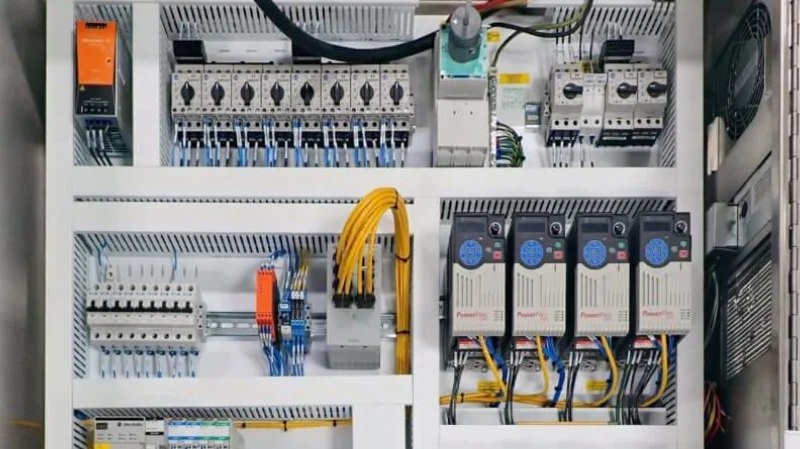
If you want the best results from your air cooled cooling system, you need a fan that matches your exact needs. Industry experts say the top features include:
- High airflow capacity for effective cooling.
- Efficiency in energy use.
- Customizable air movement for user satisfaction.
Linkwell stands out with decades of experience in electrical enclosure ventilation. You can trust their solutions to keep your equipment safe, efficient, and cool.
Key Takeaways
- Choose a fan with high airflow and static pressure to ensure effective cooling in your air cooled system.
- Proper fan placement is crucial. Set fans to pull in cool air from one side and push hot air out the other for optimal airflow.
- Regularly check and clean your fans and filters to maintain performance and extend the life of your cooling system.
- Select energy-efficient fans to reduce power consumption and lower your energy bills while keeping your equipment safe.
- Consider noise levels when choosing a fan. Quieter fans improve your workspace environment.
Air Cooled Cooling System Basics
How Air Cooling Works
You might wonder how an air cooled cooling system keeps your equipment safe. The process is actually pretty simple. The air cooling system pulls in cooler air from the environment and pushes it over hot components inside your enclosure. This moving air picks up heat and carries it away. Most air cooled cooling system designs use heatsinks made from metals like aluminum or copper. These heatsinks help spread out the heat, making it easier for the air to grab and remove it. When you use air cooling, you rely on the constant movement of air to keep temperatures down and prevent overheating.
Role of Fans in Heat Dissipation
Fans are the heart of any air cooled cooling system. They do more than just spin—they make sure hot air gets out and cool air comes in. Here’s what happens in an air cooling setup:
- The air cooling system directs air over hot parts to pull heat away.
- Fans push heated air out of the enclosure, letting cooler air flow in.
- Heatsinks give more surface area for heat to escape, and fans help move that heat out fast.
If you skip the fan, your air cooled cooling system can’t do its job. The fans keep everything running smoothly by making sure heat never builds up around sensitive parts.
Fan Placement and Airflow
You can’t just put a fan anywhere and expect your air cooled cooling system to work well. The way you place fans and arrange components matters a lot. Good airflow means you channel air so it moves efficiently through the enclosure. You want to avoid dead spots where hot air gets trapped. Try to set up your air cooling so that fans pull in cool air from one side and push hot air out the other. This setup keeps the temperature steady and protects your equipment. When you plan your air cooled cooling system, always think about airflow dynamics. Smart placement and layout make your air cooling system much more effective.
Tip: Check your fan placement every few months. Small changes can boost your air cooling performance and extend the life of your equipment.
Choosing the Right Fan for Air Cooled Cooling Systems
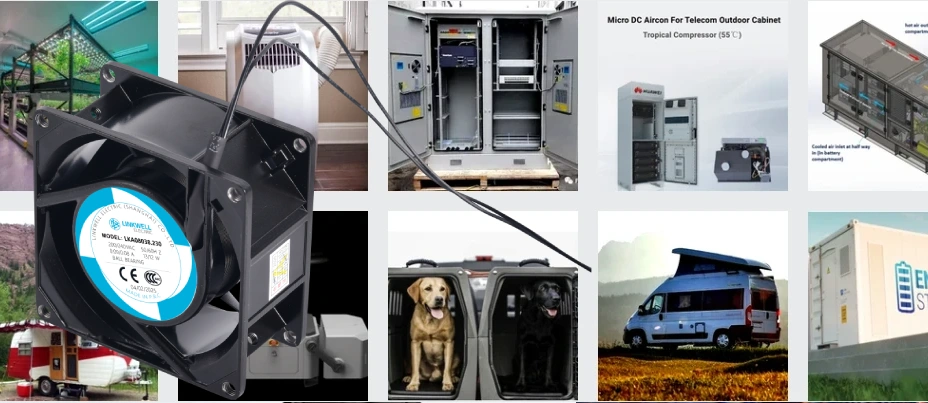
Airflow and Static Pressure
When you pick a fan for air cooling, you need to think about airflow and static pressure. These two factors decide how well your fan can move air and handle obstacles inside your enclosure. Airflow, measured in CFM (Cubic Feet per Minute), tells you how much air the fan can push. Static pressure, measured in mmH2O, shows how strong the fan is at pushing air through tight spaces, like filters or heatsinks.
Here’s a simple table to help you understand the difference:
| Metric | Analogy | Measures… | Best Suited For… |
|---|---|---|---|
| Airflow (CFM) | Water Volume from a Hose | Volume of air | Open environments, case ventilation, low-resistance |
| Static Pressure (mmH2O) | Water Jet Pressure | Force of air | Dense environments, heatsinks, high-resistance |
If you use air-cooled chillers in a large cabinet with lots of open space, you want a fan with high airflow. If your setup has filters or tight spots, you need higher static pressure. The best air cooling setups balance both. This way, you get strong cooling performance, even in tough industrial environments.
Linkwell’s cabinet exhaust fans, like the FU Series and LK32 Series, offer models with both high airflow and strong static pressure. You can trust these fans to keep your air-cooled chillers running smoothly, even when your enclosure gets crowded.
Tip: Always check the airflow and static pressure ratings before you buy a fan. This helps you avoid overheating and keeps your equipment safe.
Fan Size and Compatibility
Fan size matters a lot in air cooling. You need to match the fan to your enclosure and the heat load inside. Here’s how you can decide:
- Large enclosures often need centrifugal drum fans. These fans push air against higher static pressure, which is great for air-cooled chillers in big cabinets.
- Smaller enclosures work better with axial fans or compact cooling fans. These fans fit tight spaces and still move plenty of air.
- Always consider the size of your cabinet and how much heat your equipment makes.
Larger fans, like HVLS ceiling fans, move more air and boost cooling efficiency. They also give you more options for where to install them. Axial fans work well for high air movement with low resistance, while centrifugal fans are perfect for ducted air cooling systems.
Linkwell offers cabinet exhaust fans in sizes from 40mm to 254mm. You can find the right fit for any enclosure, whether you need a small fan for a control box or a big one for a power cabinet. Their FK55 Series is great for compact spaces, while the FU Series handles larger jobs.
Note: Always measure your enclosure before you choose a fan. This ensures the fan fits and works as expected.
Noise and Efficiency
Noise can be a big deal, especially if you work near your air-cooled chillers. Fans make different amounts of noise, measured in decibels (dBA). Here’s a quick look at average noise levels:
| Type of Unit | Noise Level (dBA) |
|---|---|
| Domestic Brand FFUs | 42-57 |
| DC FFUs | 1-3 dBA quieter |
| Standard Industrial FFUs | 55-65 |
| Premium Performance Units | Below 50-60 |
If you want a quieter workspace, look for DC fans or premium models. Linkwell’s LK3245 Low Noise Fan and Filter is a smart choice for air cooling in noise-sensitive areas.
Efficiency is just as important as noise. Smart fans with sensors and IoT features can adjust their speed to save energy. Brushless DC motors last longer and use less power. Advanced materials make fans lighter and more efficient. Large industrial fans can cut energy costs by up to 30%. Variable speed drives and smart sensors help you use only the energy you need.
Linkwell’s electrical enclosure ventilation systems use these advanced features. You get reliable air cooling, lower energy bills, and less downtime.
Reliability and Power Options
You want your air-cooled chillers to run without problems. That means you need reliable fans. Here are some ways to measure fan reliability:
| Metric | Description |
|---|---|
| MTBF | Mean Time Between Failures, shows how long a fan runs before needing repair. |
| MTTF | Mean Time To Failure, used for non-repairable fans. |
| L2 Life | Age when 98% of fans are still working. |
| L10 Life | Age when 90% of fans are still working. |
| Weibull Distribution | A model for predicting fan life and wear-out. |
Power options also matter. You can choose from AC, DC, or EC fans. AC fans are popular in industrial air cooling because they are stable and last a long time. They work well in control cabinets and heavy-duty air-cooled chillers. DC and EC fans offer energy savings and smart features.
Linkwell gives you choices. Their cabinet exhaust fans come in 5V, 12V, 24V, and 48V DC options. You can pick the right power for your system. These fans work in tough conditions, from −20°C to 120°C, and have IP65 or IP68 protection. That means they keep running, even in dusty or wet places.
Callout: Reliable fans protect your equipment and reduce maintenance. Choose fans with high MTBF and the right power for your air cooling needs.
If you want to keep your air-cooled chillers and other cooling systems safe, efficient, and quiet, Linkwell’s electrical enclosure ventilation solutions are a smart investment. You get advanced features, flexible options, and support from a trusted global brand.
Linkwell Electrical Enclosure Ventilation Solutions
Cabinet Exhaust Fans Overview
When you look for the right air cooling solution, you want fans that work hard and last long. Linkwell’s cabinet exhaust fans give you just that. These fans fit a wide range of cabinet sizes, from small control boxes to large power cabinets. You can choose from models with different airflow capacities, so you always get the right match for your air cooling needs. Some fans move 100 m³/h, while advanced models push up to 130 m³/h. You also get options with IP54 protection, which means the fans resist dust and water. The plastic housing and aluminum blades handle tough cleaning and resist corrosion. Each fan comes with a removable filter to keep dust out and improve air quality. With CE approval, you know these fans meet strict safety standards.
| Feature | Specification | Application Scenario |
|---|---|---|
| IP54 Protection | Dust/water-resistant | Great for damp or dusty air cooling setups |
| Voltage | 230V AC | Works with standard electrical systems |
| Material | Plastic + aluminum blades | Handles frequent cleaning, resists corrosion |
| Filter Included | Removable dust filter | Keeps air clean inside enclosures |
| Certification | CE-approved | Meets EU safety standards |
Product Features and Benefits
You want your air cooling system to protect your equipment and run smoothly. Linkwell’s ventilation products do just that. These fans keep control cabinets safe from heat and moisture. You can pick from fan kits, air vents, or heat exchangers, depending on your air cooling setup. Every product comes with CE, UL, and RoHS certifications, so you know you’re getting safe and reliable gear. Linkwell offers fast delivery and full support, so you never have to wait long for your air cooling solution. You can even customize your fans to fit special needs. The fans work with thermostats and hygrostats, giving you smart air cooling that adjusts to the environment.
Using Linkwell fans in your air cooling system helps extend equipment life and keeps dust and moisture out.
Here are some key benefits:
- Prevents overheating and protects sensitive parts.
- Reduces dust and moisture for better air cooling performance.
- Supports smart cooling with thermostats and sensors.
- Offers competitive pricing for industrial air cooling projects.
- Trusted in over 60 countries for reliability.
Applications in Industry
You see Linkwell cabinet exhaust fans in many industries that rely on strong air cooling. Manufacturing plants use them in electrical cabinets and control panels. Food and beverage companies trust them for industrial automation systems and battery storage enclosures. Energy storage spaces also depend on these fans for safe air cooling. The fans fit many scenarios, from small automation boxes to large energy storage rooms.
| Industry | Application Scenarios |
|---|---|
| Manufacturing | Electrical cabinets, control panels |
| Food & Beverage | Automation systems, battery storage |
| Energy Storage | Energy storage spaces needing air cooling |
- Electrical cabinets
- Control panels
- Industrial automation systems
- Battery storage enclosures
- Energy storage spaces
No matter your industry, you can count on Linkwell for reliable air cooling. Their fans help you keep your equipment safe, your air clean, and your systems running at their best.
Installation and Maintenance Tips
Best Practices for Setup
You want your air cooling system to work at its best from day one. Start by choosing the right cooling technology for your cabinet’s thermal load and the environment. Before you install anything, take a close look at the space. Check for dust, moisture, or other challenges that could affect your setup. Good cable management is key. Tidy cables let air move freely and prevent blockages. Place your fans where they can move air efficiently across all hot spots. If you use more than one fan, make sure they work together to create a smooth airflow path. Always secure your fans tightly to avoid vibration and noise. Think about the environment—clean rooms need different solutions than dusty workshops.
Tip: A little planning before installation can save you a lot of trouble later. Smart setup means better air cooling and longer equipment life.
Cleaning and Longevity
Keeping your air cooling system clean helps it last longer and run better. In harsh environments, check your filters once or twice a month. If your area stays clean, a monthly check and changing filters twice a year usually works. Dust and dirt can build up fast, so regular cleaning is a must. Wipe down fan blades and grills to keep airflow strong. Make sure nothing blocks the vents. When you keep your system clean, you boost energy efficiency and cut down on repairs. Fans from trusted brands like Linkwell last longer when you follow these steps. Always use your fans within their rated conditions for the best results.
Note: Clean fans mean better air cooling and lower energy bills. Don’t let dust slow you down!
Monitoring Performance
You can’t fix what you don’t watch. Monitoring your air cooling system helps you spot problems early. Many modern fans come with alarms for smoke, leaks, or frost. These alarms protect your equipment and keep your workspace safe. Air quality monitors and filter sensors help you track how well your system works. Some setups let you check fan performance in real time. You can compare actual airflow to what the manufacturer promises. If you see a drop in performance, it might be time for cleaning or maintenance. Data-driven tools can even predict when your fan needs attention, helping you plan ahead and avoid downtime. Keeping an eye on your system supports energy efficiency and keeps your air cooling running smoothly.
Callout: Regular monitoring means fewer surprises and more reliable air cooling for your business.
Conclusion
You’ve learned a lot about picking the right fan for your air cooled cooling system. Now, let’s wrap it up with the most important things you need to remember when choosing a fan for your chiller:
- Check the environmental conditions around your chiller. Look at temperature, humidity, and dust.
- Figure out the airflow and static pressure your chiller needs. This helps you avoid hot spots.
- Study the performance curves for each fan. You want to know how your chiller will perform in real life.
- Listen for noise. A quiet chiller makes your workspace better.
- Choose energy-efficient fans. This keeps your chiller running without wasting power.
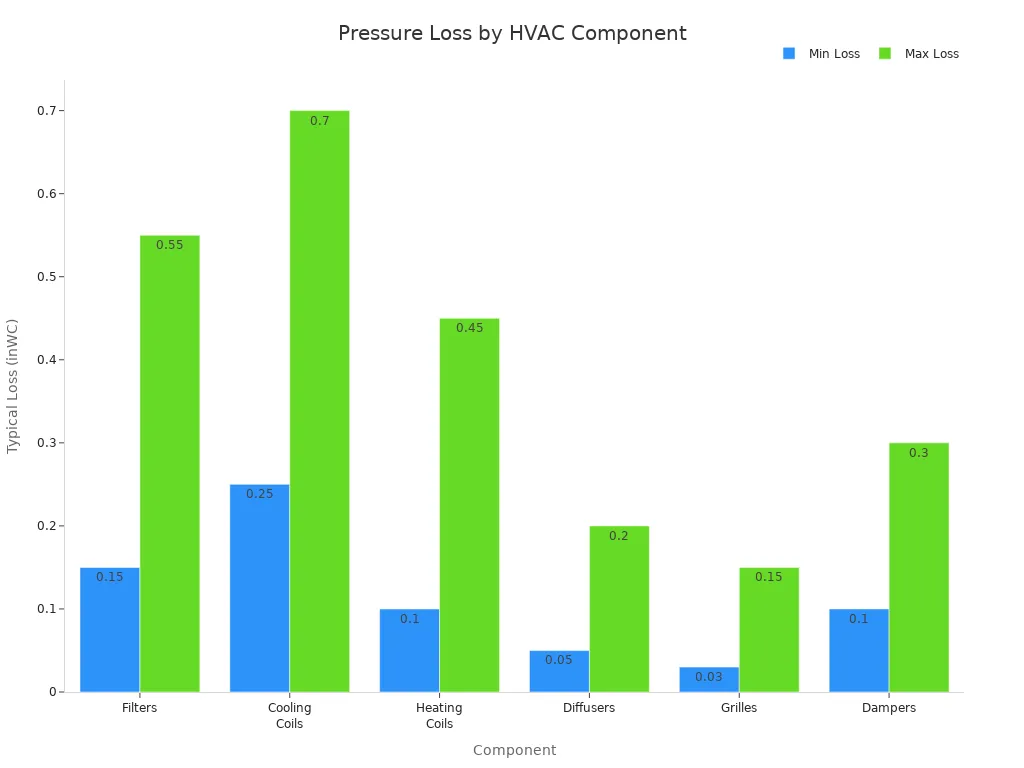
Here’s a quick look at how different parts of your chiller system can affect pressure loss:
| Component | Typical Range (inWC) | Factors Affecting Loss |
|---|---|---|
| Filters | 0.15-0.55 | MERV rating, dust loading |
| Cooling Coils | 0.25-0.70 | Rows, fins per inch, velocity |
| Heating Coils | 0.10-0.45 | Configuration, velocity |
| Diffusers | 0.05-0.20 | Type, throw distance, volume |
| Grilles | 0.03-0.15 | Free area ratio, velocity |
| Dampers | 0.10-0.30 | Position, blade configuration |
When you use Linkwell solutions for your chiller, you get smart fan modules with IoT sensors. These help you predict maintenance and avoid downtime. You also get reliable fans made from strong materials. Thermostats and hygrostats keep your chiller at the right temperature and humidity. If you ever have trouble, Linkwell’s support team can help you troubleshoot. You can use their selection tools to compare airflow, power, and maintenance needs for your chiller. Their experts give you advice to make sure your chiller works perfectly.
Tip: The right fan keeps your chiller cool, quiet, and efficient. Don’t forget to check all the details before you buy.
If you want your chiller to last longer and work better, trust Linkwell for your electrical enclosure ventilation. You’ll get reliable performance, smart features, and support every step of the way.
You want your cooling system to run efficiently and last longer. Choosing the right fan makes a big difference. Linkwell’s electrical enclosure ventilation solutions help you save energy, reduce costs, and keep your equipment safe. Here’s what you gain:
| Benefit | Description |
|---|---|
| Energy Efficiency | Lower power bills and less waste |
| Enhanced Reliability | Durable fans for peace of mind |
| Noise Reduction | Quieter workspace, better productivity |
- A Shenzhen factory saw zero thermal shutdowns after three summers with Linkwell fans.
- Data center managers trust Linkwell for stable temperatures year-round.
Prioritize your cooling needs and pick Linkwell for reliable performance and strong support.
FAQ
How do I know which fan size fits my enclosure?
You should measure your enclosure’s dimensions and check the heat output of your equipment. Match these numbers to the fan’s airflow rating. If you’re unsure, ask Linkwell’s support team for help.
Can I install a Linkwell fan myself?
Yes, you can. Most Linkwell fans come with easy-to-follow instructions. You only need basic tools. If you run into trouble, reach out to Linkwell’s support for guidance.
How often should I clean or replace the fan filter?
Check your filter every month. Clean or replace it if you see dust buildup. In dusty areas, you might need to do this more often. Clean filters keep your system running smoothly.
What does IP65 or IP68 protection mean for fans?
These ratings show how well the fan resists dust and water. IP65 means the fan is dust-tight and can handle water jets. IP68 means it can handle dust and even immersion in water.
Do Linkwell fans work in extreme temperatures?
Absolutely! Linkwell fans operate safely from −20°C to 120°C. You can use them in hot factories or cold storage rooms without worry.