Data Rack Fan Manufacturers
Thermal shutdowns in server racks cause data loss, expensive downtime, and angry clients. Ordinary fans fail exactly when you need them most.
How Data Rack Fans Improve Cooling in Electrical Cabinets
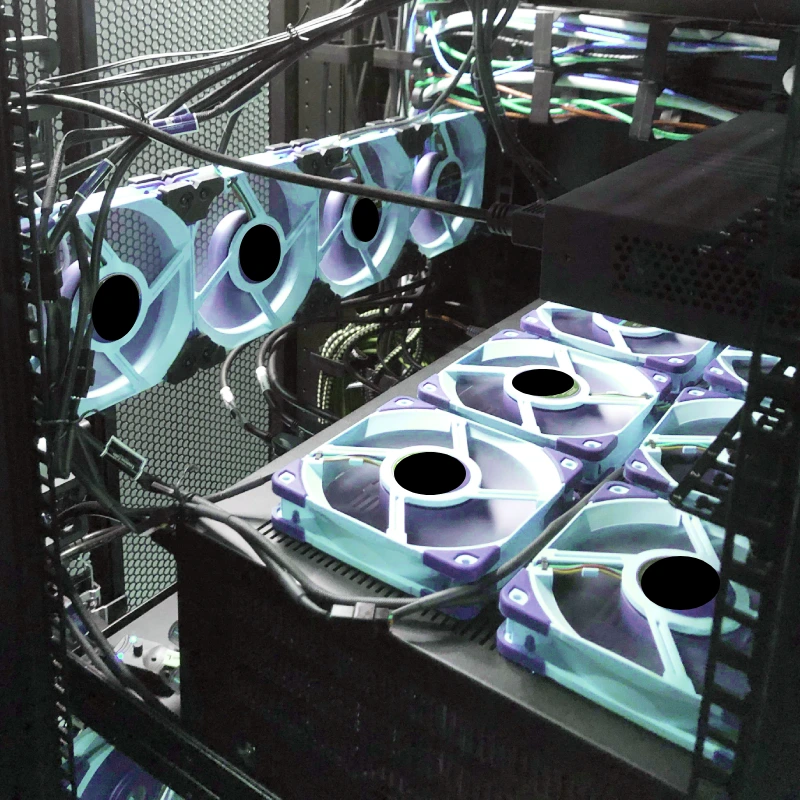
A data rack fan does not generate cold air. Instead, it improves heat dissipation by creating forced airflow inside the enclosure. In high-density server racks and electrical cabinets, heat is generated continuously by power supplies, processors, and control components.
By installing a properly selected data rack fan, hot air is expelled while cooler ambient air is drawn in. This process increases convective heat transfer and prevents localized hot spots that can damage sensitive equipment.
- Key Functions of a Data Rack Fan
- Maintain stable internal temperature
- Prevent thermal shutdown of servers and PLC systems
- Improve airflow across densely packed components
- Extend equipment lifespan
- When Do You Need a High-Performance Rack Fan?
- High-density server racks (above 5kW load)
- Cabinets with restricted airflow or cable congestion
- Dusty or humid industrial environments
- 24/7 continuous operation systems
Why Generic Fans Fall Short — and How Linkwell Dominates
Standard axial fans can’t handle dense cable pressure, dust, or 24/7 duty cycles. Compare the real difference.
- Ordinary AC Fan
- Low static pressure – air can't reach rear servers
- No dust filter – PCB contamination in 6 months
- Sleeve bearing – fails at 40°C ambient
- Always ON (no thermostat) – energy waste
- Linkwell Data Rack Fan
- High static pressure – penetrates deep into 42U racks
- Washable dust filter + IP54 option for harsh spots
- Dual ball bearing, 70,000 h MTBF @ 50°C
- Smart thermostat/hygrostat ready – auto on/off, anti-condensation
- UL/CE certified – compliance without rework
Not Just a Fan — We Sell Control of the Whole Rack Micro‑climate
Integrate with Linkwell thermostats, heaters, and filters for a worry‑free environment.
- Rack A: Standard IT
1U/2U Data Rack Fan
Electronic Thermostat
Auto‑start at 32°C, cuts energy bill by 40%. Airflow 210 m³/h per fan, keeps CPU temps stable.
- Rack B: Humid/coastal
Data Rack Fan + IP54
Cabinet Heater 50W
Heater activates when RH >85% to stop condensation; fan circulates dry air — zero corrosion issues.
Classification by Airflow Design (core industrial logic)
- Axial Fans
Air flow parallel to fan axis
- High airflow volume
- Low to medium static pressure
Best for: open/ventilated racks, general circulation.
- Limitation: not suitable for high‑resistance environments
- Centrifugal Fans (blowers)
Air flow perpendicular to intake – 90° turn
- High static pressure
- Strong directional airflow
Best for: dense server racks, filtered cabinets, restricted paths.
- Ideal for industrial cabinets with cable congestion
Classification by Airflow Design (core industrial logic)
Top‑mounted
Installed on top of rack, pulls hot air upward (natural rise).
Tray‑mounted (1U/2U)
Inside rack units, localized cooling for high‑density equipment.
Side‑mounted
On cabinet side panels, improve cross ventilation.
Door‑mounted
Integrated into doors, often combined with filters.
Classification by power type
- AC fans
110V / 220V direct
- Simple installation
- High reliability
industrial cabinets / power distribution
- DC fans
12V / 24V / 48V
- Energy efficient
- Speed controllable
telecom / servers
- EC fans
Electronically commutated (AC input + DC motor)
- High efficiency
- Smart control
advanced data centers / smart cooling
In-Depth Technical Specifications
We go deep into every Data Rack Fan design with detailed technical documentation. Our specification sheets clearly present key parameters such as operating voltage, airflow capacity (CFM), rotational speed, static pressure, noise level, and construction materials. This transparency allows you to accurately compare performance, confirm compatibility, and confidently select the most efficient Data Rack Fan solution for your cabinet cooling system.
-

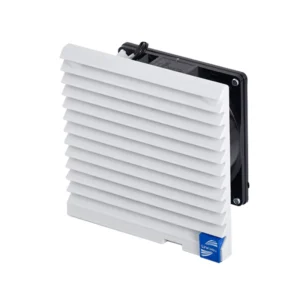
LK6621 Rittal cabinet cooling fan and filter
-
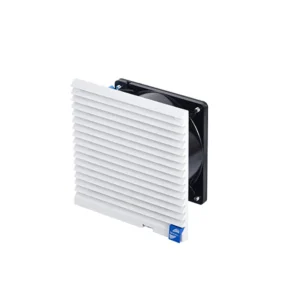
LINKWELL’s Hepa Filter LK6622 Series Fan and Filter
-
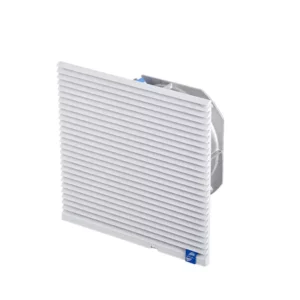
CE ROHS Certified LK6626 Series Fan And Filter
-
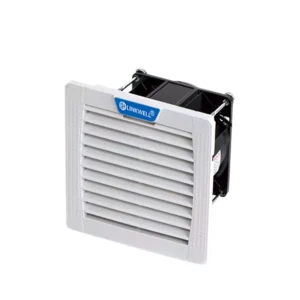
FF109 IP54/55 Electric Cabinet Ventilation Cooling Fan with Filter
-
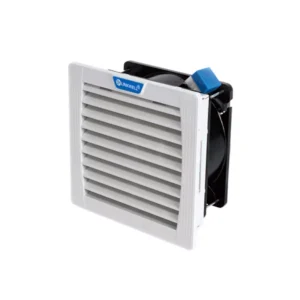
FF145-High Temperature Resistant Fans And Filters
-
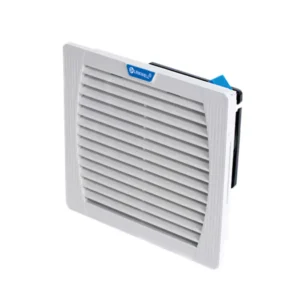
FF202 Cooling fan and filter
-
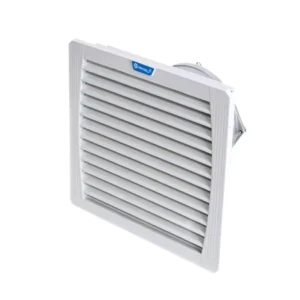
FF252 M Body ventilation filter system
-
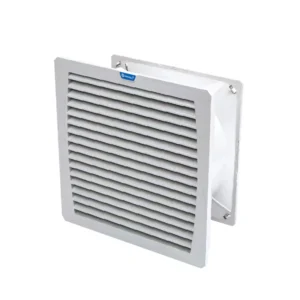
FF320 Electric box fan and filter
-
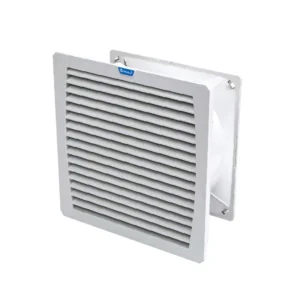
FF320-D Export genuine fans and filters
-

FF5000-Factory Outlet Ventilation Cabinet Filter Fan
-

FF130 Industrial cabinet fan and filter
-
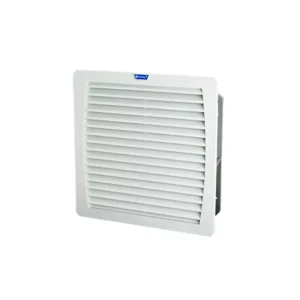
FF7000 Series Fan and Filter
Why Choose Linkwell?
Since 2011, we have continuously optimized our production processes to deliver high-performance Data Rack Fan solutions.
Every unit—along with supporting components such as heaters and electrical accessories—is engineered to operate reliably under demanding industrial conditions, ensuring long-term stability in critical applications.
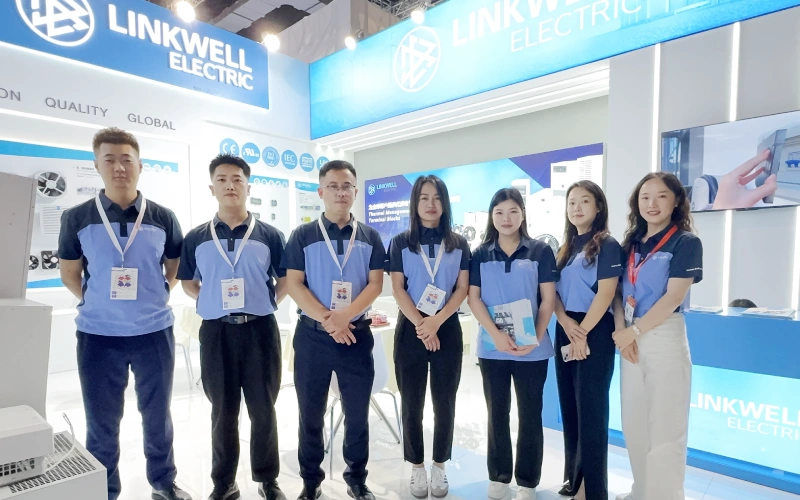
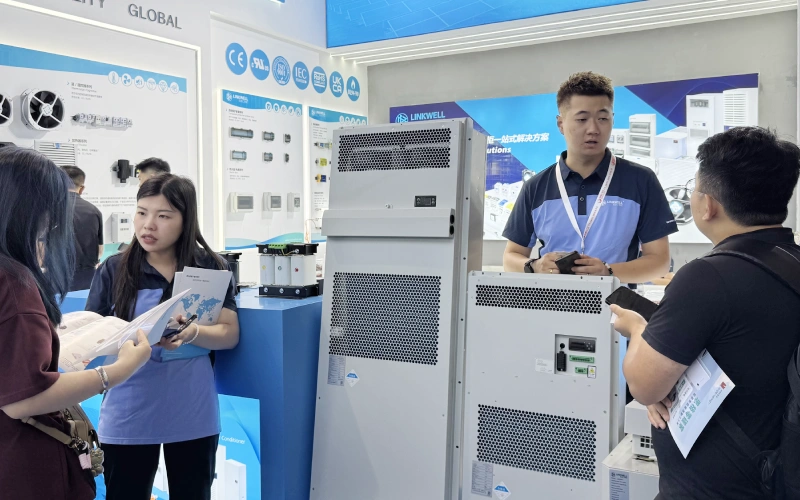
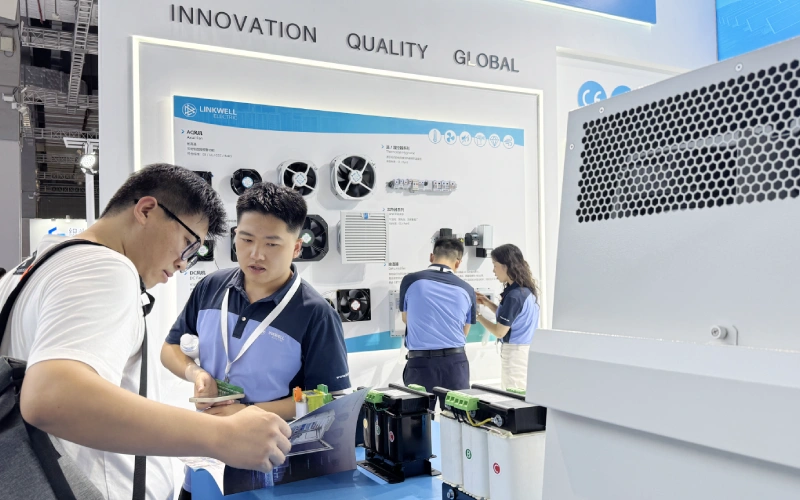
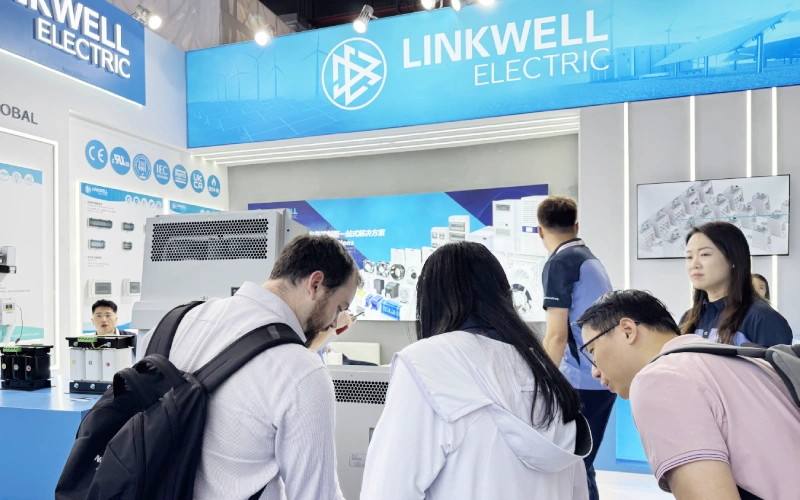
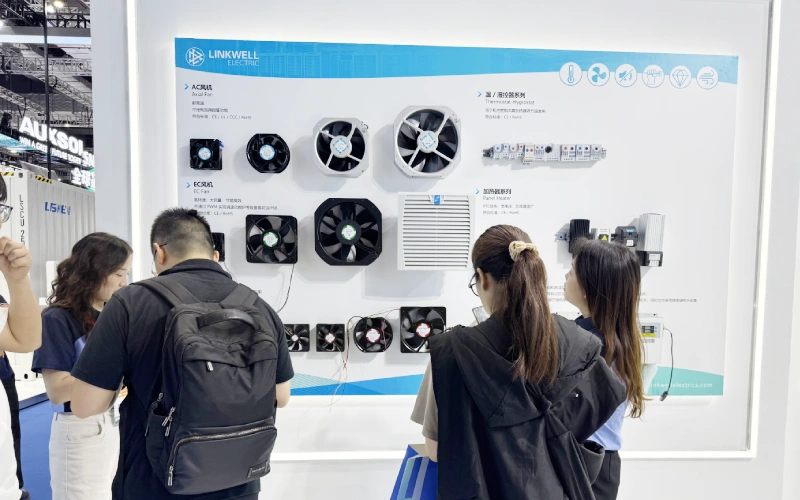
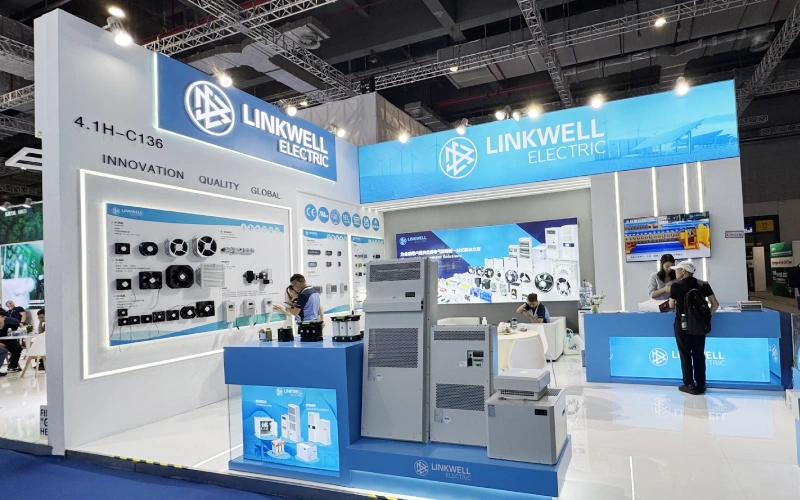
Axial Fan International Exhibition


Certifications & Clients
Our brushless motor Data Rack Fan products comply with CE, RoHS, and ISO9001 standards. Each fan undergoes rigorous testing for airflow performance, durability, and operational safety, ensuring consistent quality and full compliance with global industrial requirements.


Our Data Rack Fan solutions are trusted by distributors, engineering companies, telecom operators, and electrical cabinet manufacturers worldwide. From Asia to North America, our products are widely used in data centers, power distribution systems, and industrial cooling applications where reliability is essential.
FAQs
What does a data rack fan do?
A data rack fan improves airflow inside server racks, removing hot air and preventing overheating of critical equipment such as servers, switches, and power supplies.
How do I choose the right rack fan?
You should consider airflow (CFM), static pressure, rack size, heat load, and environmental conditions such as dust and humidity.
What is the difference between a fan and a blower?
Fans provide high airflow with low pressure, while blowers deliver higher pressure for restricted airflow environments like dense racks or filtered cabinets.
Do I need a heater in my cabinet?
In humid or outdoor environments, heaters prevent condensation, protecting electrical components from moisture damage.
Can one fan solve all cooling problems?
No. Effective cooling requires a combination of airflow design, temperature control, and proper component integration.
Contact & Inquiry
Contact us today for detailed product information, quotes, or expert technical support. Simply complete the form with your name, email, company, country, and inquiry, and our team will get back to you quickly. You can also connect with us directly via WhatsApp, email, or phone for fast and reliable assistance.