A din rail fan keeps your electrical enclosure cool and safe. You get reliable airflow that protects sensitive equipment from overheating, dust, and moisture. Linkwell stands out as a trusted manufacturer, delivering high-quality solutions you can count on. When you use a Linkwell fan, you help extend the life of your devices and boost performance.
- Enjoy easy installation and low maintenance
- Experience better equipment reliability
- Save time with fast support and delivery
Key Takeaways
- DIN rail fans provide effective cooling, preventing overheating and extending the lifespan of your equipment.
- Linkwell fans are easy to install and maintain, saving you time and effort during setup.
- Regular filter changes are crucial for optimal performance; Linkwell makes this process simple.
- Using DIN rail fans helps organize your electrical enclosure, improving airflow and reducing clutter.
- Linkwell offers reliable support and high-quality products, ensuring your systems run smoothly.
DIN Rail Fan Overview
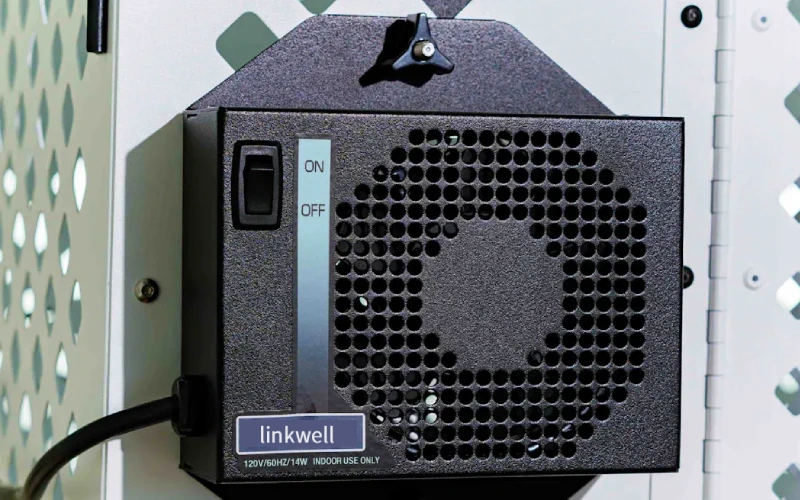
What Is a DIN Rail Fan
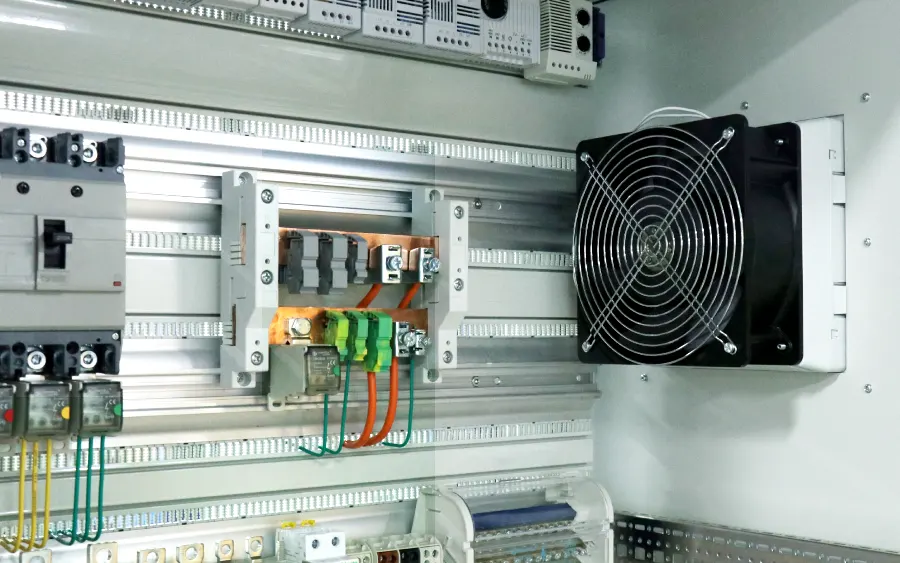
You might wonder what makes a din rail fan different from other cooling options. A din rail fan is a compact ventilation device designed to mount directly onto a din rail inside your electrical enclosure. This setup lets you organize your components neatly and keep everything cool without taking up extra space. You simply snap the fan onto the din rail, and it lines up perfectly with your other devices. This method saves you time and effort during installation.
A din rail fan works by pulling cooler air into the enclosure and pushing warm air out. This constant airflow helps prevent your sensitive electronics from overheating. You also get the added benefit of dust and moisture protection, which keeps your equipment running longer and reduces maintenance headaches.
If you compare a din rail fan to other enclosure cooling solutions, you’ll see some clear differences:
| Fan Type | Advantages | Disadvantages |
|---|---|---|
| DIN Rail | Simple alignment with other components; easy reconfiguration | May not be suitable for all environments |
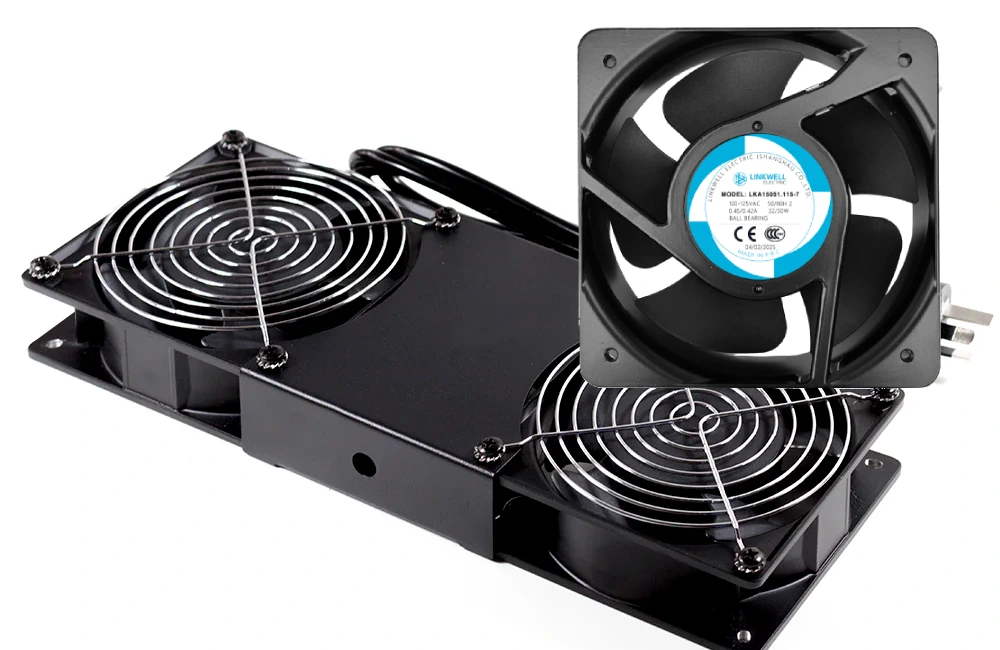
| Axial | Quieter operation; easier installation | May require larger size for equivalent airflow |
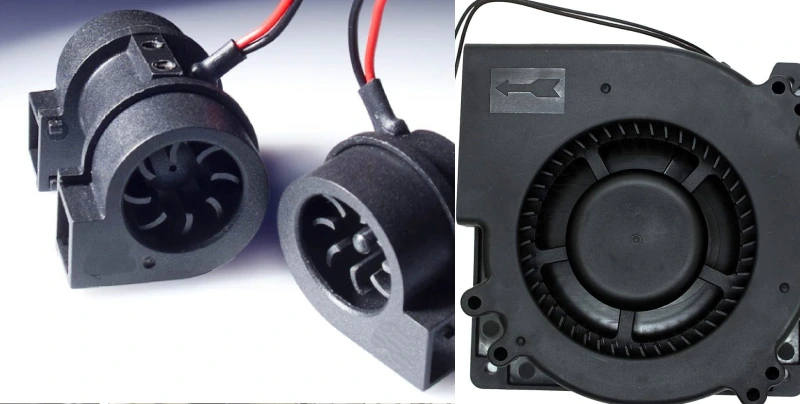
| Centrifugal | Strong airflow; good for high-pressure applications | Typically noisier and harder to install |
You can see that a din rail fan gives you flexibility and easy reconfiguration. This makes it a smart choice for modern control panels and automation systems.
The demand for din rail fans is growing fast in places like Canada, the UK, and across Asia-Pacific. In the UK, more factories are moving toward automation and energy efficiency. North America leads the way with strong infrastructure, while Asia-Pacific is catching up quickly thanks to rapid industrial growth and new government programs. If you want to keep up with these trends, choosing a din rail fan for your enclosure is a future-proof move.
Key Features of Linkwell Fan Filter Unit
When you pick a Linkwell din rail fan filter unit, you get more than just basic cooling. Linkwell designs its products to meet the highest standards for safety, performance, and reliability. Here’s what sets Linkwell apart:
| Feature | Linkwell Cabinet Fans | Competitors |
|---|---|---|
| Static Pressure Management | Effective | Varies |
| Dust Protection Rating | IP54, IP55 | Lower ratings |
| Engineered for High Volume | Yes | Not always |
| Suitable for Harsh Environments | Yes | Limited options |
You can trust Linkwell to deliver consistent airflow, even in tough industrial settings. The high dust protection rating means your electronics stay cleaner and safer, which is especially important if you work in a dusty or humid environment.
Linkwell fan filter units also come with a range of certifications, so you know you’re getting a product that meets international standards:
| Certification | Description |
|---|---|
| ISO | International Organization for Standardization |
| CE | European Conformity, compliance with EU safety |
| RoHS | Restriction of Hazardous Substances |
| UL | Underwriters Laboratories, safety standards compliance |
You get peace of mind knowing your din rail fan filter unit is safe, reliable, and built to last. Linkwell’s products are easy to install, energy-efficient, and designed for quick filter changes. You can choose from different sizes and voltages to fit your specific needs.
Tip: If you want to maximize the lifespan of your equipment, make sure to check and replace the filter regularly. Linkwell makes this process simple, so you spend less time on maintenance and more time focusing on your work.
With Linkwell, you’re not just buying a fan—you’re investing in a complete solution that keeps your control panels running smoothly. You get fast delivery, expert support, and the confidence that comes from working with a global leader in din rail technology.
How Does DIN Rail Work in Electrical Enclosures
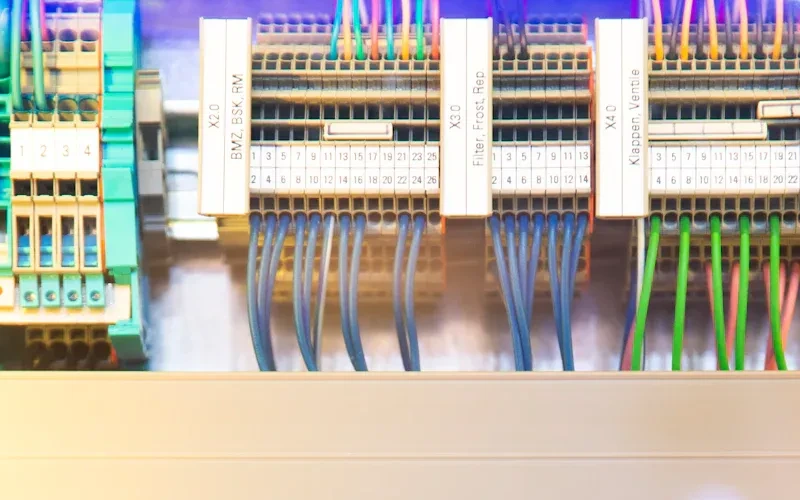
DIN Rail Mounting Explained
You might ask, how does din rail work inside your electrical enclosure? The working principle is simple but powerful. Din rail mounting uses standardized metal rails to snap electrical components into place. You get a system that makes installation fast and secure. Din rails act as anchors and guides, keeping every part exactly where it belongs.
- Din rails provide mechanical support for breakers, relays, and terminal blocks.
- You can mount them directly onto enclosure walls.
- The standardized design lets you add or remove devices quickly.
DIN-rail mounting is a universal standard for installing industrial control hardware, such as routers, PLCs, and power supplies, inside equipment enclosures. It utilizes a standardized metal rail onto which devices can be quickly and securely snapped.
When you use din rail, you organize your control panel and simplify wiring. The working principle helps you avoid messy layouts. Din rails give you a clear path for wires, which boosts safety and makes future upgrades easier. Ignoring din rails is like building a library with shelves but no bookends. Eventually, everything slides into a messy, unmanageable pile.
Integration with Fan Filter Units
Now, let’s look at how does din rail work with fan filter units. The working principle here is all about easy installation and reliable cooling. Linkwell’s din rail and fan filter units are designed for quick setup. You just snap the fan filter unit onto the din rail, and it fits perfectly with your other components.
- The REF series filter fan uses a buckle-style mount, so you don’t need screws.
- The adjustable buckle fits cabinet panels from 1.5 to 3.5mm thick.
- Quick-release filter cotton makes maintenance simple.
Linkwell’s enclosures feature ventilation slots and options for fan filter units. This design improves airflow and heat dissipation. You keep your equipment cool and extend its lifespan. The working principle behind this integration means you spend less time on installation and more time enjoying reliable performance.
| Feature | Benefit for You |
|---|---|
| Snap-in mounting | Fast, tool-free setup |
| Adjustable fit | Secure hold every time |
| Quick filter change | Less downtime |
If you want a neat, safe, and efficient enclosure, din rail and Linkwell fan filter units give you the edge. You get a solution that grows with your needs and keeps your equipment protected.
Applications of DIN Rail Fan and Terminal Block
Industrial Uses and Benefits
You see din rail fans and din rail terminal blocks everywhere in modern industry. Factories, power plants, and telecom stations rely on these components to keep their electrical enclosures organized and cool. When you use a din rail fan, you protect your sensitive electronics from heat, dust, and moisture. This means your equipment runs longer and you avoid costly breakdowns.
Let’s look at how these products help you in real-world usage:
- You keep control panels cool in automation systems.
- You maintain stable temperatures in battery cabinets and server racks.
- You organize circuit breakers, relays, and terminal blocks for easy access.
You want your machines to work without interruption. Din rail fans help you achieve that by reducing downtime and extending the lifespan of your equipment. Regular maintenance and proactive usage make a big difference. Here’s a quick table that shows the measurable benefits:
| Benefit | Description |
|---|---|
| Extended Equipment Lifespan | Regular maintenance prevents unexpected breakdowns and extends the lifespan of fans. |
| Reduced Downtime | Proactive maintenance helps identify issues early, minimizing the risk of production downtime. |
You get more value from your investment when you choose Linkwell. Their din rail fan and din rail terminal block solutions support industries like wind power, energy storage, and robotics. You can trust Linkwell to deliver products that meet international standards and keep your operations running smoothly.
Note: If you want to maximize uptime, make sure you schedule regular filter changes and inspections. Linkwell makes maintenance easy, so you spend less time worrying about failures.
DIN Rail Terminal Block Integration
You might wonder how din rail terminal blocks fit into your electrical enclosure. The answer is simple. Din rail provides a modular mounting solution for all your components, including circuit breakers and terminal blocks. You snap each terminal onto the din rail, which saves space and keeps your wiring neat.
Din rail terminal block usage is common because it simplifies wiring setups. You can add, remove, or rearrange terminals without tools. This flexibility helps you adapt to changing needs in your panel or cabinet. You get a clean layout, which makes troubleshooting and upgrades much easier.
Here’s how you benefit from integrating din rail terminal blocks:
- You organize circuit breakers, relays, and terminal blocks in one place.
- You optimize space inside your enclosure.
- You simplify electrical connections and wiring.
Din rail enclosures let you mount multiple terminal blocks side by side. This setup enhances organization and safety. You avoid tangled wires and messy layouts. You also improve airflow, which helps your din rail fan work more efficiently.
You see terminal blocks mounted on din rails in almost every industrial panel. This method saves you time during installation and makes future upgrades simple. You can trust Linkwell’s din rail terminal block solutions to deliver reliable performance and easy integration.
Tip: If you want to future-proof your electrical enclosure, choose modular din rail terminal blocks. You can expand or reconfigure your system whenever you need.
You get a complete solution when you combine din rail fans and din rail terminal blocks. Your equipment stays cool, your wiring stays organized, and your operations stay efficient. Linkwell gives you the tools to build smarter, safer, and more reliable electrical systems.
Choosing Linkwell DIN Rail Fan Solutions
Product Selection Tips
You want the right din rail fan for your electrical enclosure. Start by looking at the heat your equipment produces. Every part inside gives off heat, so check the wattage or BTU/hr. If your cabinet sits outside, sunlight can make it even hotter, especially with dark colors. Think about the climate. Hot areas need more cooling power. Cabinet size and insulation matter too. Large or poorly insulated cabinets need higher airflow.
Here’s a table to help you match your needs:
| Factor | Description |
|---|---|
| Heat Generated by Equipment | Check wattage or BTU/hr for each part. |
| Solar Heat Gain | Outdoor cabinets get hotter, especially in direct sunlight. |
| Ambient Temperature | Hot climates require more cooling. |
| Cabinet Size and Insulation | Bigger or less insulated cabinets need stronger fans. |
| Airflow and Ventilation | Sealed cabinets need active cooling like fans or air conditioners. |
You also need to pick the right filter. HEPA filters trap tiny particles, perfect for clean rooms. Electrostatic filters catch fine dust and are reusable. Fiberglass filters work for bigger particles. Pleated filters offer more surface area and come in different ratings. UV filters kill germs and pair well with other types. Panel filters catch larger particles and help advanced filters last longer.
When you choose a Linkwell fan filter unit, check the airflow, power requirements, NEMA rating, and noise level. You want a fan that is easy to install and maintain. This makes your configuration simple and efficient.
Installation and Maintenance
You want installation to go smoothly. Gather your tools and supplies first. Clean the area and check for anything that might block airflow. Mount the fan using the right brackets and screws. Handle wiring safely and connect the fan to power. Calibrate and balance the fan for smooth operation. Always perform safety checks before you turn it on.
Follow these tips for best results:
- Position the fan for clear airflow. Make sure cool air enters and hot air exits without obstacles.
- Use fans that match your airflow needs, especially in high resistance systems.
- Choose fans with low noise ratings and use vibration-dampening mounts.
- Add air filters at the intake to keep dust out and protect your terminal blocks.
- Provide a stable power source and route cables neatly to avoid blocking airflow.
Regular maintenance keeps your din rail fan working longer. Inspect and clean components often. Replace filters and check for leaks or corrosion. Always follow Linkwell’s guidelines for maintenance. This helps you maximize the lifespan of your terminal blocks and other equipment.
Tip: Schedule regular filter changes and inspections. Linkwell makes maintenance easy, so you spend less time worrying and more time working.
You get reliable cooling, organized wiring, and easy upgrades when you choose Linkwell. Their din rail solutions help you build smarter, safer, and more efficient electrical systems.
Conclusion
You want your electrical enclosure to run smoothly and stay protected. DIN rail fans give you a simple way to keep your equipment cool and safe. When you use a Linkwell fan filter unit, you get reliable airflow and easy installation. Your terminal blocks stay organized, and your terminal wiring remains neat. You avoid messy layouts and tangled terminal connections.
Linkwell helps you build smarter panels. You can snap each terminal onto the DIN rail and add a fan filter unit for better cooling. Your terminal setup becomes flexible, so you can upgrade or change your terminal arrangement whenever you need. You save time during installation and maintenance. Your terminal stays secure, and your terminal wiring gets better airflow.
Let’s look at the benefits you get:
- Your terminal blocks stay cool and last longer.
- You reduce downtime with regular terminal maintenance.
- You keep dust and moisture away from your terminal.
- You enjoy fast support and delivery from Linkwell.
Tip: Schedule regular terminal inspections and filter changes. You keep your terminal working at its best and avoid unexpected problems.
Linkwell stands out as a trusted partner. You get high-quality products, competitive pricing, and rapid delivery. Your terminal needs are covered, whether you work in automation, energy, or robotics. You can rely on Linkwell for customized solutions and 24/7 support.
Ready to upgrade your terminal setup? Visit Linkwell’s official website to explore DIN rail fans, terminal blocks, and more. You build a safer, smarter, and more efficient enclosure with Linkwell by your side.
You now see how DIN rail fans keep your electrical enclosures cool and your equipment safe. Here’s what matters most:
- Active cooling with DIN rail fans stops overheating, even in tough environments.
- Steady airflow protects your components and keeps everything running smoothly.
- Fans work with thermostats and heaters for full climate control.
Linkwell gives you options that fit your needs. Check out how their fans compare:
| Fan Type | Energy Efficiency | Noise Levels | Speed Control | Maintenance |
|---|---|---|---|---|
| AC | Good | Moderate | Basic | Low |
| DC | Better | Quiet | Adjustable | Moderate |
| EC | Best | Very Low | Precise | Low |
Ready to upgrade your setup? Explore Linkwell’s DIN rail fan solutions and build a smarter, safer system for your business.
FAQ
How do I choose the right DIN rail fan for my enclosure?
You should check your equipment’s heat output and cabinet size. Pick a fan with enough airflow and the right filter type. Linkwell offers many options, so you can find a perfect match for your needs.
How often should I replace the fan filter?
You want to replace filters every 4–6 months in clean areas. In dusty or outdoor spaces, check and change filters every 1–3 months. Regular changes keep your equipment safe and running smoothly.
Can I install a Linkwell DIN rail fan myself?
Yes! Linkwell designs fans for easy installation. You just snap the unit onto the DIN rail and connect the wiring. You save time and avoid complicated setups.
What certifications do Linkwell fan filter units have?
Linkwell fan filter units meet ISO, CE, RoHS, and UL standards. You get peace of mind knowing your cooling solution is safe and reliable.
Where can I use DIN rail fans from Linkwell?
You can use Linkwell DIN rail fans in control panels, server racks, telecom boxes, and battery cabinets. They work great in industrial automation, energy, and robotics applications.