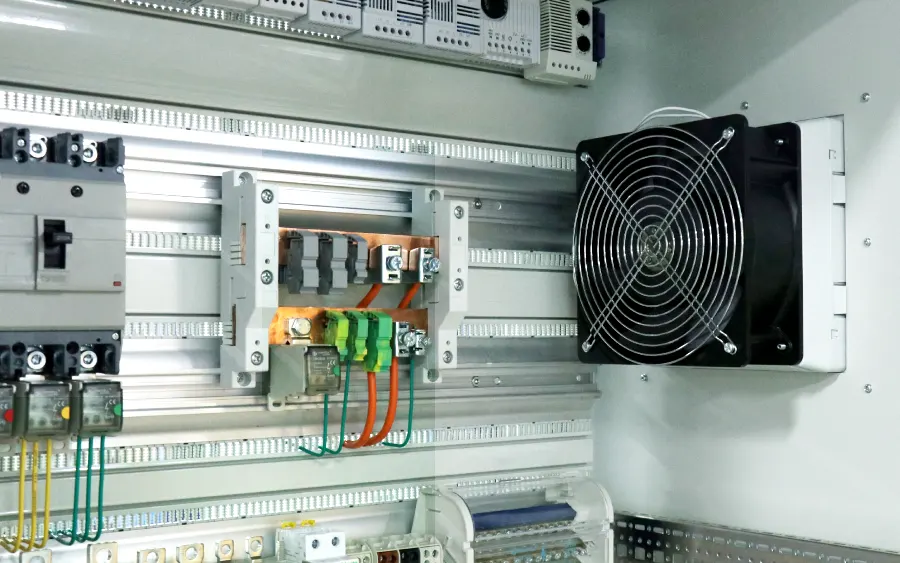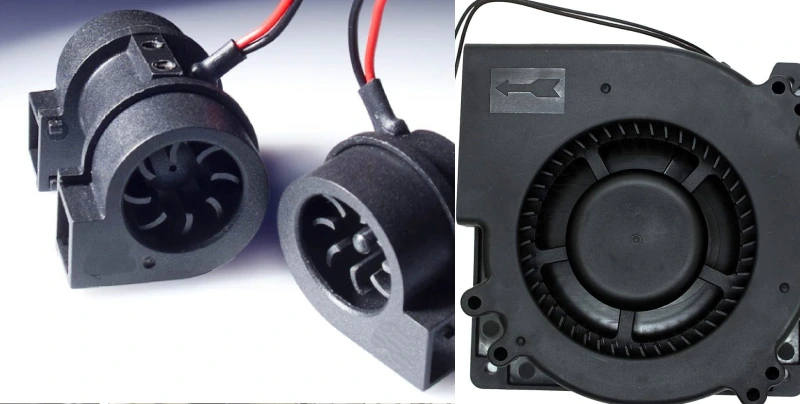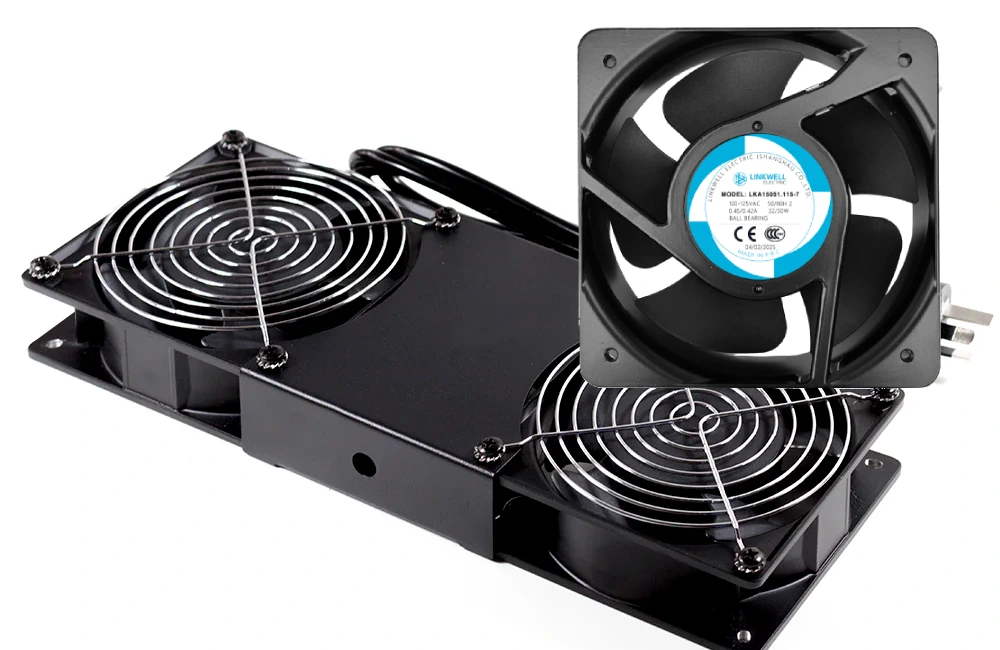
You want your equipment to last and work without surprises. If you match cooling capacity and reliability to your cabinet’s needs, you can prevent overheating and avoid costly failures. Even a small rise in temperature can cut the lifespan of your electronics in half. Good cooling keeps condensation and corrosion away, so your system runs smoothly. Linkwell brings decades of experience with enclosure fan modules, offering quality solutions that help you protect your investment. Take a step-by-step approach to choose the best fit for your project.
Key Takeaways
- Assess your enclosure’s cooling needs by measuring size, heat load, and environmental conditions. This ensures you choose the right fan module.
- Calculate the total heat load using the formula: Required Wattage = Surface Area × Temperature Difference × Heat Transfer Coefficient. This helps you determine the necessary cooling capacity.
- Select the right fan type based on your enclosure size and heat load. Larger enclosures may need centrifugal fans, while smaller ones can use axial fans.
- Consider fan filter units to protect your electronics from dust and moisture. These units help maintain clean airflow and extend equipment life.
- Plan for regular maintenance to keep your cooling system running efficiently. Regular checks on filters and fans prevent breakdowns and ensure reliable performance.
Assessing Enclosure Cooling Needs
Before you pick an enclosure fan module, you need to know exactly what your cabinet demands. You want to keep your electronics safe, so start by gathering the basics: enclosure size, heat load, and environmental data. These details help you match the required cooling capacity and compatibility to your application.
Calculating Heat Load
You can’t guess how much cooling your enclosure needs. You need to figure out the total heat load. Here’s a simple way to do it:
- Measure the surface area of your enclosure.
- Decide how much you want the temperature to rise inside the cabinet.
- Find the heat transfer coefficient for your enclosure’s material and insulation.
- Use this formula:
Required Wattage = Surface Area × Temperature Difference × Heat Transfer Coefficient - Add up all the internal heat sources, like electronics, lights, and transformers.
Tip: The surface area affects how quickly heat escapes. The temperature difference drives the heat load. Insulation properties, like R-value and U-value, change how much cooling you need. Don’t forget to count every device inside your enclosure.
If you work in high-temperature or industrial settings, you need a fan that can handle the extra heat. Linkwell’s Electrical Enclosure Fan and Cabinet Fan are built for these tough jobs. They keep your equipment cool even when the temperature climbs.
Evaluating Ambient Conditions
Ambient temperature and humidity play a huge role in your cooling strategy. High humidity can damage electronics, causing rust and mold. If your enclosure sits in a hot spot—like outdoors or near machinery—you need more robust cooling than a basic filtered fan.
Cooling fans work best in moderate temperatures and low humidity. If your environment gets too hot or damp, you might need advanced cooling solutions, such as closed-loop heat exchangers or cabinet air conditioners. When the temperature jumps from 20°C (68°F) to 40°C (104°F), cooling efficiency drops. You could lose up to 75% of your rated cooling power in extreme conditions.
Note: Always check the ambient conditions before you choose an enclosure cooling fan. If you expect high humidity or temperature swings, look for enclosure fan modules with weatherproof housing and IP-rated protection.
Outdoor and harsh industrial environments bring extra challenges. Here’s a quick look at what you should consider:
| Environmental Factor | Description |
|---|---|
| Foreign substances | Water, dust, dirt, and oils can sneak into your enclosure and mess with your control panels. |
| Temperature | Internal heat and outside temperatures can push your enclosure past safe limits. |
| Washdown | Some enclosures face harsh chemical cleansers and high-pressure cleaning. They need tough protection. |
| Corrosive Elements | Sun, snow, and chemicals can cause corrosion and shorten the life of your enclosure. |
| Enclosure material construction | Stainless steel 316 resists corrosion better than other materials. |
You’ll see different cooling needs in different industries. Data centers run nonstop and generate tons of heat. They need advanced cooling solutions to keep everything running. Telecom setups often use compact, modular cooling systems to fit tight spaces. Manufacturing enclosures focus on energy efficiency and sustainability.
When you understand your enclosure size, heat load, and environment, you can choose the right enclosure fan modules. This step sets you up for reliable cooling and long-lasting equipment.
Determining Airflow and Fan Module Type
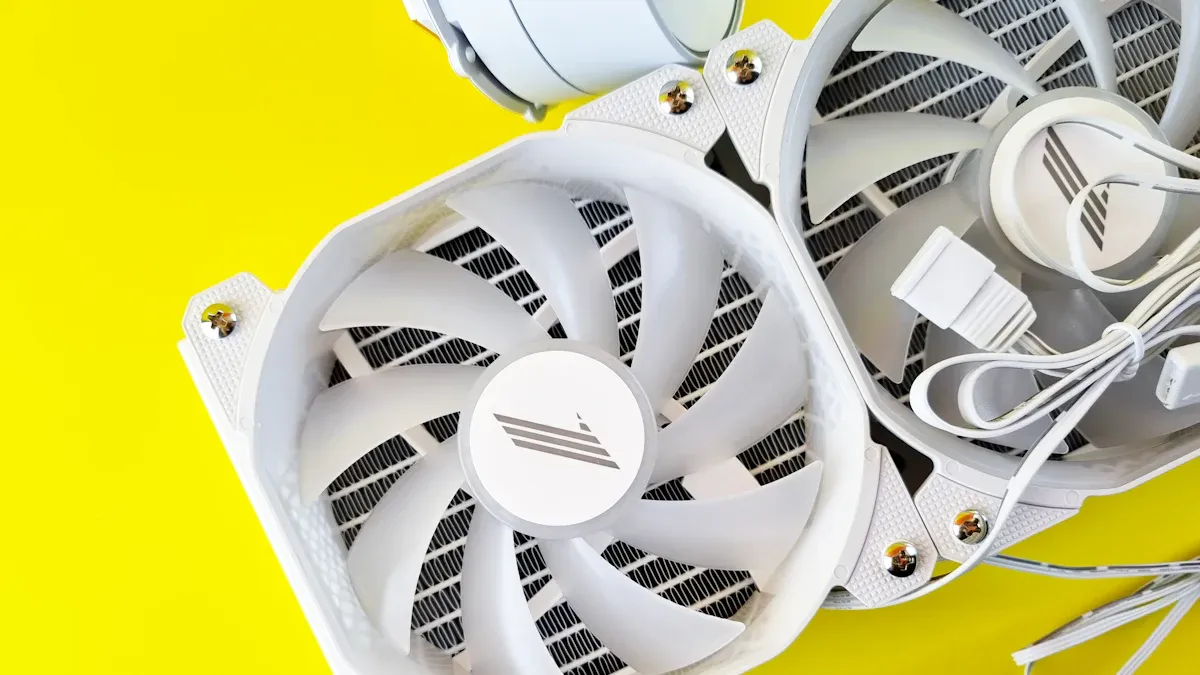
When you want to keep your equipment cool and safe, you need to figure out how much air your enclosure needs. The right enclosure fan modules make all the difference. You can avoid overheating, dust buildup, and noisy operation by choosing the right type and size.
Sizing Enclosure Cooling Fan
You need to know how much heat your enclosure produces before you pick a fan. The size of your cabinet and the amount of heat inside set your airflow requirements. If you have a big enclosure or lots of electronics, you need more cooling power. Smaller cabinets with less heat need less airflow.
Here’s a simple way to estimate the airflow you need:
- Use this formula:
CFM = 3.16 x Watts / DT (°F)
Watts is the total heat your devices generate. DT is the temperature difference you want between inside and outside the enclosure. - Mass flow is:
W = CFM x Density - The basic heat transfer equation is:
q = Cp x W x DT
Tip: Always plan for the worst-case heat scenario. If your equipment runs hot, pick a fan with extra cooling capacity.
The type of enclosure fan modules you choose depends on your cabinet’s size and heat load. Large enclosures often need centrifugal drum fans. These fans push air against higher static pressure and keep big cabinets cool. Smaller enclosures do well with axial fans or compact cooling fans.
Linkwell offers enclosure cooling fan options that fit many cabinet sizes. You can find models for high heat, tight spaces, and even outdoor use. Their fans work with thermostats and hygrostats, so you get smart cooling that adjusts to your needs.
Choosing Fan Filter Units
Dust and moisture can ruin your electronics. You need more than just airflow—you need protection. Fan filter units help you keep dust and contaminants out. These systems create positive pressure inside the enclosure, so dirt stays outside. If you work in a clean room or a dusty factory, fan filter units are a smart choice.
- Filtered fan systems push clean air in and keep dust out.
- They may not work well in places with heavy moisture.
- Closed loop air conditioners give the best protection against dust and moisture. They keep outside air from getting in.
Linkwell’s fan filter unit lineup gives you options for dust, moisture, and noise control. You can pick models with IP-rated housings for wet or dirty environments. Their units use long-lasting ball bearing motors and easy-to-replace filters. You save time on maintenance and keep your equipment safe.
Noise matters too. If you need quiet operation, check the noise levels before you buy. Here’s a quick look at how different units compare:
| Type of Unit | Noise Level (dBA) |
|---|---|
| Domestic Brand FFUs | 42-57 |
| DC FFUs | 1-3 dBA quieter than AC FFUs |
| Standard Industrial FFUs | 55-65 |
| Premium Performance Units | Below 50-60 |
Linkwell’s low-noise fan filter units help you keep your workspace quiet. You get strong cooling without the loud hum.
You also want to think about energy savings. New enclosure fan modules use smart fans and brushless DC motors. These technologies adjust speed based on temperature, so you use less power and get better performance efficiency. Advanced materials make fans lighter and more durable. Noise reduction features keep things quiet while still delivering strong cooling.
| Advancement Type | Description |
|---|---|
| Smart Fans | Sensors and IoT features adjust operation for real-time cooling and energy savings. |
| Brushless DC Motors | More efficient, longer life, better thermal management. |
| Advanced Materials | Lightweight, durable, lower energy use. |
| Noise Reduction Technologies | Lower noise, better user experience, strong cooling. |
| Smart Ceiling Fans | Connect to smart platforms for better energy management and control. |
When you match your airflow requirements, cooling capacity, and protection needs, you get reliable performance. Linkwell’s enclosure fan modules and fan filter units help you control dust, moisture, and noise. You keep your equipment safe and your workspace comfortable.
Comparing Enclosure Fan Modules and Cooling Systems
Performance and Energy Efficiency
When you compare enclosure fan modules and cooling systems, you want to see which one gives you the best cooling for your money. You should look at how much energy each system uses and how well it keeps your equipment safe. Cooling cost performance (CCP) and power usage effectiveness (PUE) are two key metrics. CCP shows you how much energy you save and how reliable your cooling is. PUE tells you how efficient your whole cooling setup is.
- Large industrial fans can save up to 30% on energy costs. That means lower utility bills for your business.
- Variable speed drives and smart sensors help you use only the energy you need. These features adjust airflow and boost energy efficiency.
- Smart fan modules with IoT sensors let you predict when maintenance is needed. You can fix problems before they cause downtime.
If you want even more savings, look at systems with liquid cooling. These setups can cut facility power use by 27% and lower overall energy use by 15.5%. Some systems use natural cooling in winter, which drops energy costs even more. Variable frequency systems also save energy compared to fixed frequency ones.
Reliability and Certifications
You need cooling systems that last and keep working when you need them. Reliability comes from strong design, good materials, and thorough testing. Linkwell’s enclosure fan modules, electrical enclosure ventilation, and cabinet fans all focus on durability and long-term performance.
- Linkwell uses eco-friendly materials and holds over 20 patents for innovation.
- You get a two-year warranty on standard models.
- Every fan goes through airflow, vibration, and power stability tests.
- Premium bearings, like dual ball or advanced sleeve types, extend service life.
Certifications matter, especially in regulated industries. You want to see UL, CE, and ISO 9001 marks. These show your cooling system meets safety and quality standards.
| Certification | Purpose |
|---|---|
| UL | Ensures compliance with safety standards. |
| CE | Indicates conformity with European health, safety, and environmental protection standards. |
| ISO 9001 | Ensures quality management systems are in place. |
You also get better control with integration of thermostats and hygrostats. Thermostats watch the temperature and turn fans or heaters on and off. Hygrostats check humidity and can trigger heating to stop condensation. Together, these devices keep your enclosure cooling fan working at its best, protecting your equipment from failure.
Installation, Validation, and Maintenance
Proper Installation Steps
Getting your enclosure cooling system set up the right way makes a huge difference. You want to make sure your cooling works as planned and keeps your equipment safe. Here’s a simple checklist to follow:
- Place the air intake at the bottom and the exhaust at the top. This uses natural convection to help airflow.
- Check that nothing blocks the fan’s airflow. Obstructions can cut the fan’s performance by more than half and lower static pressure, which hurts cooling efficiency.
- Put filters on the air inlet. This keeps dust out and protects your electronics.
- Seal all openings for fans and filters. A tight seal keeps your enclosure’s rating and stops leaks.
- Plan for regular maintenance. Filters need checking and replacing to keep airflow strong.
Tip: If you run into trouble during installation, Linkwell offers phone, email, and website support. Their technical team can help you solve problems and make sure your enclosure cooling system works with your setup.
Maintenance Planning
You want your thermal management system to last and work smoothly. Regular maintenance keeps your cooling running at peak performance and helps avoid breakdowns. Here’s what you should do:
- Inspect filter mats and fans often. In harsh environments, check filters one or two times a month. In cleaner areas, monthly checks and changing filters twice a year work well.
- Clean air filters and look for blockages. Make sure every part of your enclosure cooling system works as it should.
- Watch for signs of wear, like damaged seals or strange noises. Fixing small problems early stops bigger issues later.
- Schedule seasonal maintenance, especially before hot or humid months. This keeps your thermal management strong when you need it most.
A planned maintenance schedule lowers downtime and boosts reliability. You protect your electronics and keep your type of enclosure cooling system working longer. Linkwell’s support team is ready to help with troubleshooting and advice, so you get the best compatibility and performance from your thermal management.
You want your enclosure fan module to fit your needs and work reliably. Start by matching cooling capacity, airflow, and durability to your application. Use selection tools to compare airflow, power, NEMA rating, noise, and maintenance:
| Factor | Description |
|---|---|
| Airflow | Make sure you get enough cooling for your setup. |
| Power Requirements | Check voltage and current so your fan runs safely. |
| NEMA Rating | Pick a fan that matches your environment. |
| Noise | Choose a quiet fan for a better workspace. |
| Installation & Maintenance | Go for easy installation and quick maintenance. |
Pilot testing helps you spot problems early and optimize performance:
| Benefit | Explanation |
|---|---|
| Validates integration | You see how the fan works with your system before full rollout. |
| Finds optimization chances | You can tweak settings for better results. |
Linkwell stands out with CE approval, over 10 years of export experience, and a skilled team. You get trusted support and proven solutions. Try selection tools, talk to experts, and test your choice before full-scale use. You set your project up for success.
FAQ
How do I know if my enclosure fan module is saving energy?
You can check your utility bills and monitor the temperature inside your cabinet. If you see lower costs and stable temperatures, your fan module is working efficiently. Smart fans with sensors help you track energy savings over time.
What maintenance steps help my fan module use less energy?
Clean or replace filters often. Inspect the fan for dust and debris. Lubricate moving parts if needed. These steps keep airflow strong and help your fan use less energy. Regular checks prevent wasted energy and keep your system reliable.
Can I use enclosure fan modules in outdoor environments without losing energy efficiency?
Yes, you can. Choose fan modules with weatherproof housing and IP ratings. These features protect your system and help you maintain energy efficiency. Outdoor models from Linkwell are designed to keep energy use low, even in harsh conditions.
Why does energy efficiency matter for enclosure cooling?
Energy efficiency lowers your operating costs and helps your equipment last longer. Efficient cooling systems use less energy, which means you save money and reduce your environmental impact. You also get better performance and fewer breakdowns.
What features should I look for to maximize energy savings?
Look for smart controls, brushless motors, and high-quality filters. These features help you use less energy and keep your enclosure cool. Variable speed fans adjust airflow based on temperature, so you never waste energy. Linkwell offers models with these advanced options.
Tip: Always check the specifications for energy ratings before you buy. This helps you pick the best fan module for your needs.
| Feature | Benefit |
|---|---|
| Smart Controls | Adjusts energy use automatically |
| Brushless Motors | Uses less energy, lasts longer |
| High-Quality Filters | Keeps airflow strong, saves energy |