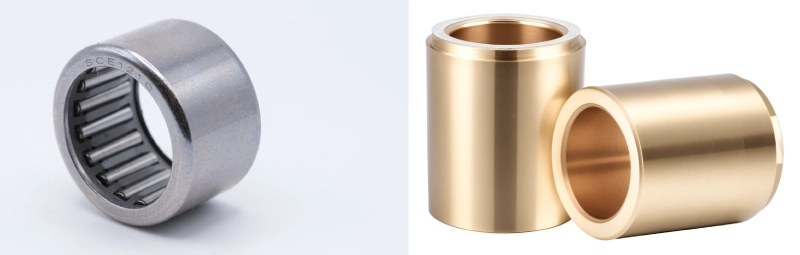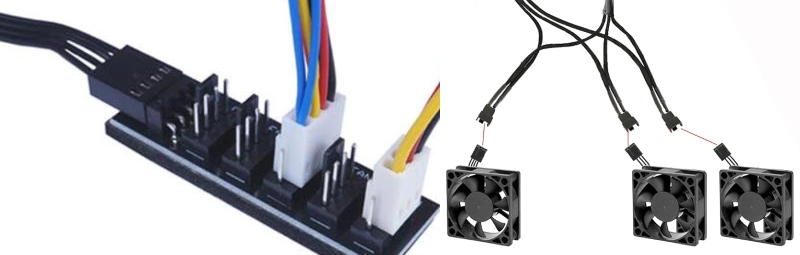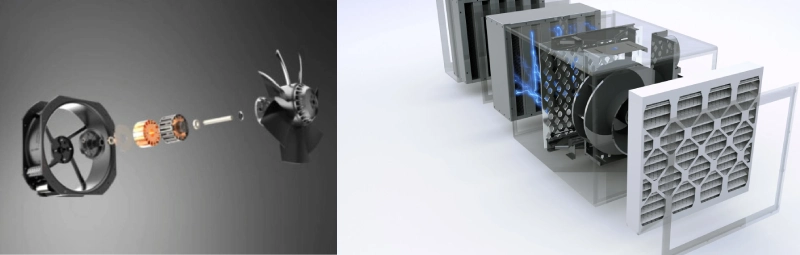
“To be honest, I’ve been in maintenance for ten years, and I’d never really paid attention to bearings and filters before—until one time, a fan in a server rack jammed in the middle of the night, shutting down the entire production line for four hours. When we took it apart, the bearings were full of dust.
Since then, I’ve learned my lesson: when choosing a fan, I look at the bearings first, then the filters.
This Linkwell system is the most worry-free I’ve used—dual ball bearings are durable, the filters are easy to replace, and it hasn’t had a single problem in three years. That’s why I say these two little things are the real bodyguards of the server rack.”
Engineer’s Notes
- High-quality bearings reduce vibrations and extend the lifespan of cabinet fans. Choose ball bearings for better durability and performance.
- Effective filters block dust and moisture, preventing overheating and equipment failure. Regularly check and replace filters to maintain airflow.
- Linkwell’s advanced fan systems combine bearings and filters for optimal reliability. This integration leads to fewer breakdowns and lower maintenance costs.
- Establish a maintenance routine to inspect bearings and filters regularly. Keeping a log helps track service intervals and catch issues early.
- Investing in quality components like Linkwell fans can double the lifespan of your equipment, saving time and money in the long run.
Reliability Challenges in Cabinet Fans
Cabinet cooling fans face a tough job in industrial environments. I have seen how even the smallest issue can lead to big problems. When I install cooling fans, I look for simple installation, cost-effectiveness, and strong results. However, several challenges can threaten the reliability of these systems.
Bearing Issues and Vibration
Bearings are the heart of every fan. If they fail, the entire cooling system can come to a halt. I have noticed that dust buildup on cooling fans often causes imbalances. This leads to vibrations that can shake electrical connections loose or even break them. Sometimes, stray current sneaks into the bearings, leaving a washboard pattern inside the rings and a burnt grease smell. These signs tell me the bearings are wearing out too soon. When this happens, the fan cannot spin smoothly, and the cabinet heats up quickly. I always choose Linkwell fans because their high-quality bearings resist these problems. Their design keeps vibration low and ensures smooth, quiet operation.
Contamination and Filter Effectiveness
Contamination is another major threat. Dust and moisture can sneak into cabinets, causing hot spots and sudden shutdowns. I have seen equipment performance drop, unexpected errors pop up, and components age faster when filters do not do their job. Ineffective heat dissipation can lead to overheating and even downtime. That is why I trust Linkwell’s fan filter units. Their filters use advanced media, including HEPA and ULPA options, to trap particles as small as 0.3 microns with over 99% efficiency. Studies show that centralized fan filter unit designs improve airflow and reduce particle concentration by up to 15%. With Linkwell, I get steady thermal management and maximum uptime.
I rely on Linkwell’s engineered solutions for protection against heat and contaminants. Their cabinet fans and filter units can run up to 70,000 hours, which means fewer maintenance stops and lower ownership costs.
| Challenge | Linkwell Solution | Result |
|---|---|---|
| Bearing failure and vibration | High-quality bearings, low-vibration design | Smooth, quiet, long-lasting operation |
| Dust and moisture contamination | Advanced filtration, centralized FFU configuration | Cleaner air, fewer shutdowns, longer life |
Bearings and Their Role in Reliability
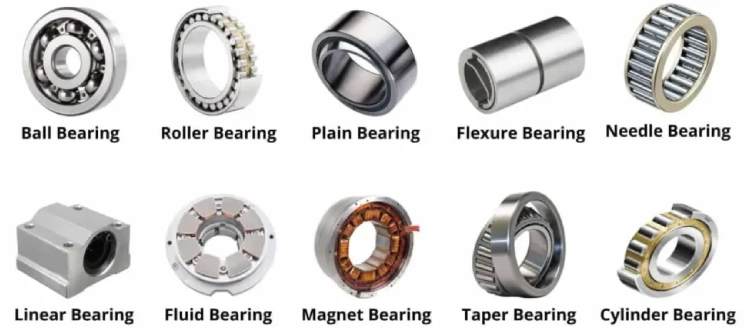
When I think about how bearings and filters improve cabinet fan reliability, I picture the bearings as the engine’s pistons. They keep everything moving smoothly inside cooling fans. If the bearings work well, the fan spins with less friction. This means less heat, less stress, and fewer breakdowns. I have learned that proper bearing design and regular maintenance make a huge difference in fan performance and reliability.
Ball Bearings vs. Sleeve Bearings
I often compare ball bearings and sleeve bearings when choosing cooling fans. Ball bearings last longer and work in any position. I can mount them vertically or horizontally, and they keep spinning without trouble. Sleeve bearings start out quieter, but they get noisy over time, especially if I mount them wrong. They cost less and are simple to make, but they only work well in horizontal setups. High temperatures shorten their lifespan. Ball bearings handle tough conditions better and give me more flexibility.
- Sleeve Bearings: Inexpensive, rugged, quieter at first, but limited to horizontal mounting and shorter lifespan in high temperatures.
- Ball Bearings: More durable, operate in any orientation, longer lifespan, but more complex and expensive.
I always choose ball bearings for cabinet fans that need to run nonstop or face harsh environments. This choice helps me avoid early failures and keeps my cooling fans working longer.
Sealing and Alignment Features
Sealing and alignment features matter a lot in bearings. Good seals, like labyrinth seals or V-grooves, stop oil from leaking and block dust or moisture from getting inside. This keeps the bearings clean and working well. Precision alignment, often achieved with mono-block housing, reduces vibration and wear. I notice that fans with these features run smoother and last longer. The mean time between failure goes up, so I spend less time fixing or replacing parts.
Linkwell Bearing Solutions
Linkwell’s cabinet fans and fan filter units use advanced bearing technology. I trust their dual ball bearings in the centrifugal fan series. These bearings support a 360-degree circular outlet, which boosts airflow and heat dissipation. One-piece injection molding improves efficiency and extends lifespan. The bearings meet F-class insulation standards, so they stay safe even in high-intensity conditions.
- Sealed deep-groove bearings have a mean time between failures of over 50,000 hours.
- Hubs are CNC machined to a precision of ±0.02mm, ensuring reliability.
- Linkwell’s bearings resist contamination and oil leakage, thanks to their sealing features.
I’ve learned the results in my own installations. Fans with Linkwell bearings run quieter, need less maintenance, and keep my cabinets cool for years. This is how bearings and filters improve cabinet fan reliability. I always recommend Linkwell for quality and long-lasting fan performance.
| Bearing Feature | Linkwell Advantage | Impact on Reliability |
|---|---|---|
| Dual ball bearings | Longer lifespan, any orientation | Fewer breakdowns, extended life |
| Sealed deep-groove | Blocks dust and oil leakage | Cleaner operation, less wear |
| Precision machining | ±0.02mm hub tolerance | Smooth rotation, less vibration |
I trust Linkwell’s bearing solutions to keep my cooling fans running strong. Their focus on quality and advanced engineering gives me peace of mind and better reliability.
How Filters Improve Cabinet Fan Reliability
Filter Types and Contaminant Protection
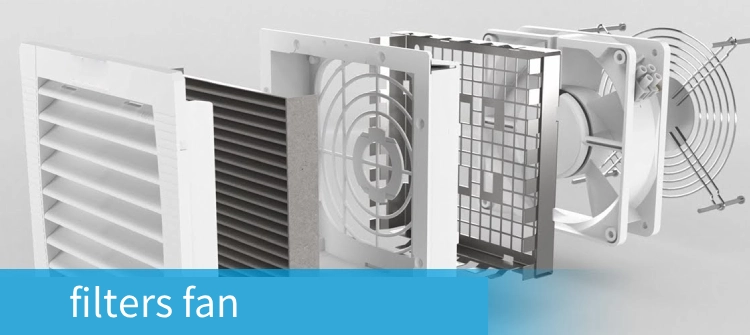
I see filters as the first line of defense for cabinet cooling fans. They block dust, moisture, and even tiny particles that can sneak into electrical enclosures. When I work in places like machine shops, bakeries, or wood manufacturing plants, I notice how quickly contaminants build up. Metallic dust, flour, textile fibers, and sawdust all try to find their way inside. Without the right filter, these particles settle on sensitive electronics and moving parts.
Filtered fan systems do more than just cool the cabinet. They help maintain positive pressure inside, which keeps outside dust and debris from entering. For indoor environments, I use filters that balance airflow and protection. Outdoor fans need moisture-resistant filters and sloped designs to shed water. I always check the filter’s rating. HEPA filters trap 99.99% of particles as small as 0.3 microns. In ultra-clean environments, ULPA filters catch even smaller particles—down to 0.1 microns with 99.999% efficiency. These high-efficiency filters meet strict standards, like ISO Class 5 for biosafety cabinets.
If I ignore filter quality, I see the results fast. Dust acts as an insulator, trapping heat and raising temperatures. Conductive particles can cause short circuits or corrode components. Overheating leads to shutdowns, malfunctions, or even permanent hardware failure. Regular exposure to contaminants wears out cooling fans and relays much faster.
| Impact of Contaminants on Cabinet Fans | Description |
|---|---|
| Dust buildup as an insulator | Traps heat and increases operating temperatures |
| Conductive particles | Can cause short circuits or corrosion on electronic components |
| Overheating consequences | Leads to system throttling, malfunctions, unexpected shutdowns, and permanent hardware failure |
| Accelerated wear on moving parts | Regular exposure to contaminants accelerates wear on cooling fans and relays |
I trust Linkwell’s fan filter units because they use advanced media and offer IP-rated protection. Their filters keep out dust and moisture, which means less wear and tear on my equipment. This is a big part of how bearings and filters improve cabinet fan reliability.
Maintenance and Replacement Tips
I learned early that even the best filter needs regular care. I clean my cabinet fans every month. This stops dust and debris from building up and keeps airflow strong. In dusty places, like workshops or outdoor sites, I check filters every one to three months. In cleaner environments, I stretch that to four to six months. I always follow the manufacturer’s guidelines and check the User and Technical Manual for the right service intervals.
I look at how quickly the filter gets blocked. If I see airflow dropping or the fan working harder, I know it’s time for a change. I use a soft brush or compressed air to clean the filter surface. For Linkwell’s easy-to-replace filters, I just pop out the old one and snap in a new one—no tools needed. This saves me time and keeps my cooling fans running at peak efficiency.
I always keep spare filters on hand. Quick swaps mean less downtime and better protection for my cabinets.
Linkwell Filter Innovations
Linkwell stands out for its smart filter designs. Their fan filter units feature IP54, IP65, or even IP68 ratings, so I can use them indoors or outdoors without worry. The filters are easy to access and replace, which makes maintenance simple. I like that Linkwell offers HEPA and ULPA options for industries that need the highest level of contaminant control.
Their filter frames use flame-retardant ABS or powder-coated steel. This adds another layer of safety. The compact design fits tight spaces, but still delivers strong airflow. I can customize the filter class, size, and even the voltage to match my project’s needs. Linkwell’s centralized fan filter unit design improves airflow and reduces particle concentration by up to 15%. That means my cooling fans last longer and my equipment stays safe.
I rely on Linkwell’s filter innovations to keep my systems clean and efficient. Their commitment to quality and protection gives me confidence, whether I’m working in a bakery, a telecom cabinet, or a solar power station. When I want maximum reliability, I choose Linkwell.
Combining Bearings and Filters for Optimal Reliability
Integrated Solutions from Linkwell
I always look for cabinet cooling fans that combine advanced bearings and filters in one package. Linkwell’s integrated solutions give me exactly that. Their cabinet fans and fan filter units use high performance ball bearings and advanced filtration to maximize reliability. I see the difference in real-world applications. The fans run smoothly, even in harsh environments, and the filters keep dust and moisture out. This combination means my equipment stays cool and safe.
I appreciate the extra features Linkwell includes. Power indicator lights help me check fan status at a glance. Customizable colors let me match the fans to my cabinet design. The replacement method is convenient, so I can swap filters quickly. The EMC unit keeps the filter stable, which improves airflow. I trust the quality because Linkwell offers a one-year warranty and certifications like UL, TUV, CE, and CB. Customization options let me choose the right fit for any project.
| Feature | Advantage |
|---|---|
| Power indicator light | Easy status monitoring |
| Customizable colors | Matches cabinet design |
| Convenient replacement | Fast filter swaps |
| EMC unit | Stable filter, better airflow |
| Warranty | 1 Year |
| Certifications | UL, TUV, CE, CB |
| Customization | Project-specific solutions |
I notice that Linkwell’s ball bearings last up to ten times longer than sleeve bearings. They handle higher loads and speeds, which means fewer breakdowns and more uptime for my cooling fans.
Maintenance Strategies for Extended Lifespan
I follow a structured maintenance program to keep my cooling fans working at their best. Regular maintenance and inspections are essential for optimal performance and longevity. I check the structural integrity of the fan and motor assembly every three months. I verify that the fan spins freely and listen for unusual noises, which can signal bearing wear. I inspect the filter monthly in dusty environments and every four to six months in cleaner areas. If I see dust buildup or reduced airflow, I replace the filter right away.
I always focus on the fan and motor assembly because these parts are complex and need attention. I clean the fan blades with a soft brush to prevent dust from affecting balance. I check the power indicator light to confirm the fan is running. I also monitor the temperature inside the cabinet using real-time sensors. If I spot a spike, I investigate immediately.
I keep a maintenance log for each cabinet. This helps me track service intervals and spot patterns before problems start.
By combining advanced bearings and filters with a solid maintenance routine, I see how bearings and filters improve cabinet fan reliability. My fans deliver high performance, and my equipment stays cool and protected year after year.
Conclusion
I’ve noticed firsthand how the right bearings and filters transform cabinet fans from weak links into trusted protectors. When I choose Linkwell, I notice fewer failures and longer service intervals. Their advanced engineering means I spend less time worrying about breakdowns and more time focusing on my work.
Fans with Linkwell bearings and filters often last twice as long as standard models. That difference matters when I manage critical equipment. I see the impact in lower maintenance costs and fewer emergency repairs. The combination of high-quality bearings and advanced filtration gives me confidence that my systems will keep running, even in tough environments.
I always recommend prioritizing Linkwell fans with these features. Regular filter changes and bearing inspections help me catch problems early and extend fan lifespan.
I use a simple checklist to keep my cooling systems in top shape:
- Schedule filter replacements based on dust levels.
- Inspect bearings for noise or vibration every few months.
- Track service intervals in a maintenance log.
If I need expert advice or a custom solution, I reach out to Linkwell’s support team. Their experience and fast response make a real difference for my projects.
| Benefit | Result |
|---|---|
| Advanced bearings | Fewer breakdowns |
| High-efficiency filters | Cleaner cabinets, less wear |
| Easy maintenance | Longer fan lifespan |
I trust Linkwell to deliver the reliability my equipment demands. Their focus on quality and innovation keeps my cabinets cool and my business running smoothly.
I see firsthand how bearings and filters improve cabinet fan reliability. Linkwell’s advanced designs cut maintenance costs by 60% and help fans last twice as long as standard models. I always select the right filter grade, follow a quarterly bearing inspection routine, and replace filters before airflow drops. These steps keep my reliable fan running strong. For custom solutions or expert advice, I reach out to Linkwell’s team—they always deliver support tailored to my environment.
FAQ
How often should I replace the filter in my cabinet fan?
I check filters every one to three months in dusty areas. In cleaner spaces, I stretch replacement to four to six months. Linkwell’s easy-swap filters make this process fast and simple.
What makes Linkwell bearings last longer than others?
Linkwell uses dual ball bearings with precision machining. These bearings resist dust and oil leakage. I see fans run up to 70,000 hours without major issues.
Can I use Linkwell fan filter units outdoors?
Yes, I trust Linkwell’s IP54, IP65, and IP68-rated units for outdoor use. These filters block water and dust, keeping my equipment safe in harsh weather.
How do I know if my cabinet fan needs maintenance?
I listen for unusual noises and check airflow. If the fan vibrates or the filter looks dirty, I clean or replace parts. Linkwell’s indicator lights help me spot problems early.
Are Linkwell fans customizable for my project?
I can choose voltage, size, filter class, and even color. Linkwell offers OEM and ODM options, so I match fans to my cabinet design and cooling needs.