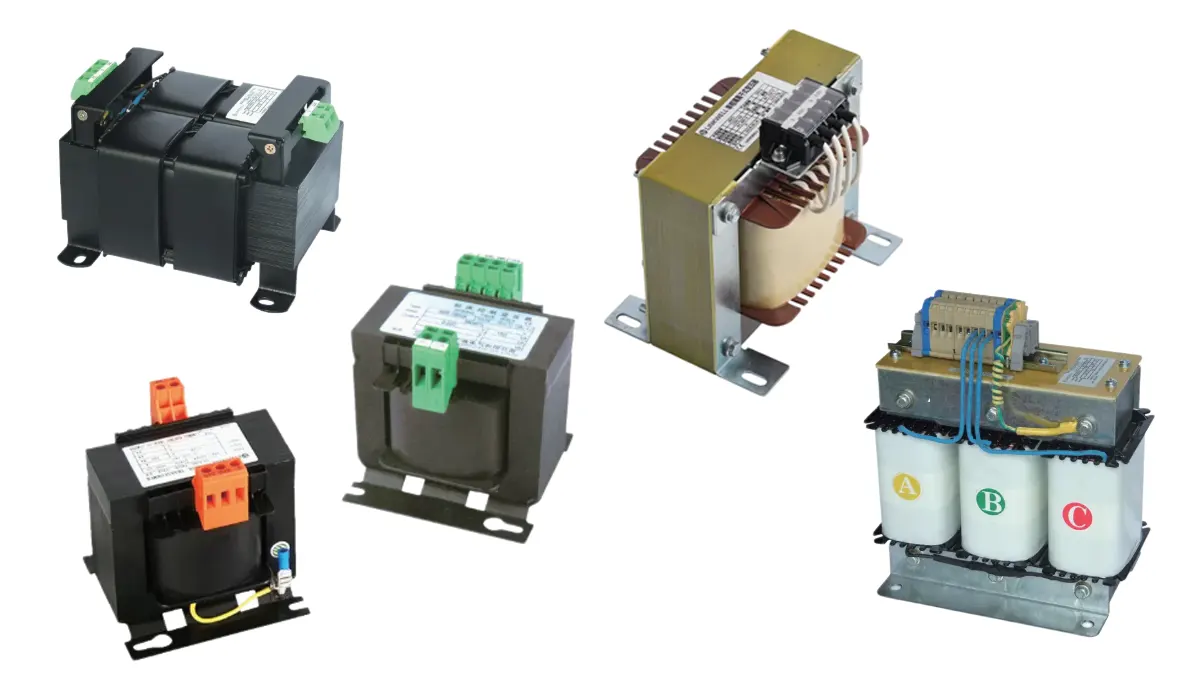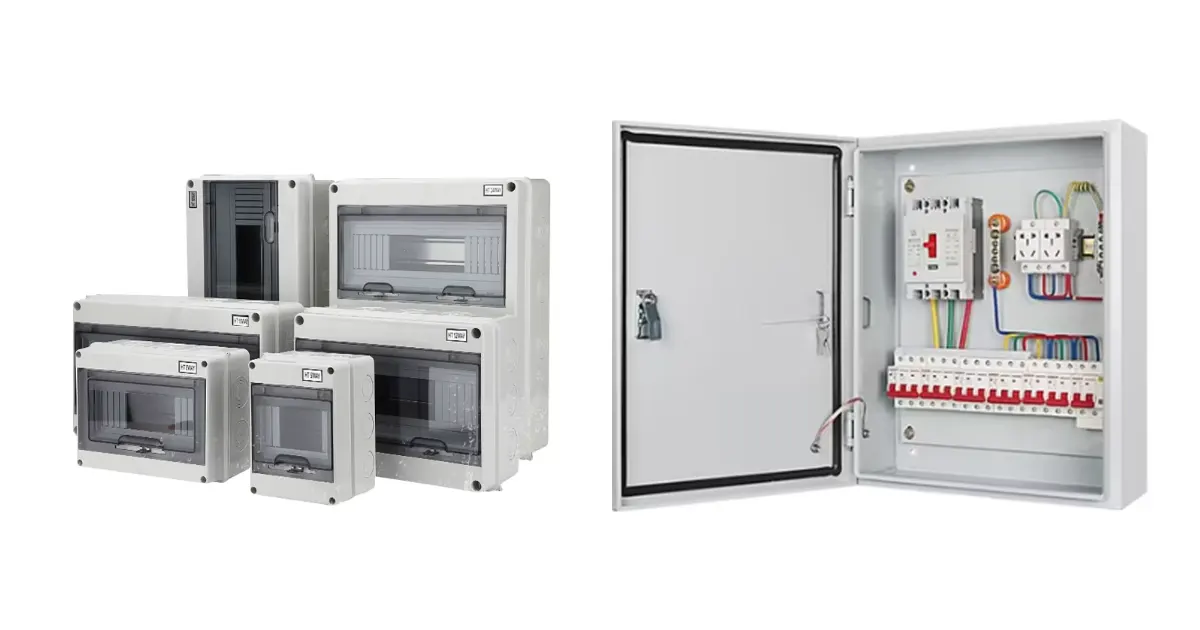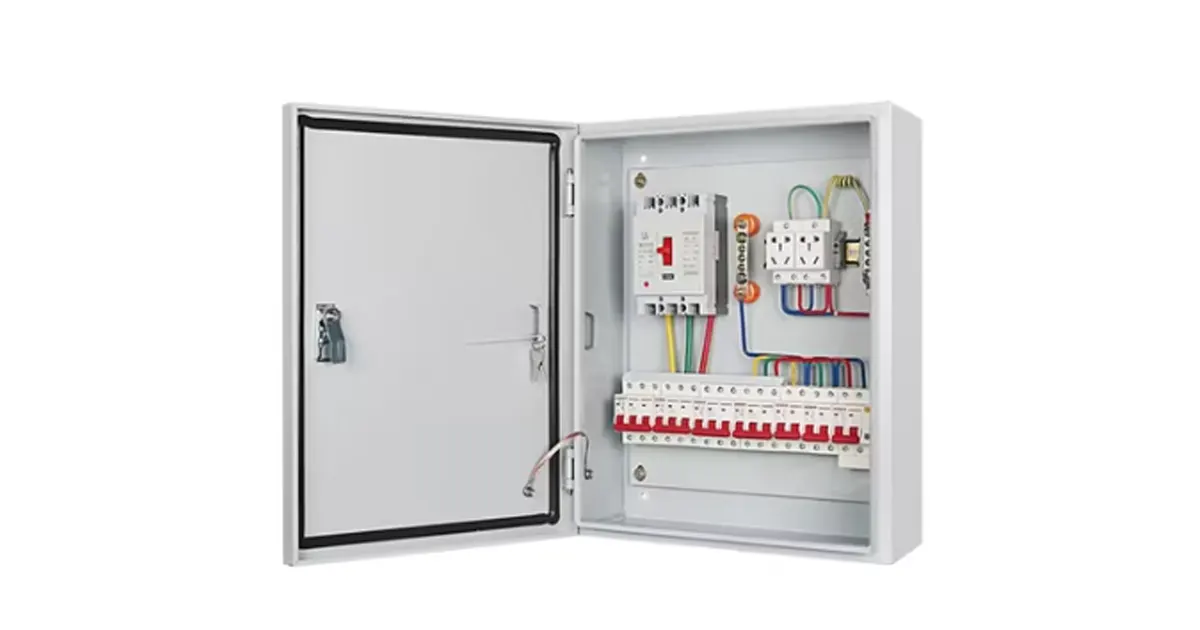
A terminal block gives you a reliable and organized way to connect wires and cables, acting as a hub for electrical systems. You’ll find them in places like control panels, power distribution boards, and HVAC systems. Here’s a quick look:
| Definition | Applications |
|---|---|
| Terminal blocks provide a reliable and organized method for interconnecting wires and cables, acting as hubs for electrical conduits. | – Industrial automation – Power distribution – Control panels – HVAC systems |
When you use Linkwell’s terminal block connectors, you get advanced safety features and high reliability. Following How to Use Terminal Block Connector step by step helps you avoid common wiring mistakes and keeps every connection secure.
Key Takeaways
- Gather essential tools like wire strippers, screwdrivers, and a multimeter before starting your project. This ensures a smooth and safe connection process.
- Always disconnect power before working on terminal blocks. Use a multimeter to confirm there is no voltage present to avoid electrical hazards.
- Strip wires to the correct length for a snug fit in the terminal block. This prevents loose connections and ensures reliable performance.
- Label each wire and terminal position clearly. This helps with organization and makes troubleshooting easier in the future.
- Regularly inspect your connections and test for continuity. This practice keeps your setup safe and helps catch issues early.
Tools and Safety
Tools Needed
Before you start working with a terminal block, you need to gather a few basic tools. Having the right tools makes the job easier and helps you get a secure connection every time. Here’s what you’ll want on hand:
- Wire stripper: Removes insulation from the ends of your wires.
- Screwdriver: Tightens or loosens the screws on the terminal block.
- Linkwell terminal block connector: The main component for your wiring project.
- Multimeter: Checks your connections and tests for voltage.
- Labels or marker: Helps you keep track of each wire.
- Safety gloves and goggles: Protects your hands and eyes while you work.
You don’t need fancy equipment. Just make sure your tools are in good shape and fit the size of your terminal block.
Safety Precautions
Safety always comes first when you work with a terminal block. You want every connection to be secure and every step to follow best practices. Here are some important tips:
Always disconnect power before you touch any wires or terminal block. Double-check with a multimeter to make sure there’s no voltage.
Choose a terminal block that matches your voltage and current needs. Make sure you mount the terminal block securely and tighten all connections as the manufacturer recommends. Strip your wires to the right length and insert them fully into the terminal block. Label each terminal block with the correct voltage and current information. This helps you and others stay safe during future maintenance.
Electrical safety authorities also recommend following standards like the National Electrical Code (NEC) and international rules from the International Electrotechnical Commission (IEC). These standards help you avoid mistakes and keep your setup safe.
Linkwell takes safety and quality seriously. Their terminal block connectors meet strict international standards and carry important certifications:
| Certification | Description |
|---|---|
| UL | Ensures safety standards are met for electrical components. |
| CE | Indicates compliance with health, safety, and environmental protection standards for products sold within the European Economic Area. |
When you use a Linkwell terminal block, you know you’re working with a product designed for safety and reliability.
How to Use Terminal Block Connector

Ready to get hands-on? Let’s walk through how to use terminal block connector step by step. You’ll see how to use a terminal block for connecting a power supply, making sure every wire is secure and every connection is reliable. Linkwell’s modular design and secure clamping features make this process smooth, whether you’re working with screw terminals, spade connectors, or other types of terminal block connectors.
Prepare Wires
Start by gathering all the wires you need for your project. You want to prepare the wires so they reach the terminal block without stretching or pulling. Cut each wire to the right length, leaving a little extra slack for future maintenance. This makes connecting a power supply much easier and safer. If you’re working with different types of terminal block connectors, check the manufacturer’s instructions for wire length and placement.
Tip: Always double-check your wire lengths before you move on. This helps you avoid mistakes and keeps your setup neat.
Strip Insulation
Now, strip the insulation from the ends of your wires. Use a wire stripper for a clean cut. The stripped length should match the terminal block’s design, so the conductor fits fully into the clamping mechanism. Here’s a quick checklist:
- Cut the wire to the appropriate length, ensuring enough slack for maintenance.
- Strip the insulation from the end of the wire.
- Make sure the stripped length matches the terminal block’s requirements.
If you’re connecting a power supply, you want the bare wire to make solid contact with the connector. Avoid stripping too much or too little—just enough for a snug fit.
Identify Terminal Positions
Look at your terminal block and find the right positions for each wire. Most types of terminal block connectors have clear markings or color codes. Linkwell terminal blocks often feature modular layouts, making it easy to organize your connections. Match each wire to its correct spot, especially when you’re connecting a power supply or working with multiple circuits.
Note: Label each wire and terminal position. This helps you keep track and makes troubleshooting easier later.
Insert and Secure Wires
Time to insert wires into the terminal block. Push each wire into its designated slot. Make sure you use the proper wire gauge for your circuit. Secure your setup by mounting the terminal block so it doesn’t move. Tighten the screws to hold the wires firmly in place. Here’s what you should remember:
- Use proper wire gauge to prevent loose connections.
- Mount terminal blocks securely to avoid movement.
- Tighten screws to secure the wires properly.
Linkwell’s secure clamping design helps you avoid loose connections and ensures long-term reliability. When you insert wires into the terminal block, check that each wire sits snugly and doesn’t wiggle.
Check Connection
After you finish connecting a power supply and other wires, check your work. You want every connection to be solid. Use these methods to confirm everything is tight and safe:
| Method | Description |
|---|---|
| Visual Inspection | Check that the wire is fully inserted, the screw is tightened, and perform a gentle tug test. |
| Electrical Continuity Test | Use a multimeter to check for continuity to ensure a solid connection. |
| Temperature Check | Feel the terminal blocks after operation; they should not be overly hot. |
A quick visual inspection helps you spot any loose wires. Use a multimeter to test the connection and confirm electricity flows as it should. If you notice any heat, stop and check for problems.
Test Setup
You’re almost done! Now, test the connection to make sure everything works. Set your multimeter to the lowest resistance or continuity range. Disconnect the connector from all power sources before testing. Connect the test leads to the terminals and check for resistance below 1 ohm. Record resistance values for each connection. This helps you spot trends and catch issues early.
- Use a quality digital multimeter for accurate resistance measurements.
- Systematically verify each circuit path and document resistance values.
- Perform continuity testing to ensure proper electrical connections.
Testing the connection is the final step in how to use terminal block connector. This step keeps your setup safe and reliable. Linkwell terminal block connectors meet international standards, so you can trust your results.
Remember: Always follow these steps for how to use a terminal block. You’ll avoid common mistakes and get a secure, professional connection every time. Linkwell’s industrial reliability and versatile design make them a top choice for all types of terminal block connectors.
Troubleshooting and Tips
Proper Terminal Block Connection
Getting a proper terminal block connection means more than just tightening a screw. You want every wire to sit securely, with no frayed ends or loose strands. Here’s what you should look for:
| Characteristic | Description |
|---|---|
| Wire-Entry Orientation | Choose the right orientation for your setup—horizontal, vertical, or 45°. |
| Wire-Securing Method | Use screw, push button, or push-in types as needed. |
| Safety Ratings | Make sure your terminal block meets UL and IEC standards. |
| Current & Voltage Rating | Stay within the rated limits to prevent overheating or breakdown. |
| Safety Features | Look for insulation and barriers to prevent accidental contact and short circuits. |
Linkwell terminal blocks use flame-retardant insulation and pure copper conductors, so you get stable current and extra safety.
Common Mistakes
Even experienced installers can make mistakes with a terminal block. Here are some of the most common issues and how you can avoid them:
- Using the wrong tools for stripping or tightening.
- Over-tightening or under-tightening screws.
- Not aligning wires correctly in the terminal.
- Ignoring weatherproofing for outdoor setups.
- Skipping the step of double-checking connections.
- Using damaged connectors or wires.
- Rushing through the installation.
- Choosing the wrong connector type for your environment.
Tip: Always take your time and double-check each step. A careful approach helps you avoid costly errors.
Fixing Issues
If you spot a problem with your terminal block, don’t worry. You can fix most issues with a few simple steps:
- Check all screws and fasteners. Tighten them to the recommended torque.
- Do a visual inspection and give each wire a gentle tug to check for looseness.
- Watch for signs of overheating or discoloration.
- Use a torque-limiting screwdriver to avoid over-tightening.
- Inspect your terminal block regularly, especially in high-vibration areas.
Linkwell’s robust design helps prevent many of these problems. Features like high-quality screws, transparent covers, and heat-resistant materials make maintenance easier and safer.
Regular inspections and testing keep your terminal block working reliably for years. Always follow manufacturer guidelines for the best results.
Why Choose Linkwell Terminal Block
Product Features
When you pick a terminal block from Linkwell, you get more than just a connector. You get a product built for performance and safety. Here’s what sets Linkwell apart:
- You can choose from a wide range of connection methods and configurations. This means you always find the right terminal block for your project.
- Every terminal block meets strict quality standards. You get dependable performance, even in tough environments.
- The housing uses strong materials like polyamide and nylon. These offer high insulation, heat resistance, and flame retardancy.
- The current bar uses brass or copper for excellent conductivity. Many are tin-plated to fight corrosion.
- Clamping screws are made from zinc-plated steel. This gives you a stable and reliable connection over time.
- All terminal blocks meet important certifications like UL, CE, and IEC. You know your installation is safe and compliant.
Linkwell stands out as a trusted name in the industry. You get quality, customization, and global support with every terminal block.
Industrial Applications
You see Linkwell terminal blocks in many places where reliability matters most. They help you organize wiring and keep power flowing safely. Here are some common uses:
- In factories and commercial buildings, the 3 phase power distribution block manages high electrical loads and connects outlets across large areas.
- Feed through terminal blocks make wiring easier in control panels. They keep wires organized and reduce the risk of accidents.
- You find these terminal blocks in places with high humidity, extreme temperatures, or chemical exposure. The materials and design help them last longer and work safely.
- Certifications like UL and IEC show that these terminal blocks can handle tough industrial conditions.
| Component | Material Options | Key Benefits | Safety & Compliance |
|---|---|---|---|
| Housing | Polyamide, Nylon | Insulation, heat/flame resistance | UL, CE, IEC certified |
| Current Bar | Brass, Copper | Conductivity, corrosion resistance | Tin-plated for durability |
| Clamping Screw | Zinc-plated Steel | Strength, stable connection | Reliable over time |
If you want a terminal block that works in demanding environments and meets global standards, Linkwell is a smart choice. You can visit Linkwell’s website to learn more or place an order for your next project.
You now know how to use a terminal block connector the right way. Here’s a quick recap of the key steps:
- Pick the right terminal block for your project.
- Strip and connect wires securely.
- Label each connection for easy checks.
- Inspect your setup often.
- Keep everything clean and tidy.
Double-check every connection before turning on the power. Nearly 30% of electrical failures come from connection issues, so careful work keeps you safe.
Choosing a trusted brand like Linkwell helps you avoid these risks:
| Risk | What Can Happen |
|---|---|
| Loose connections | Overheating or short circuits |
| Poor contact performance | Unstable signals and power loss |
| Maintenance challenges | More time spent fixing problems |
If you face a complex or high-voltage job, ask a professional for help.
FAQ
How do you choose the right terminal block connector for your project?
Start by checking your voltage and current needs. Look at the wire size and the number of connections. Linkwell offers many options, so you can always find a match for your setup.
Can you reuse a terminal block connector?
Yes, you can reuse most terminal block connectors if they are in good condition. Always inspect for damage or wear before reusing. Replace any connector that looks cracked or worn out.
What should you do if a wire keeps slipping out?
Make sure you strip the wire to the correct length. Insert it fully into the terminal. Tighten the screw firmly, but do not over-tighten. If the problem continues, check if the connector is damaged.
Are Linkwell terminal block connectors safe for outdoor use?
Linkwell offers terminal blocks with robust insulation and weather-resistant materials. For outdoor projects, pick a model rated for moisture and temperature changes. Always follow the product’s guidelines for best results.