You might wonder about the real difference between a junction box and a joint box. A junction box handles connections and wiring for multiple circuits, making it perfect for places where you need easy access for future changes or repairs. A joint box simply joins wires together, usually in a more permanent setup. Picking the right box matters for safety, maintenance costs, and staying up to code. Here’s a quick tip:
- Plastic junction boxes work well indoors since they resist rust and corrosion.
- Metal junction boxes are tougher and safer for outdoor or high-temperature spots.
Linkwell offers industrial-grade solutions for both, with customization to fit your needs. You’ll find practical advice here to help you make a confident choice in the Junction Box vs Joint Box decision.
Key Takeaways
- A junction box is ideal for connecting multiple circuits and allows for future access, making it suitable for renovations.
- A joint box provides a simple, permanent connection for wires, best used in locations where future access is not needed.
- Choose plastic junction boxes for indoor use and metal ones for outdoor or high-temperature environments for better durability.
- Consider the installation complexity; junction boxes require more planning, while joint boxes are quicker to install.
- Always check the IP rating of your box to ensure it meets safety standards for dust and water resistance.
Junction Box vs Joint Box Overview
What Is a Junction Box?
You see the term junction box all the time in electrical projects. In fact, a junction box is the same as an electrical box. You use it to protect wire splices and connections. It keeps everything safe and organized inside walls, ceilings, or floors. Most junction boxes do not hold switches or outlets. Instead, they focus on wire-to-wire connections. You can find them in homes, offices, and factories. They come in many shapes and sizes, but the main job stays the same—protecting and organizing wires.
Here’s a quick look at how a junction box compares to other types of electrical boxes:
| Feature | Junction Box (Electrical Box) | Other Electrical Boxes |
|---|---|---|
| Primary Function | Protects wire splices | Houses devices |
| Device Accommodation | No user devices | Switches, outlets |
| Location | Concealed | Accessible |
| Wiring Configuration | Wire-to-wire connections | Device and circuit |
| Accessibility | Not for regular access | Easy access |
Junction boxes use materials like aluminum, steel, brass, bronze, PVC, fiberglass, and polycarbonate. You pick the right material based on your project’s needs. For harsh environments, stainless steel or polycarbonate works best. You also want to check the IP rating. IP65 or IP66 means the box keeps out dust and water, which is great for outdoor or industrial use.
What Is a Joint Box?
A joint box, sometimes called a small switch connection box, joins wires together in a permanent way. You use it when you need to connect cables without adding switches or outlets. Joint boxes are smaller and simpler than junction boxes. They often hide inside walls or ceilings. You see joint boxes in places where you do not need future access. They keep wire joints safe and help prevent electric shocks.
Common types of electrical joint boxes include:
- Metal or plastic boxes for different environments
- Wall-mounted boxes for outlets and fixtures
- Ceiling-mounted boxes for lights and fans
- Conduit boxes for protecting wiring in commercial settings
Typical Uses and Applications
You use a junction box vs joint box for different reasons. Junction boxes work best when you need to extend circuits, add outlets, or install new lights. They help you reconfigure wiring during renovations. You also use them for multi-wire junctions, like connecting solar panels or data cables. In factories, junction boxes handle heavy loads and protect against dust and moisture.
Joint boxes shine when you want a simple, permanent connection. You see them in power distribution networks, where they organize connections and keep wires safe from moisture and corrosion. They help meet safety standards and prevent accidental shocks.
Here’s a table showing where you might use each box:
| Application Type | Junction Box vs Joint Box Use Case |
|---|---|
| Electrical Circuit Extensions | Junction box for adding outlets or switches |
| Multi-Wire Junctions | Junction box for combining circuits in industrial settings |
| Permanent Cable Connections | Joint box for joining wires in hidden locations |
| Environmental Protection | Joint box for protecting wires in harsh conditions |
When you choose between a junction box vs joint box, think about future access, safety, and the environment. Linkwell offers a wide range of types of electrical boxes, including common types of electrical joint boxes, so you can find the perfect fit for your project.
Key Differences and How to Choose
Installation and Capacity
When you start choosing an electrical box, you want to know how much work goes into the installation. A junction box usually takes more time and planning. You need to think about where the wires will enter and how many circuits you want to branch out. These boxes have multiple entry points, so you must organize the wires carefully. This makes the process a bit more complex, especially in large projects or industrial settings.
A joint box is simpler. You use it when you only need to join wires together. The installation is quick because you do not have to plan for extra circuits or future changes. You just connect the wires and close the box. If you want a box that handles more wires and gives you room for future upgrades, a junction box is the better choice.
| Box Type | Installation Complexity | Capacity for Wires | Best Use Case |
|---|---|---|---|
| Junction Box | High | Large | Multiple circuits, upgrades |
| Joint Box | Low | Small | Simple, permanent connections |
Safety, Compliance, and Material
Safety and compliance are key factors to consider when you pick an electrical box. You want to make sure your box meets all the rules and keeps your wiring safe. Junction boxes and joint boxes both need to follow standards like IEC and NEC. For example:
- NEC Section 314.45 says you must close all unused openings in junction boxes. This keeps dust, moisture, and foreign objects out. It also helps contain electrical faults.
- You need to use plugs or plates to seal any unused knockouts or entries.
Material choice affects safety and durability. Here are some things to think about:
- Plastic boxes work well in homes. They are UL-listed and safe for most residential jobs.
- Metal boxes give you better fire resistance and can handle tough environments. You see them in factories and commercial buildings.
- Metal options include aluminum, steel, and stainless steel. Each type has its own strengths for different jobs.
| Material Type | Fire Resistance | Durability | Suitable Environments |
|---|---|---|---|
| Metal | High | High | Harsh, industrial |
| Plastic | Moderate | Moderate | Residential, light-duty |
Metal junction boxes are known for their high fire resistance and strength. Plastic junction boxes are lighter and easier to install, but they may not last as long in rough conditions. If you need a box for outdoor use or a place with lots of dust and water, look for one with a high IP rating, like IP65 or IP66. Linkwell’s electrical power distribution box offers these features, plus options for custom materials and layouts. This helps you meet safety and compliance standards in any setting.
Decision Checklist
You want to make a smart choice for your project. Here’s a checklist to help you decide between a junction box and a joint box:
- Type of Installation: Think about where you will use the box. Indoor or outdoor? Residential or industrial?
- Material: Pick plastic for homes or metal for tough jobs.
- Size and Capacity: Make sure the box is big enough for all your wires. Avoid overcrowding.
- Ingress Protection (IP) Rating: Choose a box with the right IP rating if you expect dust or water.
- Ease of Installation: Look for boxes with pre-cut cable entries and labeled terminals. This saves time and reduces mistakes.
- Wiring Method: Some jobs need metal boxes, especially if you use metal-sheathed cables.
Tip: If you want flexibility, safety, and room for future changes, a junction box is usually the best option. Linkwell’s electrical power distribution box gives you all these benefits, plus industrial-grade quality and customization.
When you think about how to choose the right box, focus on the key factors to consider: installation complexity, safety and compliance, material, and future needs. Junction boxes stand out for their capacity, durability, and ability to meet strict standards. Joint boxes work well for simple, permanent connections. If you need help choosing an electrical box, Linkwell can guide you with expert support and custom solutions.
Junction Box Features and Linkwell Solutions
Terminal Blocks and Cable Management
When you open a junction box, you notice how organized the wires look. That’s because terminal blocks keep everything neat and secure. You get a safer system and easier maintenance. Terminal blocks help you avoid clutter and make wire connections simple to manage. Here’s a quick look at how they work:
| Feature | Description |
|---|---|
| Type | Terminal Block Strip |
| Voltage | 600V |
| Function | Organizes and secures wire connections |
| Installation | Mounts along brackets with spring locking nuts |
You also benefit from CMS cable management. It keeps wires separated and labeled, so you can find problems fast. Good cable management means fewer electrical hazards and less downtime. You meet safety codes and make repairs easier.
- Organized connections for wires
- Reduces clutter in the junction box
- Enhances safety and reliability
Cooling Fans and Control Transformers
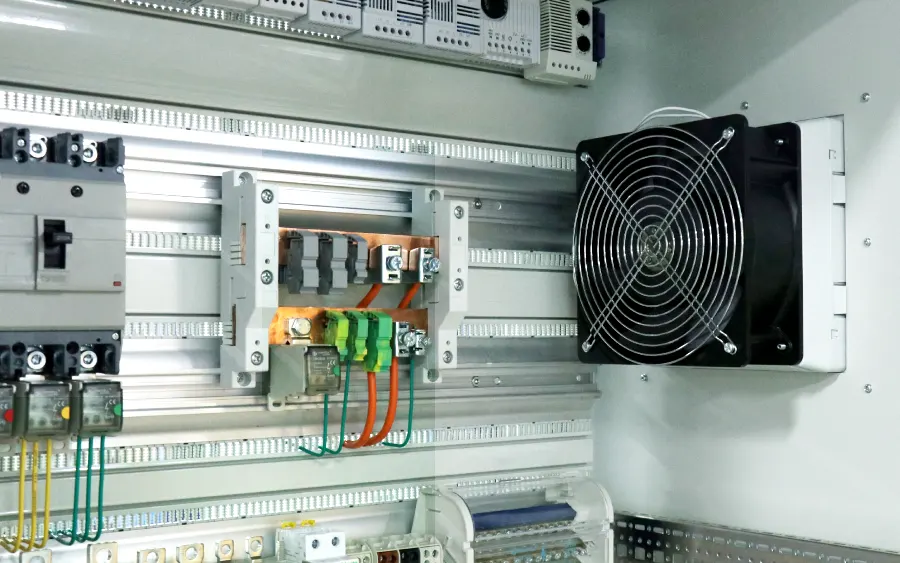
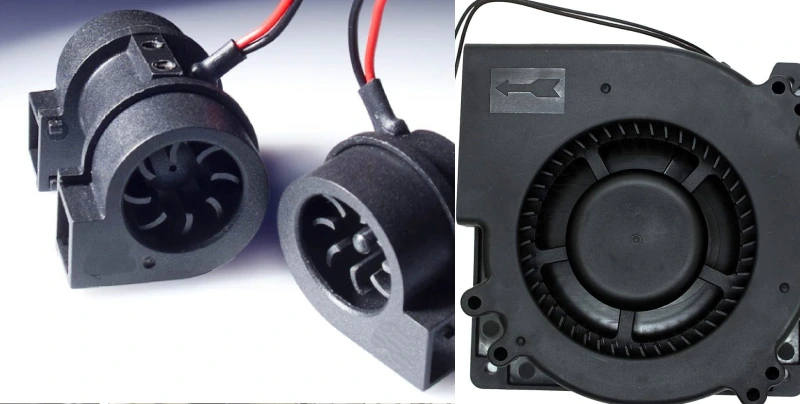
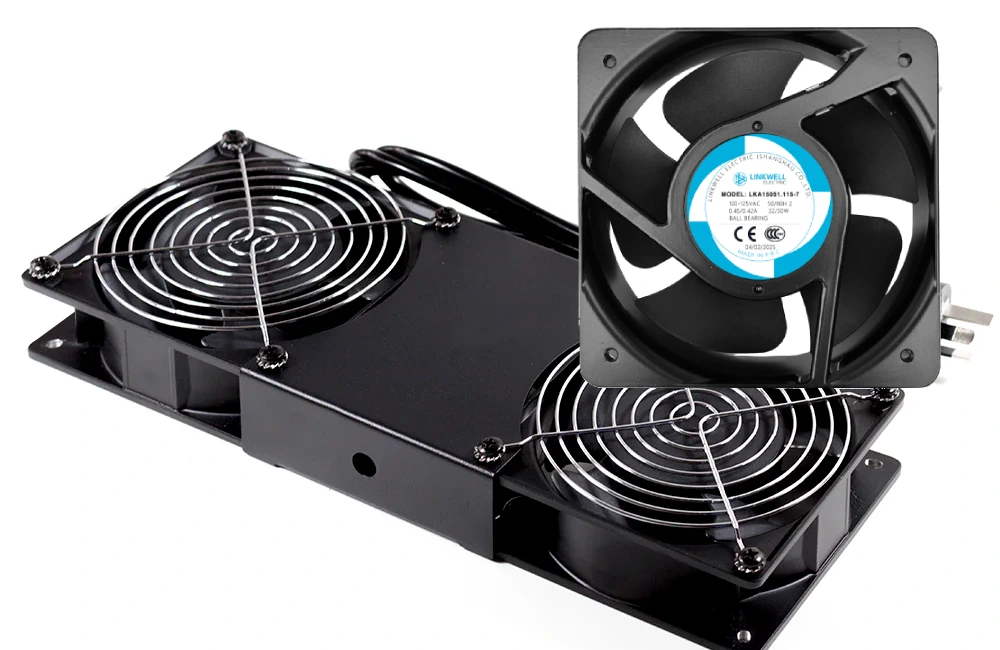
Industrial environments get hot. If you use a junction box in a factory or data center, cooling fans help control the temperature. These fans are easy to install and need little maintenance. They cost less than air conditioners and work well when temperatures rise above 80 degrees Fahrenheit. Cooling fans protect your electrical system from overheating and extend its life.
Control transformers step down voltage for control circuits. You use them to power relays, sensors, and other devices inside the junction box. This keeps your system running smoothly and safely.
Tip: Listen for buzzing or hissing sounds. These noises may signal electrical faults. Schedule regular inspections to keep your junction box safe.
Linkwell Electrical Power Distribution Box
Linkwell’s electrical power distribution box stands out for its quality and flexibility. You get certified materials that resist fire and high temperatures. Each box is tested for load capacity before shipping. Vibration-proof terminals meet international standards. You can choose DIN rail or panel-mounted designs, with multiple input and output options.
| Feature | Details |
|---|---|
| Materials | UL94-V0 fire-resistant, high-temperature certified |
| Testing | Load capacity tested before shipping |
| Terminals | Vibration-proof, international standard compliant |
| Design Options | DIN rail or panel-mounted, multiple I/O options |
| Applications | Low and high-current, industrial and commercial use |
| Customization | Reduces installation labor and wiring complexity |
| Support | Fast shipping, technical drawings, OEM services |
Linkwell boxes comply with IEC 61439 and UL 508A standards. You get reliable protection for your circuits and easy installation. If you need a junction box for a demanding environment, Linkwell offers solutions that save you time and keep your system safe.
Conclusion
Choosing between a junction box and a joint box can feel tricky, but you can make a smart decision if you know what sets them apart. Junction boxes stand out for their ability to handle complex wiring systems. You get more space for multiple connections, which means you can upgrade or change your setup later. Joint boxes work best for simple, permanent wire splicing in less demanding spots.
Let’s break down the main differences:
| Feature | Junction Box | Joint Box |
|---|---|---|
| Purpose | Used for electrical wiring connections | Used for fiber optic splices and distribution |
| Application | Found in electrical installations | Integral to fiber optic and telecommunications networks |
| Construction | Made of metal or plastic | Designed with features for fiber optic cable management |
| Environmental Protection | May not offer high protection against elements | Often weatherproof and sealed for protection |
You want to keep safety and compliance at the top of your list. Here’s what matters most:
- Junction boxes give you enhanced safety features and handle multiple connections. You should use them for complex wiring projects.
- Joint boxes are fine for basic wire splicing, especially in less demanding environments.
- Knowing these differences helps you meet safety standards and avoid costly mistakes.
If you need future access, flexibility, and reliable protection, a junction box is usually your best bet. You can trust Linkwell’s electrical power distribution box for industrial jobs. It offers certified materials, easy installation, and options for customization. You get peace of mind knowing your system meets international standards and stays safe in tough conditions.
Need help with your next project? Reach out to Linkwell for expert advice and custom solutions. Your electrical system deserves the best protection and support.
When you pick between a junction box and a joint box, think about your project’s needs. Junction boxes give you more space, better safety, and easier upgrades. Joint boxes work for simple, permanent connections. For tough jobs, Linkwell’s electrical power distribution box stands out. You get strong materials, high safety, and custom options. Here’s what to consider:
| Decision Factor | Why It Matters |
|---|---|
| Capacity & Safety | Handles more wires, protects circuits |
| Weather Resistance | Lasts longer in harsh environments |
| Customization | Fits your exact project requirements |
Need help? Linkwell’s experts can guide you to the perfect solution for your next project.
FAQ
What makes a junction box different from a joint box?
A junction box lets you connect several wires and circuits in one spot. You can open it later for repairs or upgrades. A joint box usually joins wires in a permanent way. You rarely need to access it again.
Can I use a junction box outdoors?
Yes, you can! Just pick a junction box with a high IP rating, like IP65 or IP66. These boxes keep out dust and water. Linkwell offers weatherproof options that work great for outdoor or harsh environments.
Why should I choose a metal junction box?
Metal junction boxes give you extra strength and fire resistance. You want them for factories, garages, or anywhere with tough conditions. They last longer and protect your wiring better than plastic boxes.
How do terminal blocks help inside a junction box?
Terminal blocks keep your wires neat and secure. You can organize connections, reduce clutter, and make future repairs easier. They also help you meet safety codes and lower the risk of electrical problems.
What should I check before installing a junction box?
Always check the box size, material, and IP rating. Make sure it fits your wires and matches your environment. Look for easy cable entry points and clear labels. If you need help, Linkwell’s team can guide you.