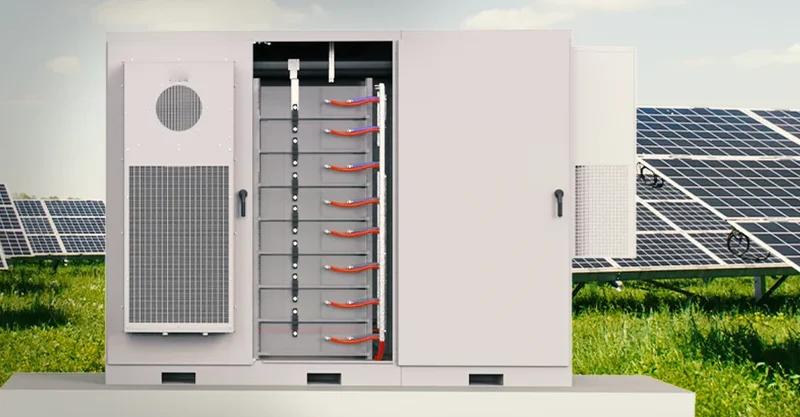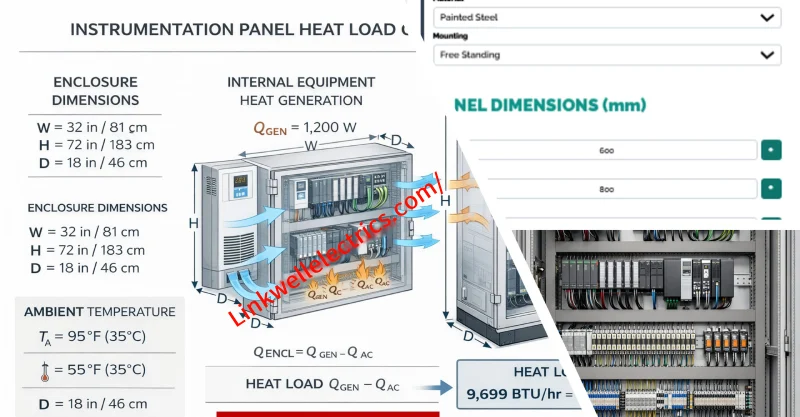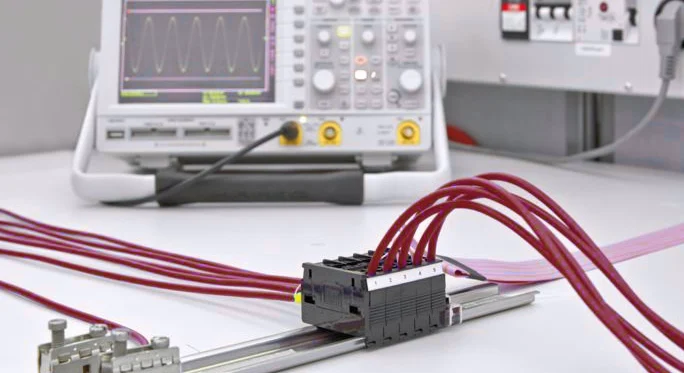
When you need a large electrical junction box, you face a choice: metal or plastic. Metal boxes give you strength and heat resistance. Plastic boxes offer lighter weight and easy handling. You want safety and durability for every electrical job. Linkwell brings you both options, backed by years of electrical expertise. Picking the right box matters for safety, electrical reliability, and your unique application. That’s why understanding Metal vs Plastic Large Electrical Junction Boxes: Pros helps you make the best decision for your electrical project.
Key Takeaways
- Metal junction boxes provide superior strength and fire resistance, making them ideal for heavy-duty and industrial applications.
- Plastic junction boxes are lightweight and corrosion-resistant, perfect for outdoor use and environments with moisture.
- Choose metal boxes for better heat dissipation and electromagnetic shielding, ensuring safety in high-impact areas.
- Select plastic boxes for easy installation and lower upfront costs, especially in residential or less demanding settings.
- Always match your junction box choice to the specific environment and electrical needs to ensure safety and reliability.
Metal vs Plastic Large Electrical Junction Boxes: Pros
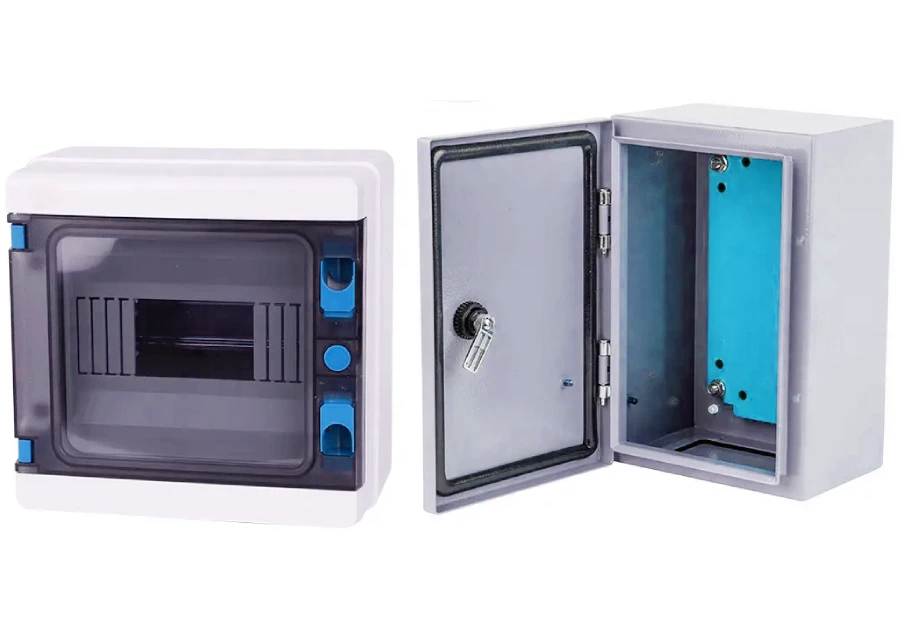
When you compare metal vs plastic large electrical junction boxes: pros, you want to know what each material brings to your electrical project. Both options have unique strengths. Your choice can affect safety, installation, and long-term performance. Let’s break down the main advantages of each type and see how Linkwell’s solutions meet top industry standards.
Metal Junction Box Advantages
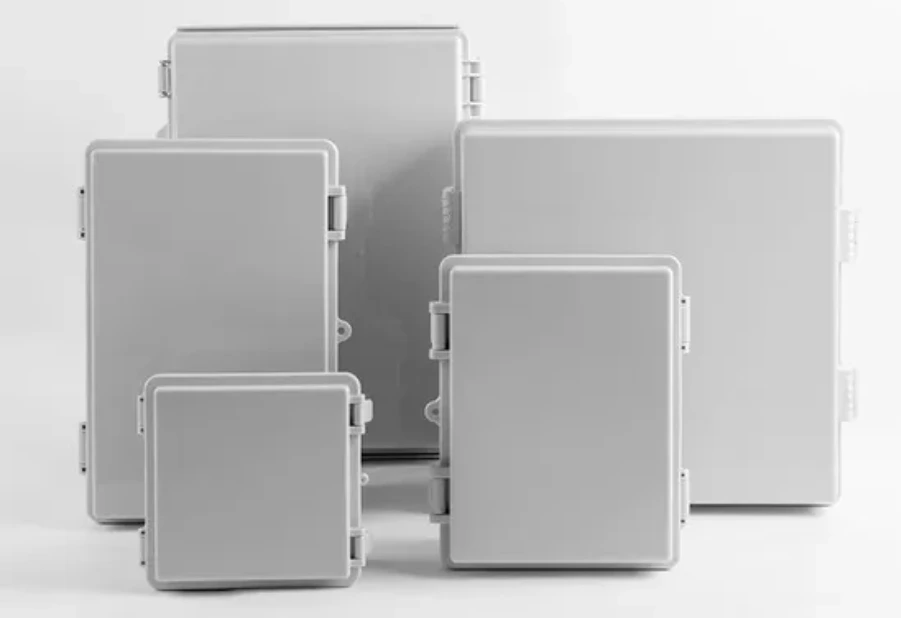
If you need strength and reliability, a metal electrical box stands out. You get a tough enclosure that protects your electrical connections in demanding environments. Here’s why many professionals choose metal for their large electrical junction boxes:
- Metal boxes handle heavy impacts and pressure. You can trust them to keep your electrical systems safe, even in busy industrial settings.
- They offer excellent fire resistance. This makes them a smart pick for commercial buildings and public spaces where safety matters most.
- Metal provides strong electromagnetic shielding. Your sensitive electrical equipment stays protected from interference.
- These boxes help dissipate heat from large currents. You reduce the risk of overheating and improve overall performance.
- Metal electrical enclosures last a long time. They resist wear and tear, so you get more value over the years.
- You can ground a metal junction box easily. This adds another layer of safety for your electrical setup.
Tip: If you work in a place with lots of machinery or high-power equipment, a metal electrical box gives you peace of mind.
Linkwell’s metal large electrical junction boxes meet strict global standards. You can see the certifications that back up their performance:
| Certification | Standard Description |
|---|---|
| UL 508A | Industrial Control Panels |
| IEC 60529 | Ingress Protection standards |
| NEMA 250 | Enclosure specifications |
| ISO 9001:2015 | Manufacturing quality systems |
| RoHS | Environmental protection compliance |
You get a product that’s tested for safety, durability, and environmental responsibility. Linkwell’s metal options are trusted by top companies worldwide.
Plastic Junction Box Advantages
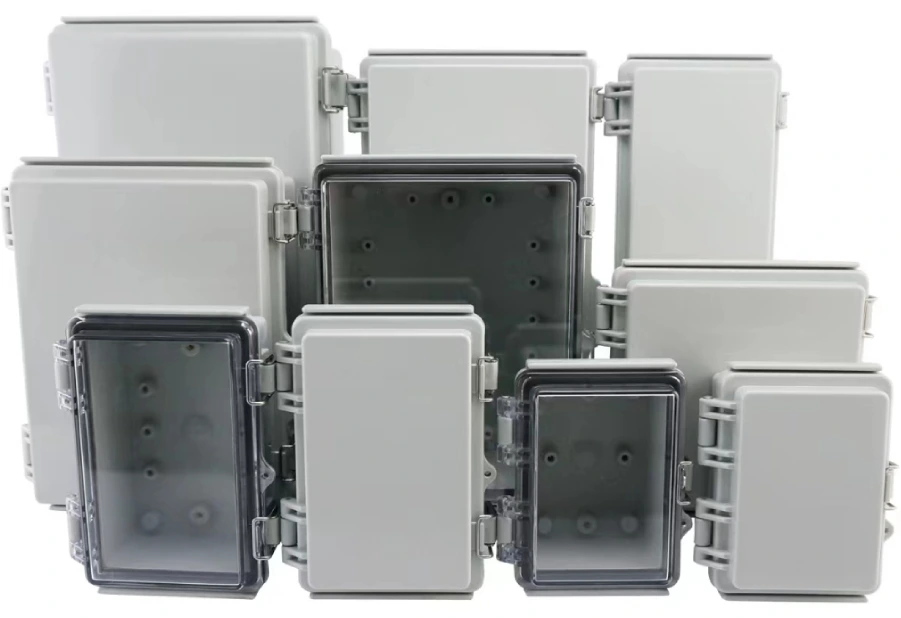
Now, let’s look at the benefits of choosing a plastic electrical box. If you want something lightweight and easy to handle, plastic offers real advantages for your electrical projects.
- Plastic boxes resist corrosion. You don’t have to worry about rust, even in humid or outdoor locations.
- They are much lighter than metal. You can carry and install them with less effort, which saves time and labor costs.
- Plastic electrical enclosures provide excellent insulation. You lower the risk of accidental shocks and improve electrical safety.
- These boxes stand up to chemicals and moisture. You get reliable performance in tough environments.
- Plastic junction boxes are non-conductive. This adds another layer of protection for your electrical wiring.
- You can use plastic boxes in places where weight matters, like on poles or walls that can’t support heavy loads.
- Plastic options often come with UV protection. Your enclosure stays strong and doesn’t crack or fade in sunlight.
Note: If you need a box for outdoor use or in a corrosive environment, a plastic electrical box can be the best choice.
Linkwell’s plastic large electrical junction boxes meet top industry requirements for safety and performance. Here’s how they stack up:
| Standard/Requirement | Description |
|---|---|
| NEC Material Specifications | Made from non-combustible, high-quality plastics for safe electrical use |
| NEC Volume and Size | Designed to fit large numbers of conductors and complex wiring |
| NEC Grounding Requirements | Built to prevent electrical shock hazards |
| UL Safety Assurance | Rigorously tested for fire resistance and reliability |
| IEC Standards | Meet global guidelines for electrical installations |
| ISO Certifications | Manufactured under strict quality management systems |
You get a plastic electrical box that’s built for performance, safety, and long-term use. Linkwell’s products are ready for your most demanding electrical projects.
When you weigh metal vs plastic large electrical junction boxes: pros, you see that both materials offer strong performance. Linkwell gives you the flexibility to choose the right electrical enclosure material for your needs, whether you want the strength of metal or the versatility of plastic. Every large electrical junction box from Linkwell is designed to meet or exceed industry standards, so you can focus on getting the job done right.
Material Strength
Structural Integrity of Metal Boxes
When you look at metal large electrical junction boxes, you see real strength. Metal boxes stand up to tough conditions and keep their shape, even when you drop them or hit them by accident. You can count on them in places where heavy equipment moves around or where people might bump into the box. Here’s what makes metal boxes a top choice for structural integrity:
- Metal boxes are rigid and can handle mechanical abuse without bending or breaking.
- They keep their shape over time, even after years of use.
- Metal boxes work well in harsh environments where you need extra protection for your electrical connections.
If you want a box that can take a beating and still protect your electrical system, metal is the way to go.
Durability of Plastic Boxes
Plastic large electrical junction boxes bring their own set of strengths. You get a box that is much lighter, which makes installation easier. Plastic boxes resist rust and corrosion, so you can use them outdoors or in damp places without worry. They also provide great insulation for your electrical wiring. However, plastic boxes can crack or warp if you put them under heavy load or expose them to high heat. In industrial settings, some plastic boxes can handle loads up to 150 pounds, which is enough for many electrical jobs. You can use them for solar inverters, pumps, or other equipment that needs a reliable enclosure. Still, plastic boxes may not keep their shape as well as metal boxes after repeated stress.
Linkwell’s Material Options
Linkwell gives you a wide range of material choices for your large electrical junction box. You can pick from metal options like aluminum, steel, brass, copper, and bronze, or go with high-quality plastic. Each material fits different electrical needs and environments.
| Material | Characteristics | Applications |
|---|---|---|
| Copper | Excellent conductivity and corrosion resistance | Specialized applications, particularly where high conductivity is needed. |
| Aluminum | Lightweight, corrosion-resistant, good durability | Indoor and some outdoor applications, especially where rust is a concern. |
| Steel | Robust, excellent physical protection, durable | Commonly used with metal conduit systems, providing a grounded pathway. |
| Brass | Superior resistance to corrosion in harsh environments | Specialized applications, particularly in marine or industrial settings. |
| Bronze | Similar to brass, with excellent corrosion resistance | Used in highly corrosive environments, such as underwater applications. |
You can see that Linkwell’s metal and plastic boxes meet the needs of many electrical projects. If you want to compare strength, check out this table:
| Material | Tensile Strength (MPa) |
|---|---|
| Aluminum Alloy (6061-T6) | 275 |
| ABS (with 10% glass fiber) | 55 |
This shows that metal boxes offer much higher strength, but plastic boxes still provide enough durability for many electrical uses. You get to choose the right balance for your project.
Durability & Environment
Corrosion & Moisture Resistance
You want your electrical connections to stay safe, even when the environment gets tough. Corrosion and moisture can ruin a box if you pick the wrong material. Metal large electrical junction boxes, especially those made from aluminum or stainless steel, stand up well to rust and corrosion. You can trust them in factories, outdoor sites, or anywhere water might be a problem. Plastic large electrical junction boxes also shine here. They never rust, and they resist most chemicals and moisture. You can use them in damp basements, near water pumps, or outside in the rain.
Here’s a quick look at how these boxes perform:
| Feature | Description |
|---|---|
| Material | Durable ABS Construction, strong, lightweight, and corrosion-resistant |
| Waterproof Rating | IP65 Waterproof & Dustproof, protects against rain, splashes, and debris |
You get peace of mind knowing your electrical system stays dry and protected, whether you choose metal or plastic.
UV & Weather Protection
Sun, wind, and rain can wear down any electrical enclosure. Metal large electrical junction boxes usually handle outdoor weather better over time. They resist UV rays naturally and keep their strength, even after years in the sun. Plastic large electrical junction boxes need UV stabilizers to last outdoors. If you pick a plastic box, make sure it’s rated for UV and weather protection.
Check out this comparison:
| Property | Plastic Junction Boxes | Metal Junction Boxes |
|---|---|---|
| UV Resistance | Requires UV stabilizers | Naturally resistant |
| Long-term Outdoor Performance | Less durable | More durable |
- You can use plastic boxes outside, but always check for UV-stabilized materials and the right rating.
- Metal boxes give you better long-term performance in harsh weather.
You want your electrical enclosure to last, so always match the box to your environment.
Linkwell’s IP & NEMA Ratings
Linkwell engineers every large electrical junction box for extreme conditions. You get options in both metal and plastic, each built to shield your electrical connections from dust, water, and impact. Linkwell uses cast and die-cast aluminum for metal boxes, giving you top durability and corrosion resistance. Plastic boxes use high-quality ABS or polycarbonate, so you get lightweight strength and chemical resistance.
Every Linkwell box comes with industry-leading ratings:
- IP65, IP66, and IP67 for dust and water protection
- NEMA 4 and 4X for outdoor and washdown environments
You can trust these boxes in wind farms, solar fields, EV charging stations, and more. Linkwell’s certifications mean your electrical system stays safe, no matter the challenge.
Thermal & Fire Safety
Heat Dissipation in Metal Boxes
When you work with large electrical junction boxes, heat management becomes a big deal. Metal boxes help you control heat better than plastic ones. The metal surface pulls heat away from your electrical connections. You get less risk of overheating, especially when you run high currents or pack in a lot of wiring. If you install a metal box in a busy industrial area, you notice it stays cooler. That means your electrical system works longer and stays reliable. Metal boxes also handle sudden temperature changes without warping or cracking.
Tip: If you want the best heat dissipation for your electrical setup, choose a metal box for heavy-duty jobs.
Fire Resistance Comparison
You care about safety every time you set up an electrical enclosure. Metal boxes give you strong fire resistance. They don’t burn or melt when exposed to high heat. If a fire starts near your electrical equipment, a metal box helps contain the damage. Plastic boxes offer good insulation, but some types can melt if the temperature gets too high. Many plastic boxes use flame-retardant materials, so they slow down fire spread. You should always check the fire rating before you pick a plastic box.
Here’s a quick table to help you compare:
| Feature | Metal Box | Plastic Box |
|---|---|---|
| Fire Resistance | Excellent | Good (with flame retardant) |
| Melting Point | Very High | Lower |
| Insulation | Moderate | Excellent |
Application Scenarios for Linkwell Boxes
You want the right box for your electrical project. Metal boxes work best in places with high heat, heavy machinery, or strict safety rules. You see them in factories, power plants, and commercial buildings. Plastic boxes fit outdoor setups, solar fields, and places where you need lightweight enclosures. Linkwell offers both metal and plastic options, so you always find the right fit. You get boxes that meet global safety standards and keep your electrical system protected.
Note: Always match your box to your environment and safety needs. Linkwell helps you choose the best metal or plastic enclosure for every electrical job.
Cost & Value
Upfront Cost Differences
When you compare metal and plastic large electrical junction boxes, you notice the cost right away. Metal boxes usually have a higher price tag. You pay more for the strength and durability that metal brings to your electrical setup. Plastic boxes cost less at the start. If you want to save money on your project, plastic might look like the better choice. The cost of the box depends on the size, material, and features you need. You should always check what fits your budget and your electrical requirements.
| Box Type | Upfront Cost | Typical Use Cases |
|---|---|---|
| Metal | Higher | Industrial, heavy-duty |
| Plastic | Lower | Residential, outdoor, light |
Long-Term Value & Maintenance
You want your electrical system to last. Metal boxes give you long-term value because they resist damage and wear. You spend less time fixing or replacing them. Plastic boxes need less maintenance since they never rust. You clean them easily, and they stand up to moisture. If you use your box outdoors or in wet places, plastic can save you trouble. Metal boxes work best in places with lots of equipment or where safety matters most. You get peace of mind knowing your electrical connections stay protected.
Tip: Think about where you will install your box. If you need something for a tough environment, metal pays off over time. If you want easy care, plastic works well.
Linkwell’s Cost-Effective Solutions
Linkwell helps you find the right balance between cost and performance. You get metal and plastic large electrical junction boxes that meet global standards. Linkwell offers boxes with strong protection, flexible sizes, and easy installation. You choose the material that fits your electrical project and budget. Linkwell’s boxes come with certifications, so you know you get quality and safety. You save money in the long run because Linkwell designs boxes for durability and low maintenance. Whether you pick metal or plastic, you get a cost-effective solution for your electrical needs.
- Metal boxes: Best for high-impact, industrial jobs.
- Plastic boxes: Great for outdoor, moisture-prone areas.
You can contact Linkwell for advice on the best box for your electrical project. You get support and customization to make sure your box fits your needs.
Installation & Safety
Ease of Installation
When you start your next electrical project, you want a junction box that makes installation simple. Many do-it-yourself electricians like plastic boxes because they are lightweight and easy to handle. You can cut holes for wires with basic tools. Plastic boxes often come with built-in cable clamps, which save you time. Metal boxes feel heavier and need a bit more effort to mount, but they give you a solid base for your electrical connections. If you work in a place with lots of vibration or heavy equipment, metal boxes stay put and keep your wiring safe. Both metal and plastic boxes from Linkwell come with clear instructions, so even do-it-yourself electricians can get the job done right.
Grounding & Code Compliance
You always want to follow code and keep your electrical system safe. Grounding rules change depending on the box you use. Here’s a quick table to help you see the difference:
| Junction Box Type | Grounding Requirement | Wiring Systems Used |
|---|---|---|
| Plastic | Not required | NM (Romex) |
| Metal | Required | BX/AC or MC cable |
If you pick a plastic box, you don’t need to ground it. This makes things easier for do-it-yourself electricians. Metal boxes must be grounded for safety. You connect a ground wire to the box to protect against shocks. Always check your local codes before you start any electrical work. Linkwell designs both metal and plastic boxes to meet strict safety standards, so you can trust your installation.
Linkwell’s Customization & Support
Every electrical job is different. Sometimes you need a special setup. Linkwell offers many ways to customize your metal or plastic large electrical junction box. You can choose custom busbar configurations, terminal layouts, and even special labeling. Here’s a look at what you get:
| Customization Options | Technical Support |
|---|---|
| Custom busbar configurations | Load calculations support |
| Custom terminal layouts | Installation assistance |
| Custom labeling options |
- Linkwell’s experts can guide you to the perfect solution for your next project.
- You get help with installation and technical questions.
- You can always reach out for advice on safety or electrical design.
With Linkwell, you get more than just a box. You get support, customization, and peace of mind for every electrical project.
Choosing the Right Box
Application-Based Recommendations
You want the best fit for your electrical project, so let’s look at how to match the right box to your needs. When you choose between metal and plastic, think about the job site, the wiring type, and the environment.
- If you work with heavy machinery or need extra strength, metal boxes give you the durability you want. These boxes handle impacts and harsh conditions in industrial settings.
- For outdoor jobs or places with lots of moisture, plastic boxes shine. They never rust and resist chemicals, making them perfect for wet or corrosive areas.
- Weight matters, too. Plastic boxes are much lighter, so you can install them quickly, even in hard-to-reach spots.
- Safety is key. Plastic boxes are non-conductive, so you lower the risk of electrical shock. Metal boxes need grounding, but they offer better shielding from electromagnetic interference.
- If you use metal-sheathed cable or conduit, metal boxes are the standard. For Romex or non-metallic cables, plastic boxes work best.
- Need to hang a ceiling fan or heavy fixture? Choose a box designed for that load, often metal for extra support.
- Weatherproof boxes, often plastic, keep your electrical connections safe outdoors.
Tip: Always check the environment and wiring type before you pick your box. The right choice keeps your electrical system safe and reliable.
Quick Reference Table
Here’s a handy table to help you compare metal and plastic large electrical junction boxes for different environments and needs:
| Property | Plastic Junction Boxes | Metal Junction Boxes |
|---|---|---|
| Corrosion Resistance | Excellent – immune to rust | Varies – needs coating or treatment |
| Impact Resistance | Good to Excellent (depends on type) | Excellent (very durable) |
| Temperature Range | -20°C to 60°C (standard) | -40°C to 200°C+ (depends on alloy) |
| UV Resistance | Needs UV stabilizers | Naturally resistant |
| Electrical Conductivity | Non-conductive (insulating) | Conductive (requires grounding) |
| Flame Resistance | Self-extinguishing (UL94 rated) | Non-combustible |
| Weight | Lightweight, easy to install | Heavier, more robust |
| EMI/RFI Shielding | Not provided | Excellent |
This table makes it easy to see which box fits your electrical project. Metal boxes give you strength and shielding. Plastic boxes offer light weight and corrosion resistance. You get the best results when you match the box to your specific electrical needs.
Conclusion
You have a big decision when picking between metal and plastic large electrical junction boxes. Both options give you strong benefits for your electrical projects. Metal boxes bring you unmatched strength and long-lasting protection. You can trust them in tough places where heavy equipment runs or where you need extra shielding. Plastic boxes offer you lightweight handling and easy installation. You get great resistance to rust and chemicals, which makes them perfect for outdoor or wet spots.
When you think about safety, both metal and plastic boxes keep your electrical connections secure. Metal boxes help with heat and fire resistance. Plastic boxes give you extra insulation and protect you from shocks. You want to match your box to your job site, wiring type, and the environment. If you need a box for heavy-duty electrical work, metal is your best friend. If you want something for outdoor use or where weight matters, plastic is the way to go.
Here’s a quick checklist to help you decide:
- Do you need extra strength and fire resistance? Choose metal.
- Do you want easy installation and rust-proof protection? Go with plastic.
- Will your box face harsh weather or chemicals? Plastic works well.
- Are you working in a high-heat or high-impact area? Metal stands strong.
Remember: The right choice keeps your electrical system safe and reliable. Linkwell offers both metal and plastic large electrical junction boxes, so you always find the perfect fit. If you have questions or need a custom solution, reach out to Linkwell’s team. You get expert support every step of the way.
Choosing between metal and plastic large electrical junction boxes shapes your electrical project’s success. Metal boxes give you robust protection, superior thermal management, and long service life. Plastic boxes offer lightweight handling, corrosion resistance, and easy installation. Here’s a quick comparison:
| Feature | Metal Junction Boxes | Plastic Junction Boxes |
|---|---|---|
| Durability | High | Moderate |
| Installation | Heavier, needs grounding | Lightweight, no grounding |
| Environmental Fit | Extreme conditions | Moisture/corrosion areas |
You want the right electrical solution for your environment. Linkwell’s metal and plastic electrical junction boxes meet global standards and fit any industrial need. Think about your electrical application, safety, and environment. Reach out to Linkwell for custom electrical solutions and expert support.
FAQ
What is the main difference between metal and plastic large electrical junction boxes?
You get more strength and heat resistance with a metal box. A plastic box gives you lightweight handling and better corrosion resistance. Both types protect your electrical connections, but you should pick the one that fits your job and environment.
Can I use a plastic junction box for outdoor electrical projects?
Yes, you can use a plastic box outside. Make sure you choose a plastic box with UV protection and a high IP rating. This keeps your electrical system safe from rain, sun, and dust. Plastic boxes work well for many outdoor electrical setups.
Do metal junction boxes need grounding?
You must ground a metal box for safety. This protects you from electrical shock and meets code requirements. Plastic boxes do not need grounding because plastic does not conduct electricity. Always check your local electrical codes before starting your project.
Which is easier to install: metal or plastic electrical boxes?
You will find plastic boxes easier to install because they are lighter and simpler to cut. Metal boxes take more effort to mount but offer extra strength. Both types keep your electrical wiring safe, so choose the one that matches your installation needs.
When should I choose a metal box over a plastic one?
Pick a metal box if you need extra strength, fire resistance, or electromagnetic shielding. Use a plastic box when you want lightweight handling, corrosion resistance, or easy installation. Think about your electrical project’s location and safety needs before you decide.