You might wonder what is a limit switch and why it matters for your electrical cabinet. A limit switch helps you boost safety by making sure the cabinet door stays secure. When you install one, you get better protection for equipment and people. Linkwell offers reliable solutions that make your operations smoother. Think about how a simple device can help you meet compliance standards and keep your workplace safe.
Key Takeaways
- Limit switches enhance safety by disconnecting power when the cabinet door opens, preventing electrical shocks.
- They improve access control by accurately sensing door positions, ensuring only authorized personnel can access sensitive areas.
- Limit switches protect equipment by halting operations if the door opens unexpectedly or if force thresholds are exceeded.
- Choosing high-quality limit switches from trusted brands like Linkwell ensures reliability and compliance with safety standards.
- Regular maintenance and proper installation of limit switches are crucial for optimal performance and safety in electrical cabinets.
What is a limit switch
Basic definition
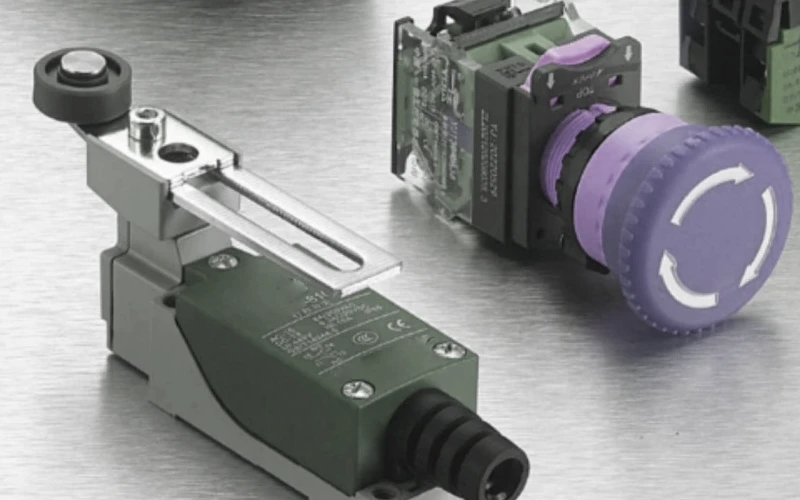
You might ask yourself, what is a limit switch? In simple terms, a limit switch is an electro-mechanical device that responds to physical movement. You usually find it inside an electrical cabinet, attached to the door or frame. When the door moves, the switch detects this action and changes the state of an electrical circuit. This change can turn power on or off, send a signal, or trigger an alarm. The main functions of a limit switch include keeping people safe, protecting equipment, and helping you follow safety standards.
Limit switches play a key role in electrical cabinet safety. When you open the cabinet door, the switch disconnects power. This prevents electrical shocks and keeps your equipment safe. You can rely on Linkwell’s expertise to provide high-quality limit switches for your cabinets. These devices are essential for anyone who wants to improve safety and reliability in their operations.
How does a limit switch work
Now, let’s look at how does a limit switch work. The device uses a combination of mechanical and electrical parts to perform its functions. Here are the main components and how they operate:
- Actuator: This part touches the moving door and receives mechanical force.
- Contacts: These internal connections open or close depending on the actuator’s position.
- Housing: The outer shell protects the switch from dust, moisture, and other environmental factors.
- Terminals: You use these points to connect the switch to your control system.
The functions of a limit switch depend on its design and placement. When you close the cabinet door, the actuator gets pressed. This action causes the contacts to close, allowing electricity to flow. If you open the door, the actuator releases, and the contacts open, stopping the flow of electricity. This simple process helps you control access, protect equipment, and maintain safety.
Here’s a quick look at how the mechanical action translates into an electrical signal:
| Door Position | Actuator Action | Electrical Contact State |
|---|---|---|
| Door Closed | Door presses the switch’s actuator inward | Contacts typically closed |
| Door Opened | Door moves away, actuator extends plunger | Contacts change state (open) |
You can choose from different types of limit switches depending on your needs. Some switches respond quickly, which is important if you want fast system speed and accuracy. Most limit switches for electrical cabinet doors handle voltages from 125VAC to 600VAC and currents up to 10A. These ratings make them suitable for many industrial applications.
- If you need fast response, look for limit switches with short response times. This feature improves the speed and accuracy of your system.
Limit switches offer several functions that make your electrical cabinet safer and more efficient. You can use them for safety interlocking, access control, and equipment protection. Linkwell provides reliable solutions that meet industry standards and help you achieve your safety goals.
Limit switch role in cabinet doors
Safety interlocking
You want to keep your workplace safe, right? That’s where safety interlocks come in. When you install a limit switch on your electrical cabinet door, you create a strong safety device that protects both people and equipment. The switch acts as a guard, making sure the cabinet door stays closed before any machine starts running. If someone tries to open the door while the system is active, the limit switch will stop the operation immediately. This feature helps you avoid accidents and keeps operator safety at the top of your priorities.
Tip: Safety limit switches are essential for machine safety. They work with other safety devices, like emergency stop switches, to create a complete safety system. You can trust these safety interlocks to prevent unexpected starts and keep personnel safety in check.
Access control
You need to control who gets inside your electrical cabinet. Limit switches make this easy. They sense the exact position of the door, so you know when it’s open or closed. This accuracy helps you manage access and keep unauthorized people out. Here’s how limit switches improve access control in industrial applications:
- They provide accurate position sensing, so you know the door is securely closed before machinery operates.
- They trigger alarms or shutoffs if someone opens the door unexpectedly, which helps you respond to emergencies fast.
- Their durability and versatility make them perfect for different applications, including access control systems.
With these features, you can keep your equipment safe and make sure only trained personnel get access. You also boost personnel safety and meet compliance standards for your facility.
Equipment protection
You want your equipment to last as long as possible. Limit switches help you do that. They act like a safety net, stopping operations if something goes wrong. For example, if the door opens or a force threshold is exceeded, the switch will stop the machine to prevent damage. This function is similar to how a safety valve works in a pressure cooker—it prevents accidents before they happen.
- Limit switches halt operations when a predefined force threshold is exceeded, protecting your equipment from harm.
- They serve as safety interlocks, stopping machine parts from moving further when a specific point is reached.
- In real-world applications, like automatic garage doors, limit switches prevent the door from crashing into the ground, which could cause serious damage.
You can rely on these safety devices to keep your electrical cabinet and equipment safe. They play a big role in emergency situations, giving you time to react and protect your assets. By using safety limit switches, you improve machine safety and ensure personnel safety every day.
Limit switch applications by Linkwell
Electromechanical door limit switches
You want your electrical cabinet to meet safety and reliability standards. Electromechanical door limit switches help you do that. These switches use mechanical movement for sensing the position of the cabinet door. When the door opens or closes, the switch sends a signal to your control system. You get accurate sensing and quick response. This makes them perfect for electrical panels and other industrial applications. You can use them for access control, equipment protection, and safety interlocking. Electromechanical door limit switches work well in real-world applications where you need dependable sensing and long-lasting performance.
Linkwell product solutions
If you need limit switch applications that fit specific application requirements, Linkwell offers a range of solutions for electrical cabinet doors. You get products with high light efficiency, waterproof cable heads, and smooth movement. The switches use precision stainless steel punch technology and flame retardant ABS material. You can rely on them for up to 1 million cycles. Here’s a quick look at what makes Linkwell’s limit switch solutions stand out:
| Feature | Description |
|---|---|
| Small size | High light efficiency |
| Cable head | High quality nylon waterproof |
| Movement | Smooth movement, stable performance |
| Switch | Precision stainless steel punch switch |
| Switch life | Up to 1 million times |
| Material | High performance flame retardant ABS |
You also get durability and reliability that match other leading brands. Linkwell’s limit switch applications offer more than 10 million mechanical operations and over 500,000 electrical operations. They work in temperatures from -10 to +70 °C and have IP 65 protection. Take a look at how they compare:
| Specification | Linkwell’s Limit Switches | Other Leading Brands |
|---|---|---|
| Mechanical Service Life | > 10,000,000 operations | Comparable |
| Electrical Service Life | > 500,000 operations | Comparable |
| Operating Temperature | -10 to +70 °C | Similar |
| Degree of Protection | IP 65 | Similar |
Note: You can choose the right limit switch for your electrical panels and panel doors, knowing Linkwell meets your specific application requirements.
Industry use cases
You see limit switch applications in many industries. Electrical cabinet doors in wind power, energy storage, and automated robotics use these switches for sensing and control. You find them in electrical panels for access control and equipment protection. In real-world applications, Linkwell’s limit switch solutions help you keep your operations safe and efficient. You get reliable sensing, long service life, and easy integration with your panel systems. If you want to improve safety and meet industry standards, Linkwell’s limit switch applications give you the confidence to handle any challenge.
Installation & maintenance
Installation steps
You want your electrical cabinet to work safely and reliably. Installing a limit switch is a smart move. Start by choosing the right spot on the cabinet door or frame. Use a template to mark the placement. Pre-drill pilot holes to avoid cracks and keep everything lined up. Pick screws and fasteners that match your cabinet’s material. This helps you avoid loose hardware and damage.
Here’s a quick table showing common mistakes you should avoid:
| Mistake | Description |
|---|---|
| Incorrect Placement and Alignment | Use templates for accuracy and comfort. |
| Skipping the Pilot Holes | Pre-drill to prevent cracks and misalignment. |
| Using the Wrong Hardware | Choose screws that fit your cabinet’s material. |
Tip: Linkwell’s support team can help you pick the best mounting hardware and guide you through installation.
Adjustment tips
After mounting the switch, you need to check its alignment and actuation. You want the switch to respond every time the door moves. Here’s how you can verify the setup:
- Adjust the plunger so it gets pressed to the right distance. Test it several times.
- If you use a lever with a roller, check the angle and make sure it works through the full door path.
- For rotary switches, confirm the switch activates at the right point and the lever doesn’t go past its limits.
- If you have a cable-pull switch, pull the cable at different spots to see if it works and resets.
- Make sure adjustable rods stay secure and don’t change length during use.
Note: Linkwell’s limit switches are designed for easy adjustment and long-lasting performance.
Maintenance and troubleshooting
Regular checks keep your electrical cabinet safe and your limit switch working. Look for poor contact, stuck rods, electrical faults, or signs of corrosion. If you notice mechanical wear, electrical overload, or physical damage, fix these issues right away. Here’s a table of common problems:
| Maintenance Issue | Description |
|---|---|
| Poor contact | Weak electrical connection can cause failure |
| Stuck contact rods | Mechanical problems stop proper operation |
| Electrical faults | Short or open circuits disrupt function |
| Environmental damage | Corrosion or overheating affects performance |
If you want to determine whether or not a limit switch is bad, check for these issues. Replace any damaged parts and test the switch after repairs. Linkwell’s products offer reliable operation and easy troubleshooting, so you can keep your cabinet running smoothly.
Conclusion
You have seen how a limit switch can make a big difference in your electrical cabinet. This small device gives you more control and helps you keep your workplace safe. When you use a limit switch, you protect your equipment and your team. You also meet important safety standards, which means fewer worries for you.
Let’s recap the main benefits you get:
- You improve safety by stopping machines when the cabinet door opens.
- You control access, so only trained people can reach sensitive parts.
- You protect your equipment from damage and downtime.
Remember: Choosing a high-quality limit switch from a trusted brand like Linkwell helps you avoid problems and keeps your operations running smoothly.
If you want to upgrade your electrical cabinet, Linkwell offers reliable solutions. You get products that last, work in tough conditions, and fit many types of cabinets. Linkwell’s support team is ready to help you pick the right switch and answer your questions.
Here’s a quick checklist to help you decide if you need a limit switch:
| Question | Yes | No |
|---|---|---|
| Do you want better safety? | ☐ | ☐ |
| Is equipment protection important? | ☐ | ☐ |
| Do you need to control access? | ☐ | ☐ |
If you answered “yes” to any of these, it’s time to consider adding a limit switch to your electrical cabinet. You will see the benefits right away. Your team stays safe, your equipment lasts longer, and your business meets industry standards.
Ready to take the next step? Visit Linkwell’s website or reach out to their support team. You can make your workplace safer and more efficient today.
You get a lot of value when you add a limit switch to your electrical cabinet. Here’s what you gain:
- You boost safety by stopping accidents before they happen.
- You improve efficiency with automatic detection and fewer errors.
- You extend the life of your equipment with reliable operation.
When you choose a quality product, like those from Linkwell, you make sure your system works in tough environments and meets important standards.
| Factor | Why It Matters |
|---|---|
| Environment | Handles heat, moisture, and chemicals |
| Electrical ratings | Matches your system’s power needs |
| Certifications | Meets safety and compliance rules |
Ready to make your workplace safer and more efficient? Limit switches help you get there.
FAQ
What does a limit switch do on an electrical cabinet door?
A limit switch detects when the cabinet door opens or closes. You get automatic control over power and safety systems. This helps you protect equipment and keep people safe.
How do I know if my limit switch needs replacing?
You might notice the switch doesn’t respond when you open or close the door. If alarms fail or the system doesn’t shut off, check for damage or wear. Replace the switch if problems continue.
Can I install a limit switch myself?
You can install one if you follow the instructions and use the right tools. Always turn off power before starting. If you feel unsure, ask a professional or contact Linkwell’s support team for help.
What maintenance does a limit switch require?
You should check the switch for dust, corrosion, or loose wires. Test its response regularly. Clean and tighten connections as needed. Replace any damaged parts to keep your cabinet safe.
Where can I find support for limit switch installation?
You can reach out to Linkwell’s support team by phone or email. They offer guidance, product recommendations, and troubleshooting tips. Visit their website for more resources and contact details.