When comparing terminal block vs terminal strip, the main difference lies in safety, insulation, and application. Terminal blocks provide insulated, modular connections for industrial systems, while terminal strips are simpler and used for basic wiring tasks. Choosing the right option depends on your voltage requirements, environment, and installation complexity.
In this guide, you will clearly understand the differences, advantages, and how to select the right solution for your application.
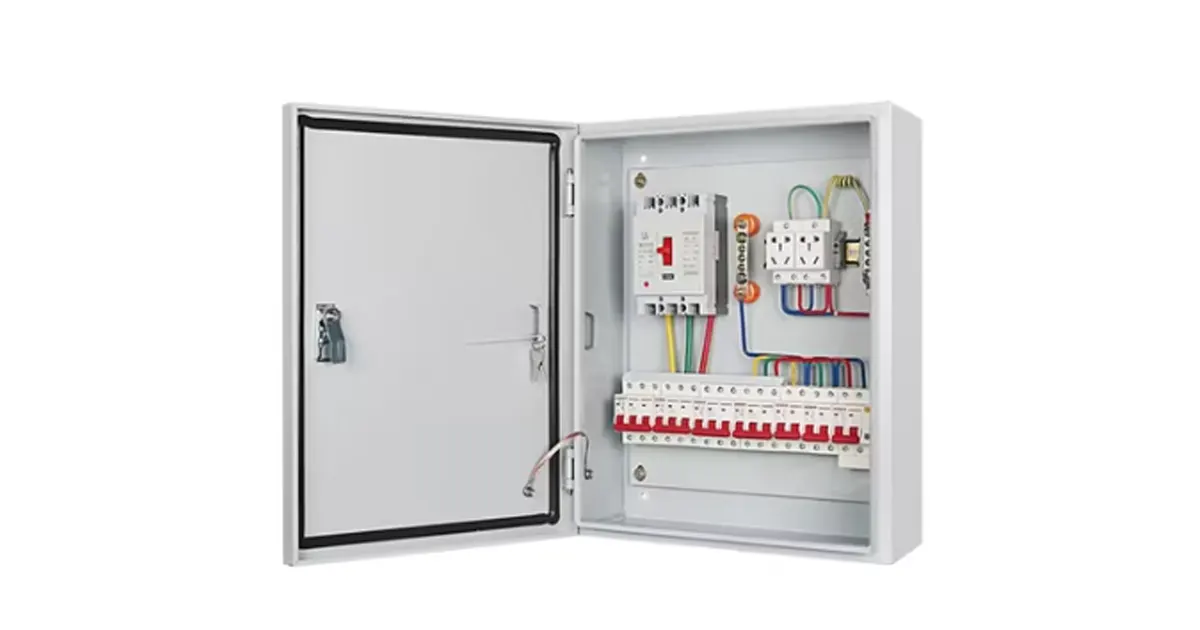
In the control cabinet, the terminal block is a particularly important component
This blog will delve into the fundamental differences between terminal blocks and terminal strips, exploring their construction, capabilities, and ideal use cases to help you make an informed decision for your specific wiring needs in Japan.
The “Project Profile” Quick Guide
H2: Terminal Block vs Terminal Strip: Quick Comparison
| Feature | Terminal Block | Terminal Strip |
|---|---|---|
| Insulation | Fully insulated | Minimal or no insulation |
| Safety | High (industrial-grade) | Lower |
| Application | Industrial, control panels | Basic wiring |
| Modularity | High (expandable) | Limited |
| Installation | More structured | Simple |
| Cost | Higher | Lower |
What is a Terminal Block
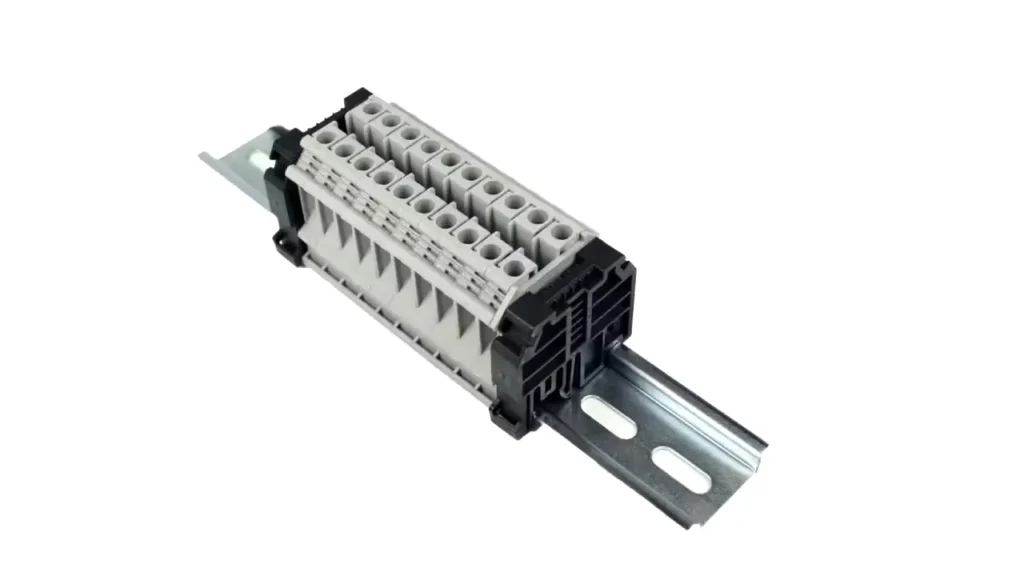
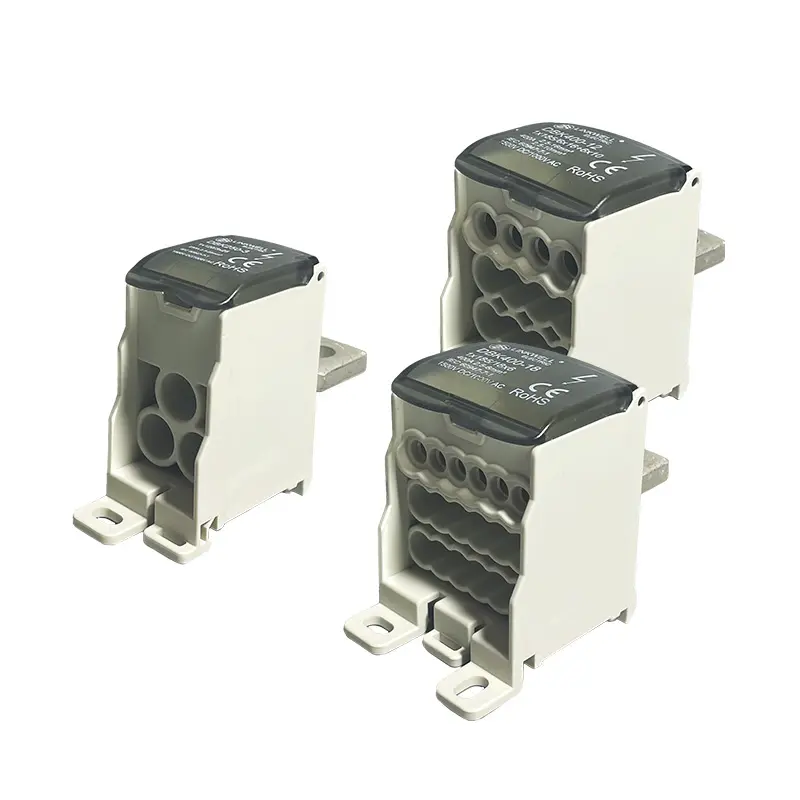
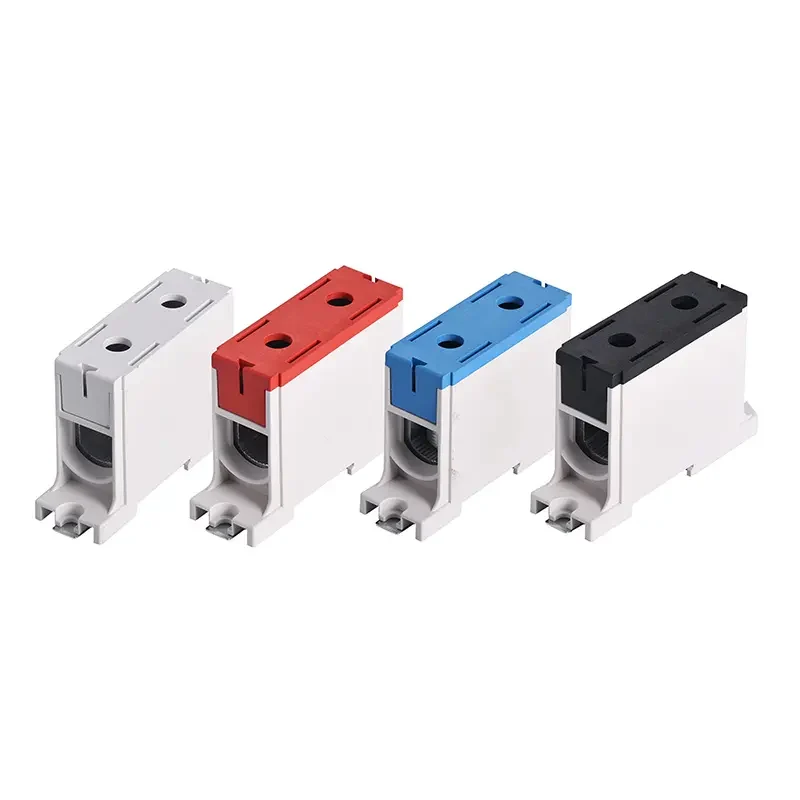
A terminal block is a modular, insulated electrical connector designed to secure and organize two or more wires within a circuit.
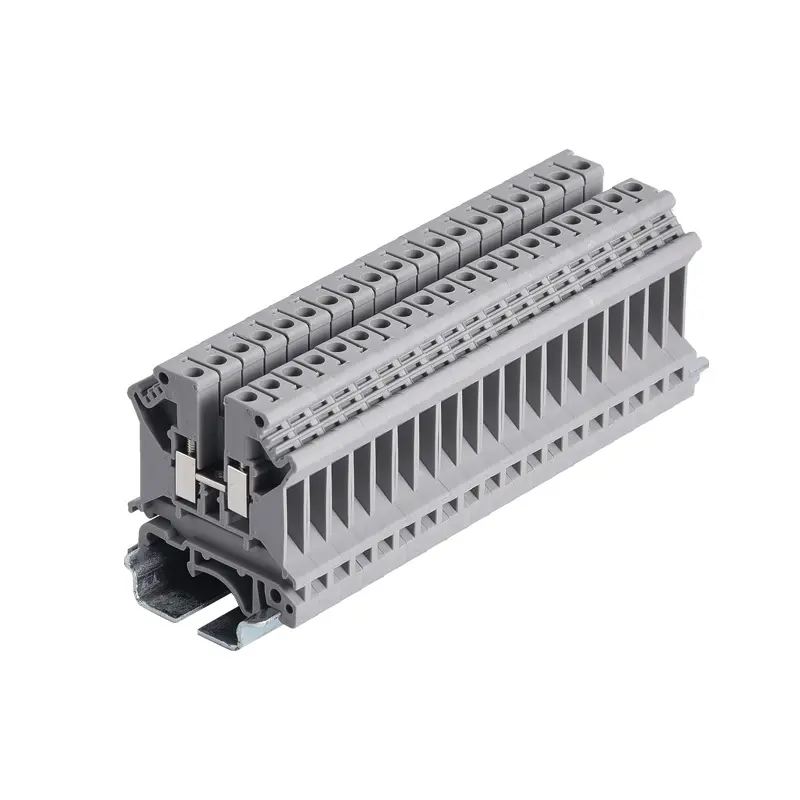
Terminal blocks support modular installation, making them ideal for complex electrical systems that require organized and expandable wiring.
Recommended Terminal Blocks
Electrical Uses
People use terminal blocks in lots of electrical jobs. They are common in control panels and machines. You also see them in building wiring systems. Terminal blocks help connect wires in power boards. You can add or remove wires as your system changes. They work for both signal and power wires. You often find them in automation, HVAC, and lighting systems. Terminal blocks help keep your wires neat and safe. They give you strong connections that last a long time.
What is a Terminal Strip
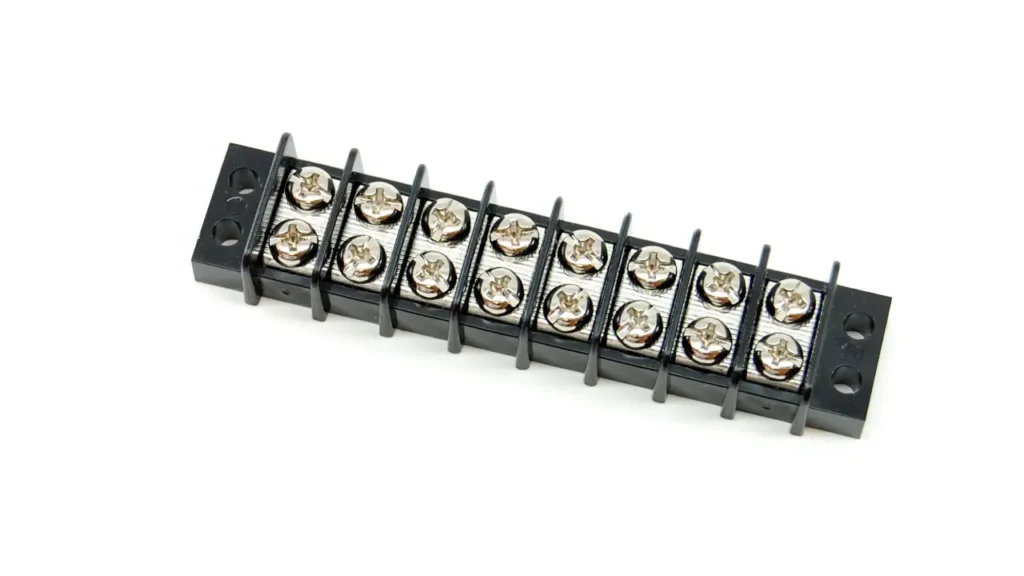
A terminal strip, often referred to as a barrier strip or screw terminal block, is an electrical connector designed to simplify and organize wire connections. It typically consists of a long, insulated base with multiple individual screw terminals arranged in a row.
Each terminal provides a point where one or more wires can be securely fastened, creating a convenient method for connecting and interconnecting circuits, especially in applications where a simple, fixed array of connections is needed without the modularity or specialized features of more advanced terminal blocks.
Electrical Uses
You see terminal strips in lots of electrical jobs. They are used in control panels and audio gear. People use them in small circuit projects too. They help connect wires on breadboards and in test setups. Terminal strips help with wiring in alarms and intercoms. You can use them in lighting or simple power circuits. Their design makes it easy to change things or fix problems. Terminal strips give good connections for low or medium power. They help keep your wires tidy and your circuits working well.
Terminal Block vs Terminal Strip
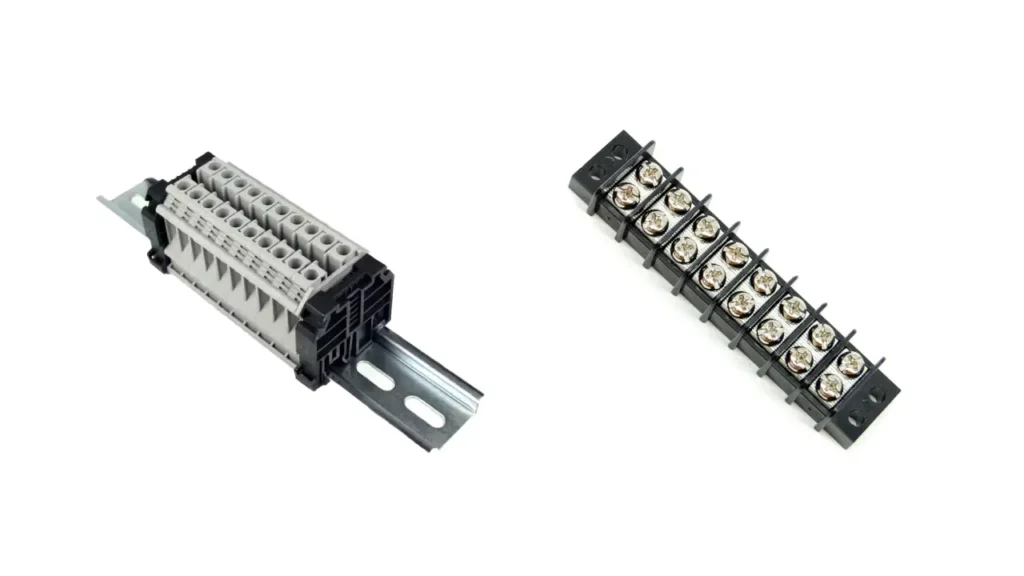
Choosing the right electrical connector is vital for circuit integrity and safety. While both terminal blocks and terminal strips serve to connect wires, they differ significantly in design, functionality, and application suitability. Understanding these distinctions ensures optimal performance, ease of maintenance, and compliance with project requirements.
This comparison will detail their core features, the benefits each offers, their respective pros and cons, and their typical applications, providing a clear guide for making informed decisions in your wiring projects.
Modularity/Structure
Terminal blocks are characterized by their modular design, often as individual units that can be snapped together on a DIN rail to form a continuous strip. This modularity allows for flexible configurations, easy expansion, and the integration of various specialized functions like fusing or disconnecting within the same assembly. Each block typically provides distinct, insulated connection points.
Terminal strips, conversely, are generally manufactured as a single, fixed piece containing a predetermined number of connection points arranged in a row. They usually consist of a basic insulating base with metal terminals, most commonly screw-down types. Their fixed structure offers less flexibility for customization or expansion compared to the modularity of terminal blocks.
Features
Terminal blocks offer a wide array of features, including diverse clamping technologies such as screw, spring, or push-in connections, catering to different wiring preferences and environmental conditions. Many types incorporate specialized functions like built-in fuse holders, disconnect levers, or dedicated grounding connections, enhancing circuit protection and operational safety. They also support various accessories like jumpers, markers, and end plates for organization.
Terminal strips typically feature simpler, often screw-down connections, providing a straightforward method for wire termination. While some may include basic barriers between terminals for insulation, they generally lack the advanced integrated functionalities of terminal blocks, such as fusing, multi-level connections, or specialized sensor wiring capabilities. Their design prioritizes simplicity and cost-effectiveness for basic wire junctions.
Benefits
Terminal blocks provide significant benefits in terms of organization, safety, and ease of maintenance. Their structured layout and clear labeling options simplify complex wiring diagrams, making troubleshooting faster and more efficient. The enhanced insulation and specialized functions contribute to a safer electrical environment, reducing the risk of shorts and improving system reliability through dedicated protection.
Terminal strips offer the primary benefits of being cost-effective and straightforward for basic wire connections. They are easy to install and provide a neat way to terminate multiple wires in a fixed setup. For applications where complex functionality or frequent modifications are not required, terminal strips offer a simple and economical solution for creating reliable electrical junctions.
Pros & Cons
Terminal block pros include high versatility, robust construction for demanding environments, superior safety features through individual insulation and specialized functions, and excellent adaptability for future circuit modifications or expansions. However, their cons can involve a higher cost per connection point and potentially more complex installation for intricate configurations.
Terminal strip pros lie in their economy, simplicity of use, and suitability for fixed wiring applications where a basic connection point is sufficient. Their cons include limited functionality, less adaptability to circuit changes, and generally fewer integrated safety features compared to terminal blocks. They might also be less resilient to vibration or harsh environments without additional protection.
Design
Terminal blocks and terminal strips look different. A terminal block has parts you can add or take away. This helps you change it for your project. Each terminal block has insulation for safety. The body is often plastic or ceramic. This keeps wires apart and stops short circuits. Your electrical connections stay safe.
A terminal strip is long and straight. It has metal clips or screws in a row. Wires connect in a line. This saves space and lets you see all wires. You can cut the strip to the size you want. But, it does not protect as well as a terminal block.
Tip: Pick a terminal block if you want to change parts and keep wires safe.
Installation
It is easy to see the installation differences. With a terminal block, you put in wires and tighten screws. You can add more blocks if you need to. You can put terminal blocks on DIN rails or panels. This makes it simple to install and fix.
A terminal strip is also quick to set up. Put wires in the row and use screws or clips. You can cut the strip to fit your space. But, you must watch the space between wires. There is less insulation, so be careful not to touch wires together. This can make it less safe.
- Terminal block installation steps:
- Mount the block.
- Insert wires.
- Tighten screws.
- Label connections.
- Terminal strip installation steps:
- Cut strip to size.
- Mount the strip.
- Insert wires.
- Secure with screws.
Safety
Safety is very important in electrical work. Terminal blocks have insulation and keep each wire in its own spot. This stops wires from touching and lowers shock risk. You also get protection from short circuits. You can add more safety features if you need to.
Terminal strips have basic safety. The open design means you must be careful. There is less protection from touching wires. If you want more safety, use a terminal block.
Applications

Terminal blocks are widely utilized in industrial control panels, automation systems, building management systems, and any application requiring organized, flexible, and feature-rich wire termination. They are ideal for managing control signals, power distribution in complex machinery, and applications demanding high levels of safety and ease of troubleshooting.
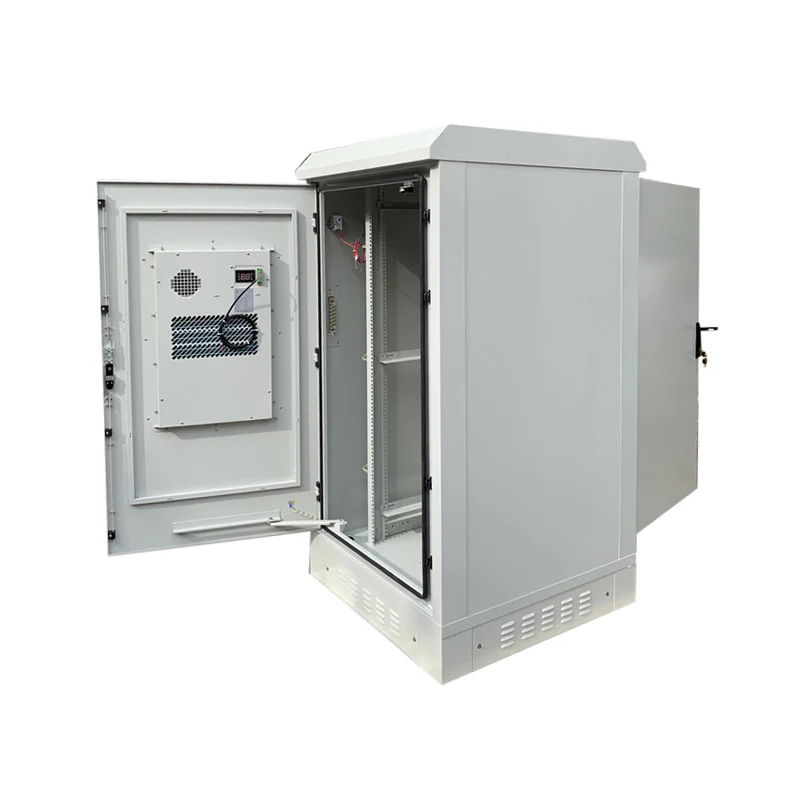
Terminal strips are commonly found in simpler electrical installations, such as appliance wiring, lighting circuits, basic power distribution in residential or commercial buildings, and general-purpose junction boxes. They are well-suited for projects where the wiring configuration is fixed, the current requirements are moderate, and cost-effectiveness is a primary concern.
Here’s a comparison table summarizing the differences between terminal blocks and terminal strips:
| Feature/Aspect | Terminal Block | Terminal Strip |
|---|---|---|
| Structure | Modular, individual units (often DIN-rail mountable) | Single, fixed piece with multiple terminals in a row (often barrier-type) |
| Modularity | High; easily expanded, reconfigured, or combined with specialized types | Low; fixed number of terminals, less adaptable for changes or additions |
| Features | Diverse clamping types (screw, spring, push-in), specialized functions (fuse, disconnect, grounding), accessories | Primarily screw-down connections, basic wire termination, may have insulation barriers between terminals |
| Safety | Enhanced electrical isolation, often with higher voltage/current ratings, specialized safety features | Basic insulation, relies more on external enclosures for comprehensive safety; ratings can be lower |
| Cost | Generally higher per connection point, but offers more features and flexibility | More economical for basic connections, often chosen for cost-sensitive projects |
| Application Suitability | Complex control systems, industrial automation, precise signal wiring, applications needing modularity & features | Simple electrical wiring, appliance hook-ups, lighting circuits, basic power distribution where fixed, straightforward connections are sufficient |
| Ease of Maintenance | High; individual circuits easily isolated, identified, and worked on | Moderate; involves loosening screws for each connection, less intuitive for complex troubleshooting; harder to modify layout |
Choosing for Electrical Projects
Pick the connector that fits your electrical job. Use this checklist to help you pick:
| Factor | Terminal Block | Terminal Strip |
|---|---|---|
| Safety | High | Medium |
| Cost | Higher | Lower |
| Flexibility | Excellent | Good |
| Power Handling | High (power distribution) | Medium (basic power distribution) |
| Best For | Complex systems, future changes | Simple, low-cost projects |
How to Choose Terminal Block and Terminal Strip
Choosing between a terminal block and a terminal strip, or selecting the right specific type of each, hinges on a careful assessment of your project’s electrical, environmental, and functional needs. Making the optimal choice ensures safety, system reliability, and streamlines installation and maintenance processes, ultimately impacting the overall cost and longevity of your electrical design.
- Application Complexity & Functionality: For complex control circuits, industrial automation, or applications requiring specialized features like fusing, disconnection, or multi-level connections, a terminal block offers superior functionality and organization. For simple, fixed wire junctions in basic circuits, a terminal strip is usually sufficient and more economical.
- Current & Voltage Ratings: Always ensure the chosen component’s electrical ratings (current, voltage, wire gauge compatibility) meet or exceed your circuit’s maximum requirements to prevent overheating and ensure safety. Both types come in various ratings, so verify specifications.
- Modularity & Flexibility: If future circuit modifications, expansions, or frequent troubleshooting are anticipated, the modularity and accessory options of terminal blocks make them highly advantageous. Terminal strips are less flexible for changes once installed.
- Environmental Conditions: Consider factors like temperature, humidity, vibration, and exposure to dust or chemicals. Terminal blocks often offer more robust constructions and specialized designs (e.g., higher IP ratings, vibration-resistant clamping) for harsh environments than standard terminal strips.
- Space & Installation: Evaluate the available space within your enclosure. While terminal strips can be compact for simple rows, multi-level terminal blocks can save significant vertical space in dense wiring applications. Consider ease of mounting (DIN rail vs. screw-down) for efficient installation.
- Cost Efficiency: For a large number of basic, non-specialized connections, terminal strips generally present a lower initial cost. However, the long-term benefits of terminal blocks in terms of reduced labor for complex systems, enhanced safety, and easier maintenance can outweigh their higher per-unit cost.
Choose a terminal block if you need high safety, modular design, and reliable performance in industrial or high-voltage environments.
Choose a terminal strip if your application is simple, low-cost, and does not require advanced insulation or scalability.
For most industrial and commercial systems, terminal blocks are the preferred choice due to their durability and safety advantages.
FAQ
Which is safer for electrical panels—terminal block or terminal strip?
Terminal blocks are generally safer for industrial panels. They provide better insulation, grounding options, and separation between conductors. Terminal strips expose connections, increasing the risk of accidental shorts, especially in high-voltage or vibration-prone environments.
Can I replace a terminal strip with a terminal block?
Yes, you can often replace a terminal strip with a terminal block to improve safety, durability, and compliance with modern standards. Terminal blocks are DIN rail mountable and offer enhanced labeling, organization, and modular expansion options.
Are terminal blocks better for high-voltage connections?
Yes, terminal blocks are preferred for high-voltage connections in industrial control cabinets. They are UL/IEC certified and designed with insulating barriers to prevent arcing or short-circuiting—something terminal strips may not safely manage.
What environments are terminal blocks best suited for?
Terminal blocks excel in harsh or demanding environments such as industrial control systems, telecom racks, and base station enclosures. Their secure connections, insulation, and modularity provide long-term reliability in vibration, temperature, and dust-exposed areas.
Why are terminal blocks commonly used in automation and control panels?
Terminal blocks are designed for structured wiring in automated systems. They help organize connections, reduce wiring errors, support labeling, and integrate well with relays, sensors, and PLCs—features terminal strips lack.
Conclusion
Understanding the distinctions between terminal blocks and terminal strips is crucial for effective electrical wiring. While both connect wires, terminal blocks offer modularity, enhanced safety features, and specialized functions like fusing or grounding, facilitating organized and protected circuits.
Terminal strips, conversely, provide a simpler, often less configurable connection point, typically suited for basic, fixed wiring needs. The choice hinges on required safety, flexibility, and application complexity, impacting ease of installation and maintenance.
For all your wholesale terminal blocks and strips, engineered for diverse applications and environments, contact us in Japan. We offer robust and reliable solutions to fit all your industrial and commercial requirements.