Ever wondered what is a sub panel? It’s a smaller electrical panel that helps distribute power to different parts of your home or business. When you add a subpanel, you get better circuit protection and modern breakers that react fast. You also lower fire risks with updated safety codes.
- Enhanced circuit protection means less chance of electrical fires.
- Quick-reacting breakers help prevent injuries and damage.
- Upgraded panels meet current safety codes, making your property safer.
Key Takeaways
- A subpanel helps distribute power efficiently, reducing the risk of overloads and electrical fires.
- Installing a subpanel allows for better organization of circuits, making it easier to manage new appliances or renovations.
- Consult a licensed electrician before installation to ensure safety and compliance with local codes.
What is a Subpanel?
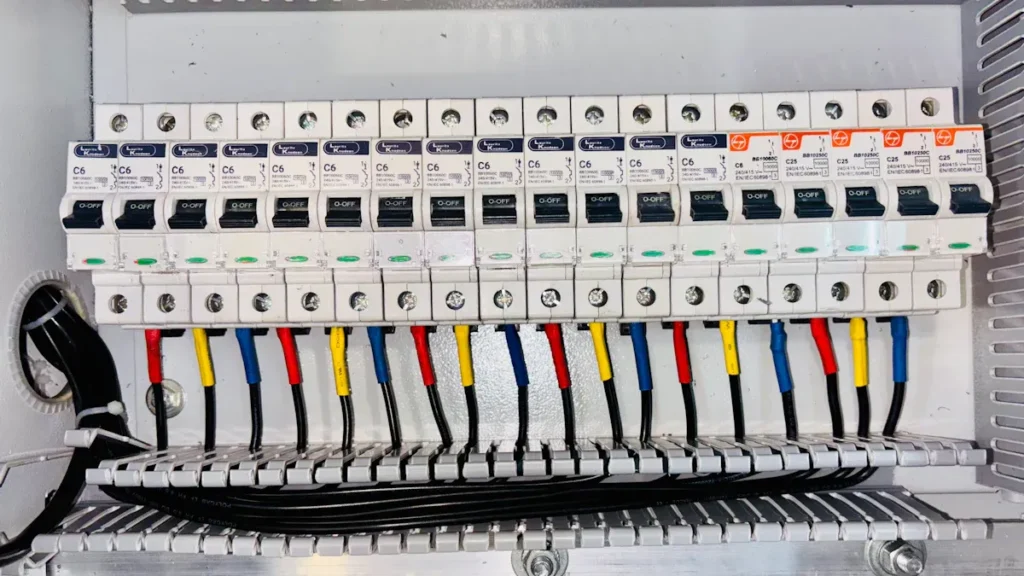
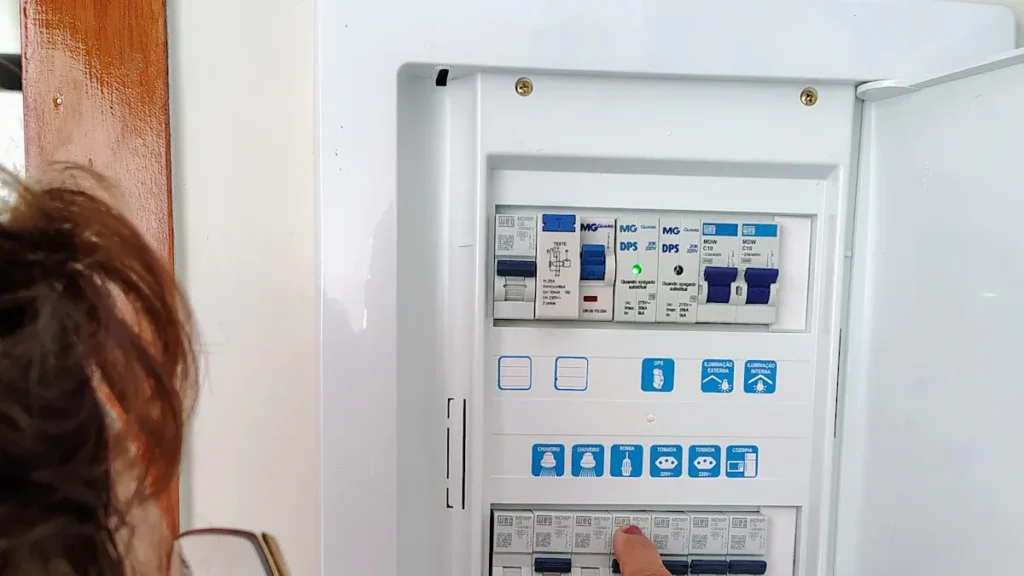
If you’ve ever asked yourself, “what is a sub panel?” you’re not alone. A subpanel is a smaller service panel that distributes electricity to specific areas or circuits in your home or business. You might think of it as a helper to your main panel, making sure power gets where you need it most. When you add a subpanel, you make your electrical system more organized and easier to manage.
Subpanel vs. Main Panel
You probably know your main panel is the central control point for all the electricity in your building. It receives power from the utility company and sends it out to different circuits. But what is a sub panel in this setup? The subpanel acts like a satellite, branching off from the main panel and sending power to certain rooms or spaces.
Here’s a quick comparison to help you see the difference:
| Feature | Main Panel | Sub Panel |
|---|---|---|
| Function | Central control point for electricity distribution | Distributes power to specific areas or circuits |
| Power Source | Receives power from the utility company | Acts as a secondary distribution point |
| Breakers | Contains main breakers for the entire building | Has its own breakers for specific circuits |
| Placement | Usually inside the main building | Can be placed anywhere for safety and convenience |
| Safety Benefits | Centralized control for power management | Quick access to turn off power in emergencies |
You use the main panel to control the power supply for your whole property. The subpanel lets you manage electricity in a garage, basement, or workshop without overloading the main panel. The subpanel doesn’t increase the total power available, but it does make it easier to organize and control the flow of electricity.
Tip: If you’re planning a renovation or adding new equipment, a subpanel can help you avoid crowding your main panel with too many circuits.
Electrical Subpanel Purpose
So, what is a sub panel really for? The main job of a subpanel is to act as an extension of your main panel. You use it to distribute power to areas that need extra circuits or special attention. This setup helps you manage the electrical load more efficiently and keeps your system safe.
When you install an electrical subpanel, you don’t get more total power. Instead, you reorganize how electricity travels through your property. This makes it easier to shut off power in emergencies and keeps your circuits from getting overloaded. You also make it simpler to add new circuits for things like air conditioners, electric car chargers, or extra lighting.
Common Uses
You might wonder where people usually install a subpanel. Here are some of the most common places:
- Garages
- Basements
- Workshops
- Home additions
- External buildings
- Spaces with new appliances
Let’s say you’re turning your basement into a game room or adding a workshop in your garage. You’ll need extra circuits for lights, outlets, and maybe some high-powered tools. Instead of running everything from the main panel, you add a subpanel to handle the new load. This keeps your electrical system organized and makes future upgrades easier.
If you’re installing a hot tub, a new oven, or other high-powered appliances, a subpanel gives you dedicated breakers for those items. You avoid crowding your main panel and reduce the risk of tripping breakers or causing electrical problems.
Note: Adding a subpanel is a smart move when you want to expand or upgrade your electrical system without replacing your main panel.
Now you know what is a sub panel, how it works with your main panel, and why it’s so useful for managing electricity in different parts of your property.
Why Install a Subpanel
Thinking about your electrical system can feel overwhelming, but you don’t have to be an expert to make smart choices. If you’re wondering when to install a subpanel, you’re not alone. Many homeowners and business owners face the same question, especially as their needs grow. Let’s break down the most common reasons you might want to add a subpanel and how it can make your life easier.
Expanding Electrical Capacity
You might notice your main panel getting crowded as you add more devices or upgrade your space. Over time, this can create safety issues and make it tough for your electrician to work safely. When you install a subpanel, you give your electrical system room to breathe. This helps prevent dangerous situations and keeps your home running smoothly.
Here are some signs you need to expand your electrical capacity:
- Your main panel feels overcrowded with wires and breakers.
- You want to add new circuits, but there’s no space left.
- You notice breakers tripping more often.
A subpanel lets you distribute power more efficiently. It branches out from your main panel and sends electricity to new areas or appliances. This setup reduces the strain on your main panel and helps prevent overloads. You also make it easier for your electrician to manage and maintain your system.
Tip: If you plan to add a home office, workshop, or even a rental unit, a subpanel can handle the extra load without overworking your main panel.
Here’s a quick look at how a subpanel changes power distribution in your home:
| Source | Key Point |
|---|---|
| The Local Electrician | A subpanel allows for easier power distribution to specific areas or appliances, enhancing efficiency and safety. |
| Sum Zero Energy Systems | A sub panel distributes power to specific areas while reducing strain on the main panel. |
| AJ Dan Boise | A sub-panel can branch out the main power supply to accommodate new circuits, especially in older homes. |
Home Additions & Renovations
If you’re planning a renovation or building an addition, you’ll probably need more circuits. Your main panel might not have enough space for all the new wiring. This is where a subpanel shines. You can install a subpanel close to the new area, making it easy to add outlets, lights, and appliances.
Electricians often recommend a subpanel for these projects because it keeps your electrical panel organized. You avoid running long wires back to the main panel, which can get messy and confusing. Instead, you have a dedicated spot for all the new circuits.
Here’s why a subpanel makes sense for additions and renovations:
- You keep your main panel from getting overloaded.
- You make future upgrades easier.
- You improve safety by reducing the number of wires in one place.
Note: If you’re adding a garage, basement, or even a backyard studio, a subpanel gives you flexibility and peace of mind.
Managing High-Powered Appliances
Modern homes use more electricity than ever. Maybe you want to install a hot tub, electric car charger, or a new oven. These high-powered appliances need their own circuits. If you try to squeeze them into your main panel, you risk overloads and safety hazards.
A subpanel gives you dedicated breakers for these appliances. You can place the subpanel near the new equipment, which makes installation and maintenance easier. Your electrician will thank you for keeping things organized and safe.
Here’s what you gain when you install a subpanel for high-powered appliances:
- You reduce the risk of circuit overloads.
- You make it easy to shut off power to specific appliances in an emergency.
- You keep your electrical panel neat and code-compliant.
Electricians often point out that subpanels improve safety by allowing for quick disconnects and better labeling. This lowers the risk of electrical fires and makes your home safer for everyone.
💡 Did you know? The average cost to install a subpanel ranges from $534 to $1,938, depending on your needs and the size of the panel. While it’s an investment, the safety and convenience you gain are worth it.
More Benefits of Installing a Subpanel
- You distribute electrical current evenly among circuits, which helps prevent any single breaker from being overloaded.
- You can add more circuits without putting extra strain on the main panel.
- You make it easier to manage power distribution across different areas, especially in multi-unit buildings.
When you install a subpanel, you take control of your electrical system. You make your home safer, more flexible, and ready for whatever the future brings.
Electrical Subpanel Installation & Safety
Professional vs. DIY Install
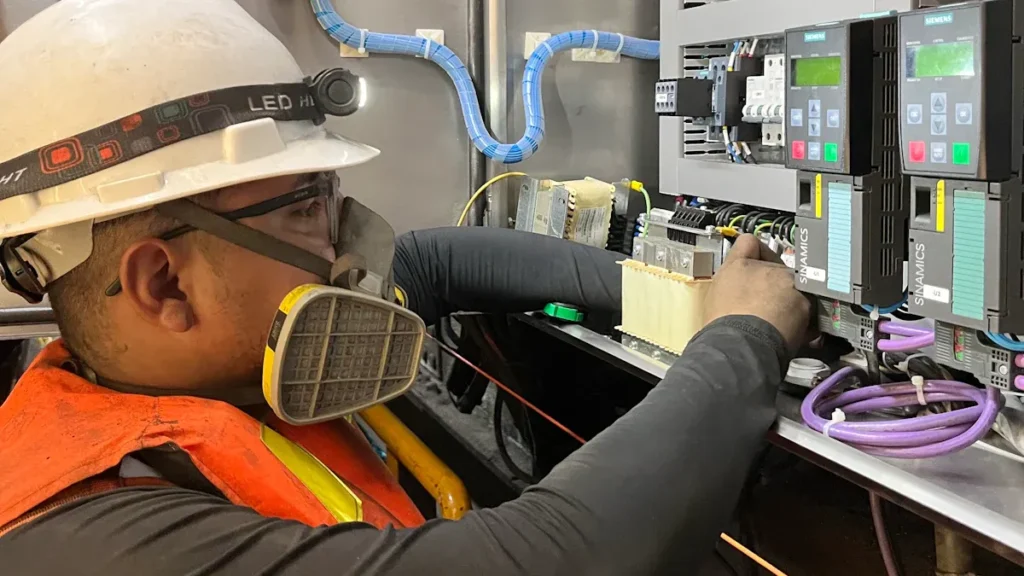
Thinking about installing a subpanel yourself? You might want to reconsider. A licensed electrician knows how to follow local codes and the National Electrical Code, which keeps your home safe. When you hire an electrician, you get a warranty and peace of mind. DIY work can lead to electrical fires or injuries if you miss a step or make a mistake. Many homeowners try to save money, but it’s easy to make a code-violating error that causes big problems.
Many brave homeowners take on electrical work in the course of everyday household maintenance, but it is all too easy to make a code-violating error that could bring on both minor and major problems.
Permits & Code Compliance
Before you start any electrical subpanel project, check with your local building department. You usually need a permit for subpanel installation. This step helps you stay safe, follow the rules, and keep your insurance valid. An electrician will know exactly what permits you need and how to pass inspections.
Here are some common code violations to watch out for:
- Inadequate GFCI coverage in wet areas
- Improper surge protection devices
- Neglecting proper bonding and grounding
- Lack of working space around panels
- Using unsuitable wiring or failing to ground systems
Safety Tips
Safety comes first when working with a subpanel. Always turn off the main breaker before you start. Remember, some parts may still carry electricity, so test bus bars before touching them. If your home is older, inspect your subpanel every 2-3 years. For newer homes, every 3-5 years works well.
| Home Age | Recommended Inspection Frequency |
|---|---|
| Under 25 years old | Every 3-5 years |
| Over 25 years old | Every 2-3 years |
| Aluminum/Knob-and-Tube | Annually |
If you ever feel unsure, call an electrician. You’ll avoid mistakes like mixing wires, overcrowding holes, or bonding ground and neutral in the wrong panel. Your safety is worth it!
Conclusion
You now know what a subpanel is and why it matters for your home or business. A subpanel gives you more control over your electrical system. You can add new circuits, manage high-powered appliances, and keep your main panel from getting overloaded. This upgrade makes your property safer and more flexible for future changes.
Think about your own space. Do you plan to add a workshop, finish your basement, or install a hot tub? A subpanel can make these projects easier and safer. You avoid messy wiring and reduce the risk of electrical problems. You also make it simple to shut off power in one area if you need to.
Here’s a quick recap of why a subpanel could be the right move for you:
- You expand your electrical capacity without replacing your main panel.
- You organize circuits for new rooms or appliances.
- You improve safety and meet modern electrical codes.
- You make future upgrades less stressful.
Tip: Always talk to a licensed electrician before starting any electrical work. They can help you decide if a subpanel fits your needs and make sure everything meets local codes.
Take a walk around your property. Notice any crowded panels or plans for new spaces? Now’s the perfect time to assess your electrical needs. A subpanel might be the smart upgrade that keeps your home safe and ready for anything.
You get a lot from adding a subpanel. Check out these benefits:
| Benefit | Why It Matters |
|---|---|
| Improved Organization | Easier circuit management |
| Enhanced Safety | Lower risk of overloads |
| Convenient Access | Quick maintenance |
| Future-Proofing | Ready for upgrades |
Think about your needs. Look for crowded panels or tripping breakers. Always talk to a pro before starting. Stay safe and keep your home ready for anything!
FAQ
What is the difference between a subpanel and the main panel?
You use the main panel to control all electricity in your home. A subpanel sends power to certain areas, making it easier to manage new spaces or appliances.
Can you add a subpanel if your main panel is full?
Yes, you can. If your main panel has no room for new circuits, you add a subpanel. This helps you expand safely without replacing the main panel.
Do you need to turn off the main panel to work on a subpanel?
You should always turn off the main panel before touching a subpanel. This keeps you safe and prevents electrical accidents. Never skip this step.