Getting the right wire stripping length makes your electrical connections safe and reliable. If you strip too much wire, you risk exposed copper and possible shorts. Too little wire means a weak connection that can cause loose contacts or even failures. Always check the manufacturer’s guidelines, measure the barrel depth, and match your wire gauge. Linkwell terminal blocks, screw terminals, and terminal block connectors help you meet global standards for electrical work. Understanding Wire Stripping Length for Different Terminal Block Types keeps your projects running smoothly.
Key Takeaways
- Always check the manufacturer’s guidelines for the correct wire stripping length to ensure safe and reliable connections.
- Use the right tools for wire stripping to achieve clean cuts and prevent damage to the wire, enhancing connection quality.
- Measure the barrel depth of the terminal block to determine the appropriate strip length, avoiding guesswork.
- Double-check your work by ensuring no copper is exposed and the insulation sits correctly at the edge of the terminal block.
- If you make a mistake, trim or re-strip the wire to the correct length to maintain a secure and safe electrical connection.
Understanding Wire Stripping Length for Different Terminal Block Types
Why Strip Length Matters for Terminal Blocks
You might wonder why getting the strip length right is so important. When you start understanding wire stripping length for different terminal block types, you see how much it affects your project. If you strip too little, the wire won’t make good contact. If you strip too much, you risk exposed copper and possible shorts. Here’s what you need to remember:
- Proper wire stripping length gives you a secure electrical connection.
- Under-stripping means not enough contact, which can cause weak or failed connections.
- Over-stripping exposes too much wire, raising the risk of short circuits.
- Following the manufacturer’s guidelines helps you keep your connections safe and reliable.
When you focus on understanding wire stripping length for different terminal block types, you help prevent electrical failures and keep your work up to code.
Linkwell Terminal Block Types Overview
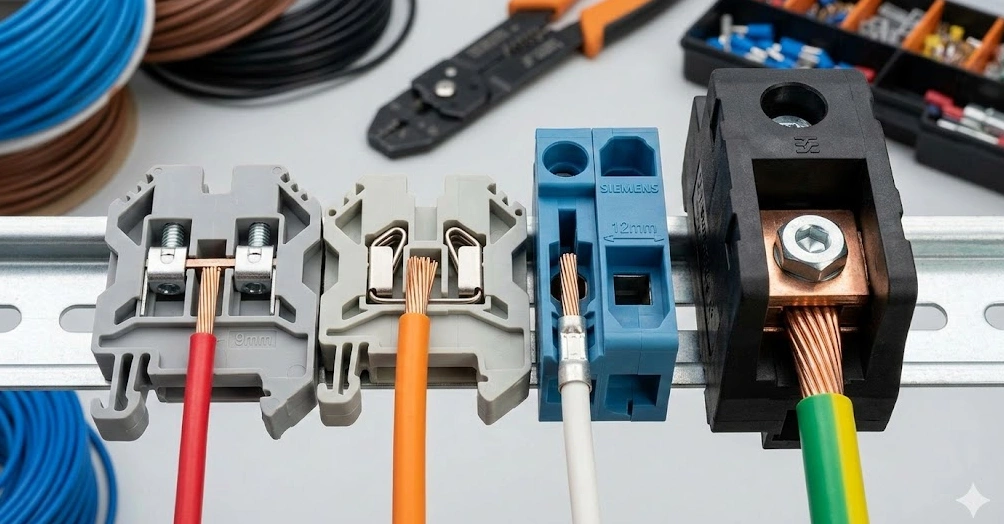
Linkwell offers a wide range of terminal blocks for many uses. You’ll find screw terminals, spring-clamp, and push-in types, each with its own wire stripping needs. Understanding wire stripping length for different terminal block types helps you match the right strip length to the right terminal. Take a look at the table below to see how the main types compare:
| Terminal Type | Wire Stripping Length | Ferrule Requirement | Torque Range |
|---|---|---|---|
| Screw Terminals | 8-12 mm | Not mandatory | 0.5 – 6.0 N·m |
| Spring-Clamp | 10-11 mm | Mandatory | 0.8 – 2.5 N·m |
| Push-in Terminals | 10-11 mm | Mandatory | 0.8 – 2.5 N·m |
You’ll see that understanding wire stripping length for different terminal block types means you need to check the specs for each type. For example, screw terminals give you a little more flexibility, while spring-clamp and push-in types need a precise strip length and a ferrule.
Linkwell’s product range covers all your needs. Here’s a quick look at where you might use each type:
| Terminal Block Type | Typical Applications |
|---|---|
| Barrier Terminal Blocks | Insulated connections for safety in many electrical setups |
| DIN Rail Terminal Blocks | AC/DC power, control panels, and factory automation |
| PCB Terminal Blocks | Connecting circuit boards to external devices in electronics |
| Pluggable Terminal Blocks | Quick installation and servicing, great for testing equipment |
| Screwless Terminal Blocks | Tool-free jobs where speed and efficiency matter |
| Fused Terminal Blocks | Overcurrent protection in power distribution and motor control systems |
When you’re understanding wire stripping length for different terminal block types, you make sure every connection is safe, reliable, and ready for the job.
How to Measure and Prepare Strip Length
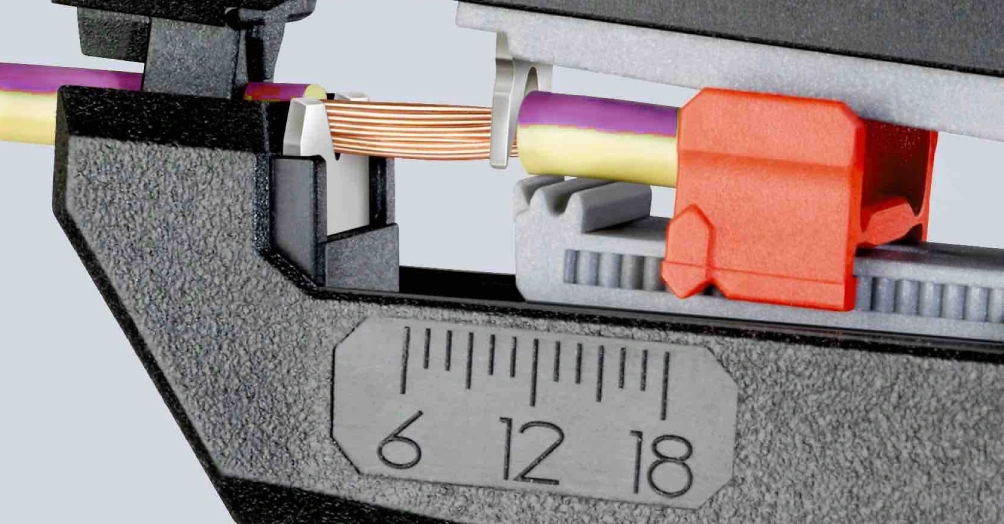
Tools for Accurate Wire Stripping
You want your connections to last, so using the right tools makes all the difference. Not all wire strippers are the same. Some work better for certain insulation types or wire sizes. Here’s a quick look at some popular tools you can use to get the perfect strip length every time:
| Tool Name | Description | Special Features |
|---|---|---|
| Strip it | Handles tough insulation like Teflon and silicone. | Shaped blade for clean strip without harming wire. |
| swifty® CS | Cuts and strips in one motion, great for fast jobs. | Perfect for screw and spring clamp terminals. |
| multi-stripax® PV | Designed for photovoltaic wires and precise strip length. | Swappable units for different wire sizes. |
| Wire Prep Tools | Offers a range of wire strippers and cutters for all needs. | Manual, pneumatic, and electric options. |
| Quickstrip tool | Cuts and strips wires quickly to the right strip length. | Works with many wire types. |
You can pick the tool that matches your wire and terminal block. For Linkwell terminal blocks, always check the product guide to see which tool fits best.
Measuring Strip Length for Terminal Blocks
Getting the strip length right is key for a solid connection. Here’s how you can measure and prepare your wire:
- Find the terminal block type and wire gauge. This helps you know the right strip length.
- Measure the conductor barrel depth. You can use calipers or even a toothpick. Mark the depth so you know how much to strip.
- Cut your wire cleanly. Use wire strippers that match your wire size.
- Strip the insulation to the marked strip length. Make sure you don’t nick or damage the wire.
- Dry-fit the wire into the terminal block. Check that the insulation sits right at the edge and the conductor fills the barrel.
- If everything fits, you’re ready to connect.
You’ll find that Linkwell’s guidelines make it easy to match the strip length to each terminal block. Always double-check the specs for each block, since the strip length can change depending on the type.
Safety Tips for Wire Preparation
Safety comes first when you strip wires. Here are some tips to keep you safe and your connections strong:
- Always strip just enough insulation for the connection. Too much strip length can leave exposed wire.
- Use the right notch on your wire strippers. This keeps the wire from getting damaged.
- Test for live wires before you start. A voltage tester can save you from a shock.
- Keep your tools sharp and clean. Dull strippers can slip and cause mistakes.
- Work in a well-lit area so you can see your strip length clearly.
Tip: If you’re ever unsure about the strip length, check the Linkwell product label or manual. Most terminal blocks have a recommended strip length printed right on the housing.
With the right tools, careful measuring, and good safety habits, you’ll get perfect strip length every time. That means reliable, safe connections for all your Linkwell terminal blocks.
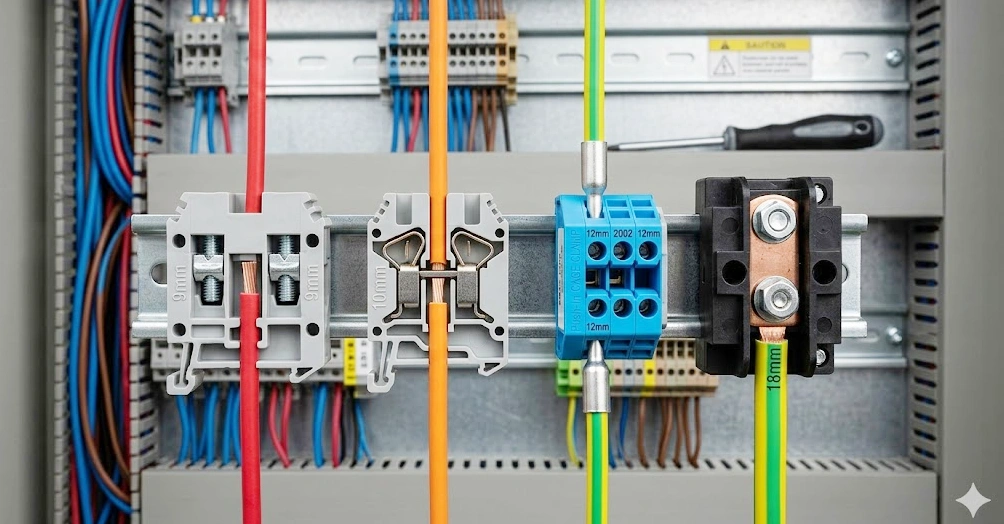
Recommended Wire Stripping Lengths for Linkwell Terminal Blocks
When you work with terminal blocks, you want every connection to be safe and strong. The right strip length by terminal type makes all the difference. Let’s break down the best practices for each Linkwell terminal block style, so you can get your electrical projects done right the first time.
Screw Terminal Strip Length
Screw terminals are popular in many electrical panels. You see them in control cabinets, power distribution boxes, and even in telecom setups. These terminal blocks use a screw to clamp the wire in place. You need to strip just enough insulation so the conductor sits fully inside the barrel, but not so much that copper sticks out.
For most Linkwell screw terminal blocks, you should strip between 8 mm and 12 mm. This range gives you a solid connection without leaving any exposed wire. Always check the product label or datasheet for the exact strip length. If you use a wire ferrule, make sure the stripped part matches the ferrule length.
Here’s a quick checklist for screw terminal strip prep:
- Cut your wire clean and straight.
- Strip 8–12 mm of insulation.
- Twist stranded wires for a neat end.
- Insert the wire fully into the terminal block.
- Tighten the screw to the recommended torque.
Tip: If you see copper outside the terminal block, you stripped too much. If the insulation goes under the clamp, you stripped too little.
Push-In Terminal Block Strip Length
Push-in terminal blocks make wiring fast and easy. You just strip the wire, insert it, and you’re done. These blocks are common in automation, lighting, and control systems. The wire stripping length matters a lot here. Too much or too little can cause problems.
According to Linkwell, the standard wire stripping length for push-in terminal blocks is usually between 8 mm and 12 mm. Always check the specific block’s marking or datasheet. Most push-in types need a ferrule on stranded wires for the best grip.
Here’s how you get it right:
- Strip 8–12 mm of insulation.
- Use a ferrule for stranded wires.
- Insert the wire until it stops.
- Tug gently to check the grip.
Push-in terminal blocks save you time, but only if you strip the wire to the right length. If you go too short, the connection is weak. If you go too long, you risk exposed copper.
Spring Clamp Terminal Block Strip Length
Spring clamp terminal blocks use a spring to hold the wire tight. You find these in places where vibration or movement is common, like industrial machines or transport panels. The strip length is important for a secure electrical connection.
For Linkwell spring clamp terminal blocks, you should strip about 10 mm to 11 mm of insulation. This lets the conductor fit perfectly under the spring. Always use a ferrule for stranded wires. The ferrule keeps the strands together and helps the spring grip better.
Follow these steps for spring clamp strip prep:
- Cut the wire clean.
- Strip 10–11 mm of insulation.
- Add a ferrule if needed.
- Insert the wire until it stops.
- Release the spring to clamp the wire.
Note: If you strip too much, you might see copper outside the block. If you strip too little, the insulation can get caught under the spring, making a poor connection.
High-Current and Large Conductor Strip Length
High-current terminal blocks handle big wires and lots of power. You see these in power panels, energy storage, and heavy machinery. The strip length here is critical for safety and performance. If you get it wrong, you can create serious electrical hazards.
Check out this table to see what happens if you don’t strip the wire correctly in high-current terminal blocks:
| Strip Length Issue | Consequence |
|---|---|
| Too Little | Insulation caught under clamping mechanism, leading to poor or non-existent electrical connection. |
| Too Much | Exposed conductor creates shock hazard and increases risk of short circuits. |
For Linkwell high-current terminal blocks, always follow the datasheet. Most large conductor blocks need a strip length between 12 mm and 18 mm, depending on the wire size. Use a caliper or the block’s built-in gauge to measure. Make sure the conductor fills the barrel, but no copper sticks out.
Here’s a quick guide:
- Cut the large wire clean.
- Strip 12–18 mm of insulation (check the block’s specs).
- Insert the wire fully.
- Tighten the clamp or screw to the right torque.
Safety Alert: Double-check your strip length before connecting high-current wires. Mistakes can lead to overheating, arcing, or even fire.
When you follow these guidelines for each type of Linkwell terminal block, you get reliable electrical connections every time. The right wire stripping length keeps your projects safe, efficient, and up to code.
Best Practices and Troubleshooting for Terminal Blocks
Linkwell always puts quality and safety first. You want your electrical connections to last, so you need to avoid common terminal block wiring mistakes and follow the right wire stripping guidelines. Let’s look at how you can keep your terminal blocks working their best.
Avoiding Common Strip Length Mistakes
You might think stripping wire is simple, but small mistakes can cause big problems in electrical systems. Check out this table to see the most common terminal block wiring mistakes and how you can fix them:
| Mistake | Why It Matters | How to Fix It |
|---|---|---|
| Incorrect Wire Stripping Length | Affects connection quality, leading to poor performance or shorts. | Follow manufacturer guidelines; strip just enough for a secure connection. |
| Over-tightening or Under-tightening Screws | Can damage terminal blocks or cause loose connections, leading to hazards. | Use a torque wrench or feel for resistance when tightening. |
| Using the Wrong Wire Size | Prevents secure connections and can cause overheating. | Select terminal blocks rated for the wire gauge being used. |
| Incorrect or Inconsistent Wire Insertion | Causes poor contact and potential damage to terminals. | Ensure wires are inserted straight and fully into the terminal block. |
| Not Using the Proper Insulation | Can lead to shorts, fire hazards, or shocks. | Use properly insulated wire and ensure insulation is not stripped excessively. |
| Failing to Label Wires Properly | Leads to confusion during maintenance and potential miswiring. | Label each wire according to its function and use clear markers. |
You can avoid most issues by following the correct strip length and using the right tools for installation. Always double-check your work before powering up.
Fixing Over-Stripped or Under-Stripped Wires
Sometimes you might notice an incorrect wire stripping length after you finish your installation. Don’t worry. You can fix these issues and keep your electrical connections safe.
- If you over-strip a wire, trim the exposed conductor and re-strip to the correct length.
- If you under-strip, remove the wire and strip a bit more insulation so the conductor fits fully inside the terminal block.
- Always check connections after making adjustments. Make sure the wire sits snugly and no copper is exposed outside the terminal block.
Tip: Improper strip length can weaken conductivity, cause overheating, or even create a fire hazard. Take your time and follow the wire stripping guidelines for each terminal block.
Using Manufacturer Guidelines and Markings
You want every installation to meet international standards. Linkwell terminal blocks carry certifications like UL, CE, and IEC, so you know you’re working with products that meet strict safety rules. Standards such as IEC 60947-7-1 and UL 1059 set the bar for electrical safety and performance.
- Look for strip length markings on the terminal block housing.
- Always read the product datasheet before starting your installation.
- Use only the recommended wire size and type for each terminal block.
- Check connections after tightening screws or clamps to ensure a secure installation.
If you ever run into trouble with your terminal blocks, follow these steps to troubleshoot:
- Check connections to make sure they are secure.
- Insulate each connection with heat shrink tubing or electrical tape.
- Tighten all screws on both the power supply and terminal block.
- Confirm that each wire is in the correct terminal.
- Make sure all wires are properly insulated.
By following these best practices, you can avoid terminal block wiring mistakes and keep your electrical connections safe and reliable for years to come.
Conclusion
You’ve made it to the end, and now you know how to get your wire stripping just right for any terminal block. That’s a big deal for anyone who wants safe and reliable electrical work. Let’s do a quick recap so you can walk away with confidence.
- Always check the manufacturer’s guidelines before you start. Linkwell makes this easy with clear markings and datasheets.
- Measure the barrel depth or use the strip length printed on the terminal block. This step helps you avoid guesswork.
- Use the right tools for the job. A good wire stripper makes your work faster and cleaner.
- Double-check your work. Insert the wire and make sure there’s no exposed copper and the insulation sits right at the edge.
- If you make a mistake, don’t worry. Trim or re-strip as needed until you get it right.
Remember: Taking a few extra seconds to measure and prepare your wires can save you hours of troubleshooting later.
You want your projects to last. That means you need correct terminal connections every time. High-quality Linkwell terminal blocks, screw terminals, and connectors help you meet global standards and keep your electrical systems running smoothly.
If you’re ever unsure, reach out to the experts or check the Linkwell website for more tips and support. You can always find the latest product guides and contact info there.
Here’s a quick checklist for your next project:
| Step | Action |
|---|---|
| 1. Identify | Terminal block type |
| 2. Measure | Strip length |
| 3. Prepare | Wire with proper tools |
| 4. Insert | Wire and check fit |
| 5. Secure | Tighten and inspect |
Stay safe, work smart, and enjoy the satisfaction of a job well done!
You want every electrical connection to be safe, strong, and long-lasting. Here’s a quick checklist to help you get it right:
- Strip insulation to the correct length without damaging the conductor.
- Use quality wire strippers for clean, straight wire ends.
- Double-check that each electrical wire fits snugly in the terminal block.
- Avoid exposed copper to prevent electrical shorts or failures.
- Secure every electrical connection by tightening screws or clamps as recommended.
| Benefit | Why It Matters for Electrical Work |
|---|---|
| Safety Compliance | Reduces electrical hazards and meets standards |
| Fewer Equipment Failures | Keeps your electrical systems running smoothly |
| Improved Efficiency | Saves time on every electrical installation |
When you follow these steps and use Linkwell’s high-quality products, you make every electrical project safer and more reliable.
FAQ
How do I know the right wire stripping length for my terminal block?
You can check the product datasheet or look for markings on the terminal block. Linkwell usually prints the recommended strip length right on the housing. If you’re unsure, measure the barrel depth with a caliper.
What happens if I strip too much or too little wire?
If you strip too much, you might see exposed copper, which can cause shorts. If you strip too little, the connection will be weak. Always match the strip length to the terminal block’s guidelines for safety.
Do I need to use ferrules with all terminal blocks?
You don’t need ferrules for every terminal block. Push-in and spring clamp types usually require them, especially for stranded wires. Screw terminals often work with or without ferrules, but ferrules can make connections neater.
Can I reuse a wire after cutting it too short?
Yes, you can reuse the wire if there’s enough length left. Just cut the end clean, strip it again to the correct length, and insert it into the terminal block. Make sure the wire reaches the connection point.
Where can I find more information about Linkwell terminal blocks?
You can visit the Linkwell official website for detailed guides, datasheets, and support. You’ll find everything you need for safe and reliable electrical connections.