If you want the safest and most reliable choice, you should go with UL listed cable glands. These products give you peace of mind by meeting strict safety standards. UL listing shows that the cable gland passed tough tests for quality and compliance. You might care about the cost or your specific application, but safety always comes first. > When you work with electrical installations, choosing the right cable gland protects your equipment and keeps your project up to code.
Key Takeaways
- Choose UL listed cable glands for the highest safety and compliance. They meet strict North American standards.
- Investing in UL listed cable glands reduces long-term costs. They last longer and require less maintenance than standard options.
- Look for IP68 ratings in cable glands for protection against dust and water. This is crucial for outdoor or wet environments.
- Select the right type of cable gland based on your application. Different materials offer unique benefits for various environments.
- Use the provided checklist to ensure you choose the correct cable gland for hazardous locations. This helps prevent accidents and ensures compliance.
Safety and Compliance
UL Listed Cable Glands and Certification
When you choose ul listed cable glands, you get more than just a basic product. You get a cable gland that passes strict tests for safety and reliability. These tests go beyond what you see with standard cable glands. In North America, ul listed cable glands must meet extra requirements. You might notice that these products go through oil resistance and cable pull-out resistance tests. These tests are tougher than the IEC 60079-0 standards used in other regions.
- ul listed cable glands must pass oil resistance tests.
- They need to show cable pull-out resistance.
- North American standards require NEMA ratings for dust and moisture protection.
- Hazardous location rules in North America follow API, NEC, and CEC, which are different from IEC practices.
If you work in North America, you need cable glands that match local rules. Standard cable glands might not meet these needs. You want to avoid problems with inspections and safety checks.
Regulatory Standards
You may wonder how ul listed cable glands stack up against international standards. The answer is clear when you look at the details. Here’s a quick comparison:
| Certification | Region | Key Standards | Testing Content | Certification Process |
|---|---|---|---|---|
| UL/cUL | USA, Canada | UL 514B, CSA C22.2 No. 18.3 | Fire resistance (UL94), impact resistance, corrosion resistance | UL lab testing + annual factory review |
UL listed cable glands must meet UL 514B and CSA C22.2 No. 18.3 standards. These standards focus on fire resistance, impact resistance, and corrosion resistance. You get a product that goes through lab testing and yearly factory reviews. This process helps you trust the quality and safety of your cable glands.
Risk Reduction
You want to lower risks in every electrical installation. ul listed cable glands help you do that. These cable glands often come with IP68 ratings. That means they keep out dust and water, even in tough environments. You also get UL94 V-2 fire resistance, which helps protect your equipment from fire hazards.
Tip: If you work in places with moisture, dust, or chemicals, ul listed cable glands give you extra protection. You avoid costly downtime and keep your team safe.
Standard cable glands may not offer the same level of protection. You could face problems with compliance, safety, or even insurance claims. When you pick ul listed cable glands, you make a smart choice for safety and peace of mind.
Performance
Durability and Materials
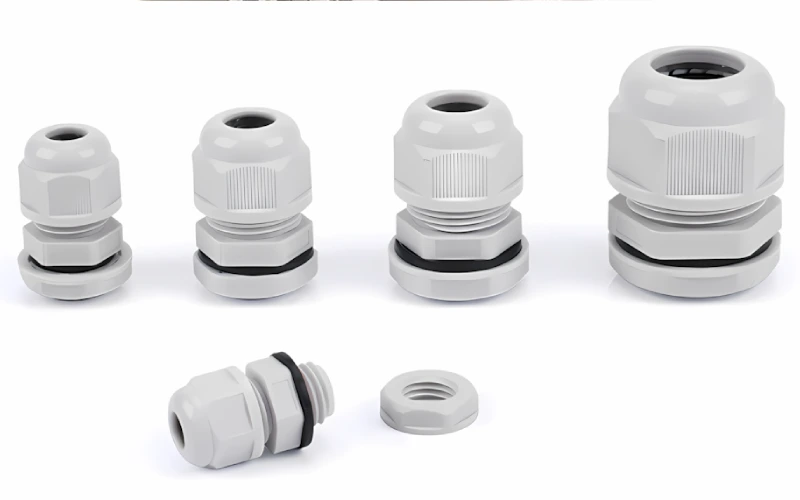
When you look at cable glands, you want something that lasts. UL listed cable glands stand out because of the materials used. You often see nylon, brass, and stainless steel in these products. Each material brings its own strengths.
- Nylon cable glands feel lightweight and resist corrosion. You can use them indoors or in light industrial spaces. They work well in temperatures from -40°C to +120°C.
- Brass cable glands offer high strength and wear resistance. You might pick these for outdoor jobs or places with high pressure. They handle temperatures from -20°C to +100°C.
- Stainless steel cable glands give you extreme strength and high-temperature resistance. These work best in harsh environments, even above 200°C.
You get more than just toughness. Nylon is flexible and cost-effective, perfect for automation and communication equipment. Brass lasts a long time and resists corrosion, so it fits industrial and marine settings. Stainless steel needs little maintenance and works in chemical or petroleum areas. When you choose UL listed cable glands, you know the materials will hold up under stress.
Environmental Protection (IP68)
You want cable glands that keep out water and dust. Most UL listed cable glands reach IP68 ratings. This means they block all dust and can handle water immersion. If you work outside or in wet places, you need waterproof cable glands. These products protect your connections from rain, splashes, and even full submersion.
Nylon 66 and TPE seals play a big role here. They help cable glands keep their waterproof rating. You can trust them to work in temperatures from -40°C to 100°C. These seals resist wear, corrosion, and UV rays. You get excellent insulation and safety for your electrical systems.
Tip: If you install cable glands in outdoor areas or places with water exposure, always check for an IP68 rating. This gives you peace of mind and keeps your equipment safe.
Long-Term Reliability
You want cable glands that last for years. UL listed cable glands give you that reliability. The use of Nylon 66 and TPE seals means your cable glands can handle mechanical stress without breaking or deforming. You get strong strain relief and mechanical durability.
Stainless steel cable glands need little maintenance. Brass cable glands offer a long service life. Nylon cable glands stay flexible and resist damage. Waterproof cable glands with UL listing keep working even in tough conditions. You spend less time on repairs and replacements.
- UL listed cable glands maintain their performance over time.
- You avoid costly downtime and keep your systems running smoothly.
- Waterproof cable glands protect against moisture, dust, and chemicals.
When you choose UL listed cable glands, you invest in products that save you time and money. You get durability, protection, and reliability for every project.
Cost and Value
Upfront Investment
When you shop for cable glands, you might notice that UL listed options cost more than standard ones. This higher price comes from the extra testing and certification. You pay for peace of mind and proven safety. If you work on a tight budget, you may feel tempted to pick cheaper cable glands. Think about what you get for that price. UL listed cable glands give you a guarantee that they meet strict safety rules. Standard cable glands might save you money at first, but they may not protect your equipment as well.
Note: Paying a little more upfront for UL listed cable glands can save you from bigger problems later.
Maintenance and Replacement
You want cable glands that last. UL listed cable glands use better materials and pass more tests. This means you spend less time fixing or replacing them. Standard cable glands may wear out faster, especially in tough environments. If you use cable glands outdoors or in wet places, you need something that stands up to the elements. When you choose UL listed cable glands, you cut down on maintenance. You also avoid the hassle of replacing cable glands that fail early.
Here’s a quick comparison:
| Feature | UL Listed Cable Glands | Standard Cable Glands |
|---|---|---|
| Material Quality | High | Varies |
| Replacement Frequency | Low | Higher |
| Maintenance Needs | Minimal | More Frequent |
Total Cost of Ownership
You might think only about the price tag, but the real cost includes more. Total cost of ownership covers the price, installation, maintenance, and even downtime. UL listed cable glands help you avoid costly repairs and lost time. They keep your systems running and protect your investment. Standard cable glands may seem cheaper, but if they fail, you pay more in the long run. You also risk not meeting safety codes, which can lead to fines or extra work.
If you want the best value, look at the big picture. UL listed cable glands offer long-term savings and fewer headaches. You get reliable cable glands and cable connectors that keep your projects safe and up to code.
Suitability for Applications
Hazardous Location Cable Glands
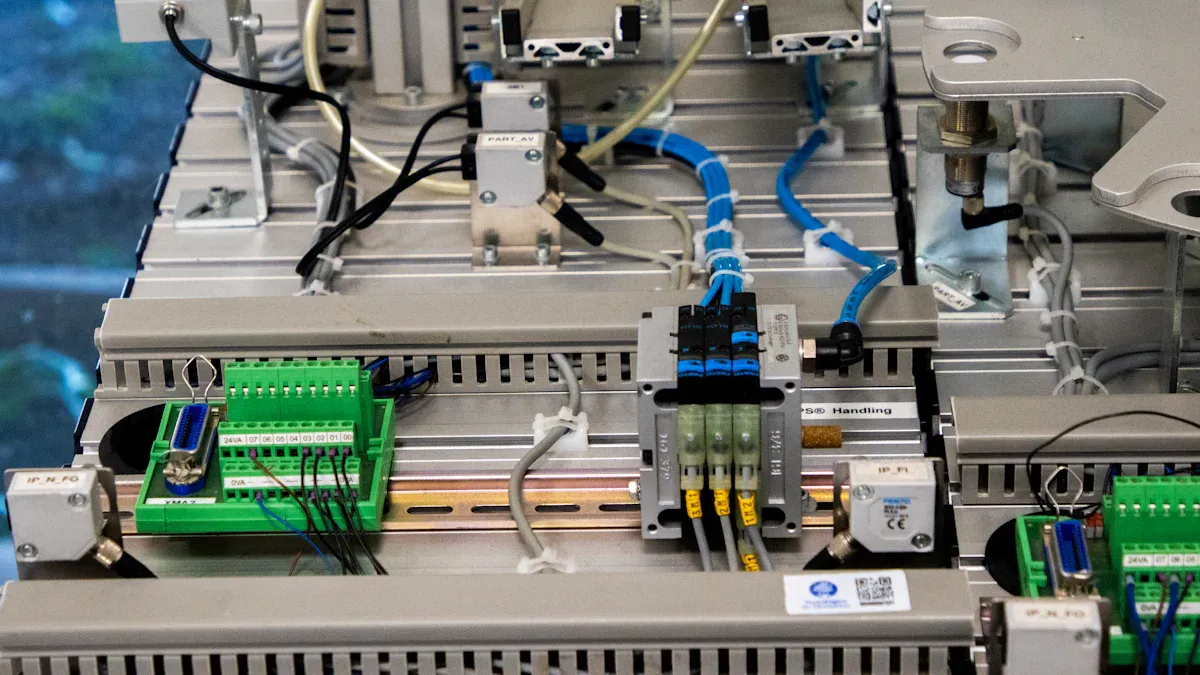
You need the right cable glands when you work in dangerous places. Hazardous location cable glands protect your wiring in areas with flammable gases, dust, or vapors. These glands keep sparks and heat from escaping, which helps prevent fires or explosions. You often see hazardous location cable glands in class 1 div 1 and class 1 div 2 areas. These zones need explosion-proof cable glands and explosion-proof enclosures to meet strict safety codes. If you work in ex-rated zones or use intrinsically safe cable systems, always pick certified hazardous area solutions. Explosion-proof cable glands and explosion-proof enclosures work together to keep your site safe.
Industrial and Commercial Use
You face different challenges in industrial and commercial settings. Industrial sites need high-quality cable glands that handle moisture, vibration, and chemicals. Commercial spaces usually have cleaner, more stable conditions. Here’s a quick look at what each environment needs:
| Environment Type | Performance Requirements | Key Factors |
|---|---|---|
| Industrial | Stringent | Moisture, Vibration, Hazardous Materials, Temperature Extremes, Abrasion |
| Commercial | Less Stringent | Cleaner, Predictable Environments, Minimal Stress |
You use cable glands in many places, like manufacturing machinery, automation, and junction boxes. High-quality cable glands also protect outdoor lighting systems, marine electronics, and industrial machinery. Explosion-proof enclosures and hazardous location cable glands are a must in tough industrial jobs.
Types of Cable Glands
You have many choices when it comes to types of cable glands. Metal cable glands work best for medical, chemical, and power equipment. Plastic cable glands fit telecommunications and marine jobs. EMC glands stop electromagnetic interference. Marine cable glands keep water out in wet places. Electric cable glands have earthing clamps for safety. Fire-stop cable glands resist fire and explosions, which is great for railways.
Here’s a quick table to help you match the different types of cable glands to their best uses:
| Material Type | Advantages | Common Applications |
|---|---|---|
| Stainless Steel | High corrosion resistance, strong durability | Marine, food processing, mining |
| Nylon/Plastic | Lightweight, cost-effective | Telecom, marine, automation |
| Brass | Wear-resistant, long-lasting | Outdoor, industrial, power distribution |
You should always choose the right types of cable glands for your project. The different types of cable glands help you meet safety codes and keep your equipment running. If you need explosion-proof solutions, look for glands rated for class 1 div 1 or class 1 div 2. Picking the right cable glands makes your job safer and easier.
Decision Guide
Choosing the Right Cable Gland
You face many choices when you select cable glands for hazardous environments. You want to keep your team safe and your equipment running. Start by thinking about the risks of explosion and the need for certified products. If you work in hazardous zones, you must use cable glands that prevent explosion and meet certified standards. You need to look for glands that seal out dust and water. These features help you avoid explosion and keep hazardous materials contained.
Industry experts suggest you:
- Maintain a proper seal against dust and water to prevent explosion.
- Prevent cable damage or pull-out, especially in hazardous areas.
- Ensure electrical safety and compliance with certified products.
You should assess your environment and application needs. Understand the material options available for hazardous locations. Engage with trusted manufacturers who offer certified solutions for explosion protection. Always consider cable diameter and material compatibility. Evaluate environmental ratings like IP68 or ATEX for hazardous zones. Make sure your cable glands provide proper sealing against dust and water to reduce explosion risk.
Tip: If you work in hazardous locations, never compromise on certified cable glands. The right choice can prevent explosion and keep your site safe.
Checklist for Selection
A checklist helps you avoid mistakes when you choose cable glands for hazardous and explosion-prone areas. Use this guide to make sure you pick certified products that protect against explosion and meet hazardous requirements.
- Select the correct gland size and type based on cable outer diameter for hazardous zones.
- Ensure gland type matches zone classification (explosion-proof, IP rating, etc.).
- Strip cable sheath cleanly without damaging inner insulation in hazardous areas.
- Tighten gland to proper torque—no over or under-tightening to prevent explosion.
- Use shrouds and earth tags as required by certified standards.
- Route and dress cables neatly inside junction boxes or panels—avoid sharp bends in hazardous environments.
- Terminate conductors using appropriate lugs or ferrules for explosion protection.
- Label cables as per the wiring schedule or tag list in hazardous zones.
- Test for continuity, insulation resistance, and grounding to meet certified standards.
- Apply gland sealing compound where applicable (especially in explosion-prone hazardous areas).
Here’s a table to help you check critical factors for hazardous and explosion-prone installations:
| Critical Factor | Importance |
|---|---|
| Material Selection | Ensures compatibility with hazardous conditions and cable type to prevent explosion. |
| Cable Diameter Matching | Prevents mechanical retention loss and seal compromise in hazardous zones. |
| IP Rating Validation | Confirms protection level against dust and water for hazardous and explosion-prone areas. |
| Temperature Rating Match | Ensures gland body and membrane withstand hazardous operational temperatures. |
| Installation Compatibility | Ensures proper techniques maintain certified ratings and explosion protection. |
Selecting cable glands that comply with IEC, ATEX, or UL certifications is essential for hazardous locations. Certified glands help you avoid explosion and keep your installation safe. If you follow this checklist, you reduce risks in hazardous environments and make sure your cable glands meet certified standards.
Remember: The right certified cable gland can make all the difference in hazardous and explosion-prone areas. Use this checklist every time you plan a new installation.
You want the safest option for your project. UL listed cable glands win because they meet strict safety and compliance standards. If you work in regulated industries, check the cable diameter, material, seal rating, and installation environment. Always match the gland to your cable’s inner bedding, lead covering, and sheath type. Use the checklist to guide your choice. For unique setups, talk to a specialist or do more research. Your equipment and team deserve the best protection.
FAQ
What does UL listed mean for cable glands?
UL listed means your cable gland passed strict safety and quality tests. You get a product that meets North American standards. This helps you stay compliant and keeps your equipment safe.
Can I use standard cable glands in hazardous locations?
You should not use standard cable glands in hazardous areas. These places need certified glands that prevent explosions and meet safety codes. Always check for UL or ATEX certification.
Are UL listed cable glands waterproof?
Most UL listed cable glands have IP68 ratings. You can use them in wet or dusty environments. They keep water and dust out, protecting your cables and connections.
Do UL listed cable glands cost more?
Yes, UL listed cable glands usually cost more upfront. You pay for better safety, durability, and compliance. Over time, you save money on repairs and replacements.
How do I choose the right cable gland for my project?
Start by checking your environment and cable type. Look for UL listed glands if you need top safety. Use the checklist in this blog to match size, material, and rating to your needs.