You might wonder what is a ct cabinet electrical. In simple terms, a CT cabinet holds current transformers that help measure electrical flow in power systems. You use these cabinets to keep electrical workers safe and to make sure meters give accurate readings. CT cabinets also help you monitor your system and spot problems faster.
- CT cabinets protect you and your equipment.
- They make metering easier and more reliable.
Key Takeaways
- CT cabinets hold current transformers that measure electrical flow, ensuring safety and accurate readings.
- Proper installation and maintenance of CT cabinets enhance safety and reliability in electrical systems.
- Regular inspections of CT cabinets help prevent overloads and ensure smooth operation.
- Choosing the right CT cabinet involves considering current ratings, accuracy, and future expansion needs.
- CT cabinets are useful in various settings, including homes, schools, and commercial buildings, for advanced metering.
What Is a CT Cabinet Electrical
Definition and Main Function
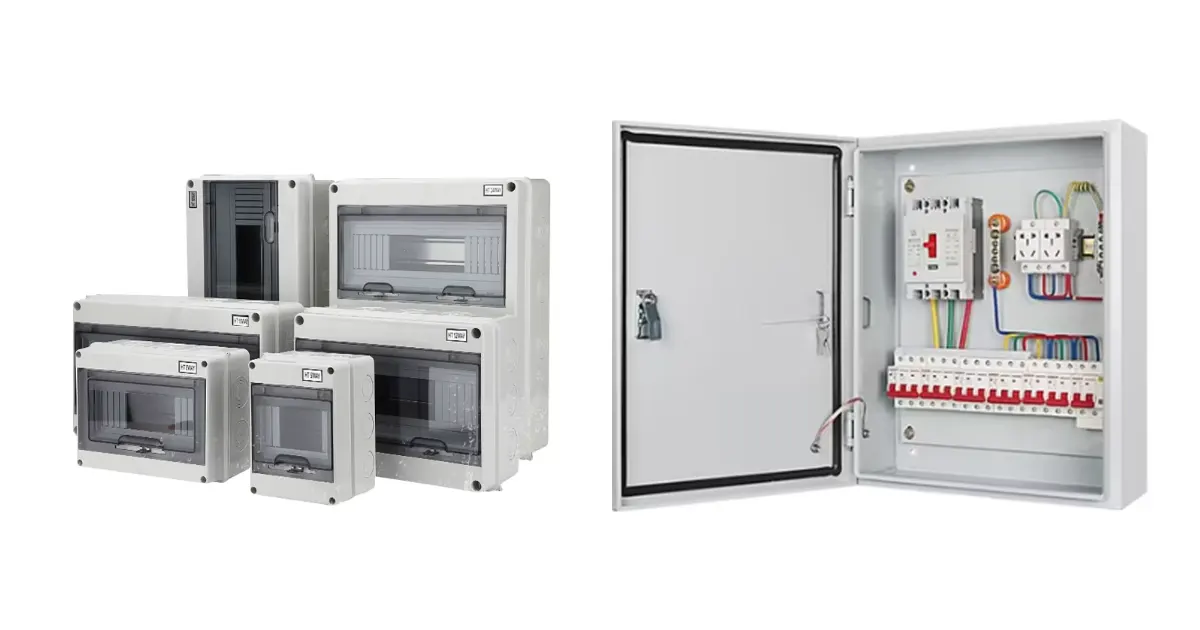
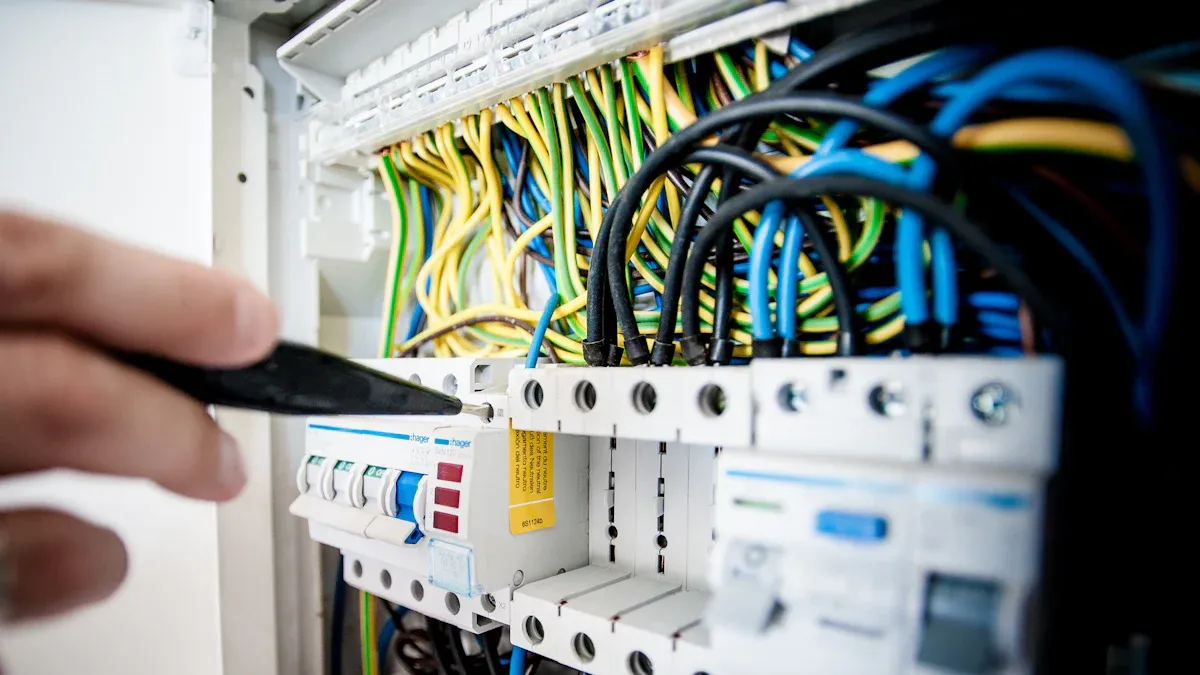
If you want to understand what is a ct cabinet electrical, you should start with the basics. A CT cabinet is a special box that holds current transformers, which measure the amount of electricity flowing through each phase in a power system. You usually see these cabinets managed by utility companies because they play a big part in tracking energy use.
- A CT cabinet keeps current transformers safe and organized.
- You use one CT for each phase to get accurate readings.
- The cabinet helps you monitor how much electricity you use and spot problems early.
When you ask what is a ct cabinet electrical, you’re really asking about a tool that makes your electrical system smarter and safer. These cabinets have a modular design, so you can add more sensors if your building or system grows. You also get simplified wiring, which means less confusion and faster installation. If you need to monitor a large network, CT cabinets let you map up to 40 channels and analyze data in real time. This makes it easier for you to see patterns and make smart decisions about your energy use.
Tip: CT cabinets are not just for big commercial buildings. You can find them in schools, hospitals, and even some homes that need advanced metering.
Safety and Metering Role
You might wonder how a CT cabinet helps with safety and metering. The answer is simple: it protects you and your equipment while making sure your meter readings are correct. When you work with electricity, safety comes first. CT cabinets use special insulators to keep live wires away from grounded metal parts. This stops dangerous flashovers and faults.
Here’s a quick look at some safety features you’ll find in a CT cabinet:
| Safety Feature | Description |
|---|---|
| CT Insulators | Keep live conductors isolated from grounded enclosures to prevent accidents |
| Physical Security | Hold the CTs in place for accurate measurements and prevent movement |
You should always short the CT terminals before you remove a meter or relay. This simple step keeps you safe during maintenance.
When you ask what is a ct cabinet electrical, you also need to think about metering. CT cabinets help you get reliable readings, but you should know that voltage changes can affect accuracy. For example:
| Voltage Level | Potential Error |
|---|---|
| 220V | 9% under-recovery |
| 260V | 8% over-billing |
| Total Error | Up to 17% |
If you want the best results, you should choose a cabinet with high-quality CTs and meters. Some cabinets, like those from KROHNE, have a modular design that makes installation quick and reduces downtime. You spend less time training operators and need fewer spare parts. Multifunction meters cost more at first, but they save you money over time by improving efficiency.
CT cabinets also help you follow electrical safety standards. They protect sensitive components from damage and make sure your system runs reliably. If you install a CT cabinet in a commercial building, you need to follow tax and labor rules. For example, labor charges for installing stock cabinets can be excluded from sales tax if you list them separately.
So, when you think about what is a ct cabinet electrical, remember that it’s more than just a box. It’s a key part of your electrical system that keeps you safe, helps you track energy use, and makes sure you follow the rules.
Current Transformer Cabinet Applications
Electrical Distribution Systems
You see current transformer cabinets in almost every modern electrical distribution system. These cabinets play a big role in keeping your power network safe and reliable. When you use current transformers, you can measure high currents without putting yourself or your equipment at risk. The current transformer cabinet acts as a shield, reducing the danger from high voltage and making it easier to check the flow of electricity.
Current transformers inside the cabinet lower the current to a safe level. This lets you monitor your system closely and catch problems before they get worse. You can trust your readings because the cabinet keeps everything organized and protected. When you have accurate data, you can make smart choices about repairs or upgrades. This setup boosts the reliability of your entire electrical network.
If you want your electrical system to run smoothly, you should always include a current transformer cabinet in your design.
Typical Installation Locations
You might wonder where you should install a current transformer cabinet. The answer depends on a few important rules and best practices. Utility companies and local codes often decide the exact spot. Sometimes, you need to send your plans for approval before you start the job. You also want to keep the cabinet close to the utility meter for easy access and accurate readings.
Here’s a quick table to help you remember the main points:
| Requirement | Description |
|---|---|
| Utility Regulations | Installation location is subject to utility company regulations and local codes. |
| Approval Process | Drawings may need to be submitted for approval regarding the placement of CT cabinets. |
| Proximity to Meters | CT cabinets should be located near utility meters. |
You often find these cabinets in commercial buildings, schools, hospitals, and large apartment complexes. By following the rules and placing your current transformer cabinet in the right spot, you make sure your system stays safe and easy to maintain.
Current Transformer Cabinet Components
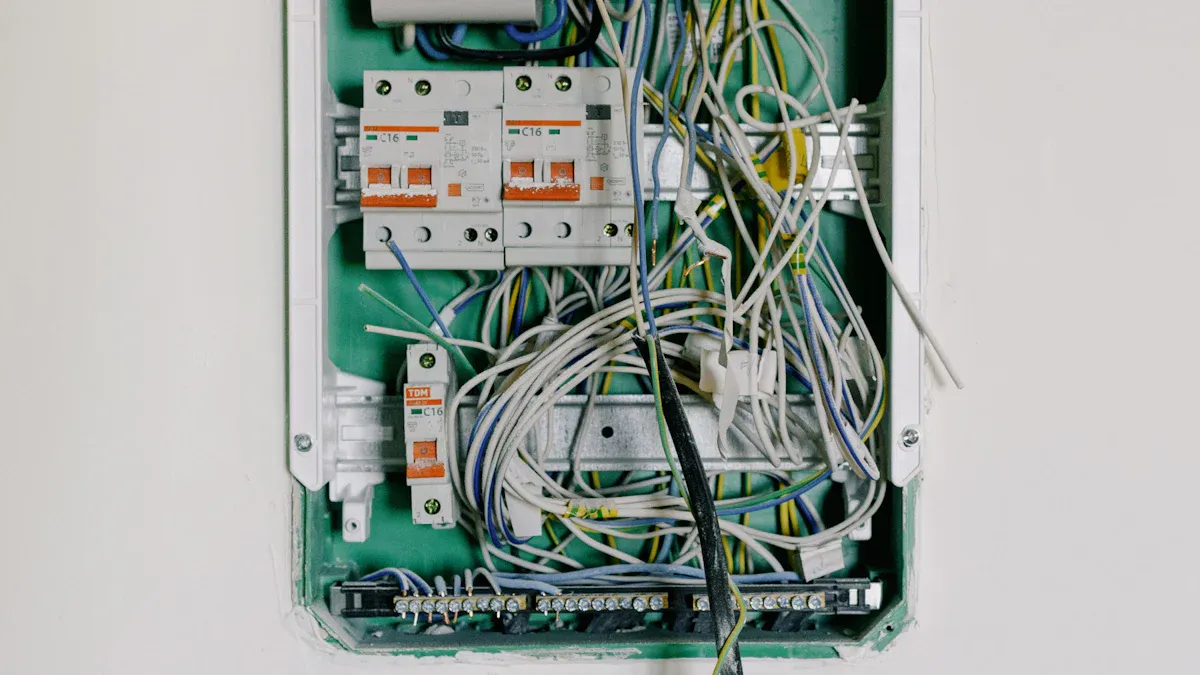
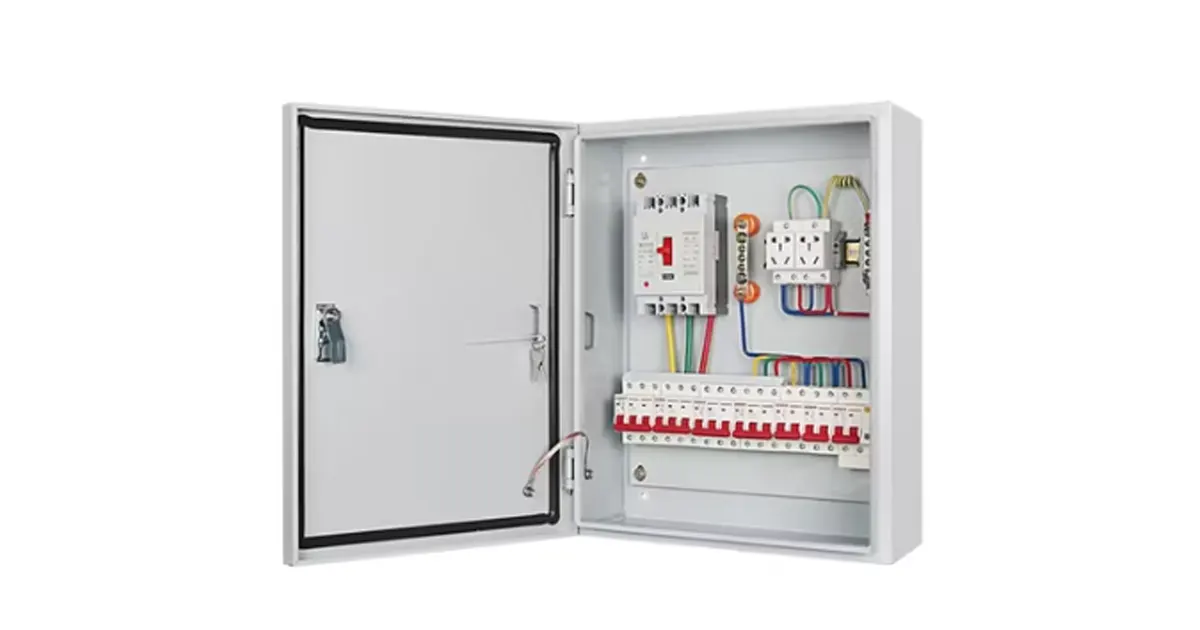
When you open a CT cabinet, you’ll find a few key parts that make everything work together. Each part has a special job. Let’s break down what you’ll see inside.
Current Transformers (CTs)
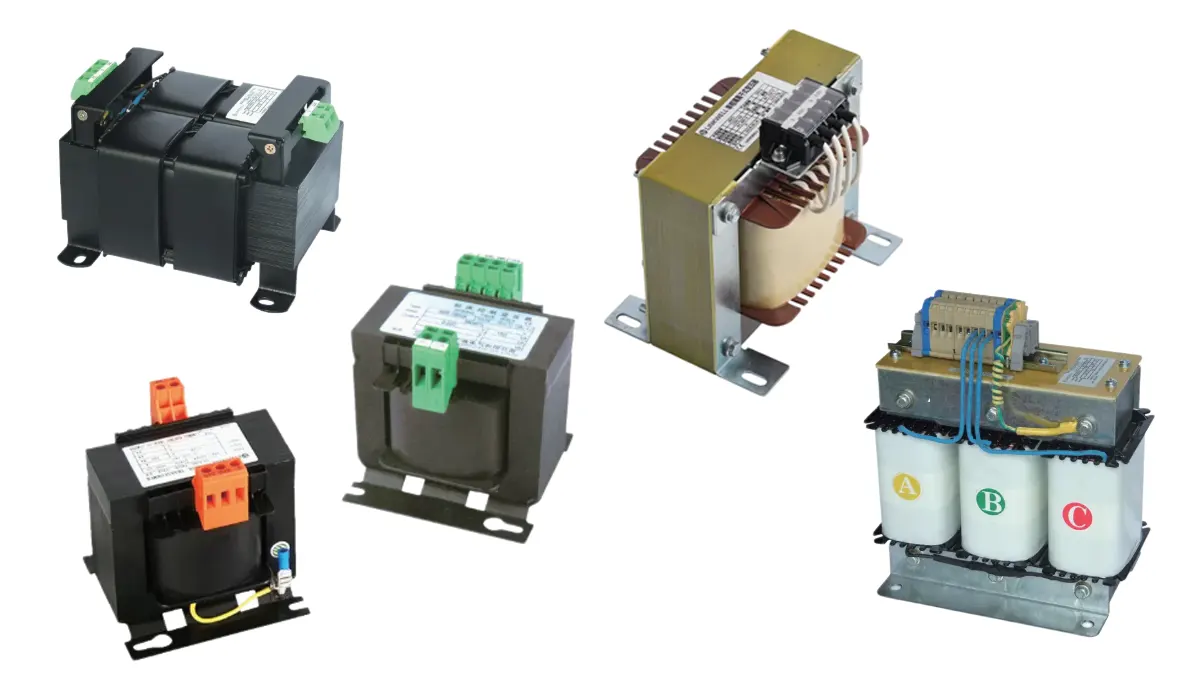
Current transformers, or CTs, sit at the heart of your cabinet. You use them to measure the flow of electricity without touching dangerous high-voltage wires. CTs wrap around the main power lines and “transform” large currents into smaller, safer values. This way, you can measure big amounts of electricity with regular meters.
You’ll usually see one CT for each phase of your system. If you have a three-phase setup, you’ll spot three CTs lined up inside the cabinet. These devices help you track energy use and spot problems before they get out of hand.
Tip: Always make sure your CTs match the current rating of your system. Using the wrong size can lead to inaccurate readings.
Metering Devices
Metering devices connect to the CTs and show you how much electricity flows through your system. Not all meters work the same way. Some offer basic readings, while others give you detailed data and advanced features.
Here’s a quick look at what sets different meters apart:
| Parameter | Description |
|---|---|
| Accuracy Class | Tells you how precise the meter’s measurements are. |
| Rated Burden | Shows the maximum load the meter can handle without errors. |
| Frequency Response | Affects how well the meter tracks changes and measures harmonics. |
| Protection Level (IP) | Lets you know if the meter can handle dust or water in your environment. |
| Installation Method | Impacts how easy it is to install and how accurate the readings will be. |
If you want reliable data, pick a meter that fits your needs and matches your CTs.
Terminals and Wiring
Terminals and wiring connect everything inside your CT cabinet. Good wiring keeps your readings accurate and your system safe. You’ll find labeled terminals that make it easy to hook up meters and other devices.
Industry standards help you know your cabinet is built right. Here are some you might see:
| Standard | Description |
|---|---|
| UL 414 | Listed; Type 3R; File No. E240312 |
| UL 50, 50E | Listed; Type 3R; File No. E27525 |
| cUL | Listed per CSA C22.2 No 94; Type 3R |
| NEMA | Type 3R |
| IEC 60529 | IP32 |
If you follow these standards, you’ll keep your system safe and up to code. Always double-check your wiring and terminal connections before you close up the cabinet.
Selecting the Right CT Cabinet
Key Factors and Sizing
When you start choosing the right ct cabinet, you want to look at more than just the size. You need to think about how much current your system handles and how accurate your measurements need to be. If you work with high-amperage systems, pay close attention to these factors:
| Factor | Description |
|---|---|
| CT Accuracy Class | Tells you how precise your current transformer is. The lower the class number, the better. |
| Accuracy Limit Factor | Shows if your CT can handle fault conditions and big surges. |
| Knee Point Voltage | Helps you know when your CT stops working properly during faults. |
| Burden of CT Working | Measures how much resistance is in your circuit, which can change your readings. |
| Short-Time Current Rating | Tells you how much fault current your CT can take for a short time without damage. |
You also want to make sure your cabinet fits your CTs comfortably. If you plan to expand your system later, pick a cabinet with extra space. Check the temperature and humidity in your area. Cabinets that get too hot or damp can cause problems and shorten the life of your equipment.
- Proper sizing keeps your CTs working well.
- Extra space lets you add more CTs if you need them.
- Good ventilation and moisture control help with safety and reliability.
Common Mistakes to Avoid
You might think installing a CT cabinet is simple, but small mistakes can lead to big problems. Here are some best practices to help you avoid trouble:
- Secure each CT with a nylon cable tie so it doesn’t open by accident.
- Put the CT on the correct phase conductor for accurate readings.
- Keep about 1 inch between CTs to stop magnetic interference.
- Make sure the CT opening isn’t more than 50% bigger than the conductor.
- Face the CT label or arrow toward the current source.
- Match the CT wires to the right terminals—white to white dot, black to black dot.
- Cut CT lead wires short to reduce electrical noise.
- If you need longer wires, use twisted-pair wires in conduit to meet code.
If you skip these steps, you risk poor measurements or even damage. Always double-check your work to keep your system safe. Paying attention to these details helps you avoid costly repairs and keeps your electrical system running smoothly.
Tip: Careful installation and regular checks boost safety and make your CT cabinet last longer.
You now know that a CT cabinet helps you measure and control electricity safely. These cabinets use current transformers to step down high currents, making it easy to track power and protect your system. When you install and maintain your CT cabinet the right way, you boost safety and keep your equipment running smoothly.
- CT cabinets use electromagnetic induction for accurate readings.
- Proper installation and insulation prevent accidents.
- Regular checks help you avoid overloads and short circuits.
Want to learn more? Explore guides on electrical metering and system protection to keep your knowledge growing.
FAQ
What does a CT cabinet do in my building?
A CT cabinet lets you measure how much electricity flows through your system. You get safer access to current transformers and easier meter readings. This helps you track energy use and spot problems early.
Can I install a CT cabinet myself?
You should not install a CT cabinet on your own. Always hire a licensed electrician. This keeps you safe and makes sure your system meets local codes and safety standards.
Where should I place a CT cabinet?
You want to put your CT cabinet close to the main electrical panel or utility meter. This makes wiring simple and keeps your readings accurate. Always check with your utility company for the best spot.
How often should I check my CT cabinet?
You should inspect your CT cabinet at least once a year. Look for loose wires, dust, or signs of damage. Regular checks help you avoid bigger problems and keep your system running smoothly.
Do CT cabinets work in homes?
Yes, you can use CT cabinets in homes, especially if you need advanced metering or have a large electrical system. Most homes do not need them, but they help with detailed monitoring.