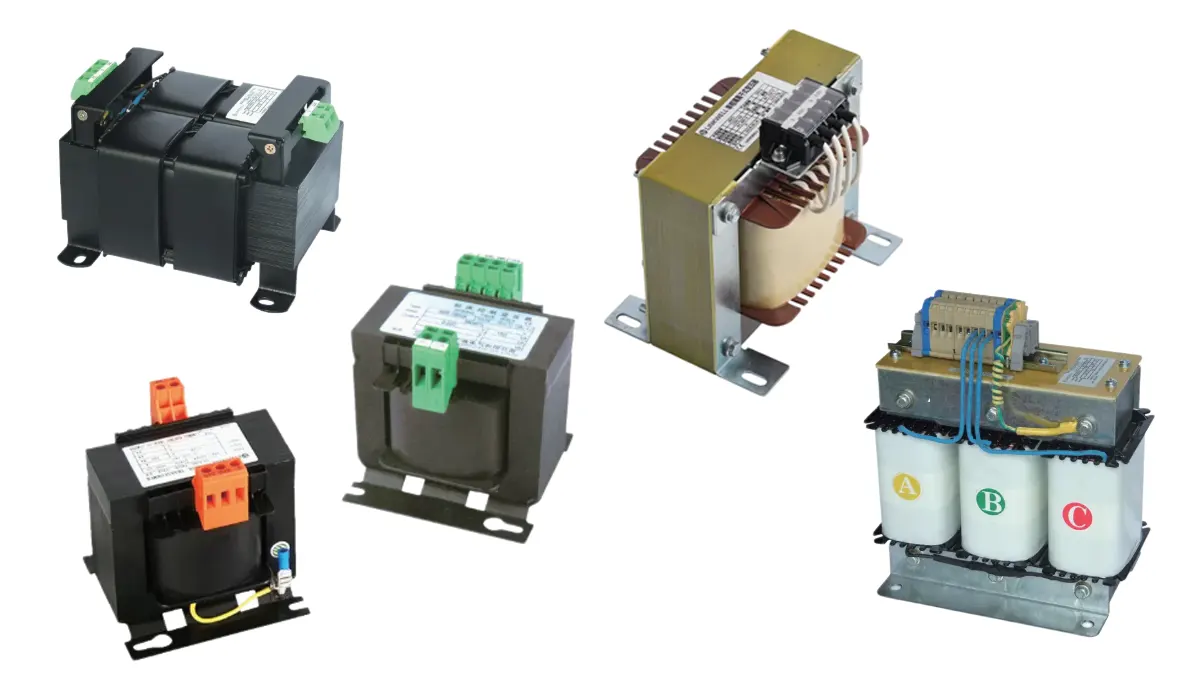
You want your equipment running smoothly, right? Picking the right medium voltage control power transformer isn’t just about numbers—it’s about keeping your system safe and reliable. When you match transformer specs to your needs, you prevent overheating and avoid equipment failure. Using a control power transformer designed for the correct frequency and load protects your circuits and saves energy. Linkwell offers expert support, so you can feel confident choosing a medium voltage control transformer that fits your application perfectly.
Key Takeaways
- Always check the input and output voltage before choosing a transformer. This ensures your equipment works properly and avoids damage.
- Calculate the VA rating by listing all loads and adding a safety margin. This prevents overloads and keeps your system running smoothly.
- Look for transformers with UL, CE, and ISO9001 certifications. These ensure safety, quality, and compliance with industry standards.
- Consider environmental factors like temperature and humidity. Choose a transformer designed for your specific conditions to extend its lifespan.
- Avoid common mistakes like undersizing or oversizing your transformer. Proper sizing prevents overheating and saves money in the long run.
Understanding Medium Voltage Control Power Transformers
What Is a Control Power Transformer
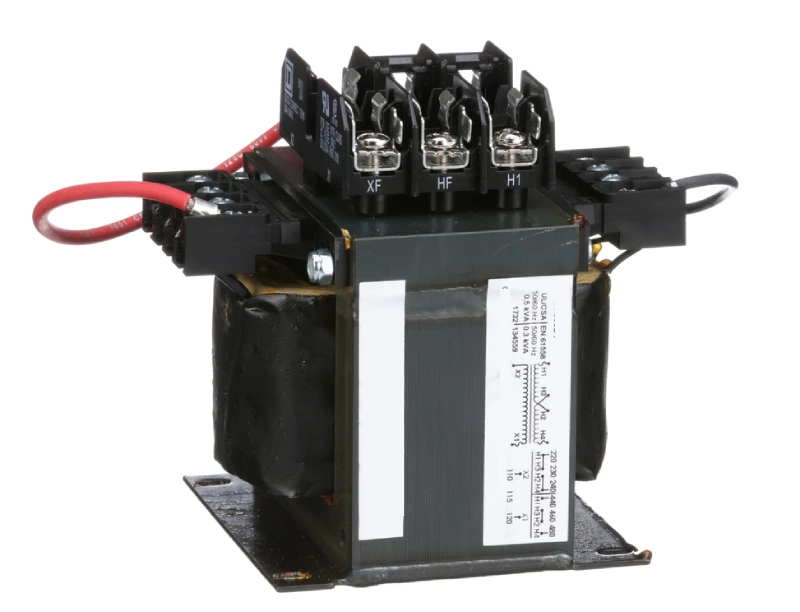
You might wonder what makes a medium voltage control power transformer so important in your industrial setup. This type of power transformer steps down higher voltages to safer, usable levels for control circuits. It keeps your sensitive devices—like relays, timers, and switches—running smoothly, even when the main power supply fluctuates. You get a steady, reliable voltage that protects your equipment and helps your system work efficiently.
Linkwell stands out as a trusted partner in this field. With decades of experience, Linkwell offers a wide range of medium voltage control transformer solutions. Their transformers are built for durability, safety, and energy efficiency. You can find models that fit many different applications, from manufacturing plants to telecom systems.
Tip: Choosing a transformer from a reputable brand like Linkwell means you get certified quality and expert support for your project.
Here’s a quick look at the range Linkwell provides for industrial applications:
| Voltage Category | Voltage Range | Power Capacity Range |
|---|---|---|
| Medium Voltage | 1kV – 69kV | 2.5 MVA – 25 MVA |
Key Functions in Industrial Systems
A medium voltage control power transformer does more than just lower voltage. It plays several key roles in your industrial system:
- Supplies stable voltage to control circuits and equipment, so your sensitive components always get the power they need.
- Maintains the reliability and performance of control systems in industries like manufacturing and automation.
- Powers key elements, such as relays and timers, giving you precise control over mechanical processes.
- Provides noise isolation, which helps reduce electrical interference from heavy machinery.
- Boosts the overall efficiency of your production system, making your operations smoother and more dependable.
When you choose a Linkwell transformer, you invest in proven technology that supports your system’s safety and performance. Their expertise ensures you get the right solution for your needs, every time.
Why Proper Selection Matters
Safety and Compliance
When you choose a power transformer for your industrial system, safety should always come first. The right selection keeps your team and equipment protected. You also need to meet strict industry standards. These rules make sure your control power transformer works safely and efficiently in any environment.
Here’s a quick look at the main compliance aspects you should know:
| Compliance Aspect | Description |
|---|---|
| Energy Performance | IEC standards include energy performance, eco-design, and efficiency classifications as integral parts of compliance. |
| Design and Testing | The IEC 60076 series defines key aspects such as design, manufacturing, testing, insulation, and safety. |
| Fire Prevention Measures | IEC requires fire prevention measures such as oil containment pits and flame-retardant fluids. |
| Environmental Provisions | Detailed provisions cover electrical protection, fire prevention, noise control, and material recycling. |
If you want peace of mind, always look for a medium voltage control power transformer that meets UL, CE, and ISO9001 certifications. Linkwell’s transformers check all these boxes. You get a product that not only protects your system but also helps you pass inspections and audits with ease.
Note: Choosing a certified power transformer reduces risks and keeps your operations running smoothly.
System Performance and Longevity
Proper selection does more than keep you compliant. It also boosts your system’s performance and extends its life. When you size your transformer correctly and match it to your load, you avoid common problems like overheating or early failure.
- You prevent insulation from breaking down, which keeps your equipment safe.
- You manage thermal stress and short-circuit currents, so your whole system lasts longer.
- You keep your transformer at the right temperature, which means less wear and tear over time.
With Linkwell’s expert support, you can make the right selection every time. Their team helps you find a solution that fits your needs and keeps your business running at its best.
Key Criteria for Choosing a Medium Voltage Control Transformer
Choosing the right medium voltage control power transformer starts with understanding your system’s needs. You want a transformer that fits your application, boosts efficiency, and keeps your equipment safe. Let’s break down the most important criteria you should consider before installation.
Input and Output Voltage
Getting the input and output voltage right is the first step. If you skip this, your equipment might not work or could even get damaged. Always check your supply voltage and make sure it matches the transformer’s input. Standard input voltages include 208V, 240V, and 480V. For output voltage, you’ll often see 120V or 24V, which are perfect for things like PLCs, relays, or pilot lights.
Here’s a quick checklist to help you:
- Verify your supply voltage compatibility before installation.
- Check the voltage requirements for all connected devices.
- Confirm the exact input and output voltage and current values needed for your system.
If you’re not sure, Linkwell’s team can help you select a transformer with the right voltage specs. Their customization options mean you always get a perfect fit for your project.
VA Rating and Load Analysis
You need to know how much power your transformer must handle. This is where VA capacity and power rating come in. Start by listing every load your transformer will support—lighting, motors, control panels, and more. Convert each load into kVA using the right formulas. Remember, not all loads run at the same time, so factor in demand diversity.
Here’s a simple step-by-step approach:
- List all loads (lighting, motors, equipment) that will connect to the transformer.
- Calculate the total kVA for each load.
- Add up the kVA values for all loads.
- Apply a safety margin—usually 125% of the anticipated load.
- Compare your total with the transformer’s rating plate.
This process ensures your transformer won’t get overloaded during installation or operation. Linkwell’s control power transformers are designed to handle high inrush currents and offer reliable performance, even in demanding environments.
Frequency and Environmental Factors
Frequency matters. Most industrial systems use either 50Hz or 60Hz. Make sure your transformer matches your system’s frequency for maximum efficiency and safe installation.
Environmental factors can affect transformer performance and maintenance. High temperatures speed up insulation aging, while low temperatures can change oil viscosity. Humidity and moisture can break down insulation, cause corrosion, and lead to partial discharges.
| Environmental Factor | Effect on Transformers |
|---|---|
| Ambient Temperature | High temperatures accelerate insulation aging; low temperatures reduce oil viscosity |
| Humidity & Moisture | Ingress leads to insulation breakdown, corrosion, and partial discharges |
You want a transformer that can handle your site’s conditions. Linkwell offers transformers with robust insulation and special enclosures for harsh environments. Their products are built for long-term efficiency and easy maintenance, even in tough settings.
Certifications and Standards
Certifications are your guarantee of safety, quality, and efficiency. Always look for transformers that meet global standards. The most important certifications for industrial power transformers include:
| Certification | Description |
|---|---|
| UL Listed | Ensures compliance with safety regulations. |
| CE Mark | Confirms conformity with European safety standards. |
| ISO 9001:2015 | Quality Management System certification. |
Linkwell’s transformers carry UL, CE, and ISO9001 certifications. This means you get products that pass strict tests for safety and performance. If your project has unique requirements, Linkwell can customize a solution that meets both your technical and compliance needs.
Tip: Certified transformers make installation easier, reduce maintenance headaches, and help you pass inspections with confidence.
When you choose a transformer from Linkwell, you get more than just a product. You get expert support, fast delivery, and the peace of mind that comes from working with a global leader in efficiency and reliability.
Sizing Your Control Power Transformer
Getting the right size for your power transformer isn’t just about crunching numbers. You want your equipment to run safely and efficiently, and you don’t want to deal with unexpected shutdowns. Sizing your control power transformer the right way helps you avoid overloads, keeps your system stable, and saves you money in the long run. Let’s walk through the process together.
Sizing Method and Calculations
You might feel overwhelmed by all the technical details, but sizing your control power transformer can be straightforward. Start by figuring out how much power your system needs. You’ll need to look at every device connected to the transformer and add up their power requirements.
For a three-phase transformer, multiply the voltage by the amperage, then by 1.732, and divide by 1,000 to get the kVA rating.
Here’s a simple step-by-step method you can follow:
- Establish Total Load: List all the devices and equipment that will connect to your transformer. Write down their power ratings.
- Determine Present Load Requirements: Add up the power consumption for each device. Make sure you use realistic numbers based on how your system operates.
- Account for Peak Load and Diversity Factors: Think about times when your system might use more power, like during startup or heavy production. Apply a diversity factor to adjust your total load to a realistic maximum.
You can use these formulas to calculate the kVA rating:
To calculate the kVA rating for a single-phase transformer, multiply the required input voltage (V) by the required current load in amperes (I) and divide by 1,000. For three-phase transformers, use V × I × 1.732 ÷ 1,000.
Here’s a quick table to help you:
| Transformer Type | Formula for kVA Calculation |
|---|---|
| Single-Phase | Voltage × Amperage ÷ 1,000 |
| Three-Phase | Voltage × Amperage × 1.732 ÷ 1,000 |
If you’re not sure about the numbers, Linkwell’s team can help you with sizing your control power transformer. Their experts offer support and can customize a solution that fits your exact needs.
Considering Inrush and Future Loads
Sizing your control power transformer isn’t just about today’s needs. You need to think about what happens when you first turn on your equipment. That’s where inrush va comes in. When you energize a transformer, it draws a much higher current for a short time. This inrush va can trip protective devices if you don’t plan for it.
- Inrush va needs careful attention. If you ignore it, your system might experience nuisance tripping, causing unnecessary interruptions.
- Overcurrent protection devices must be coordinated to handle inrush va. This keeps your system running smoothly.
- Transformer design and protective devices should work together to manage high inrush va during startup.
You also want to plan for the future. Maybe you’ll add more equipment or expand your operations. When sizing your control power transformer, include a margin for future loads. This way, you won’t need to replace your transformer when your business grows.
Tip: Always add extra capacity for inrush va and future expansion. This keeps your system flexible and reliable.
Linkwell understands these challenges. Their transformers are built to handle high inrush va and can be customized for your specific application. If you need help with sizing your control power transformer, Linkwell’s support team is ready to guide you. You get expert advice, fast delivery, and solutions tailored to your business.
Choosing the right power transformer means you protect your equipment, avoid downtime, and set your business up for success. With Linkwell’s expertise, you can feel confident every step of the way.
Types of Power Transformers for Control Circuits
Dry-Type vs. Oil-Filled
You have two main choices when picking a power transformer for your control circuits: dry-type or oil-filled. Each type has its own strengths and best-fit applications. Let’s make it easy to compare:
| Feature | Dry-Type Transformer | Oil-Immersed Transformer |
|---|---|---|
| Cooling & Insulation | Air or solid insulation (like epoxy) | Mineral or synthetic oil |
| Where to Install | Indoors—data centers, hospitals, offices | Outdoors—substations, factories |
| Fire Safety | Excellent—no flammable oil | Needs fire barriers, higher risk |
| Maintenance | Low—no oil checks needed | Regular oil checks and care |
| Voltage Range | Up to 35 kV, small-to-medium loads | Over 35 kV, large loads |
| Efficiency | Slightly higher losses | Better heat dissipation |
| Environmental Impact | No oil leaks, eco-friendly | Oil leaks possible, more risk |
| Cost | Higher upfront, lower upkeep | Lower upfront, higher upkeep |
| Best Use | Indoor, fire-sensitive spots | Outdoor, heavy-duty sites |
For example, you might choose a dry-type transformer for an office or data center. It’s safe, clean, and easy to maintain. If you need a power transformer for an outdoor substation or a large industrial site, oil-filled models handle bigger loads and tougher conditions. Linkwell offers both types, so you can always find the right fit for your project.
Tip: If you want less maintenance and more safety indoors, dry-type is your best bet. For outdoor or high-capacity needs, oil-filled transformers shine.
Isolation and Auto Transformers
You also need to decide between isolation transformers and auto transformers for your control power transformer setup. Each serves a unique purpose.
Here’s when you should pick an isolation transformer:
- You need to protect medical equipment and keep patients safe.
- You use test or measurement devices that require clean, stable power.
- You want to remove hum and noise from audio equipment.
- You run industrial control systems with sensitive electronics.
- You support telecom gear that needs strong noise immunity.
- You need safe adapters for different international power systems.
Isolation transformers give you extra safety and noise protection. Auto transformers work well when you only need to adjust voltage without full isolation. Linkwell’s experts can help you choose the right transformer for your control circuits, making sure your system stays safe and reliable.
Note: Not sure which type you need? Reach out to Linkwell for guidance and custom solutions that match your exact requirements.
Ensuring Compatibility and Integration
Matching with Existing Equipment
You want your new power transformer to work seamlessly with your current setup. Compatibility matters because mismatched equipment can lead to downtime or costly repairs. Start by checking the voltage and current ratings of your existing devices. Make sure the transformer’s output matches what your control circuits need. Look at the physical size and mounting style, too. Some cabinets have limited space, so you need a transformer that fits without forcing changes to your layout.
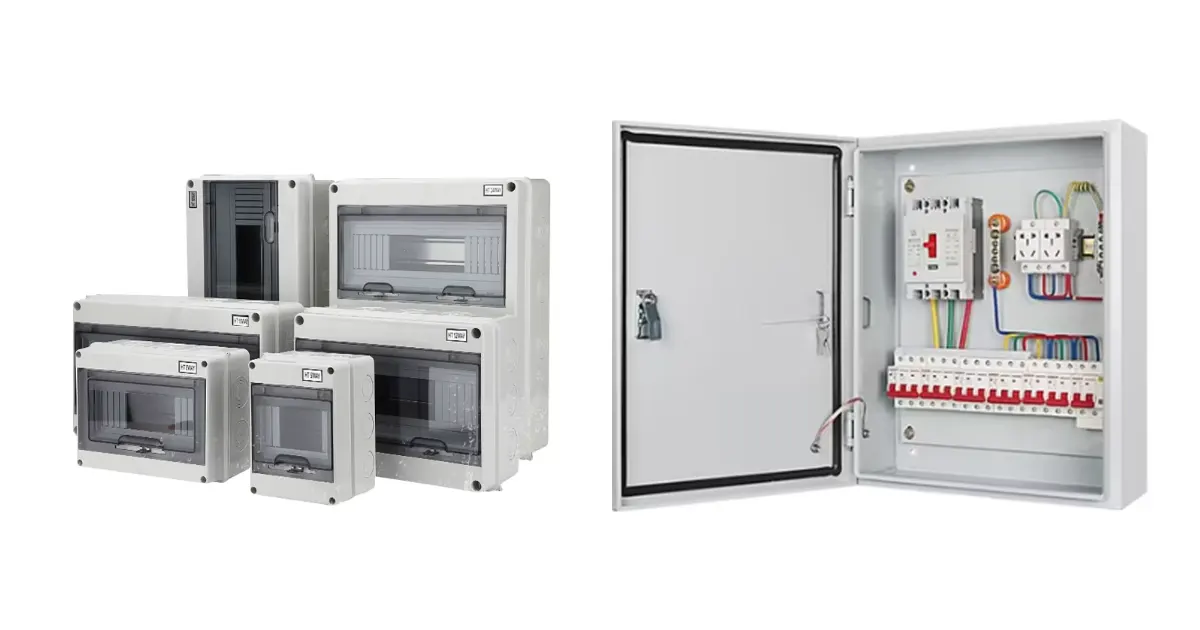
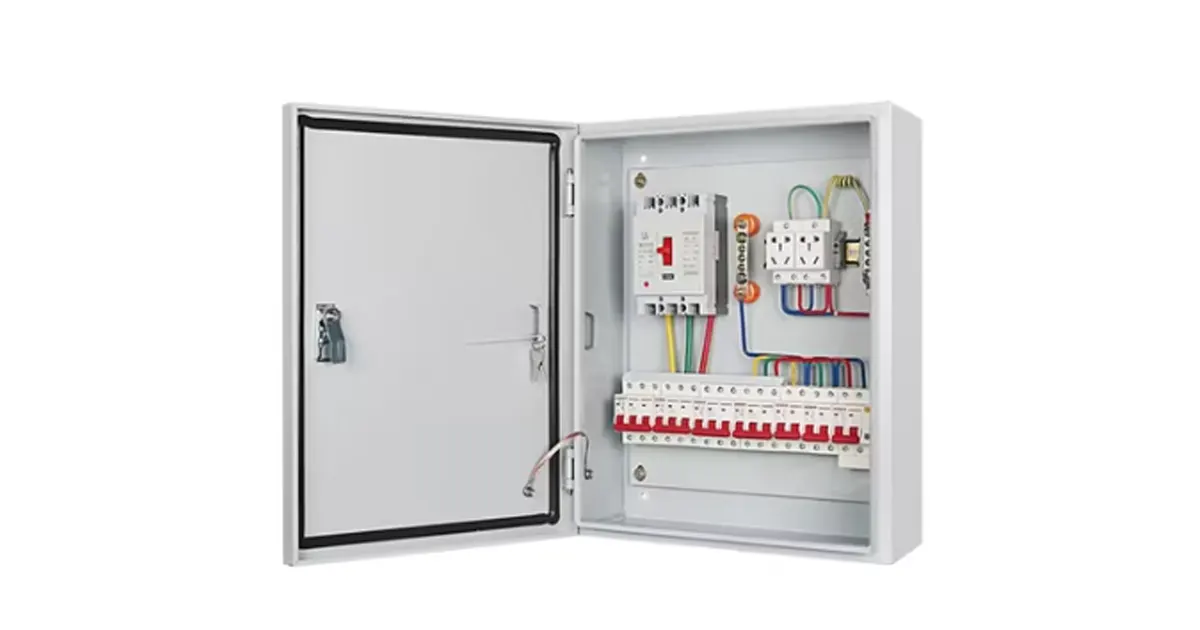
If you use automation panels, telecom cabinets, or specialized machinery, you should confirm that the transformer’s terminals and wiring match your system. This step helps you avoid wiring errors and keeps installation simple. Linkwell offers a range of options and custom solutions, so you can find a power transformer that fits your equipment perfectly. Their team can guide you through compatibility checks, saving you time and hassle.
Tip: Always review your equipment’s specs before installation. If you’re unsure, reach out to Linkwell for expert advice and support.
Integration with Protection Devices
Protecting your system is just as important as powering it. When you install a control power transformer, you need to make sure it works well with your protection devices. Here are some best practices:
- Set up a low-resistance grounding system to keep faults under control.
- Use protective relays and circuit breakers for fast fault detection and isolation.
- Add surge arresters and coordinate insulation to shield your system from voltage spikes.
- Install Buchholz relays and temperature or pressure monitors for early warning of faults.
- Follow international standards like IEC, IEEE, and ANSI for design and safety.
These steps help you prevent damage and keep your system running smoothly. Linkwell’s transformers are designed for easy integration with protection devices. Their experts can help you select the right accessories and ensure your installation meets all safety standards.
If you want a hassle-free experience, consult Linkwell for compatibility and integration support. Their team is ready to help you build a reliable, safe, and efficient system.
Common Mistakes in Selecting Control Power Transformers
Choosing the right power transformer for your industrial setup can feel tricky. You want to avoid common mistakes that can lead to downtime, wasted money, or safety risks. Let’s look at the most frequent errors people make and how you can steer clear of them.
Undersizing or Oversizing
Sizing your control power transformer is more than just picking a number off a chart. If you undersize, your system can overheat and break down. If you oversize, you waste energy and money. Here are some mistakes you might run into:
- Skipping pre-installation checks and ignoring the nameplate details.
- Using a “rule of thumb” instead of calculating your actual load and efficiency needs.
- Forgetting to analyze harmonic and non-linear loads.
- Assuming the nameplate MVA is the same as usable capacity.
- Overlooking the impact of impedance and temperature rise.
A regional data center installed a 50 MVA power transformer. Sixteen months later, it failed because the load increased by 30% from new server racks. The transformer overheated, causing a huge outage and expensive repairs. Undersizing leads to heat buildup, insulation damage, and fire risk. Oversizing means poor utilization and higher idle losses.
You want your power to control circuit to stay reliable. Linkwell’s team can help you size your transformer correctly, so you avoid these headaches and keep your system running smoothly.
Ignoring Environmental or Certification Needs
Your environment matters. If you ignore temperature, humidity, or pollution, your power transformer won’t last as long. You also need to check for certifications like UL, CE, and ISO9001. These keep your system safe and help you pass inspections.
| Environmental Factor | Consequence |
|---|---|
| Temperature extremes | Reduced performance and lifespan |
| Humidity | Increased maintenance needs |
| Pollution | Potential safety hazards |
| Seismic activity | Risk of catastrophic breakdowns |
| UV exposure | Premature aging and insulation failure |
| Salt fog | Corrosion and material degradation |
| Flooding risk | Damage to electrical components and safety risks |
If you want peace of mind, always choose a transformer built for your site’s conditions and certified for safety. Linkwell offers products that meet strict standards and can be customized for harsh environments. Their support helps you avoid costly mistakes and keeps your equipment protected.
Conclusion
You’ve made it through the key steps for choosing the right medium voltage control power transformer. Now, you know how to match transformer specs to your system, size your transformer correctly, and check for certifications. You understand why safety, reliability, and compliance matter for your business.
Let’s recap what you should remember:
- Always check your input and output voltage.
- Calculate your VA rating and consider future expansion.
- Pick a transformer built for your environment.
- Look for UL, CE, and ISO9001 certifications.
- Avoid common mistakes like undersizing or ignoring site conditions.
Tip: When you work with Linkwell, you get more than just a transformer. You get expert advice, fast delivery, and custom solutions for your project.
Here’s a quick checklist to help you make your final decision:
| Step | What to Do |
|---|---|
| Sizing | Add up all loads and plan for growth |
| Compatibility | Match with existing equipment |
| Certification | Verify UL, CE, ISO9001 |
| Support | Ask for expert guidance |
You don’t have to figure this out alone. Linkwell’s team stands ready to help you every step of the way. Their certified products and technical support make transformer selection simple and stress-free.
Ready to choose your next control power transformer? Reach out to Linkwell for a solution that fits your needs and keeps your system running strong. You’ll feel confident knowing you made the right choice for your business.
You want your control power transformer to work safely and last for years. Here’s what you need to do:
- Match voltage and power ratings to your system.
- Choose insulation and cooling that fit your environment.
- Check for certifications like UL, CE, and ISO9001.
- Size for peak loads and future growth.
| Why Pick Linkwell? | Benefit |
|---|---|
| Certified Products | Reliable, safe, and easy to maintain |
| Expert Support | Custom solutions and fast answers |
Reach out to Linkwell for advice and tailored solutions. You’ll feel confident making the right choice for your business.
FAQ
How do you pick the right control power transformer for your system?
Start by checking your input and output voltage, load size, and environment. Linkwell’s team can help you match specs and choose a transformer that fits your needs.
Can you customize a transformer for special requirements?
Yes! Linkwell offers custom options for voltage, power rating, mounting style, and enclosure type. You get a transformer built for your exact application.
What certifications should you look for in a transformer?
Look for UL, CE, and ISO9001 certifications. These show the transformer meets safety and quality standards. Linkwell’s products carry all major certifications.
How long does a Linkwell control power transformer last?
You can expect 10–15 years of reliable service. With proper installation and regular checks, Linkwell transformers often last even longer.
Who can you contact for expert support or fast delivery?
Reach out to Linkwell’s support team. You get quick answers, technical guidance, and fast delivery for both standard and custom transformers.