Imagine you walk into your facility and find your electrical enclosure running hot—equipment starts malfunctioning, and you worry about costly downtime. If you don’t match the cooling capacity of a panel mount air conditioner for electrical enclosures to the size and heat load, you risk insulation failure, short circuits, and even safety hazards.
Every air conditioner enclosure needs a cooling solution that protects sensitive devices, saves energy, and fits your operational demands. Linkwell offers reliable options for every environment, keeping your systems safe and efficient.
Key Takeaways
- Calculate the heat load of your equipment to choose the right air conditioner size. This prevents energy waste and equipment failure.
- Select a panel mount air conditioner for harsh environments. It protects sensitive electronics from dust, moisture, and extreme temperatures.
- Use closed-loop cooling systems to keep inside air clean and dry. This design prevents contaminants from affecting your equipment.
- Regularly maintain your air conditioner by cleaning filters and checking for blockages. This ensures efficient cooling and prolongs the unit’s lifespan.
- Consider the mounting options carefully. Choose a location that balances airflow and accessibility for maintenance.
What Is a Panel Mount Air Conditioner?
Definition and Function in Electrical Enclosures
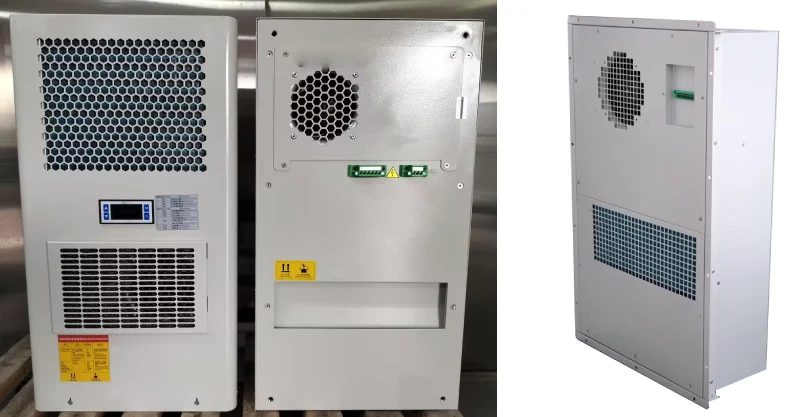
You might wonder what makes a panel mount air conditioner different from a regular air conditioner. A panel mount air conditioner is a compact cooling unit designed to attach directly to the wall or door of an electrical enclosure. Its main job is to keep the inside of the enclosure at a safe, steady temperature. This helps your sensitive electronics work better and last longer.
Here’s what a panel mount air conditioner does for you:
- Increases Equipment Lifespan: Too much heat can damage circuits and shorten the life of your devices. By keeping things cool, you help your equipment last longer.
- Improves Reliability & Efficiency: Stable temperatures mean fewer sudden shutdowns or performance problems. Your systems run smoothly, and you avoid unexpected downtime.
- Protects in Harsh Environments: High IP-rated air conditioners keep out dust, moisture, and temperature swings. Your sensitive equipment stays safe, even in tough conditions.
Many cities require fire panels to be kept in air-conditioned boxes. This controls humidity, heat, and moisture, which is important because a malfunction could lead to injuries or expensive repairs.
When you use a panel mount air conditioner, you give your electrical enclosure the best chance to perform well, even when the environment outside gets rough.
Closed-Loop Cooling Benefits
Closed-loop cooling is a big advantage for electrical enclosures. With this system, the air inside the enclosure never mixes with the air outside. This keeps out dirt, chemicals, dust, and moisture. Your sensitive components stay clean and dry, and you keep the temperature just right.
Closed-loop cooling is especially important for enclosures that need to block out water, corrosive gases, or other harmful substances. If you have a NEMA 4X, NEMA 12, or NEMA 4 enclosure, you need closed-loop cooling to keep your electronics safe from outside threats. This system helps you avoid costly repairs and keeps your equipment running strong.
How Panel Mount Air Conditioners Work
Refrigeration Cycle Overview
You might wonder what happens inside a panel mount air conditioner when it cools your electrical enclosure. The process is simple but powerful. The unit uses a refrigeration cycle to move heat from inside the enclosure to the outside. Here’s how it works:
- The evaporator coil sits inside your enclosure. The refrigerant inside this coil absorbs heat from the air, turning from a liquid into a gas.
- The compressor then pulls in this gas and squeezes it. This step raises the temperature and pressure of the refrigerant.
- Next, the hot gas travels to the condenser coil, which sits outside the enclosure. Here, the refrigerant releases its heat to the outside air and turns back into a liquid.
- Before the refrigerant returns to the evaporator, it passes through an expansion valve. This valve drops the pressure and temperature of the liquid, making it ready to absorb more heat.
This cycle repeats over and over. The refrigerant never mixes with the air inside or outside the enclosure. It just keeps moving heat out, keeping your sensitive electronics cool and safe.
The refrigeration cycle not only cools the air but also removes moisture, which helps protect your equipment from humidity.
Internal and External Airflow Separation
Panel mount air conditioners use a closed-loop design. This means the air inside your enclosure never mixes with the air outside. You get two separate airflow paths:
- The internal fan circulates air within the enclosure, passing it over the cold evaporator coil to remove heat.
- The external fan moves outside air across the condenser coil, carrying away the heat released by the refrigerant.
This setup keeps dust, dirt, and moisture out of your enclosure. Your electronics stay clean and dry, even in harsh or dirty environments. You don’t have to worry about outside air bringing in problems. With this design, you get reliable cooling and better protection for your valuable equipment.
Why Cooling Is Essential for Electrical Enclosures
Common Heat Sources and Risks
You might not realize how much heat builds up inside your electrical enclosure. Every device inside—like power supplies, relays, and drives—creates heat as it works. Sunlight can also add extra warmth if your enclosure sits outdoors. When you let this heat collect, you put your equipment at risk.
Here’s a quick look at what can happen if you don’t manage the temperature:
| Risk | Mitigation Strategy |
|---|---|
| Overheating components | Improve air circulation with ventilation |
| Equipment failure | Integrate cooling systems like fans |
| Fire hazards | Use heat exchangers or air conditioners |
Too much heat can cause wires to melt, circuits to fail, or even start a fire. You want your equipment to last and work safely, so you need a good cooling plan.
Tip: Always check for hot spots inside your enclosure. Even a small rise in temperature can shorten the life of your electronics.
When Fan Cooling Isn’t Enough
Fans work well in some situations, but sometimes they just can’t keep up. You need more powerful cooling when:
- The heat load inside gets too high for fans to handle.
- The outside temperature rises above safe levels.
- Dust or debris clogs filters and blocks airflow.
- The environment has hazardous particles that can build up heat.
- Salt or harsh chemicals threaten to corrode your equipment.
- Extreme weather pushes fans past their limits.
- Water splashes or humidity make fans unsafe or ineffective.
If you face any of these challenges, you should look at closed-loop cooling systems or air conditioners. These options keep your enclosure cool and protect your electronics from outside threats.
Comparing Cooling Solutions for Air Conditioner Enclosures
Panel AC vs Fan Cooling
You might wonder if a simple fan can do the job. Fans move air around and help with basic cooling. They work well when the heat load is low and the outside air is clean and cool. If your enclosure sits in a mild environment, fans can keep things running smoothly.
But fans have limits. They pull outside air into the enclosure. This can bring in dust, moisture, or even corrosive particles. If you need to keep your electronics safe from harsh conditions, a panel air conditioner gives you better protection. It uses a closed-loop system, so the inside air never mixes with the outside air. You get steady cooling and a cleaner environment for your equipment.
If your enclosure faces high heat, humidity, or pollution, a panel AC is the safer choice.
Heat Exchangers vs Air Conditioners
Choosing between a heat exchanger and an air conditioner depends on your needs. Heat exchangers use a passive system to transfer heat from inside the enclosure to the outside. They use DC fans and do not need compressors.
This makes them very energy-efficient. You might see power use as low as 15 to 80 watts. They also keep strong IP protection and need less maintenance. Heat exchangers work well in polluted or coastal areas.
Air conditioners use active refrigeration. They have compressors and use more energy—sometimes between 300 and 2000 watts. But they can cool your enclosure below the outside temperature. This is important if your equipment needs extra protection or if you work in a hot climate.
- Heat exchangers:
- Lower energy use
- Less maintenance
- Good for many environments
- Air conditioners:
- Strong cooling power
- Can cool below ambient temperature
- Best for high heat or sensitive electronics
Think about your enclosure’s location, the heat load, and how much cooling you need. That will help you pick the right solution.
Key Components of a Panel Mount Air Conditioner
Compressor, Condenser, Evaporator
When you look inside a panel mount air conditioner, you find a few main parts that do all the hard work. Each one has a special job in the cooling process. Here’s a quick table to show you what each part does:
| Component | What It Does |
|---|---|
| Refrigerant | Absorbs heat and turns into vapor, moving heat out of your enclosure. |
| Compressor | Squeezes the refrigerant, raising its pressure and temperature. |
| Condenser | Pushes heat out of the refrigerant, so it cools down before starting again. |
| Evaporator | Lets the refrigerant soak up heat from inside, cooling the air. |
| Control System | Checks the temperature and turns on cooling when things get too warm. |
You get even more control with Linkwell’s cabinet air conditioners. They use inverter compressors and smart digital controls. These features help you save energy and keep the temperature steady, even when the weather changes fast.
Role of Internal Fans in Cooling Efficiency
Fans play a huge role in how well your air conditioner works. High-quality internal fans, like the EC fans in Linkwell’s units, make sure air moves smoothly over the coils. This keeps the cooling strong and reliable.
Here’s why good fans matter:
| Feature | Description |
|---|---|
| Adequate Airflow | Keeps the temperature inside safe for your electronics. |
| Space Efficiency | Fits into small enclosures without taking up much room. |
| Reliability | Handles dust and chemicals, so your system lasts longer. |
You want your cooling system to work well, even in tough spots. Sealed fans and coils help keep out dust and moisture. This means your panel mount air conditioner can keep your equipment safe, whether you’re in a hot factory or outdoors in the sun.
If you need precise temperature control, look for cabinet air conditioners with advanced fans and digital controls. You’ll get better cooling and less worry about breakdowns.
Selecting a Panel Mount Air Conditioner for Electrical Enclosures
Choosing the right panel mount air conditioner for electrical enclosures can feel overwhelming, but you can break it down into a few clear steps. You want your air conditioner enclosure to deliver reliable cooling, save energy, and protect your equipment for years. Let’s walk through what you need to know.
Calculating Heat Load and Cooling Capacity
You can’t pick the right air conditioner enclosure without knowing how much heat your equipment produces. The heat load tells you how much energy your devices release inside the enclosure. If you skip this step, you risk picking a unit that’s too small or too big, which can waste energy or leave your electronics at risk.
Here’s a simple way to figure out your heat load and cooling capacity:
- Decide if you need closed loop cooling. If your air conditioner enclosure sits in a dirty or humid spot, closed loop keeps outside air away from your electronics.
- Pick the right temperature control solution. Think about how sensitive your equipment is and what temperature range it needs.
- Calculate the size and cooling capacity you need. Add up the energy use of all the devices inside. Use a BTUH calculator for accuracy. If you’re not sure, talk to a specialist.
Pro Tip: Don’t guess the size. Use a calculator or ask an expert. This helps you avoid overspending on energy or risking equipment failure.
Considering Ambient Temperature and Enclosure Size
Ambient temperature and enclosure size play a huge role in your decision. The air conditioner enclosure must handle both the heat from your devices and the heat from the environment.
- When the ambient temperature rises, your air conditioner enclosure works harder. High temperatures outside make it tougher for the unit to remove heat, which can lower efficiency and increase energy use.
- Sunlight, nearby machines, or even a hot warehouse can add extra heat load. You need to factor these in when sizing your cooling solution.
- Rapid changes in temperature can cause your air conditioner enclosure to cycle on and off more often. This can shorten its lifespan and waste energy.
To get the right size, follow these steps:
- Calculate the total heat load by checking the energy use of each device.
- Decide the lowest safe temperature for your equipment.
- Check the ambient temperature range where your air conditioner enclosure will operate.
- Use a BTUH calculator to match the cooling capacity to your needs.
- Don’t pick a unit that’s too big. Oversized air conditioner enclosures cycle too much and wear out faster.
- Don’t go too small. Undersized units can’t keep the temperature safe.
- If you’re unsure, reach out to a specialist for help.
Note: Linkwell offers a wide range of cabinet air conditioners with IP54 and IP65 ratings, inverter technology, and flexible mounting options. You can find a solution that fits your enclosure size and environment.
Protection Ratings (NEMA/IP) and Environmental Factors
You want your air conditioner enclosure to stand up to whatever the environment throws at it. Protection ratings like NEMA and IP tell you how well the unit keeps out dust, water, and other hazards. Here’s a quick guide:
| NEMA Rating | Protection Level | Typical Use Case |
|---|---|---|
| NEMA 1 | Indoor, basic protection | Control panels in offices or dry areas |
| NEMA 3R | Rain, sleet, ice formation | Outdoor telecom & utility boxes |
| NEMA 4 | Hose-directed water, windblown dust | Washdown or outdoor environments |
| NEMA 4X | Same as NEMA 4 + corrosion resistance | Harsh outdoor or coastal areas |
| NEMA 12 | Oil, dust, dripping liquids | Industrial manufacturing plants |
Environmental factors matter, too. Dust, moisture, and corrosive agents can damage your air conditioner enclosure if you don’t choose the right materials. Look for units built to resist these elements. Good moisture management prevents mold and mildew, which can hurt both your HVAC system and your electronics. Always match your air conditioner enclosure’s protection rating to your environment.
Tip: Linkwell’s cabinet air conditioners come with high IP and NEMA ratings, so you can trust them in tough spots—whether you’re dealing with dust, rain, or salty air.
Airflow Design and Fan Integration
Airflow design makes a big difference in how well your air conditioner enclosure cools your equipment. You want air to move smoothly, carrying heat away from sensitive parts and keeping the temperature steady.
Here are some best practices for airflow and fan integration:
| Best Practice | Description |
|---|---|
| Heat Load Calculation | Estimate the energy use of all components to know your thermal load. |
| Airflow Management | Design vertical airflow—bring cool air in at the bottom, exhaust warm air at the top. Use baffles to guide the flow. |
| Cooling Selection Guide | Use fans for low to medium heat loads, heat exchangers for outdoor use, and air conditioner enclosures for high-density or sensitive applications. |
| Maintenance Practices | Clean filters every month, check AC drains, and replace worn gaskets to keep your IP rating. |
High-quality fans, like the EC fans in Linkwell’s air conditioner enclosures, help move air efficiently and save energy. Good airflow design keeps the temperature even and reduces hot spots. Regular maintenance keeps your cooling solution working at its best.
Remember: The right airflow design and fan integration can boost the efficiency of your air conditioner enclosure, lower energy use, and extend the life of your equipment.
By following these steps, you can select a panel mount air conditioner for electrical enclosures that matches your heat load, enclosure size, and environment. You’ll get a cooling solution that saves energy, protects your electronics, and delivers reliable performance year after year.
Sizing Example for an Air Conditioner Enclosure
Step-by-Step Heat Load Calculation
Let’s walk through a real-world example so you can see how to size your air conditioner enclosure. You don’t need to be an engineer—just follow these steps:
- Calculate the Surface Area
First, measure your enclosure’s height (H), length (L), and width (W) in inches. Use this formula to find the surface area in square feet:A = 2 × ((H × L) + (H × W) + (L × W)) ÷ 144
For example, if your enclosure is 60 inches high, 24 inches long, and 12 inches wide, plug those numbers in to get the total area. - Add Up the Heat Load
Next, total the wattage of all devices inside your enclosure. Let’s say your equipment uses 300 watts. - Find the Heat Density
Divide the total heat load by the surface area. If your area is 42 square feet, then:Heat Density = 300 watts ÷ 42 ft² ≈ 7.1 W/ft² - Estimate Temperature Rise
With a heat density of 7.1 W/ft², you can expect the inside temperature to rise about 30°F above the outside air if you don’t use active cooling.
Tip: If you see a big temperature jump, you know you need a panel mount air conditioner to keep things safe.
Determining Required Cooling Capacity
Now, let’s figure out how much cooling power you need. Several factors come into play. Check out this table to see what affects your final choice:
| Factor | Description |
|---|---|
| Area | Size of your enclosure in square feet or meters. |
| Climate Factor | Multiplier based on your location’s typical temperatures (ranges from 1.0–1.5). |
| Insulation Factor | Multiplier for insulation quality (0.7 for great insulation, up to 1.3 for poor). |
| Occupancy Factor | Extra heat from people nearby (usually 400–600 BTU per person). |
| Temperature Difference | Difference between inside and outside temperatures. |
| BTU/h | Cooling capacity you need, measured in BTUs per hour (1 ton = 12,000 BTU/h). |
You can use these numbers to pick the right Linkwell cabinet air conditioner. If you’re unsure, try a BTU calculator or talk to a cooling specialist. That way, you’ll get the perfect fit for your enclosure and keep your electronics running cool.
Installation and Mounting Options
Side, Door, and Roof Mounting
When you choose a panel mount air conditioner, you also need to decide where to install it. The most common spots are the side, door, or roof of your enclosure. Each option has its own benefits and things to watch out for.
Here’s a quick table to help you see the differences:
| Mounting Option | Advantages | Considerations |
|---|---|---|
| Side-Mount | Balanced airflow; works for many orientations. | Needs space inside; might block internal components. |
| Door-Mount | Easy to reach for maintenance; saves side space. | Door must support weight; may be more exposed to dust. |
| Roof-Mount | Removes rising hot air efficiently; saves wall space. | Needs good drainage; can cause condensation if not managed. |
You might pick side-mount if you want balanced airflow and have enough room inside. Door-mount works well when you want easy access for cleaning or repairs. Roof-mount is great for pulling out hot air that rises to the top, especially if you have limited space on the sides.
Pros and Cons of Each Option
Let’s break down what you gain and what you might need to watch for with each mounting style:
- Side-Mount
- 👍 Good airflow and flexible placement.
- 👎 Needs space inside the enclosure. Sometimes, it can vibrate and make noise, especially if the enclosure isn’t sturdy.
- Door-Mount
- 👍 Easy to maintain and check. You don’t have to reach around the enclosure.
- 👎 The door must be strong enough to hold the unit. More exposure to dust or weather can happen if the enclosure sits outdoors.
- Roof-Mount
- 👍 Perfect for removing hot air that rises. Saves space on the sides and doors.
- 👎 You need to make sure water drains away. If not, condensation can build up and cause problems.
Always check your enclosure’s structure before choosing a mounting spot. A solid foundation or sturdy panel helps reduce vibration and noise. Good planning keeps your air conditioner running quietly and smoothly.
Choosing the right mounting option helps your panel air conditioner work better and last longer. Think about your space, how you’ll maintain the unit, and what will keep your equipment safest.
Common Mistakes in Cooling Electrical Enclosures
Oversizing or Undersizing the Air Conditioner
You might think bigger is always better, but that’s not true when it comes to air conditioners for electrical enclosures. Picking the wrong size can cause all sorts of cooling issues. Here are some mistakes you’ll want to avoid:
- Oversizing the unit wastes electricity and lowers energy efficiency. The system cycles on and off too often, which wears out parts faster.
- You’ll pay more upfront and spend extra on your power bills.
- Short cycling can shorten the life of your equipment, leading to more repairs or replacements.
- If the air conditioner is too large, it might not control humidity well, which can damage your electrical systems.
- Some people use the square-foot rule without thinking about insulation or other factors. That shortcut can lead to the wrong size.
- Swapping out an old system without checking your current load can leave you with a unit that doesn’t match your needs.
- Ignoring the design and condition of ducts can also mess up your cooling plan.
Always calculate your heat load and consider insulation, equipment changes, and airflow before choosing a unit.
Ignoring Internal Airflow and Sealing
You can have the best air conditioner, but if you ignore airflow and sealing inside your enclosure, you’ll still run into trouble. Poor airflow lets hot spots form, and weak seals allow dust, moisture, and warm air to sneak in.
This not only pushes out the cooled air but also makes your cooling system work harder than it should. When that happens, your enclosure loses thermal efficiency, and your electronics face more risks. Make sure you check for gaps, keep filters clean, and arrange your components so air can move freely. Good airflow and tight seals help your cooling solution do its job and keep your equipment safe.
Applications of Panel Mount Air Conditioners
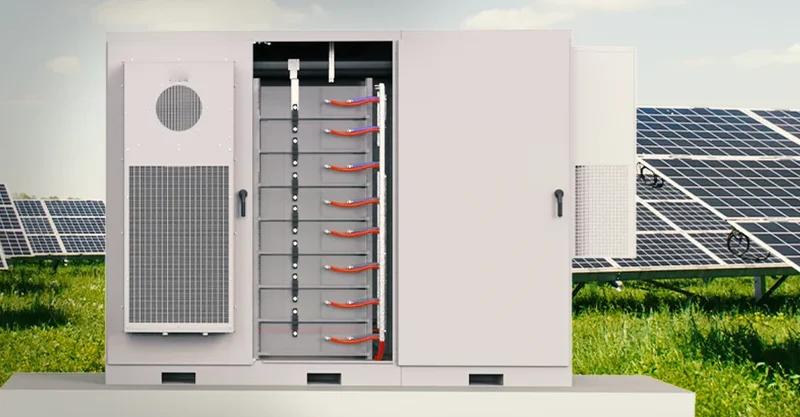
Industrial Automation and Power Systems
You see panel mount air conditioners in many industrial settings. They help you keep your automation and power systems running smoothly. Here are some common places where you might use them:
- PLC enclosures need steady temperatures to prevent overheating. This keeps your automation lines working without interruption.
- Motor control centers and servo drive cabinets rely on these units to improve efficiency and performance.
- Robotic control systems use panel mount air conditioners for precise cooling. This protects heat-sensitive parts and helps your robots work longer.
- You find these air conditioners in power generation, chemical plants, and process automation. They also show up in steel plants, CNC machines, textile machines, and food processing machinery.
Linkwell has years of experience supporting these industries. You can trust their solutions in wind power, energy storage, and advanced robotics. Many top companies around the world choose Linkwell for reliable cooling in tough environments.
Telecom, Outdoor, and High-Tech Enclosures
You also need panel mount air conditioners for telecom and high-tech applications. These units protect your equipment from heat, dust, and moisture. Here’s how they help:
- Telecom cabinets use these air conditioners to keep communication gear cool. This prevents overheating and keeps your network stable.
- Fiber optic distribution enclosures need steady temperatures. This stops signal loss and keeps data moving fast.
- Outdoor electrical boxes face harsh weather. Panel mount air conditioners shield your sensitive electronics from extreme heat and humidity.
- High-tech enclosures, like those in data centers, depend on these units to avoid failures. This means less downtime and better performance.
Linkwell serves customers in over 100 countries. Their trusted partnerships with companies like ABB, Siemens, and Schneider Electric show their global reach. You get peace of mind knowing your cooling solution comes from a proven leader.
You want to keep your electrical enclosure cool and safe. Start by calculating the heat load, picking the right size, and checking protection ratings. Here’s a quick checklist:
- Measure your enclosure and check stability for mounting.
- Make sure the air conditioner fits the depth.
- Watch for condensation if you mount on top.
- Use rack-mounted units for EIA racks.
- Follow instructions and ask experts for help.
Need reliable cooling? Linkwell’s cabinet air conditioners deliver energy-efficient performance. Reach out for expert advice on tough projects.
FAQ
How do I know if I need a panel mount air conditioner?
If your enclosure feels hot to the touch or you see equipment errors, you probably need more cooling. Use a heat load calculator to check. If fans can’t keep up, it’s time for an air conditioner.
Can I install a cabinet air conditioner outdoors?
Yes, you can. Just make sure you pick a model with a high IP or NEMA rating, like IP54 or IP65. These ratings keep out dust, rain, and harsh weather.
How often should I clean or check my air conditioner?
Check filters and drains every month. Clean dust and debris as needed. Regular maintenance keeps your unit running smoothly and helps prevent breakdowns.
What’s the difference between closed-loop and open-loop cooling?
Closed-loop systems keep inside air separate from outside air. This protects your electronics from dust, moisture, and chemicals. Open-loop systems use outside air, which can bring in contaminants.
Where can I get help choosing the right size?
You can use an online BTUH calculator or reach out to a cooling specialist. Linkwell’s team can help you pick the perfect unit for your enclosure and environment.