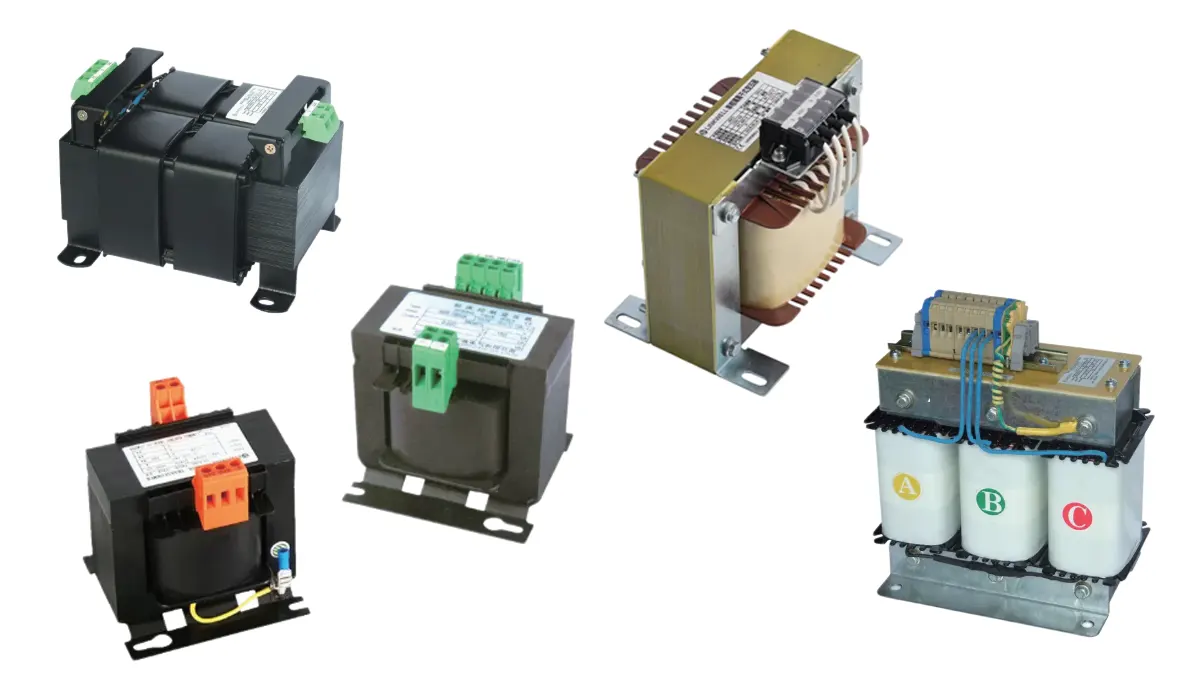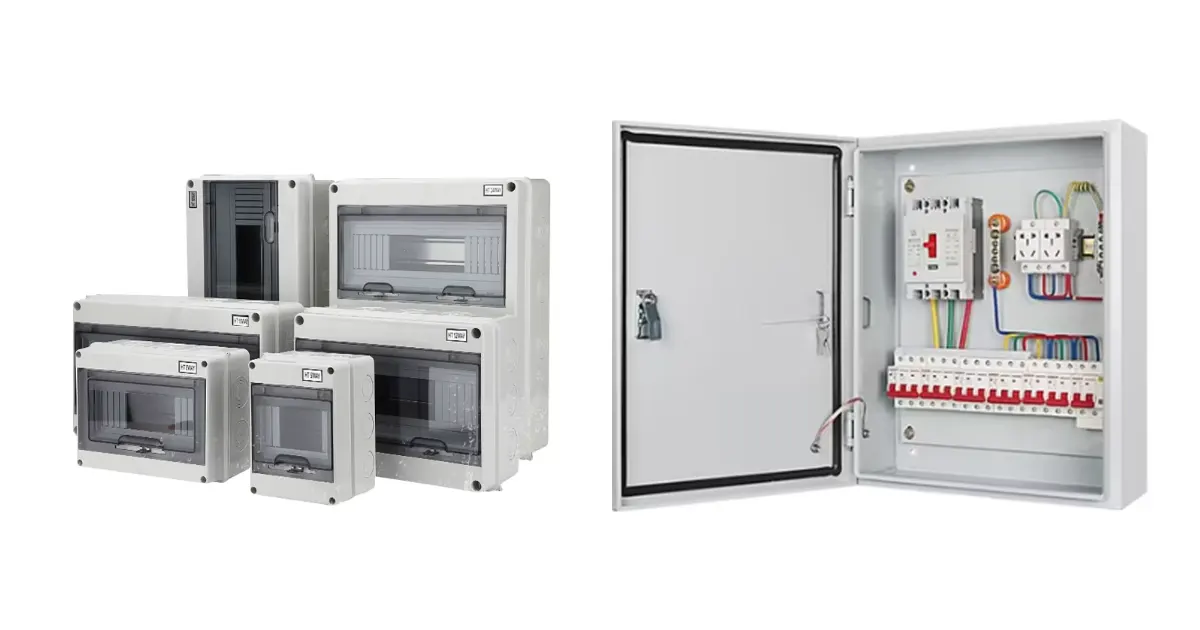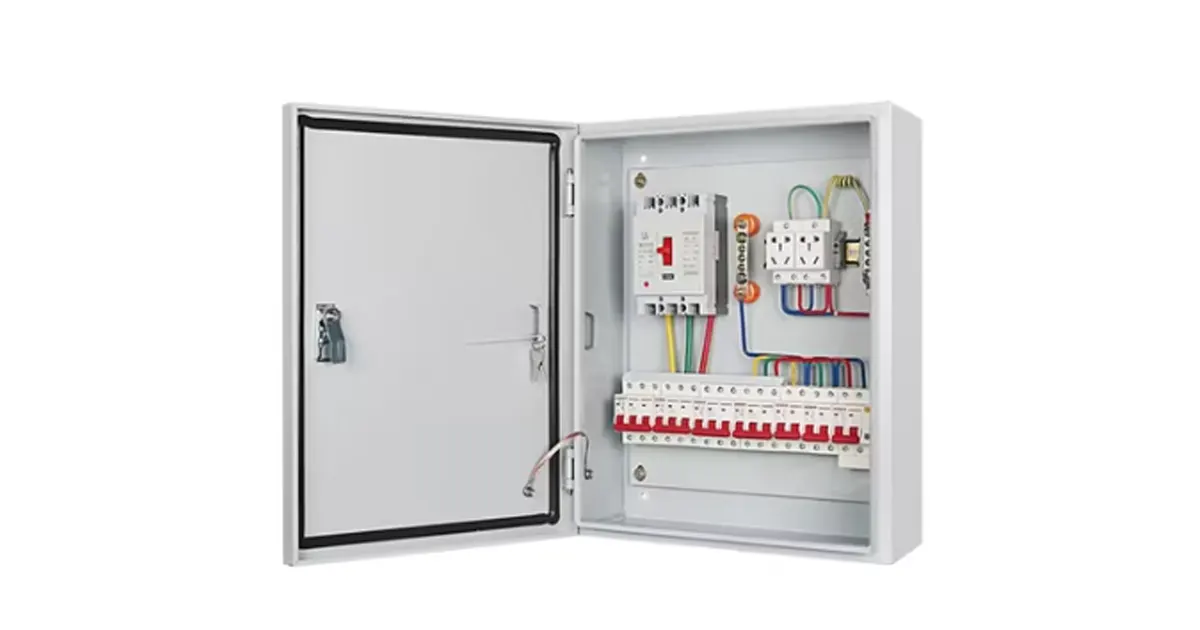
To ensure proper Control Transformer Sizing for 480V to 120V panels, you need to calculate the total load and include a safety margin. Accurate sizing is crucial as it prevents fault currents that can damage equipment, lead to protection system failures, or even pose risks to safety. Linkwell provides certified, energy-efficient control transformers that assist you in achieving reliable and compliant installations.
Key Takeaways
- Accurate control transformer sizing is essential for safety and reliability. It prevents overheating and equipment damage.
- Always calculate both sealed and inrush VA to ensure your transformer can handle both continuous and peak loads.
- Apply a safety margin of 20-25% to your calculated load. This protects against overloads and allows for future expansion.
- Select a transformer with the right certifications, such as UL and CE, to ensure safety and compliance with international standards.
- Regularly inspect and maintain your transformer to ensure reliable operation and extend its service life.
Control Transformer Sizing Basics
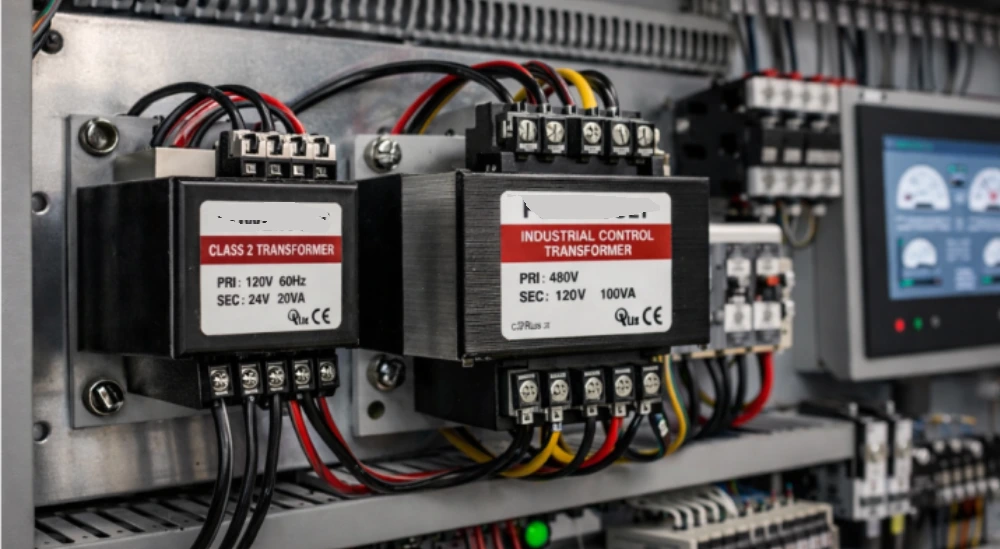
What Is a Control Transformer?
You use a control transformer to adjust voltage levels in industrial panels. This device transfers electrical energy between circuits through electromagnetic induction. In a 480V to 120V panel, the transformer steps down the voltage to a safe level for control circuits. This adjustment ensures that equipment like relays, indicator lights, and machine controls receive the correct voltage for reliable operation. You often see these transformers in applications such as local lighting, signal systems, and machine control appliances.
Tip: When you select a transformer, always check the primary and secondary voltage ratings to match your panel requirements.
| Specification | Details |
|---|---|
| Power Rating | 3000VA |
| Primary Voltage | 440/460/480V |
| Secondary Voltage | 120/24V |
| Application | Local lighting, indicator lights, machine control appliances |
Why Proper Sizing Matters
Control Transformer Sizing directly affects the safety and reliability of your industrial panel. If you choose a transformer that is too small, it can overheat and fail. Overheating damages insulation and reduces the lifespan of the transformer. You can prevent these issues by selecting the correct size. Proper sizing also helps your transformer operate efficiently, which extends its service life—often up to 20 years with good maintenance. You protect your equipment and avoid costly downtime by following best practices for sizing.
Linkwell offers certified and customizable control transformers. These products meet international standards and provide stable voltage for sensitive control circuits. You can rely on Linkwell for energy-efficient and durable solutions.
Key Terms: VA, Inrush, Sealed, Coincidence Factor
Understanding a few key terms will help you with Control Transformer Sizing:
| Term | Definition | Typical Value/Notes |
|---|---|---|
| VA | The output rating designates the output which a transformer can deliver. | Depends on the specific transformer and application. |
| Inrush Current | The VA that the transformer must supply for all components energized together. | Calculated from device ratings at start-up. |
| Sealed Current | Total steady-state VA that the transformer must supply for an extended time. | Add the steady-state VA of all devices in the control circuit. |
| Coincidence Factor | The percentage of loads likely to operate at the same time. | Used to avoid oversizing when not all loads run together. |
You should always calculate both inrush and sealed VA to ensure your transformer can handle both start-up and continuous loads.
How to Calculate Control Transformer Size
Assessing Panel Loads
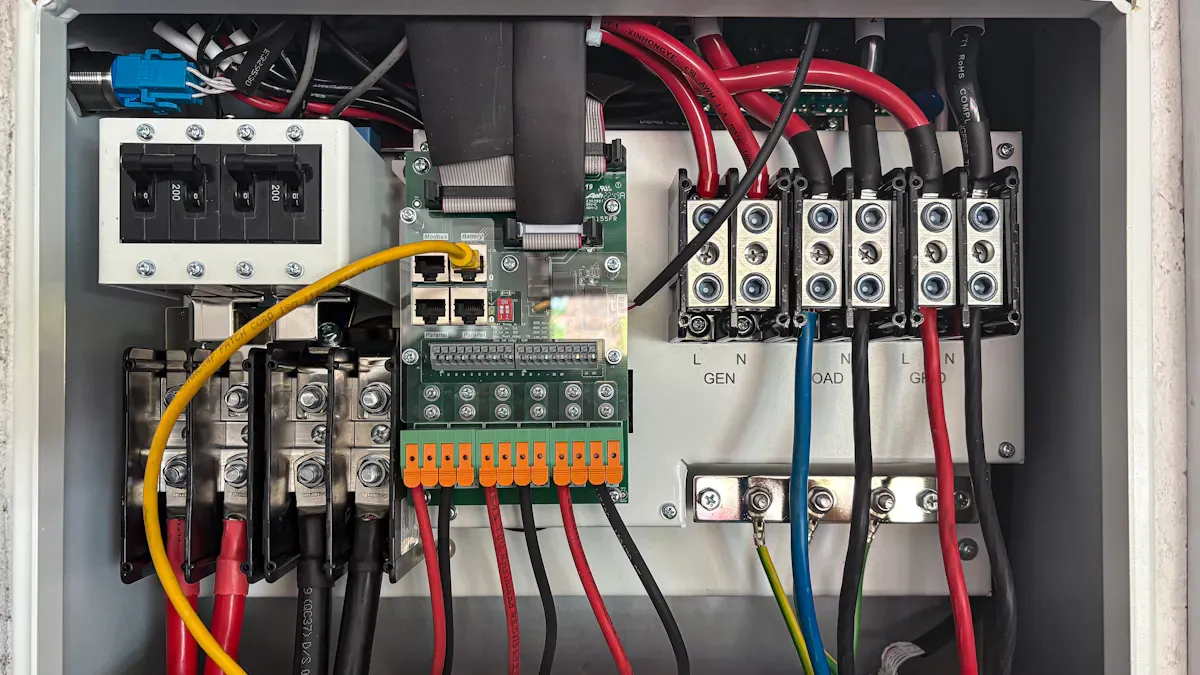
You start Control Transformer Sizing by identifying every device powered by the transformer. List all relays, contactors, indicator lamps, timers, and any other control circuit components. For each device, check the manufacturer’s data sheet for its VA rating. Add up the VA values to determine the total steady-state load.
Here is a step-by-step approach:
- Write down all devices connected to the control circuit.
- Find the VA rating for each device.
- Add the VA ratings to get the total sealed (continuous) VA.
- Identify devices with high inrush currents, such as contactors or solenoids.
Tip: Always include extra devices that may be added in the future. This helps you avoid undersizing.
Calculating Sealed and Inrush VA
You need to calculate both sealed and inrush VA for accurate Control Transformer Sizing. Sealed VA is the sum of all devices running continuously. Inrush VA is the peak load when multiple coils energize at the same time, usually during startup.
Follow these steps:
- Calculate the sealed VA by adding the steady-state VA of all devices.
- Determine the inrush VA for inductive loads. Check the manufacturer’s data for inrush values.
- Compare both values. The transformer must handle the higher of the two.
- Select a regulation column based on voltage dip tolerance and line variation. This ensures stable operation during inrush events.
Note: Linkwell control transformers handle high inrush currents and provide stable voltage during peak demand. Their UL and CE certifications guarantee performance and safety.
Applying Sizing Margins and the 80% Rule
After you calculate the total VA, you apply a safety margin. This margin protects against overloads and allows for future expansion. Industry standards recommend a margin between 15% and 25%.
| Source | Safety Margin Recommendation |
|---|---|
| IEEE | 25% spare capacity for critical installations |
| IEC | Match projected load growth with thermal capabilities |
| General | 15-25% above calculated peak load for flexibility and overload accommodation |
You should select a transformer with a VA rating at least 20% higher than your calculated load. Many professionals use the 80% rule, which means you operate the transformer at no more than 80% of its rated capacity. This prevents overheating and extends service life.
- Safety margin typically ranges from 10% to 25% for most industrial applications.
- Higher margins are advisable for inductive or unstable load environments.
- A buffer is essential for accommodating sudden load increases during peak operation.
Tip: Linkwell offers customizable transformers. You can choose models with extra capacity to match your expansion plans.
Example Calculation for 480V to 120V
Let’s walk through a practical example. You have a 480V to 120V panel with the following devices:
| Device | Quantity | VA per Device | Total VA |
|---|---|---|---|
| Contactor | 2 | 40 | 80 |
| Relay | 3 | 10 | 30 |
| Indicator Lamp | 4 | 5 | 20 |
| Timer | 1 | 15 | 15 |
| Total Sealed VA | 145 |
Suppose the inrush VA for both contactors is 120 VA each. The total inrush VA is 240 VA.
Now, follow these steps:
1. Calculate sealed VA: 145 VA
2. Calculate inrush VA: 240 VA
3. Choose the higher value: 240 VA
4. Apply a 25% safety margin: 240 VA × 1.25 = 300 VA
5. Select a transformer rated for at least 300 VA
You select a Linkwell control transformer with a 300 VA rating or higher. This ensures reliable operation and allows for future expansion. Linkwell’s transformers offer high inrush handling, energy efficiency, and international certifications.
Alert: Always verify your calculation and check the transformer’s datasheet for compatibility with your panel requirements.
Control Transformer Sizing protects your equipment and ensures safe operation. You achieve the best results by following these steps and choosing a certified transformer from Linkwell.
Selecting and Installing Linkwell Control Transformers
Choosing the Right Model
You should select your Linkwell control transformer based on your calculated load, installation needs, and compliance requirements. Start by confirming the base load for your system. Plan for future expansion by choosing a transformer with extra capacity. Check the available space in your panel and consider the total cost, including the expected lifespan. Match the transformer to your application type, such as control, signal, or distribution. Decide on the insulation class and winding material that best fit your environment. Always verify the certifications to ensure safety and compliance.
Tip: Linkwell transformers offer UL, CE, and ISO9001 certifications. These certifications guarantee global safety standards and reliable performance.
| Feature | Description |
|---|---|
| High-grade insulation materials | Uses high-temperature resistant wire and laminates for durability. |
| Multiple class options | Choose from Class B, F, or H insulation for different temperature needs. |
| Wide power range | Models range from 60VA to 100kVA for various applications. |
| Flexible installation | Supports DIN rail, panel, or base mounting. |
| Customization capability | Options for coatings, sealing, and terminals for harsh conditions. |
| Authoritative certifications | UL, CE, ISO9001 certified for safety and compliance. |
| Lower design temperature rise | Extends service life and improves overload capacity. |
Wiring and Fuse Selection
Proper wiring and fuse selection protect your transformer and connected equipment. Calculate the primary and secondary currents based on your transformer’s VA rating. For a 500 VA transformer at 480V, the primary current is about 1.04 amperes. Use 14 AWG copper wire for the primary side, which exceeds 125% of the current rating. Size the primary fuse at 125% of the calculated current. For the secondary, do not exceed 125% of the full-load current. Always ground the transformer enclosure and secondary winding for safety.
| Best Practice | Description |
|---|---|
| Fuse Sizing | Size primary fuses at 125% of calculated current; secondary fuses at 125% of full-load current. |
| Grounding | Bond enclosure to ground; ground secondary when primary exceeds 150V to ground. |
| Wiring | Use 14 AWG copper for 1.04A primary; verify local code for all wire sizes. |
| Common Mistakes | Avoid loose terminals, incorrect voltage taps, and missing secondary grounding. |
Alert: Tighten all connections and check voltage tap settings before energizing the transformer.
Temperature and Environmental Considerations
Environmental factors can affect transformer performance and lifespan. High ambient temperatures speed up insulation aging. Humidity and moisture can break down insulation and cause corrosion. Dust and sand block cooling paths and cause overheating. At higher altitudes, cooling efficiency drops. Chemical pollution can corrode transformer parts.
| Environmental Factor | Effect on Transformers |
|---|---|
| Ambient Temperature | High temps age insulation faster; low temps affect oil viscosity. |
| Humidity & Moisture | Causes insulation breakdown and corrosion. |
| Dust & Sand | Impairs cooling and leads to overheating. |
| Altitude | Reduces cooling and dielectric strength. |
| Pollution & Chemicals | Corrodes tank, bushings, and gaskets. |
You should always consider these factors during Control Transformer Sizing and installation. Choose a Linkwell transformer with the right insulation class and protective features for your environment.
Note: Linkwell offers customization for harsh or unique environments, including special coatings and enclosures.
Troubleshooting and Practical Tips
Common Sizing Mistakes
You can avoid many transformer issues by steering clear of common sizing mistakes. Many users underestimate the importance of accurate calculations. If you ignore inrush current or undersize your transformer, you risk several problems:
- Frequent failures due to inadequate capacity for the load.
- Overheating, which damages both the transformer and connected equipment.
- Unstable voltage output, leading to poor performance of control circuits.
You should also avoid undersizing wires or skipping the safety margin. Failing to plan for future expansion can force you to replace the transformer sooner than expected. Always check that your transformer matches the calculated load and includes a growth margin.
Tip: Review your load list and calculation before finalizing your transformer selection. This step helps you catch errors early.
Verifying Operation and Expansion Planning
After installation, you need to verify that your control transformer operates correctly. Start by checking all wiring against the diagram. Perform insulation resistance tests on the windings. Confirm that all connections match your design calculations. You should also:
- Inspect visually for any signs of damage.
- Measure winding resistance to detect poor connections.
- Run a turns ratio test to ensure proper voltage transformation.
Routine maintenance keeps your transformer reliable. Inspect and test your transformer every 6 to 12 months, depending on your environment. Clean cooling ducts and monitor load and temperature regularly.
When planning for future expansion, consider these key design elements:
| Design Element | Initial Provision | Expansion Capability |
|---|---|---|
| Conduit sizing | 40% fill maximum | Allows additional conductors |
| Switchgear | Empty breaker spaces | 25-30% spare positions |
| Transformer capacity | 75% initial loading | 25% growth margin |
| Panel schedules | Distributed loads | Consolidation opportunities |
Note: By choosing a transformer with extra capacity and following a regular maintenance schedule, you ensure safe operation and prepare your system for future growth.
You achieve safe and reliable control transformer sizing by following these steps:
- Calculate the total VA requirement for all devices.
- Include inrush current from inductive loads.
- Apply a safety margin of 20–25%.
- Plan for future expansion.
Certified transformers from Linkwell deliver stable voltage, handle inrush currents, and protect your control circuits. You benefit from expert consultation, tailored solutions, and ongoing support. For custom needs or technical guidance, reach out to Linkwell’s specialists.
FAQ
How do you choose the correct VA rating for your control transformer?
You should total the VA of all control devices, add inrush VA for coils, and apply a 20–25% safety margin. Select a transformer with a VA rating above this value for reliable operation.
What certifications should you look for in a control transformer?
Always check for UL, CE, and ISO9001 certifications. These ensure your transformer meets international safety and quality standards. Linkwell transformers include all these certifications for peace of mind.
Can you customize a Linkwell control transformer for special applications?
Yes. You can request custom voltage, power ratings, mounting styles, or enclosures. Linkwell offers tailored solutions to fit unique industrial requirements.
How often should you inspect your control transformer?
You should inspect your transformer every 6 to 12 months. Look for signs of overheating, loose connections, or dust buildup. Regular checks help prevent failures and extend service life.