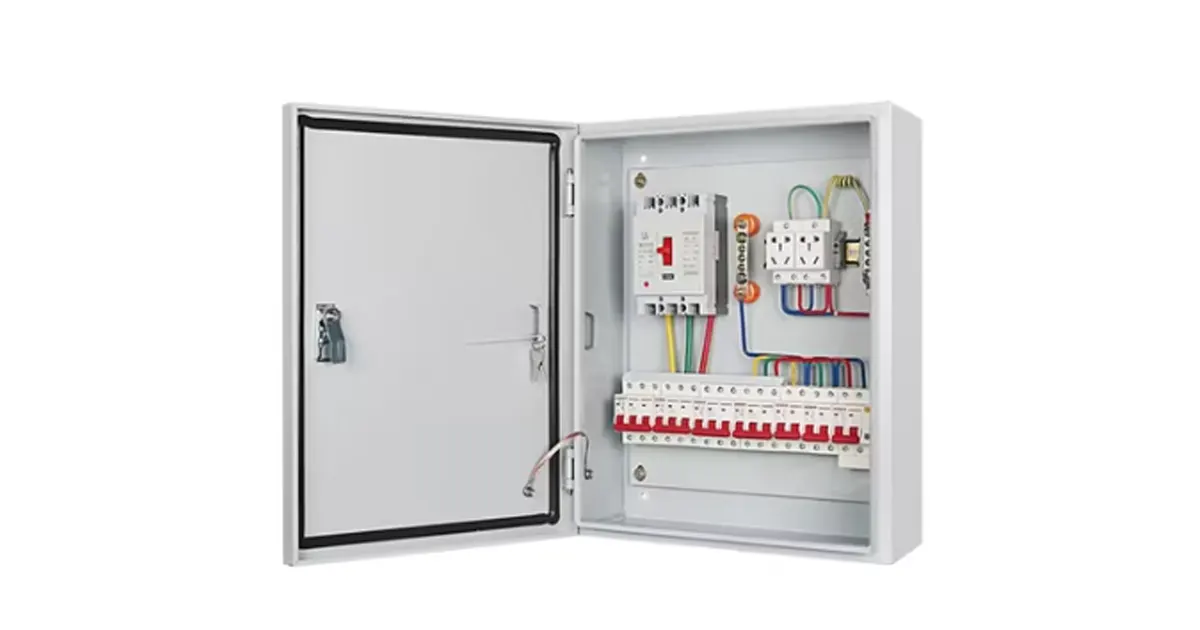
When considering ip65 vs ip44 ratings choose right enclosure for your application, it’s important to understand how each rating protects your equipment. IP ratings determine the level of defense an enclosure provides against dust and water, which is crucial for preventing corrosion, equipment failure, and safety hazards in environments like factories or outdoor control panels.
The choice between IP65 and IP44 depends on your specific needs—IP65 offers superior protection against dust and water jets, while IP44 is suitable for areas with limited exposure to moisture. Linkwell’s Outdoor Enclosures are available in a variety of IP ratings, allowing you to select the ideal solution for your requirements. By focusing on ip65 vs ip44 ratings choose right enclosure, you ensure your systems remain safe, reliable, and compliant with industry standards, especially as demand increases in power, telecom, and automation sectors.
Choose Right Enclosure Key Takeaways
IP ratings show how well enclosures protect against dust and water, helping you pick the right box for your environment.
IP65 enclosures keep out all dust and resist water jets, making them ideal for harsh outdoor or industrial settings.
IP44 enclosures protect against larger objects and water splashes, suitable for indoor or covered outdoor areas.
Always match the IP rating to your environment to avoid equipment damage and safety risks.
Linkwell offers a range of customizable enclosures with different IP ratings to fit various needs and industries.
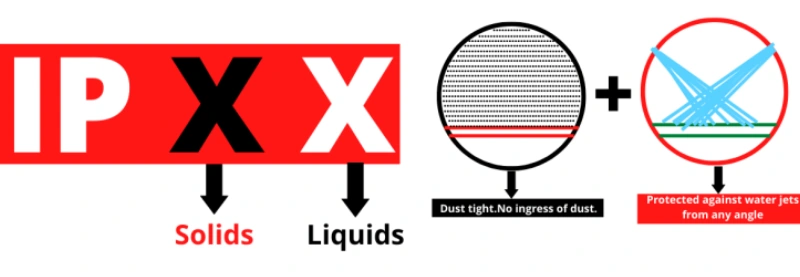
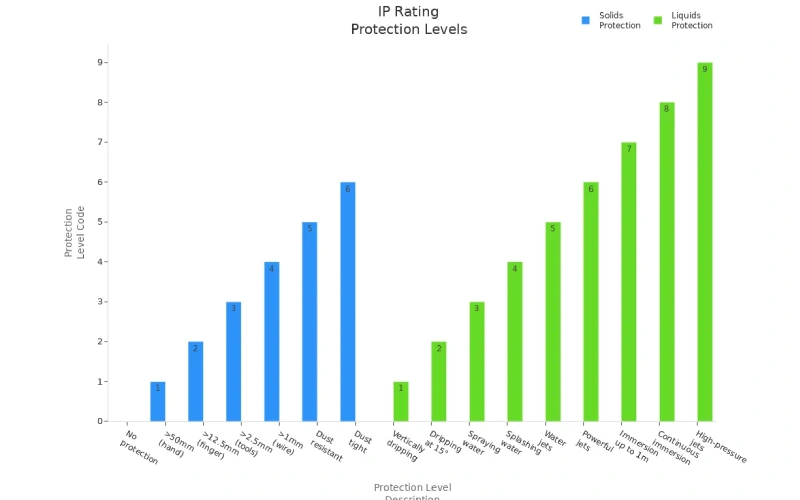
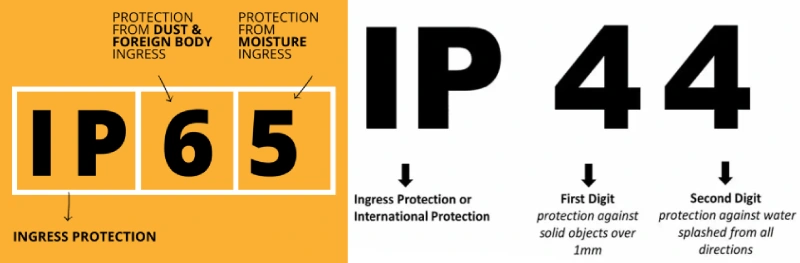
You might see the term “IP rating” everywhere when you shop for electrical enclosures. IP stands for “Ingress Protection,” sometimes called “International Protection rating.” This code tells you how well an enclosure keeps out solids and water. According to IEC 60529, the IP rating uses two digits after “IP.” The first digit shows how much protection the enclosure gives against solids like dust or tools. The second digit shows how much protection you get from water, such as splashes or jets. This system helps you pick the right enclosure for your environment and keeps your equipment safe and reliable.
IP ratings matter because they help you avoid costly damage, downtime, and safety risks. If you need waterproof IP ratings for outdoor or harsh settings, you should always check the IP rating before you buy.
Here’s a quick look at how the IP rating code works:
Digit Position
Level
Description
First Digit (Solids)
0-6
Ranges from no protection to totally dust tight
Second Digit (Liquids)
0-9
Ranges from no protection to protection against high-pressure water jets
IP65 Rating Explained
If you want maximum protection for your electrical enclosures, the ip65 rating is a top choice. An enclosure with an ip65 rating is totally dust tight and waterproof against water jets. To earn this rating, the enclosure must pass two tough tests:
Dust-tight protection: No dust can get inside, even in a dusty factory.
Water jet protection: The enclosure stands up to water jets from any direction for at least 15 minutes.
You’ll find ip65 rating enclosures in outdoor control panels, factories, and places where dust and water are everywhere. Linkwell’s outdoor enclosures meet these standards, so you get reliable protection for your equipment.
IP44 Rating Explained
The ip44 rating gives you solid protection against objects larger than 1mm and water splashes from any direction. It’s not totally waterproof, but it’s splash-proof. An enclosure with an ip44 rating works well in areas with occasional water splashes, like outdoor lighting or sheltered control boxes. You get more protection than lower ratings, but less than ip65 rating enclosures.
IP Rating
Protection Against Solids
Protection Against Water
IP44
>1mm (tools, wires)
Water splashes any direction
Linkwell offers enclosures with ip44 rating for lighter outdoor use. If you need more waterproof protection, you can choose ip65 rating, ip66 rating, ip67 rating, or even ip68 rating for extreme conditions.
ip65 vs ip44 ratings choose right enclosure
Dust and Water Protection Differences
When you compare ip65 vs ip44 ratings choose right enclosure, you see big differences in how each enclosure handles dust and water. The ip rating system uses two numbers to show the level of protection. The first number tells you how well the enclosure keeps out solids like dust. The second number shows the protection against water.
If you need full protection against dust, you want an enclosure with an IP65 rating. This means no dust can get inside, even in the dustiest factory or outdoor site. IP65 enclosures also give you strong protection against water. You can spray them with low-pressure water jets from any direction, and the inside stays dry. This makes them perfect for outdoor control panels, power distribution boxes, or any place where you expect rain, cleaning, or heavy dust.
On the other hand, IP44 enclosures offer less protection. They keep out objects larger than 1mm, like tools or thick wires, but fine dust can still get inside. For water, IP44 only protects against splashes from any direction. If you install an IP44 enclosure under a roof or in a sheltered spot, it works well. But if you put it in direct rain or spray, water can get in and damage your equipment.
Let’s break down the main differences:
IP65 enclosures provide full protection against dust and can handle water jets, making them ideal for harsh outdoor or industrial environments.
IP44 enclosures protect against larger particles and water splashes, so they work best indoors or in covered outdoor areas.
The higher the ip ratings, the more protection you get from both dust and water.
If you need waterproof or dust-tight enclosures, always check the ip rating before you choose.
Tip: If your enclosure will face rain, dust, or cleaning sprays, go for IP65 or higher. For light indoor use or covered outdoor spots, IP44 may be enough.
Comparison Table: IP65 vs IP44
Here’s a clear side-by-side look at ip65 vs ip44 ratings choose right enclosure. This table helps you see which enclosure fits your needs:
Feature
IP65 Enclosure
IP44 Enclosure
Solid Protection
Level 6: Full protection, dust-tight
Level 4: Protection against objects >1mm
Water Protection
Level 5: Resistant to water jets from any direction
Level 4: Splash-proof from any angle
Waterproof
Yes, suitable for outdoor rain and cleaning
No, only splash-proof, not for direct rain
Protection Against Dust
Yes, complete dust protection
No, only large particles, not fine dust
Protection Against Water
Yes, water jets
Yes, splashes only
Typical Use
Outdoor, industrial, harsh environments
Indoor, covered patios, or sheltered outdoor areas
Durability
High, robust sealing
Moderate, less complex sealing
Cost
Higher, due to enhanced protection
Lower, more affordable
Protection from Moisture
Yes
Limited
Protection Against Immersion
No (for that, choose IP67 rating or higher)
No (not suitable for immersion)
You can see that ip65 vs ip44 ratings choose right enclosure is all about the level of protection you need. If you want full protection for your electrical enclosure, especially in tough conditions, IP65 is the way to go. If you only need basic splash and dust protection, IP44 works for less demanding spaces.
When you look at Linkwell Outdoor Enclosures, you get even more choices. Linkwell offers enclosures with ip65, ip66, and even ip67 rating options. If you need protection against immersion, you can choose an enclosure with an ip67 rating or higher. These ip rated enclosures are built for the toughest jobs, giving you peace of mind that your equipment stays safe and dry.
Note: Always match the ip ratings to your environment. For outdoor, dusty, or wet locations, higher ratings like IP65 or IP67 rating give you the best protection. For indoor or light outdoor use, IP44 may be enough.
If you want to keep your equipment running smoothly, pick the right enclosure with the right ip rating. Linkwell’s range of outdoor enclosures covers everything from basic splash protection to full waterproof and dust-tight solutions. You get reliable, certified protection for every application.
Choosing Electrical Enclosures
choosing electrical enclosures
Assessing Your Environment
When you choose an enclosure for your electrical systems, you need to look closely at your environment. Every location brings its own challenges, and the right enclosure gives you the protection your equipment needs. Here’s a simple checklist to help you assess your environment:
Check the operating environment and local weather. If you expect rain, snow, or extreme heat, you need an enclosure made from materials that can handle those conditions.
Look at the IP rating. This tells you how much protection you get from dust, water, and even accidental impacts.
Think about temperature control. Some enclosures need to keep electronics cool or insulated from the cold.
Consider electromagnetic interference. If your site has lots of electrical noise, you want an enclosure that shields your equipment.
Plan for future changes. Will you need to add more cables or devices later? Choose an enclosure with enough space and flexibility.
Make sure your enclosure is secure. Use strong locks and tamper-resistant features to keep out unauthorized people or animals.
Pick the right size and design. Your enclosure should fit your installation perfectly.
Outdoor electrical enclosures must protect against moisture, dust, extreme temperatures, and corrosion. In places with lots of people or children, safety features like locking doors and tamper-proof screws are a must.
Common hazards you might face include:
Water from rain, humidity, or cleaning sprays
Dust and dirt that can cause overheating or shorts
Extreme temperatures that stress your electronics
Corrosive chemicals or salt air, especially near the coast
Pests and unauthorized access
If you ignore these factors, you risk equipment failure, safety hazards, and costly downtime. Always match your enclosure’s protection level to your environment.
Linkwell Outdoor Enclosure Applications
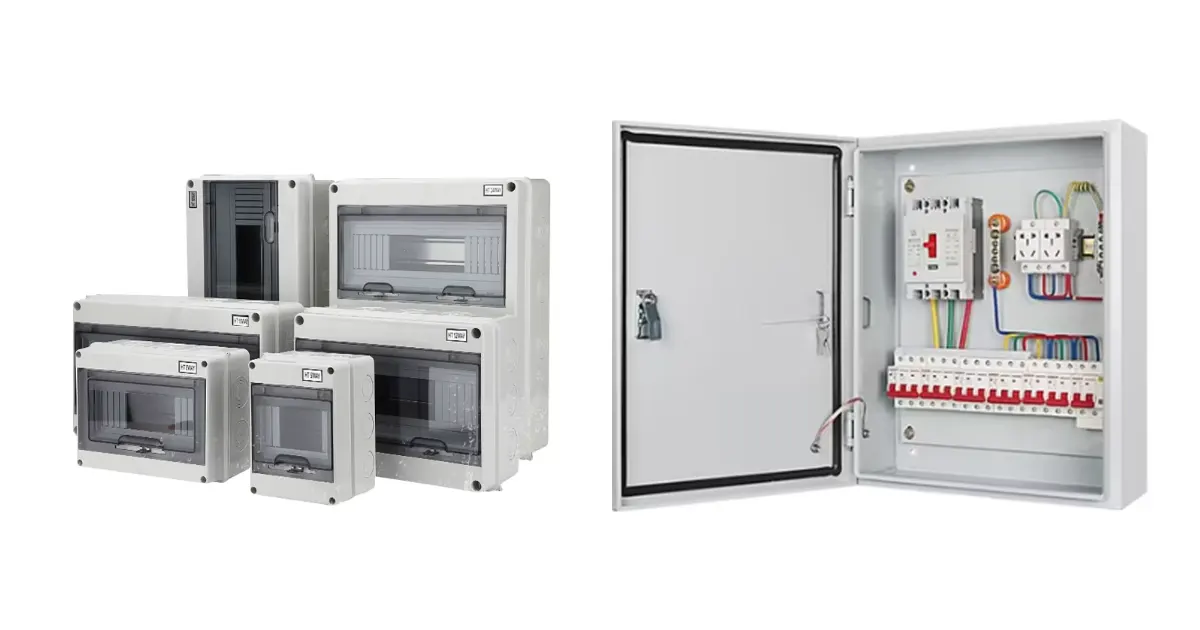
Linkwell Outdoor Enclosures give you reliable protection in all kinds of settings. You’ll find these enclosures in places like factories, telecom sites, warehouses, and even outdoor lighting systems. The right enclosure keeps your equipment safe from dust, water, and harsh weather.
Here’s a quick look at where you might use different IP-rated enclosures from Linkwell:
IP Rating
Dust Protection Level
Water Protection Level
Common Applications
IP44
Partial dust protection
Protection from water splashes
Indoor lighting, warehouse lighting, covered outdoor areas with moderate dust
Linkwell designs its enclosures to handle tough environments. For example, in agriculture or construction, you need protection from dust and water jets. In marine or coastal areas, you want weatherproof enclosures that resist salt air and corrosion. Linkwell offers enclosures with features like UV-resistant coatings, tight gaskets, and built-in fans or heaters to manage temperature and prevent condensation.
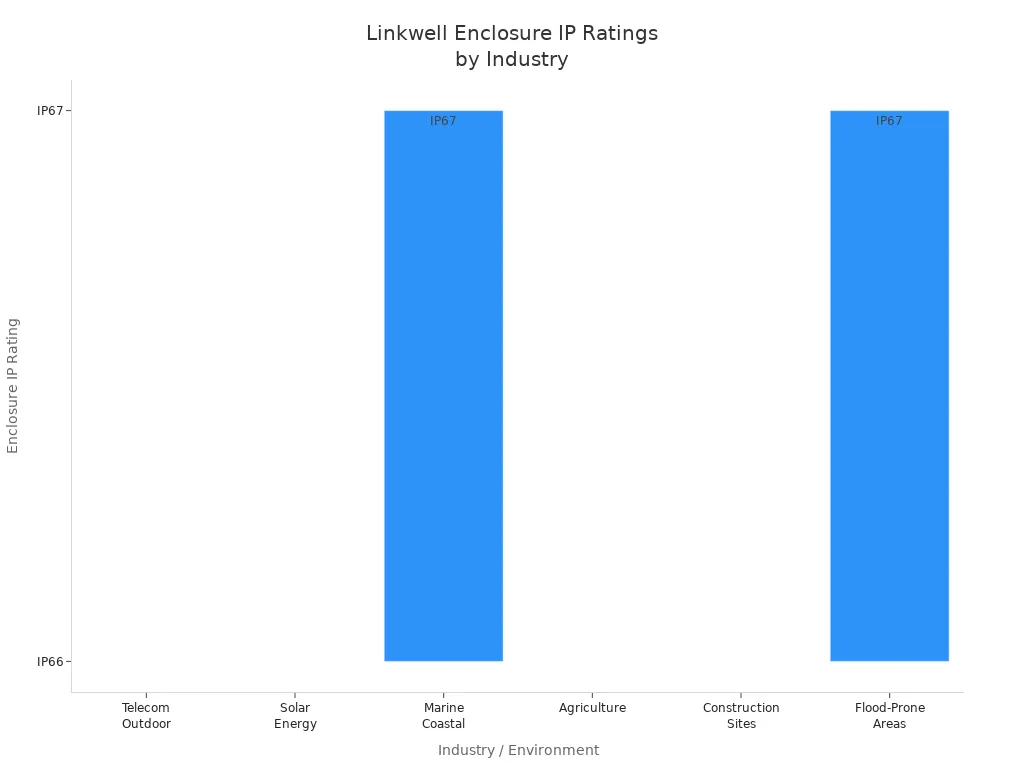
Different industries have unique needs. Here’s how Linkwell enclosures help:
Industry/Environment
Environmental Challenge
Linkwell Enclosure Solution (IP Rating)
Use Case Example
Telecommunications
Dust, rain, cleaning
IP66
Outdoor telecom cabinets
Solar Energy
Dust, rain, wash-downs
IP66
Solar installations
Marine/Coastal
Salt air, flooding, submersion
IP67
Marine docks, coastal equipment
Agriculture
Dust, water jets, weather
IP66
Irrigation systems, farm machinery
Construction Sites
Dust, heavy rain, wash-downs
IP66
Outdoor equipment on construction sites
Flood-Prone Areas
Temporary submersion, flooding
IP67
Pump stations, flood-prone outdoor installations
You can customize Linkwell enclosures to fit your project. Choose from different materials, sizes, and accessories like fans, filters, or cable glands. This flexibility means you always get the right protection for your application.
When to Choose IP65 or IP44
You might wonder when to pick an IP65 enclosure and when IP44 is enough. The answer depends on how much dust and water your equipment will face.
Criteria
IP44
IP65
Solid Object Protection
Objects >1mm
Dust-tight (complete protection)
Water Protection
Splashing water from any direction
Water jets from any direction
Typical Applications
Bathrooms (away from direct spray), kitchens, covered outdoor areas
Showers, kitchens with water jets, outdoor exposed areas, commercial spaces
Advantages
Good for moderate moisture, cost-effective
Strong protection, best for tough environments
Disadvantages
Not for direct water jets or submersion
Higher cost than IP44
If your enclosure sits in a sheltered spot indoors or under a roof, and only faces occasional splashes, IP44 usually works. You see these in indoor lighting or covered warehouse areas. But if your enclosure goes outside, faces rain, dust, or cleaning with water jets, you need IP65. This level of protection keeps your equipment safe in harsh, weatherproof conditions.
Tip: Never choose an enclosure with a lower IP rating than your environment demands. If you do, dust or water can get inside, causing shorts, overheating, or even fires. Always match the IP rating to your real-world risks.
Linkwell makes it easy to get the right enclosure. You can pick from a range of IP ratings, materials, and features. If you’re not sure which enclosure fits your needs, Linkwell’s team can help you choose or customize a solution for your industry.
Common IP Rating Issues
Over- or Under-Specifying Enclosures
Choosing the right level of protection for your electrical enclosure can feel tricky. Many people think that higher IP ratings always mean better safety. That’s not always true. If you pick an enclosure with more protection than your environment needs, you might spend more money without getting extra value. For example, using an IP67 enclosure for a control box inside a dry warehouse adds cost and complexity, but the extra protection does not improve performance.
On the other hand, under-specifying the IP rating can lead to real trouble. If you choose an enclosure with too little protection, dust and water can get inside. This can cause corrosion, short circuits, or even total equipment failure. You might face higher repair bills, more downtime, and safety risks. Imagine using an IP44 enclosure outdoors where it rains often. Water could seep in, damaging your electrical systems and putting your team at risk.
The best approach is to match the IP rating to your actual environment. Take time to assess where you will install the enclosure and what hazards it will face. This helps you balance cost and protection, keeping your equipment safe without overspending.
Tip: Always consider both the environment and the equipment’s needs before deciding on the level of protection.
Upgrading Protection Levels
Sometimes, your project needs change, or you realize your current enclosure does not offer enough protection. Upgrading the IP rating of your enclosure can help you meet new safety or environmental requirements. Here are some steps you can follow to boost your enclosure’s protection:
Check the latest NEMA/IP standards and certifications for your industry.
Choose materials that fit your environment, like stainless steel for outdoor use or polycarbonate for indoor settings.
Add features such as moisture-blocking gaskets, dust-tight seals, and UV-resistant coatings.
Plan for temperature control with fans, vents, or climate systems.
Use connectors and accessories that match or exceed your target protection level.
Test your enclosure in real-world conditions, like heavy rain or dust storms, to make sure it meets the new protection standard.
Industrial push buttons are insulated to prevent accidental touches and provide a good seal.
If you need help, Linkwell offers expert support. Their team can help you assess your environment, select the right protection level, and customize your enclosure with the right materials and accessories. You can reach out for advice, fast delivery, and technical support to make sure your enclosure always meets your needs.
Note: Upgrading protection is not just about adding seals or thicker walls. It’s about designing the whole enclosure system to keep your equipment safe and reliable.
Choosing between IP65 and IP44 comes down to your environment and protection needs. Here’s a quick comparison:
Criteria
IP44
IP65
Water resistance
Splashing water
Water jets
Dust resistance
Partial
Total
Common applications
Outdoor lighting, bathroom panels
Industrial, outdoor control cabinets
Protection level
Lower
Higher
Price
Lower
Higher
If you want reliable protection, Linkwell’s Outdoor Enclosures have you covered. You can talk with enclosure experts who help you pick the right size, material, and features for your project. They offer custom designs, durability testing, and full support so your equipment stays safe.
FAQ
What does an IP rating mean for electrical enclosures?
An IP rating tells you how well your enclosure keeps out dust and water. You can use this rating to pick the right box for your environment. Higher numbers mean better protection.
Can I use an IP44 enclosure outdoors?
You can use an IP44 enclosure in covered outdoor areas. If your enclosure faces rain or water jets, you should choose IP65 or higher for better safety.
How do I know if I need IP65 or IP44?
Look at your environment. If you expect dust, rain, or cleaning sprays, go with IP65. For indoor or sheltered spots with only splashes, IP44 works fine.
Are Linkwell Outdoor Enclosures customizable?
Yes! You can pick the size, material, and accessories you need. Linkwell helps you design an enclosure that fits your project and protection needs.
Who can help me choose the right enclosure?
You can reach out to Linkwell’s support team. They answer your questions, help you pick the best enclosure, and offer technical advice for your installation.
Control transformers are best classified by electrical duty, winding arrangement, construction, phase, and code category, not by output voltage alone. Most industrial control transformers are dry-type, two-winding isolation transformers designed
When you see different distribution box types, you may ask why there are so many. Each electric distribution box has its own job. You might need a main distribution board
You might hear the term “what is distribution box” when discussing electricity at home or at work. So, what is distribution box? It is the main unit that directs electrical
To provide the best experiences, we use technologies like cookies to store and/or access device information. Consenting to these technologies will allow us to process data such as browsing behavior or unique IDs on this site. Not consenting or withdrawing consent, may adversely affect certain features and functions.
Functional
Always active
The technical storage or access is strictly necessary for the legitimate purpose of enabling the use of a specific service explicitly requested by the subscriber or user, or for the sole purpose of carrying out the transmission of a communication over an electronic communications network.
Preferences
The technical storage or access is necessary for the legitimate purpose of storing preferences that are not requested by the subscriber or user.
Statistics
The technical storage or access that is used exclusively for statistical purposes.The technical storage or access that is used exclusively for anonymous statistical purposes. Without a subpoena, voluntary compliance on the part of your Internet Service Provider, or additional records from a third party, information stored or retrieved for this purpose alone cannot usually be used to identify you.
Marketing
The technical storage or access is required to create user profiles to send advertising, or to track the user on a website or across several websites for similar marketing purposes.