Blog
UL Standards for Electrical Cabinet Components
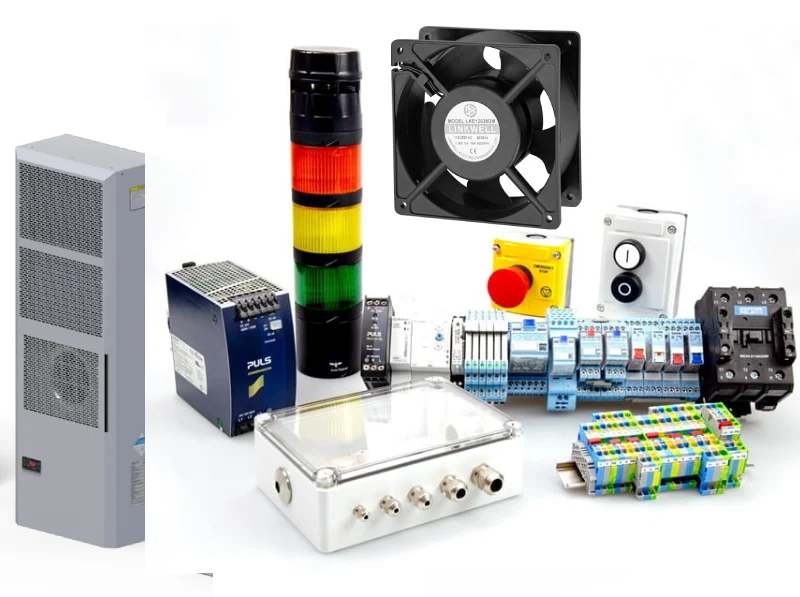
You want your electrical cabinet components to work safely and reliably every time. UL standards for electrical cabinet components help you reach that goal by setting strict rules for design

You want your electrical cabinet components to work safely and reliably every time. UL standards for electrical cabinet components help you reach that goal by setting strict rules for design
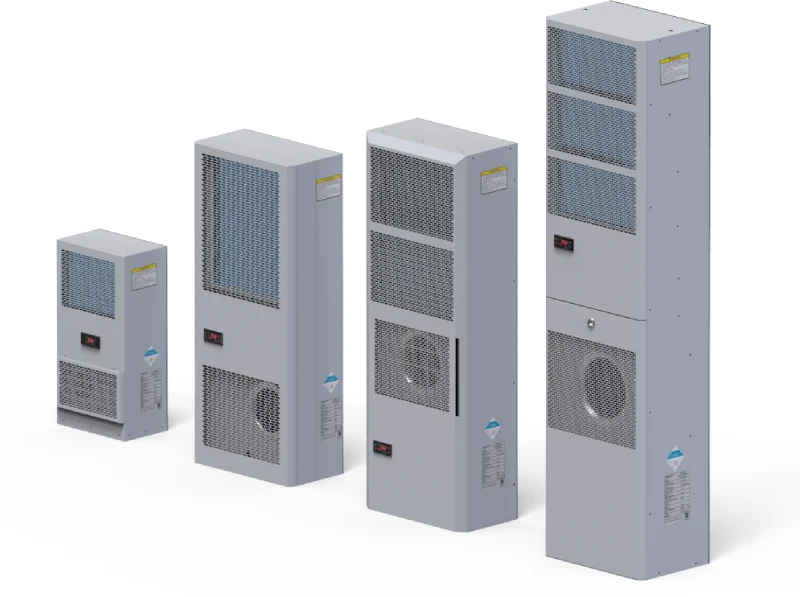
When you compare electronic enclosure air conditioners to regular room AC units, you find big differences in how they work and what they’re made for. Room AC units cool open
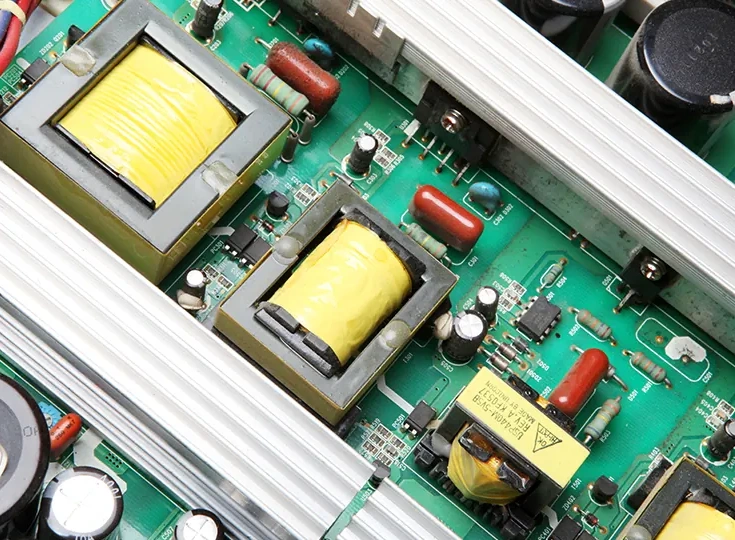
You see low voltage transformers everywhere in automation. You use them in lighting systems, control circuits, doorbells, security setups, HVAC controls, electronic devices, and industrial panels. Linkwell stands out as a trusted
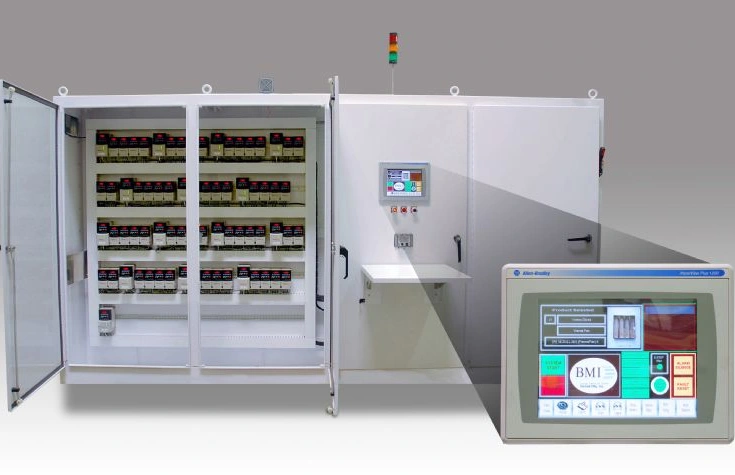
You want user-friendly interfaces that make your work easier and safer. An ergonomic hmi layout puts you, the user, first. It creates human-machine interface controls that fit how you move
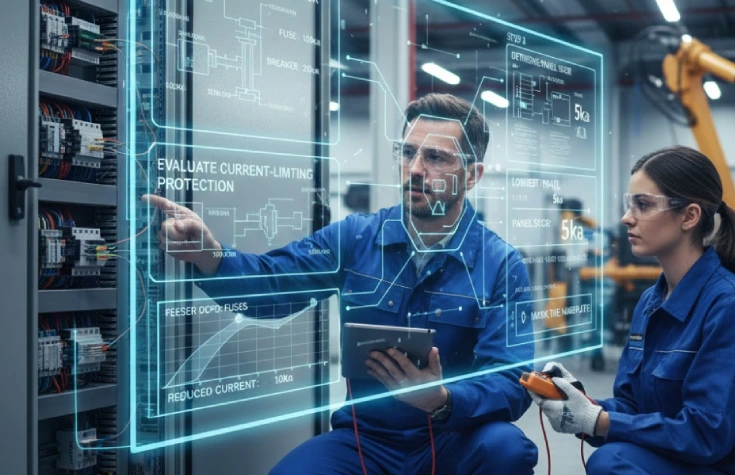
When you build or design a control panel, safety and compliance should always come first. The short-circuit current rating (SCCR) is not just a number—it’s what keeps your system and
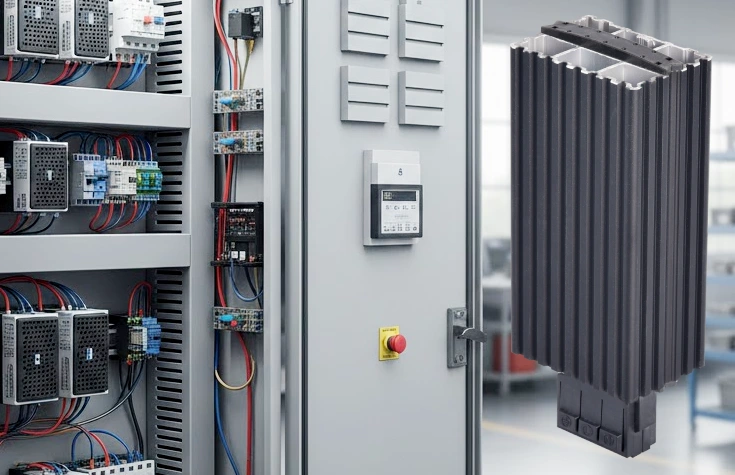
How Do Ceramic Heaters Work in industrial cabinets? You need stable temperatures to protect sensitive equipment. Without good control, you risk blocked airflow, overheating, or even condensation that can corrode
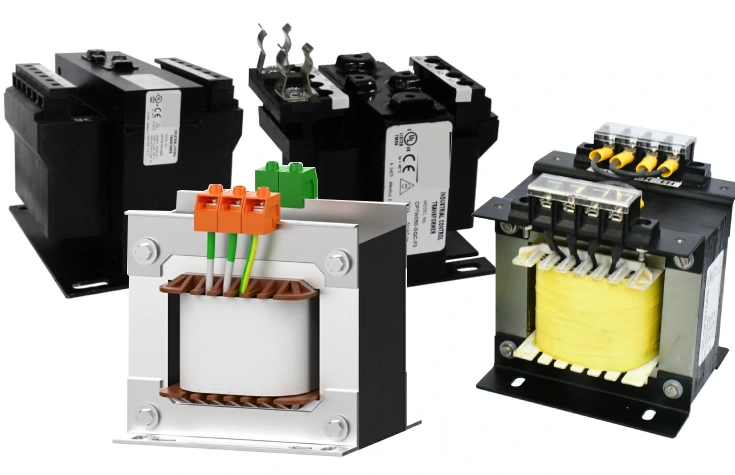
Ever had your PLC reset out of nowhere, or noticed relays clicking off and indicator lights going dim? These headaches often trace back to picking the wrong control transformer. Take
You need to follow wiring standards required for terminal blocks like IEC 60947-7-1, UL 1059, and NEC 2026 to keep your electrical systems safe and reliable. In North America, UL
You often face the challenge of keeping electrical panels cool, especially in demanding environments. Hybrid Cooling Strategies use fans, air conditioning, and passive devices to improve temperature control. When you
You know how tight things can get inside modern control panels. Multi-Level Terminal Blocks help you save space and keep your wiring neat. As more factories and buildings turn to
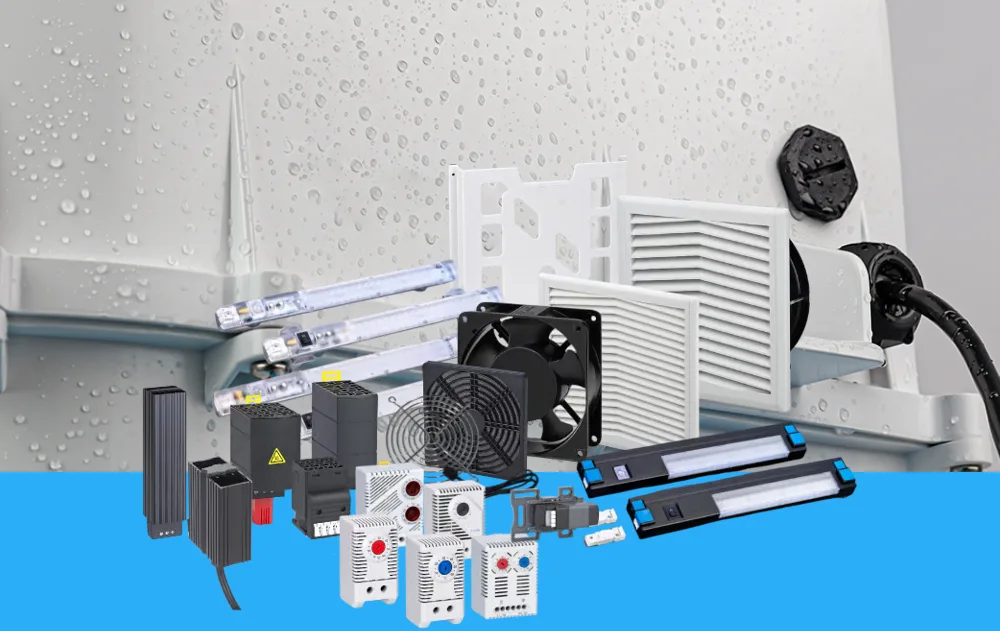
If you work with industrial or outdoor electrical systems, you know how tricky humidity and temperature can get. Even a little moisture can lead to big problems—about 18% of industrial
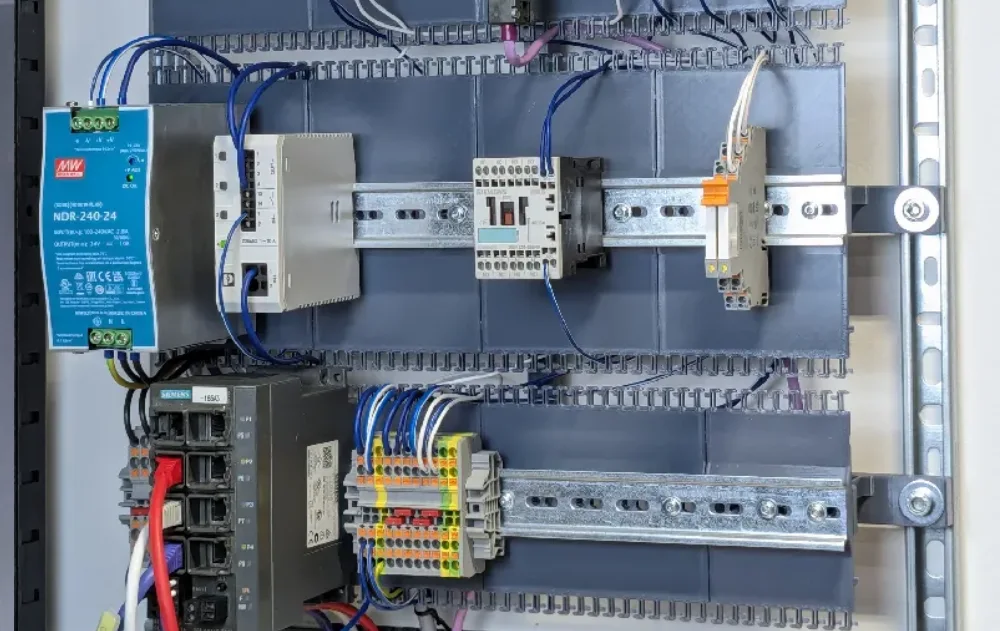
You want your electrical cabinet to run smoothly and stay safe. Choosing trusted products like Linkwell’s DIN rails and the ETF 012 Hygrothermostat makes a big difference. When you follow the DIN