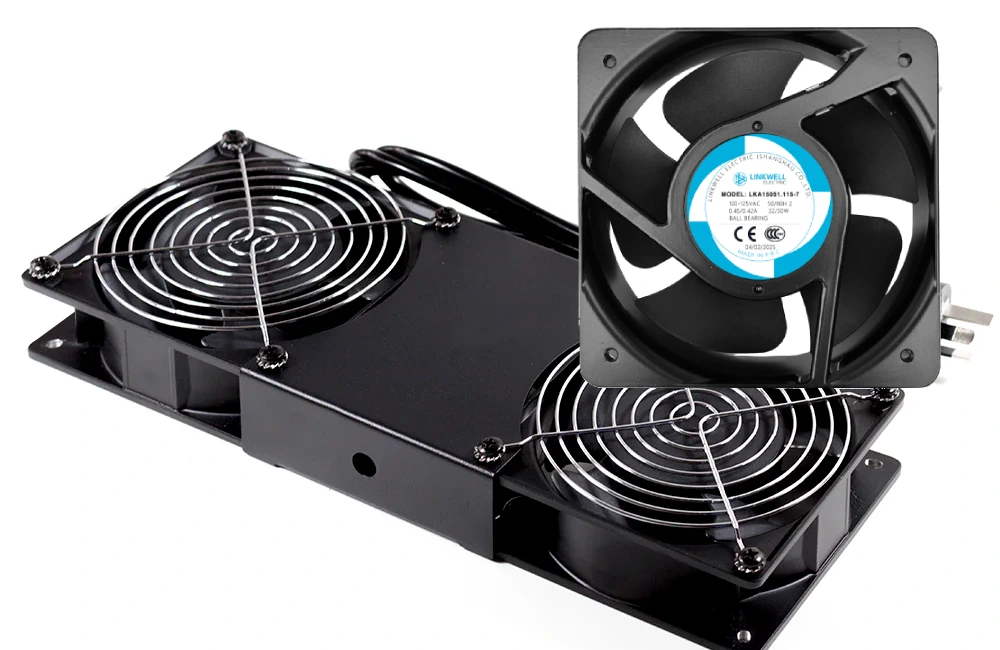
You depend on blowers to keep your cabinet running smoothly. Blowers, especially Linkwell’s Backward Inclined Blowers, keep air moving inside the cabinet so you avoid hot spots and dust buildup. When you use blowers, you protect your cabinet from overheating, corrosion, and unexpected failures.
- Stable temperature and humidity inside the cabinet help your equipment last longer.
- Good airflow stops moisture and heat from damaging parts.
- A well-ventilated cabinet reduces performance drops and extends lifespan.
Blowers Application in Electrical Cabinets: Industrial Cooling & Airflow Solutions gives you the tools to maintain your cabinet’s best condition.
Key Takeaways
- Blowers keep air moving in electrical cabinets, preventing overheating and dust buildup.
- Proper ventilation and airflow extend the lifespan of your equipment and reduce maintenance needs.
- Linkwell’s Backward Inclined Blowers offer high efficiency and strong airflow control, making them ideal for cooling solutions.
- Regular maintenance of blowers and filters is crucial to ensure optimal performance and prevent costly repairs.
- Integrating blowers with cooling fans enhances airflow and cooling efficiency, especially in complex cabinet layouts.
Why Blowers Are Essential in Electrical Cabinets
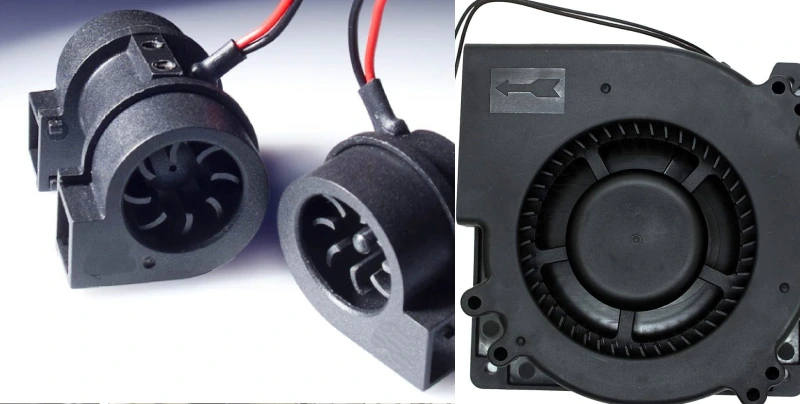
Challenges in Modern Cabinet Cooling
You face many challenges when you try to keep your cabinet cool. Electronic equipment cooling is not just about lowering heat. Cabinet cooling must address several issues at once. Electrical components generate heat during normal operation. If you do not use cabinet fans or proper ventilation, unsafe temperatures can build up inside the cabinet. Overheating can cause insulation materials to age faster and reduce the lifespan of your equipment.
Cabinet cooling systems must handle ambient heat and solar radiation. These factors increase the internal thermal load. Cabinet fans help you manage these risks by drawing in cool air and expelling hot air. This process keeps the airflow steady and prevents cabinet overheating. You need cabinet cooling solutions that are simple to install and easy to maintain. Cabinet fans offer efficient heat dissipation and target high-heat components directly. You can rely on cabinet cooling to avoid shutdowns and frequent replacements.
Tip: For every 10 °C increase in temperature, the life expectancy of electronic components can decrease by up to 50%. Proper cabinet cooling protects your investment.
Air Quality and Temperature Control Needs
Cabinet cooling is not only about heat. You must also control air quality inside the cabinet. Cabinet fans play a key role in ventilation and airflow. Poor ventilation can lead to condensation and corrosion. Moisture can build up in unventilated spaces, causing short circuits and breakdowns. Cabinet cooling systems help you manage humidity and prevent these risks.
Contaminants such as airborne pollutants can enter the cabinet. These pollutants may cause corrosion and damage sensitive parts. Cabinet fans improve airflow and ventilation, keeping cool air moving and pushing out harmful particles. You need cabinet cooling solutions that maintain both temperature control and air quality. Cabinet fans ensure your cabinet stays clean and cool, supporting reliable electronic equipment cooling.
- Cabinet cooling systems regulate internal temperatures.
- Cabinet fans provide steady airflow and ventilation.
- Proper cabinet cooling prevents overheating, condensation, and corrosion.
- Cabinet cooling solutions keep cool air circulating and remove contaminants.
You depend on cabinet cooling and cabinet fans to protect your equipment from heat, moisture, and pollutants. Good ventilation and airflow are essential for electronic equipment cooling and cabinet performance.
Blowers Application in Electrical Cabinets: Industrial Cooling & Airflow Solutions
Linkwell Backward Inclined Blowers Overview
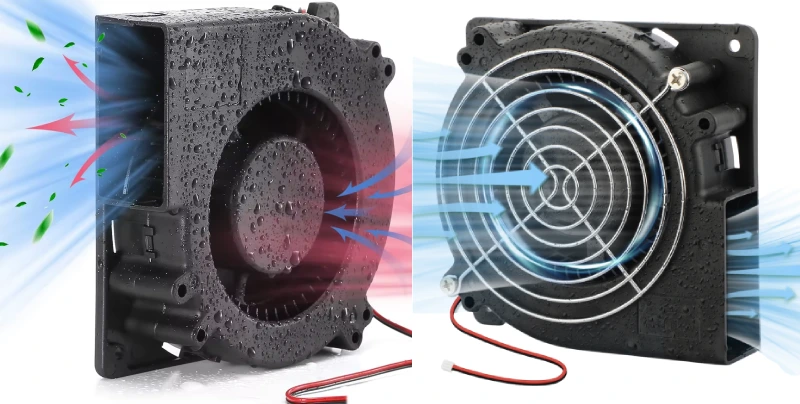
You need a reliable solution for cooling your cabinet. Linkwell’s Backward Inclined Blowers give you advanced technology for this task. These blowers use blades that angle backward, which helps you move air smoothly and efficiently. You can trust these blowers to handle high static pressure and keep your cabinet at the right temperature. The unique design means you get steady airflow with less noise and less energy use.
You want to see how these blowers compare to other options. The table below shows how Linkwell’s Backward Inclined Blowers perform in airflow and energy efficiency:
| Fan Type | Efficiency Rating | Airflow Performance |
|---|---|---|
| Backward Inclined Blowers | Up to 82% | High airflow control |
| Forward Curved Fans | 60-70% | Lower airflow control |
| Backward Curved Fans | 80-85% | High pressure handling |
You can see that Linkwell’s blowers give you high efficiency and strong airflow control. This makes them a top choice for blowers application in electrical cabinets: industrial cooling & airflow solutions.
How Blowers Remove Heat and Contaminants
You face two main problems in your cabinet: heat and dust. Linkwell’s Backward Inclined Blowers help you remove heat by pushing hot air out and pulling cooler air in. This process keeps your cabinet from overheating and protects your equipment. You need this kind of cooling to keep your system running without interruptions.
These blowers also help you keep the air clean. They can remove over 98% of dust and particles from the air inside your cabinet. This means you do not have to worry about dust building up on your equipment. The blowers improve ventilation, even in harsh environments, and reduce how often you need to clean or replace filters. They also pressurize the cabinet, which stops dust and sand from getting inside. You get a cleaner, safer space for your electronics.
Tip: Use Linkwell’s blowers to remove heat and keep your cabinet free from harmful particles. This will help you avoid costly repairs and downtime.
Benefits for Equipment Performance
You want your equipment to last longer and work better. Good cooling and clean air help you reach this goal. When you use blowers application in electrical cabinets: industrial cooling & airflow solutions, you protect your devices from heat damage and dust. Your cabinet stays at a safe temperature, and your electronics stay clean.
Here are some benefits you get:
- Longer equipment life because you avoid overheating.
- Fewer breakdowns since you remove heat and keep dust away.
- Lower energy bills because the blowers use power efficiently.
- Less maintenance because the blowers do not clog easily.
- Steady airflow that keeps every part of your cabinet cool.
You can trust Linkwell’s Backward Inclined Blowers to give you these results. You get a reliable, low-maintenance solution for all your cooling needs. When you choose blowers application in electrical cabinets: industrial cooling & airflow solutions, you make a smart investment in your equipment’s future.
Integrating Blowers with Cabinet Systems
Blowers and Cooling Fans
You can boost your cabinet’s cooling by combining blowers with cooling fans. Blowers push air against high pressure, while fans move large volumes of air at lower pressure. This combination gives you strong airflow and efficient cooling, even in cabinets with complex layouts. You should evaluate your cooling needs early in the design process. This helps you avoid costly changes later.
Here are best practices for integrating blowers and cooling fans:
- Think about cooling at the start of your project.
- Use forced ventilation if the air outside is clean and cool. Choose closed-loop cooling systems if you need to keep out dust or moisture.
- Understand the difference between fans and blowers. Fans work best for high airflow at low pressure. Blowers excel in high-pressure environments.
- Pressurize your cabinet by pumping filtered air inside. This keeps dust out.
- Maintain filters for proper ventilation and steady airflow.
- Keep intake fans and exhaust fans far apart. This prevents short circuits in airflow.
- Place intake fans low and exhaust fans high. This uses natural airflow to improve cooling.
Tip: Good airflow circulation reduces compressor runtime and lowers the risk of overheating.
Blowers with Air Conditioners and Heaters
You can pair blowers with air conditioners and heaters for advanced cooling systems. Variable-speed blower motors adjust their speed based on demand. This can cut energy use by up to 75% compared to single-speed motors. These motors keep airflow steady, so your system does not overwork. Energy-efficient blowers help maintain proper ventilation and temperature, which protects your equipment from heat and cold.
When you use blowers with air conditioners, you get better cooling and lower energy bills. Heaters and blowers together prevent condensation and keep your cabinet dry. This combination supports reliable operation in all seasons.
Airflow Design and Filter Integration
You need a smart airflow design to get the most from your cooling systems. Place blowers at the bottom of the cabinet, away from heat sources. Add exhaust fans at the top to pull hot air out. This setup improves ventilation and cooling. Calculate airflow under real backpressure conditions to make sure your system works as planned.
| Strategy | Description |
|---|---|
| Use of blowers | Push cool air into cabinets, especially when airflow resistance is high. |
| Fan positioning | Place blowers at the bottom, away from heat sources, for better cooling. |
| Airflow calculations | Check airflow under actual backpressure for best performance. |
| Exhaust fan addition | Add exhaust fans at the top to improve airflow and cooling. |
| Avoiding openings | Minimize openings between air inlets and outlets for efficient ventilation. |
You should also use filters to keep dust and particles out. Clean filters regularly to maintain proper ventilation and protect your equipment.
Engineering and Selection Considerations
Static Pressure and Airflow Needs
You must match your cooling needs with the right blower. Start by checking the airflow rate your cabinet requires. Look at the system impedance and static pressure. High static pressure means you need a blower that can push air through filters and tight spaces. Linkwell’s Backward Inclined Blowers work well in these conditions. They deliver strong airflow and maintain efficiency even when your cabinet has many obstacles. Always check the performance charts to see how the blower performs under real backpressure. Noise levels also matter, especially if your cabinet sits in a quiet area. Choose a blower that balances cooling performance and low noise.
- Consider these factors when selecting a blower:
- Airflow requirements
- System impedance
- Noise levels
- Type of blower
- Size constraints
- Input voltage
- Speed control options
- Monitoring needs
- Maintenance plans
Sizing and Placement
Proper sizing and placement improve cooling and efficiency. Place blowers near the bottom of your cabinet to draw in cool air. Position exhaust fans at the top to release hot air. Keep high-heat components close to the exhaust path. This setup supports active cooling and prevents hot spots. Maintain gaps between electrical parts so air can move freely. Avoid placing openings between the air inlet and outlet. This keeps your closed-loop cooling system efficient.
- Evaluate your cooling needs early in the design process.
- Use blowers for high static pressure applications.
- Pressurize the cabinet by pumping filtered air in.
- Keep inlet and exhaust far apart.
- Let cooling air enter from the lowest point and exit above the hottest parts.
Environmental Factors
You must consider the environment around your cabinet. Humidity and dust can affect closed-loop cooling systems. Moisture in dust can stick to filters and make cleaning harder. Condensation can build up inside ductwork and cause problems. Choose filter media with special finishes if your facility handles sticky dust. Stable humidity helps reduce static electricity and keeps your cooling system reliable. Use a layered approach with ionizers and targeted blowers for best results. Regular maintenance keeps your closed-loop cooling system running smoothly and protects your equipment.
Tip: Check your cabinet’s environment often. Adjust your closed-loop cooling setup as conditions change to maintain top efficiency.
Common Mistakes and Best Practices
Fan vs Blower Misuse
You often see confusion between fans and blowers when selecting cooling solutions for your cabinet. Fans work best for moving large volumes of air at low pressure. Blowers handle higher pressure and provide precise air movement. If you choose the wrong device, you risk poor cooling and wasted energy. Oversizing a blower can increase noise and energy costs, and shorten equipment life. You should match the system’s needs with the right product. Here are common mistakes:
- Using fans for high-pressure applications.
- Choosing blowers for simple ventilation tasks.
- Not considering airflow needs.
- Failing to account for system resistance.
- Ignoring efficiency and noise levels.
Note: Always check the airflow and pressure requirements before making your choice.
Ignoring Airflow Paths
You need to plan the airflow path inside your cabinet. If you ignore this, hot spots may remain and cooling becomes inefficient. Cool air should enter at the bottom or front, and warm air should exit at the top or rear. Avoid direct airflow from intake to exhaust without passing over electronics. Use baffles or guides to direct air over the hottest components. In harsh environments, add filters to intake vents to keep dust and contaminants out.
| Airflow Path Mistakes | Impact on Performance |
|---|---|
| Poor air entry/exit planning | Overheating and equipment failure |
| No baffles or guides | Uneven cooling and hot spots |
| No filters | Dust buildup and reduced reliability |
Tip: Proper airflow design prevents overheating and keeps your cabinet reliable.
Overlooking Maintenance
You must maintain your blower regularly. Neglecting maintenance leads to inefficiencies and higher energy bills. A clogged filter can freeze coils. Loose wires may cause compressor burnout. Dirty coils reduce airflow and overwork the blower motor. Routine checks help you spot small issues before they become big problems. Emergency repairs cost more and can disrupt your operations. A dirty blower wheel can reduce airflow efficiency by 20%. Poor maintenance also worsens indoor air quality, which can affect health.
- Clean filters and coils often.
- Inspect wires and capacitors.
- Schedule regular maintenance checks.
Alert: Regular maintenance keeps your cabinet cool and your equipment safe.
Real-World Applications
Industrial Control Cabinets
You rely on industrial control cabinets to protect sensitive electronics in factories and plants. These cabinets often face high heat and dust from machinery. Linkwell’s Backward Inclined Blowers help you keep the temperature steady and the air clean. You can use these blowers to push cool air through tight spaces and remove hot air quickly. This process prevents overheating and reduces the risk of electrical faults. You also keep dust and debris away from circuit boards. When you use the right blower, you extend the life of your equipment and reduce downtime.
Tip: Place blowers near heat sources and use filters to block dust. This setup gives you the best protection for your control systems.
Data Centers and Cleanrooms
You need strict air quality and temperature control in data centers and cleanrooms. Air Cleaning Blowers (ACBs) play a key role in these environments. You can use ACBs to:
- Provide clean air for cooling systems.
- Enable free cooling by supplying clean air to evaporative coolers and heat exchangers.
- Maintain constant air pressure to keep contaminants out.
- Remove dust and particulates to prevent overheating.
Air Cleaning Blowers draw in dirty air and separate dust and particles using a special mechanism. They eject the contaminants outside and deliver clean air where you need it. This process keeps your cooling systems running efficiently. You avoid clogged filters and ensure your servers and sensitive equipment stay safe.
Power and Automation Panels
You use power and automation panels in energy, robotics, and infrastructure projects. These panels often operate in harsh environments with high temperatures and airborne particles. Linkwell’s Backward Inclined Blowers give you reliable airflow and help you manage static pressure. You can keep your panels cool and free from dust. This protection ensures stable operation for relays, PLCs, and other automation devices. You also lower the risk of unplanned shutdowns and costly repairs.
Note: Regular maintenance of blowers and filters helps you keep your panels running at peak performance.
You depend on blowers to keep your electrical enclosures cool and clean. Linkwell’s Backward Inclined Blowers help you control both temperature and air quality.
- Choose the right blower for your needs.
- Integrate and maintain your system for best results.
- Trust Linkwell for efficient, low-maintenance solutions.
Tip: Consult with Linkwell experts for a custom solution that fits your cabinet.
FAQ
What makes Linkwell’s Backward Inclined Blowers different from regular fans?
You get higher efficiency and better airflow control. These blowers handle high static pressure and resist clogging. You use less energy and spend less time on maintenance.
How often should you clean or check your blower?
You should inspect your blower every three months. Clean filters and check for dust buildup. Regular checks keep your system running smoothly and prevent overheating.
Can you use Linkwell blowers in dusty or humid environments?
Yes, you can. These blowers work well in harsh conditions. You should use proper filters and perform routine maintenance to keep air quality high and equipment safe.
How do you choose the right blower size for your cabinet?
You need to check your cabinet’s airflow and pressure needs. Use performance charts from Linkwell. Match the blower’s capacity to your system’s requirements for best results.