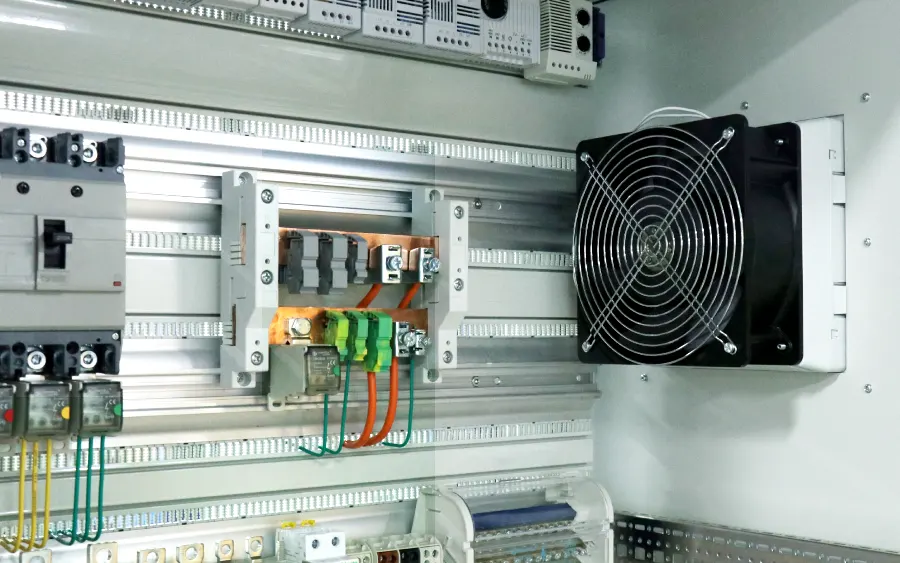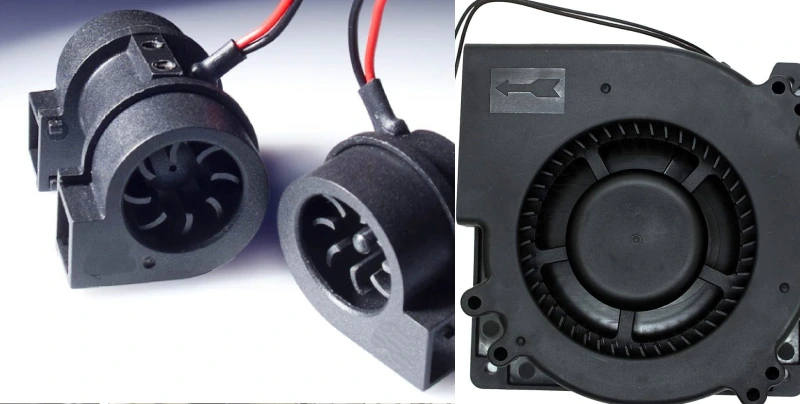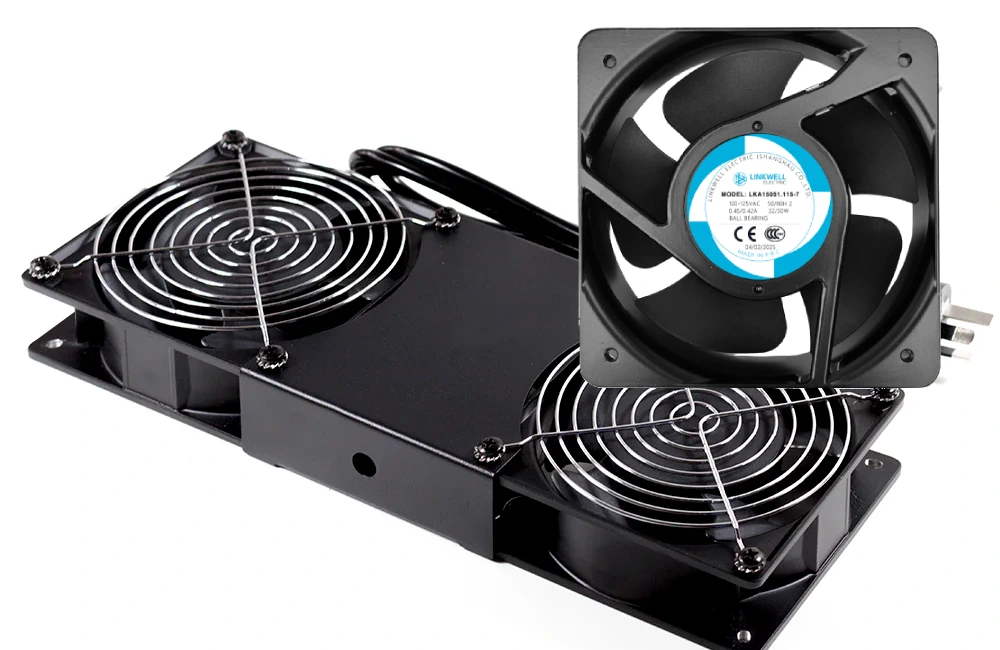
When you look at electrical cabinets, the right filter does more than just block dust. A good filter keeps your equipment safe and supports your health by stopping harmful particles. If you want to know how to choose the right filter grade for cabinets, focus on matching the filter’s efficiency to your cabinet’s needs. Airflow, protection, and environment all matter. The filter you pick can make a real difference for your health, your cabinet’s performance, and even your business. Linkwell stands out as a trusted brand when you need a filter that truly protects your health and your equipment.
Key Takeaways
- Choose the right filter grade to protect your electrical cabinet from dust and harmful particles.
- Understand MERV ratings; higher numbers indicate better filtration and protection for your equipment.
- Match the filter to your cabinet’s airflow needs to prevent overheating and ensure efficient operation.
- Consider environmental factors like humidity and pollution when selecting a filter for outdoor or industrial cabinets.
- Opt for trusted brands like Linkwell for customizable filters that meet compliance standards and enhance performance.
Filter Grades and MERV Rating Overview
Recommended products
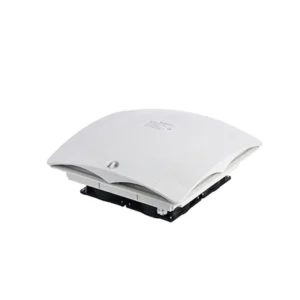

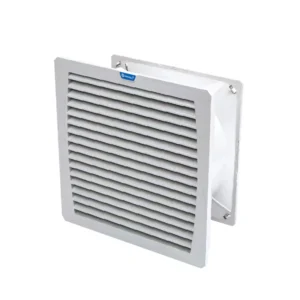
Common Filter Grades for Cabinets
When you look at electrical cabinets, you want to keep dust, moisture, and tiny particles out. The right air filter makes a big difference. You might see filters labeled as coarse, medium, or fine. These grades come from standards like EN779 and the merv rating system. EN779 uses groups like G (coarse), M (medium), and F (fine). The merv scale ranges from 1 to 16. Higher numbers mean better filtration. You can find fan filters for cabinets with grades that match your needs. Some filters block large dust particles. Others, like a merv 13 filter, catch smaller particles and even some bacteria.
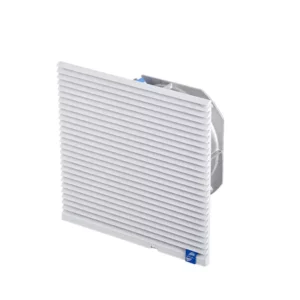
Linkwell offers many fan filter units and cabinet fans with different filter grades. You can choose a customizable air filter for your electrical enclosure. Some models use HEPA filters for labs or automation rooms. Others have integrated filters for control cabinets or data boxes. The LK32, LK66, FK55, and FF series feature flame-retardant filters and high IP levels. You get options for airflow, housing material, and filter grade. This means you can match your cabinet’s needs and improve indoor air quality.
| Product Name | Filter Grade | Applications | Features |
|---|---|---|---|
| Electrical Panel Cooling Fan With Filter | Customizable | Electrical enclosures, telecom cabinets | Custom sizes, voltages, airflow, housing material, and filter grade. |
| Exhaust Fan With HEPA Filter | HEPA | Labs, base stations, automation control rooms | High-grade HEPA filtration, prevents dust and microbes. |
| Wall Exhaust Fan With Filter | Integrated | Control cabinets, data boxes, industrial enclosures | Compact design, blocks dust and small particles. |
| Industrial Exhaust Fan with Filter | Heavy-duty | Manufacturing plants, telecom towers | Handles large air volumes, low maintenance, high ROI. |
| Built-in Exhaust Fan With Air Filter | Integrated | Electrical control panels, signal cabinets | Space-saving design, low power consumption, minimal servicing required. |
| Fan and Filter | Customizable | Control cabinets, telecom signal enclosures | High airflow efficiency, designed for long service life. |
| New FU series | Customizable | Various applications | Easier filter replacement, higher IP level, diverse installation options. |
| LK32/LK66/FK55/FF series | Flame retardant | Various applications | IP level up to 54, customizable IP55, easy filter replacement. |
Understanding MERV Rating for Cabinet Filters
You might wonder what the merv rating means for your cabinet’s air filter. The merv rating shows how well a filter traps particles. The merv scale starts at 1 and goes up to 16. A merv 13 filter can catch pollen, dust, mold spores, and even some viruses. High-merv filters work best in places where you need top indoor air quality. You see merv ratings used in hvac systems everywhere, from homes to factories. For electrical cabinets, a higher merv rating means better protection for your equipment.
EN779 and merv rating systems help you compare filters. EN779 is a European standard. Merv is used in North America. Here’s a quick look at how they compare:
| Feature | EN779 Classification | MERV Rating System |
|---|---|---|
| Region | European standard | North American standard |
| Classification Groups | G (coarse), M (medium), F (fine) | Ranges from 1 to 16 |
| Particle Size Range | Focuses on various sizes | 0.3 to 10 microns |
| Efficiency Measurement | Mean filtration efficiency for 0.4 µm particles | Minimum efficiency reporting values |
| Replacement Standard | Replaced by ISO 16890 in 2018 | Still in use |
When you pick a fan filter for your cabinet, check the merv rating. You want a filter that matches your environment and keeps your equipment safe. Linkwell’s hvac solutions let you choose the right air filter for your needs. You get better indoor air quality, longer equipment life, and peace of mind.
How to Choose the Right Filter Grade for Cabinets
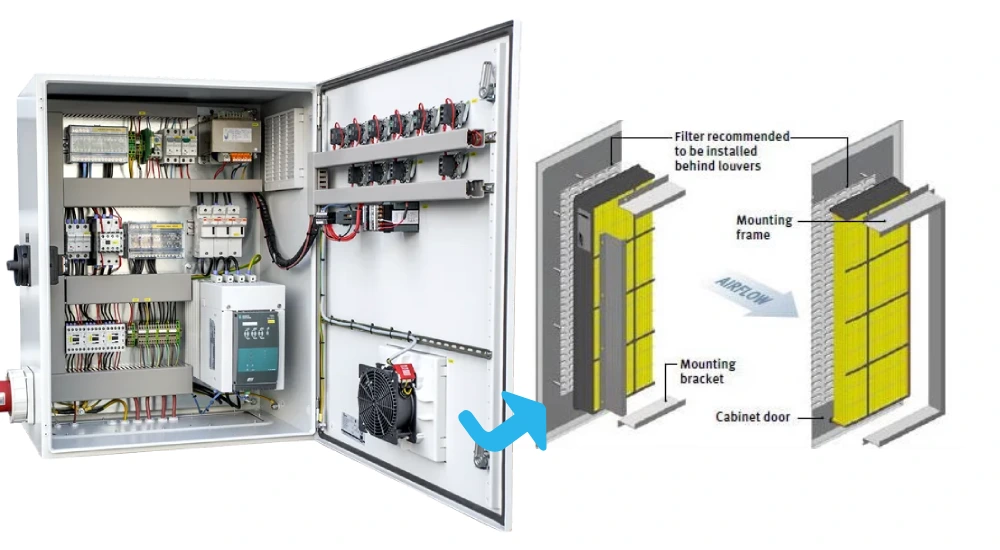
Key Selection Factors (Airflow, Protection, Environment)
When you think about how to choose the right filter grade for cabinets, you want to start with the basics. You need to match the filter to your cabinet’s airflow, protection level, and environment. If you get this right, your electrical cabinet will run smoothly and stay safe.
Let’s break it down. Airflow is the first thing you should check. If you pick a fan filter that’s too dense, you might block the air and cause overheating. A filter that’s too loose won’t catch enough dust or moisture. The right filter size keeps air moving and protects sensitive electronics. You want your hvac system to work efficiently, so always check the airflow rating before choosing an air filter.
Protection comes next. Different filter grades use special materials like polyester or polypropylene microfibers. These can trap particles as small as 10 microns. Some fan filters have louver systems to keep water out. Others use waterproof hoods and corrosion-resistant frames. You get better protection against dust, moisture, and other contaminants when you choose the right filter grade for your cabinet.
Your environment matters, too. If your cabinet sits outdoors or in a factory, you need a filter that can handle tough conditions. High humidity, temperature swings, and pollution can all affect your cabinet. You might need a thermostatically controlled heater for humid areas. For outdoor cabinets, look for a minimum NEMA 4 rating to keep water, snow, and ice out.
Here’s a quick table to help you see what environmental factors you should consider:
| Environmental Factor | Description |
|---|---|
| Temperature | Check the range of outside temperatures and compare with your cabinet’s needs. |
| Humidity | High humidity can cause condensation. Use a heater if needed. |
| Atmospheric Pollution | Corrosive vapors and dust can damage electronics. Seal your enclosure and pick the right rating. |
| Water, Snow, and Ice | Outdoor cabinets need extra protection. Go for a higher NEMA rating. |
When you’re choosing an air filter for your electrical cabinet, always think about where your cabinet lives and what it faces every day.
Tip: If you want to save money in the long run, go for higher-grade filters. These need fewer replacements, cut down on labor costs, and help your hvac system use less energy. You’ll also extend the life of your equipment.
Here’s how different filter grades help protect your cabinet:
- Polyester and polypropylene microfibers catch tiny particles.
- Louver systems stop water from getting inside.
- Waterproof hoods and corrosion-resistant frames add extra protection.
- The filter media, size, and design all affect how well your fan filter works.
Compliance and Standards (EN779, MERV, IP Ratings)
You want your electrical cabinet to meet all the right standards. That’s why you need to know about EN779, merv, and IP ratings. These standards help you figure out how to choose the right filter grade for cabinets.
EN779 is a European standard. It puts filters into classes from G1 to F9, based on how well they catch synthetic dust. MERV is a North American standard. It rates filters from MERV 1 to MERV 16. Higher merv numbers mean better filtration. ISO 16890 is a global standard that looks at how well filters catch different sizes of particulate matter.
Here’s a table to help you compare the standards:
| Standard | Description |
|---|---|
| MERV | North American standard. Rates filters by how well they trap particles. MERV 1 to MERV 16. Higher is better. |
| EN779 | European standard. Classes G1 to F9. Measures how well filters catch synthetic dust. |
| ISO 16890 | Global standard. Measures filter efficiency for PM10, PM2.5, and PM1. |
EN779 has been around since 2012. It set minimum efficiencies for Classes F7 to F9. This made filter testing more reliable and easier to compare. Lab tests help you see how a filter performs, but real-world results can vary. The minimum efficiency rules help you pick a filter that meets your needs.
When you look at merv ratings, you want to match the filter to your cabinet’s environment. If you have poor outdoor air quality, you need at least an ePM1 filter. Even in good or moderate air, ePM1 is the minimum. This keeps your indoor air quality high and your equipment safe.
| Outdoor Air Quality Classification | Minimum Filtration Level Required |
|---|---|
| Good | ePM1 filter |
| Moderate | ePM1 filter |
| Poor | ePM1 filter |
IP ratings matter, too. They show how well your cabinet fan filter protects against dust and water. If you need outdoor protection, look for IP54, IP65, or higher. This keeps your cabinet safe from moisture and debris.
When you choose a Linkwell fan filter unit, you get products that meet ISO, CE, RoHS, and UL standards. Linkwell offers customizable solutions for different voltages, sizes, and filter grades. You can pick a fan filter that matches your cabinet’s needs and meets all compliance rules.
If you want to know how to choose the right filter grade for cabinets, follow these steps:
- Check your cabinet’s airflow needs. Pick a filter that keeps air moving but blocks dust.
- Match the filter grade to your protection needs. Look for materials and designs that keep out moisture and contaminants.
- Consider your environment. Outdoor or industrial cabinets need tougher filters.
- Make sure your filter meets EN779, merv, and IP ratings.
- Choose a trusted brand like Linkwell for certified, customizable fan filters.
You’ll get better hvac performance, lower energy bills, and longer equipment life. Linkwell’s fan filters make choosing an air filter easy and reliable.
| Benefit | What It Does |
|---|---|
| Saves energy | Clean systems use less power, lowering energy bills. |
Note: When you know how to choose the right filter grade for cabinets, you protect your investment and keep your electrical systems running strong. Linkwell’s certified fan filters help you meet every standard and environmental challenge.
Linkwell Solutions for Cabinet Filtration
Fan Filter Unit Features and Benefits
When you want reliable filtration for your electrical cabinets, Linkwell’s fan filter units stand out. These units do more than just move air—they protect your equipment and help your hvac system work at its best. You get advanced design features that tackle tough environments. The IP54 rating means your cabinet stays safe from splash water and dust. You can swap out filter mats quickly, without tools, so maintenance is simple and fast. Optional corrugated filter mats boost dust holding capacity, which means fewer replacement cycles and longer service life.
Here’s a quick look at what you get with Linkwell fan filter units:
| Feature/Benefit | Description |
|---|---|
| Reduced downtime | Service or replace units without shutting down your whole system. |
| Lower maintenance costs | Easy filter changes and tool-free access save you money. |
| Long service life | Units last over 60,000 hours, so you don’t worry about frequent replacement. |
| Energy efficiency | Uses less power, which lowers your energy bills. |
| Compliance with regulations | Meets strict air quality standards in many industries. |
| Flexibility and scalability | Add or move units as your business grows. |
| Easy installation | Modular design makes setup and expansion simple. |
| Reliable safety | Keeps your equipment and team safe. |
You can count on Linkwell’s fan filter units to improve airflow, trap dust, and keep your electrical cabinets running smoothly. These units help your hvac system meet merv standards, so you get the right balance of protection and efficiency.
Cabinet Fan Options and Applications
Linkwell offers a wide range of cabinet fans and fan filters for different cabinet sizes and filter grades. You can choose from several fan sizes, voltages, and airflow levels to match your needs. Whether you work with industrial equipment, data centers, or labs, there’s a Linkwell solution for you.
| Fan Size | Applications | Airflow (m³/h) | Noise Level (dB) | Voltage Options |
|---|---|---|---|---|
| 80mm | Compact systems | 750~1350 | 40+ | 220 V, 230 V, 24 V DC, 48 V DC |
| 120mm | Standard PCs, gaming systems | 750~1350 | 40+ | 220 V, 230 V, 24 V DC, 48 V DC |
| 140mm | High-performance systems | 750~1350 | 40+ | 220 V, 230 V, 24 V DC, 48 V DC |
| 200mm | Enthusiast builds | 750~1350 | 40+ | 220 V, 230 V, 24 V DC, 48 V DC |
You can also find specialized products like the CE ROHS Certified LK6626 Series Fan And Filter, F2E-DP Series Cabinet Roof Fan, and FF109 IP54/55 Electric Cabinet Ventilation Cooling Fan with Filter. These options give you flexibility for different environments and merv requirements.
Tip: When you select a Linkwell fan filter, check your cabinet’s airflow and protection needs. For outdoor or dusty areas, pick a model with a high IP rating and a filter grade that matches your merv target. If you need quiet operation, look for fans with lower noise levels. For labs or cleanrooms, choose HEPA filters for top filtration.
Linkwell’s solutions help you meet hvac and merv standards, reduce replacement air filters, and keep your electrical cabinets safe and efficient. You get peace of mind knowing your equipment is protected by a trusted brand.
Conclusion
Choosing the right filter for your electrical cabinet isn’t just about blocking dust. You want to keep your equipment safe, extend its life, and make sure your workspace stays clean. When you match the filter grade to your cabinet’s needs, you get better performance and peace of mind. Fan filters play a huge role in keeping your system cool and protected.
Let’s recap the most important things you should think about when picking a filter for your cabinet:
- Filtering properties help you block unwanted particles and keep your electronics safe.
- Electrical and operational parameters let you understand how your cabinet works and what it needs.
- Application and system requirements make sure you get a filter that fits your specific setup.
- Attenuation and insertion loss show you how well your filter works in real conditions.
- Installation options give you flexibility and can improve performance.
- Testing and inspection keep your cabinet running smoothly, especially in mission-critical jobs.
- Cost and manufacturing considerations help you balance quality and budget.
You’ve seen how merv ratings make it easy to compare filters. A higher merv rating means better protection for your cabinet. You want a fan filter that matches your environment, whether you’re dealing with dust, moisture, or tough outdoor conditions. Linkwell offers certified solutions that meet strict standards, so you know you’re getting reliable filtration.
If you’re not sure which filter grade fits your cabinet, reach out to Linkwell’s experts. They’ll help you find the best fan filter for your needs and guide you through every step.
When you choose the right filter, you save energy, lower maintenance costs, and protect your investment. You keep your electrical cabinet running strong and your business moving forward. Don’t settle for less—choose a fan filter with the right merv rating and trust Linkwell to deliver quality and support.
Choosing the right filter for your electrical cabinet keeps your equipment safe and efficient. Understanding merv ratings helps you pick the best protection. Before you decide, take these steps:
- Check your cabinet’s input voltage.
- Measure the current rating.
- Review the ambient temperature and the filter’s derating curve.
- Make sure your cabinet meets immunity standards.
If you want reliable filtration, Linkwell offers expert advice and solutions tailored to your needs.
FAQ
How often should you replace a fan filter in an electrical cabinet?
You should check your fan filter every 3–6 months. If your cabinet sits in a dusty or outdoor area, check it more often. Clean filters keep your equipment safe and running longer.
What MERV rating do you need for most electrical cabinets?
Most indoor cabinets work well with a MERV 8–11 fan filter. If you have sensitive electronics or harsh environments, go for MERV 13 or higher. Higher ratings mean better protection.
Can you use the same fan filter for indoor and outdoor cabinets?
No, you need different filters. Outdoor cabinets need fan filters with higher IP ratings and tougher materials. These filters block water, dust, and harsh weather. Indoor cabinets can use standard filters.
Why choose Linkwell fan filters for your electrical cabinets?
Linkwell gives you certified, customizable fan filters. You get reliable airflow, easy installation, and strong protection. Trusted by global brands, Linkwell helps you keep your cabinets safe and efficient.
What happens if you use the wrong filter grade?
If you pick the wrong filter, your cabinet can overheat or get clogged with dust. This can cause equipment failure. The right filter grade keeps your system cool and your electronics safe.