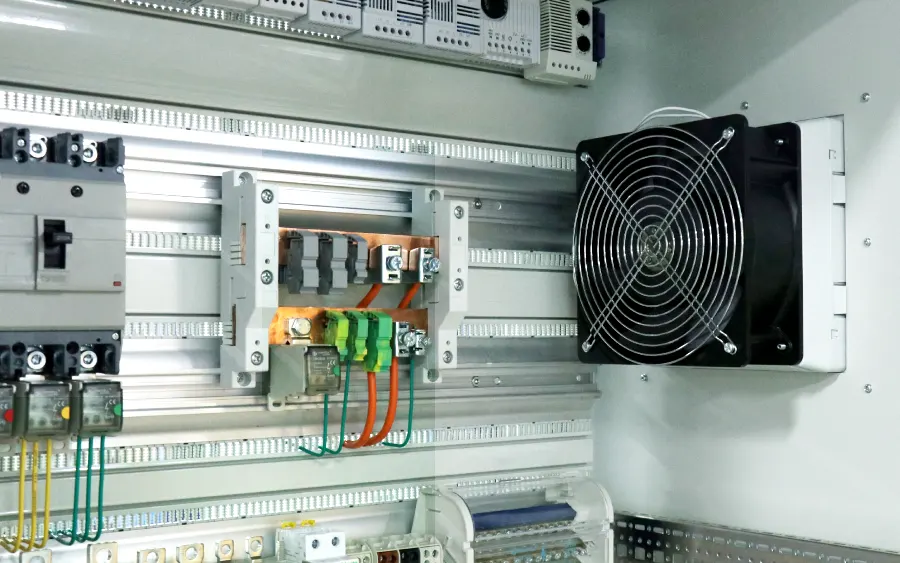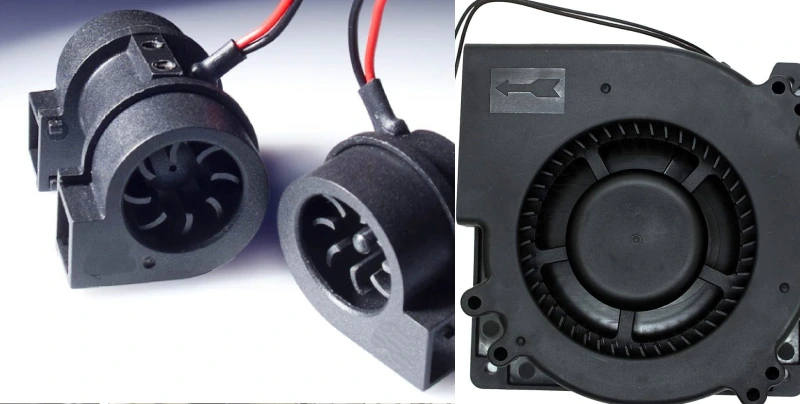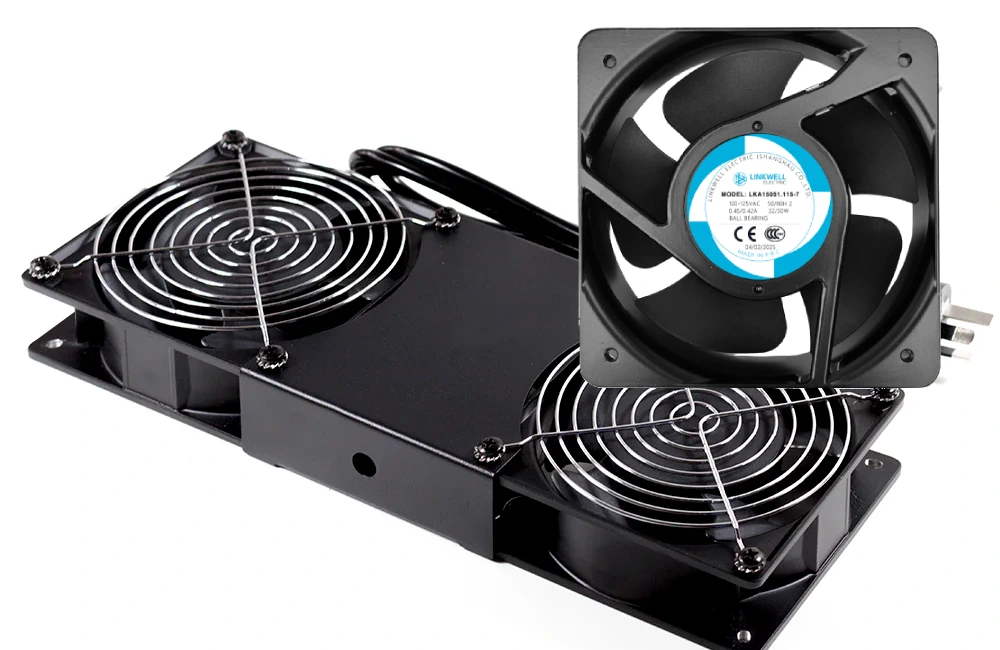
You might not realize it, but overheating is the main culprit behind most cabinet failures in factories. In fact, about 70% of cases trace back to heat issues. When cabinets get too hot, you can face all kinds of trouble—slower performance, worn-out parts, even lost data. Take a look at the real-world impacts:
| Impact Type | Description |
|---|---|
| Performance Degradation | Thermal throttling occurs when components exceed temperature limits, reducing system efficiency. |
| Component Fatigue and Failure | High temperatures accelerate wear on components, leading to premature failures and costly repairs. |
| Data Integrity and Loss | Overheating can compromise data integrity, risking loss of critical information. |
| Financial Implications | Downtime from equipment failures can lead to significant financial losses for businesses. |
Knowing why overheating causes 70% of cabinet failures in factories can help you protect your equipment and keep your operations running smoothly.
Key Takeaways
- Overheating is responsible for about 70% of cabinet failures in factories. Keeping temperatures in check is crucial for equipment longevity.
- Heat damages components, leading to failures and unexpected shutdowns. Maintain a stable environment to protect your electronics.
- Poor airflow, high equipment density, and hot factory conditions increase overheating risks. Regular cleaning and monitoring can help.
- Downtime from overheating can lead to significant financial losses. Proactive thermal management saves money and improves productivity.
- Using effective cooling solutions like Linkwell’s products can prevent overheating and extend the life of your equipment.
Why Overheating Causes 70% of Cabinet Failures in Factories
You might wonder why overheating causes 70% of cabinet failures in factories. The answer comes down to how heat sneaks into your cabinets, how it damages your equipment, and what triggers these temperature spikes in the first place. Let’s break it down so you can spot the warning signs and keep your systems safe.
Main Heat Sources in Factory Cabinets
Factory cabinets work hard every day. They house all sorts of electrical and electronic components that generate heat as they run. But where does all this heat come from? Here are the main sources you should watch out for:
- Power supplies and transformers give off heat as they convert energy.
- Motors and relays inside the cabinet create extra warmth during operation.
- High-density setups, like packed server racks or control panels, produce more heat in a smaller space.
- External factors, such as sunlight or hot factory floors, can raise the temperature inside the cabinet.
Industry data shows just how serious this problem is:
- High temperatures are responsible for over 50% of electronic equipment failures.
- 80% of all electrical control component failures occur due to temperature extremes.
When you look at these numbers, it’s easy to see why overheating causes 70% of cabinet failures in factories. If you ignore these heat sources, you risk damaging your equipment and facing unexpected downtime.
How Overheating Damages Components
Now, let’s talk about what happens inside your cabinet when things get too hot. Excessive heat doesn’t just make your equipment uncomfortable—it actually changes the way your components work. As temperatures rise, chemical reactions inside electronic parts speed up. This can cause materials to break down faster than normal. You might see wires or insulation start to crack, or circuit boards warp and fail.
Thermal stress is another big problem. When parts heat up and cool down over and over, they expand and contract. This constant movement can loosen connections or even break them completely. Over time, you’ll notice more blown fuses, faulty connections, and even mechanical faults in motors and transformers. That’s a big reason why overheating causes 70% of cabinet failures in factories.
If you let the temperature climb just 10 degrees Kelvin (about 18°F), you could double the failure rate of your components and cut their lifespan in half. That’s why it’s so important to keep things cool and steady inside your cabinets.
Common Triggers: Poor Airflow, High Density, and Ambient Heat
You might ask, “What actually triggers these dangerous temperature spikes?” Three main culprits stand out: poor airflow, high equipment density, and the temperature of the factory itself.
Let’s look at each one:
- Poor airflow keeps heat trapped inside the cabinet. If your fans or vents get blocked by dust or dirt, the hot air can’t escape. This leads to a quick rise in temperature and puts your equipment at risk.
- High-density setups mean you have more devices packed into a small space. This creates more heat than traditional cooling methods can handle. In places like data centers, clustering equipment together makes overheating even more likely.
- Ambient heat from the factory floor or direct sunlight can push the temperature inside your cabinet even higher. When the outside air is hotter than what you want inside the cabinet, passive cooling just won’t cut it. You need active solutions to keep things under control.
Here’s a quick table to show how different environmental factors can impact your cabinet:
| Environmental Factor | Impact on Temperature Inside Enclosures |
|---|---|
| Temperature Extremes | Overheating or condensation risks |
| Humidity | Condensation, corrosion, shorts |
| Dust and Pollution | Blocks heat dissipation, overheating |
| UV Radiation | Raises internal temperature |
You’ll also want to keep an eye out for these common issues:
- Aging components lose their ability to handle power.
- Overvoltage from overloaded circuits or wrong transformer sizes.
- Mechanical faults from heat and vibration.
- Faulty connections that increase resistance and create more heat.
- Deteriorated insulation from heat, moisture, or stress.
- Poor maintenance that lets dust and contaminants build up.
Loose connections and moisture alone cause nearly half of all overheating cases. Dust and dirt make things worse by blocking airflow and trapping heat.
When you understand why overheating causes 70% of cabinet failures in factories, you can take steps to prevent it. Watch for these triggers, keep your cabinets clean, and make sure you have the right cooling solutions in place. That’s how you protect your equipment and keep your factory running smoothly.
Risks and Consequences of Cabinet Overheating
Equipment Damage and Shortened Lifespan
When your cabinet overheats, you’re not just dealing with a little extra warmth. You’re risking serious damage to your equipment. Heat can cause control components to malfunction, signals to drift, and machines to lose accuracy. You might notice unexpected shutdowns or find that your system just doesn’t last as long as it should.
- Overheating and malfunction of control components
- Signal drift and machining inaccuracies
- Reduced system lifespan and unexpected downtimes
Here’s something you should know:
Undetected overheating in electrical cabinets can lead to electrical failures, equipment damage, and even fires. For industries reliant on critical systems, this poses a serious safety risk.
Every time the temperature inside your cabinet rises by just 10°C, you can cut the lifespan of your electronic components in half. Excessive heat is a common cause of premature failure, so keeping things cool is key.
Downtime, Safety, and Financial Losses
Overheating doesn’t just hurt your equipment—it hits your bottom line. When your cabinet fails, you face downtime, expensive repairs, and even safety hazards.
An overheating electrical cabinet is a ticking time bomb for your operations. Don’t let “heatstroke” cripple your valuable components and lead to costly downtime.
Take a look at how these losses stack up:
| Type of Loss | Description |
|---|---|
| Unnecessary downtime | Equipment shutdown leads to production delays and potential payroll costs for idle employees. |
| Expensive repairs | High costs associated with parts and labor for repairing or replacing overheated components. |
| Equipment failure | Significant losses in production and inventory when equipment fails during operation. |
| Customer inconvenience | Financial repercussions from unmet inventory requests, leading customers to seek alternatives. |
Safety matters, too. Overheated cabinets can spark fires or electrical hazards, putting your team and facility at risk.
Impact on Sensitive Electronics and System Reliability
Sensitive electronics need stable temperatures to work reliably. When things get too hot, you’ll see more failures and less consistent performance.
- Operating at temperatures just 10°C above the rated level can halve the lifespan of capacitors.
- Over 50% of electronic system failures are linked to poor temperature management.
- Heat buildup from blocked airflow or broken fans leads to damage and unreliable systems.
Dust and humidity make things worse. Dust acts like an insulator, trapping heat, while humidity can cause corrosion.
- Restricted airflow can lead to overheating, which is a common issue in industrial control cabinets.
- High ambient temperatures add thermal stress, causing failures.
- Dust accumulation restricts heat transfer and makes overheating problems worse.
If you want your systems to last and perform well, you need to keep your cabinets cool and clean. Every degree of cooling helps your electronics live longer and work better.
Preventing Overheating with Linkwell Cabinet Cooling Solutions
Recommended products
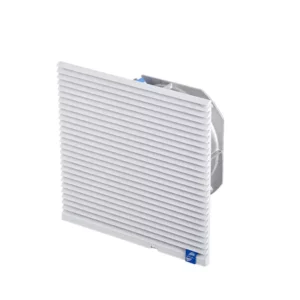
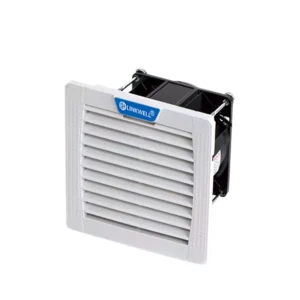

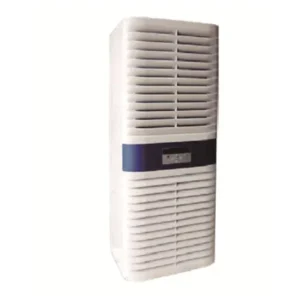
You want your factory cabinets to stay cool and reliable. Linkwell stands out as a trusted partner in thermal management. The company offers advanced cooling systems that protect your equipment and keep your operations running smoothly. Let’s look at how Linkwell’s cabinet air conditioners and fans help you prevent overheating and extend the life of your electronics.
Linkwell Cabinet Air Conditioner: Features and Benefits
Linkwell’s cabinet air conditioners deliver consistent performance in tough industrial environments. You get a compact design that fits easily into your setup. These cooling systems handle high ambient temperatures, even up to 60°C, so your equipment stays safe. The IP54 non-condensing water design prevents moisture problems. Microcomputer temperature control makes operation simple. You can choose a cooling capacity from 350W to 3500W, so there’s a solution for every need.
Linkwell’s adaptive cooling technology adjusts to changing thermal loads, giving you precision cooling for power applications.
Here’s what sets these cooling systems apart:
- Easy installation with unique corner code setup.
- Reliable operation with certified components (UL, CE, ISO).
- Smart controls that sense cabinet temperature and adjust cooling cycles.
- Maintains internal temperatures below 40°C, even in harsh conditions.
Linkwell Cabinet Fan: Efficient Ventilation for Factories
You need proper airflow to keep your cabinets cool. Linkwell’s cabinet fans use smart axial technology to provide optimal ventilation. These cooling systems automatically adjust based on temperature changes, so you always get the right airflow. Fans help prevent overheating and equipment damage, which means less downtime and more savings.
- Fans improve air distribution and remove pollutants, creating a healthier workspace.
- Axial fans maintain ideal temperatures and boost employee productivity.
- Energy-efficient design helps you cut electricity costs without sacrificing safety.
| Feature | Benefit |
|---|---|
| High efficiency | Saves energy |
| Easy installation | Reduces labor time |
| Safety and reliability | Protects equipment |
A factory in Thailand saw a 40% drop in internal faults after switching to Linkwell’s top-mount fans. Customers in Germany prefer Linkwell fans because they need fewer repairs.
Maintenance and Monitoring Best Practices
You want your cooling systems to last. Good maintenance and monitoring keep your cabinets safe and reliable. Start by sizing the thermal load. Estimate heat dissipation and pick a cooling system that exceeds your watt loss by 15-25%. Design a true air path to avoid hot spots. Separate hot and cold zones to protect sensitive components.
- Clean or replace filters regularly to keep airflow strong.
- Monitor static pressure and ambient temperature.
- Make sure your cooling systems operate below 40°C.
- Plan for easy access during maintenance and repairs.
Regular monitoring helps you catch problems early. You prevent overheating and keep your equipment running longer.
A wastewater plant upgraded its thermal management and saw a 78% reduction in faults. Coastal facilities using Linkwell cooling systems doubled their mean time between failures.
By following these best practices, you keep your cabinets cool, your electronics safe, and your factory running at peak efficiency.
conclusion
You now know why overheating causes most cabinet failures in factories. Heat sneaks up on your equipment and can ruin your day. If you ignore it, you risk downtime, expensive repairs, and even safety hazards. Sensitive electronics need a cool, stable environment to work their best. When you keep your cabinets cool, you protect your investment and keep your operations running smoothly.
Let’s recap the key points:
- Overheating is the top reason for cabinet failures—about 70% of cases.
- Heat damages components, shortens their lifespan, and leads to unexpected shutdowns.
- Poor airflow, high equipment density, and hot factory environments make the problem worse.
- Downtime and repairs cost you money and can hurt your reputation.
- Sensitive electronics need reliable cooling to stay safe and perform well.
Tip: Don’t wait for a failure to happen. Take action now to prevent overheating and protect your equipment.
You have options. Linkwell’s cabinet air conditioners and fans give you powerful, reliable cooling. These solutions help you control temperature, reduce maintenance, and avoid costly breakdowns. You can trust Linkwell’s products because they meet strict quality standards and work in tough environments.
Take a moment to look at your current cabinet cooling setup. Are you doing enough to keep things cool? If you want better reliability and peace of mind, check out Linkwell’s cabinet cooling solutions. Your equipment—and your bottom line—will thank you.
You’ve seen how overheating leads to most cabinet failures in factories. When you ignore thermal management, you risk serious damage, downtime, and lost productivity. Here’s what matters:
- Over 50% of electronic failures happen because of poor thermal management.
- Keeping equipment between 80°F and 105°F protects sensitive electronics.
- Proactive thermal management with Linkwell’s Cabinet Air Conditioner and Cabinet Fan keeps your systems reliable.
- Regular maintenance and smart thermal management extend equipment life.
- Good thermal management means lower costs, better performance, and safer operations.
| Benefit | Why It Matters |
|---|---|
| Equipment Protection | Prevents overheating and failures |
| Reliability | Keeps your factory running smoothly |
| Energy Efficiency | Reduces operational costs |
Take a moment to review your thermal management strategy. Smart choices today mean fewer problems tomorrow.
FAQ
What signs show my cabinet is overheating?
You might notice hot surfaces, frequent shutdowns, or error messages. Fans may run louder. Components can feel warm to the touch. These signs mean you should check your cooling system.
How often should I clean cabinet filters and fans?
You should clean filters and fans every month. Dust builds up fast in factories. Regular cleaning keeps airflow strong and helps prevent overheating.
Can Linkwell cooling products work outdoors?
Yes! Linkwell cabinet air conditioners and fans have IP54/IP65 ratings. You can use them in outdoor or harsh environments. They protect your equipment from dust, moisture, and heat.
What’s the best way to choose the right cooling solution?
Start by checking your cabinet’s heat load. Use a thermal calculator. Pick a cooling system that matches or exceeds your needs. You can ask Linkwell’s team for help if you’re unsure.