You might wonder what does an air conditioner capacitor do. It’s a small but powerful part that helps your air conditioner start up and keep running smoothly. Whether you use a standard unit or a cabinet air conditioner, this piece makes sure your cooling stays reliable. If you know how capacitors work, you can avoid expensive headaches like frequent replacements, compressor damage, and higher electricity bills. Spotting capacitor issues early lets you keep cool and save money.
- Low-quality capacitors often fail within months, costing thousands over time.
- A bad capacitor can overload the compressor, leading to repairs that cost much more.
- Inefficient capacitors may raise your energy bill by up to 15%.
Key Takeaways
- An air conditioner capacitor stores energy and provides a powerful boost to start the motor, ensuring your AC runs smoothly.
- Regularly check your capacitor for signs of failure, such as warm air blowing or unusual noises, to avoid costly repairs.
- Professional replacement of a failing capacitor is safer and ensures proper installation, protecting your AC system.
- Perform routine maintenance, like cleaning and inspections, to extend the life of your air conditioner and its components.
- Choosing high-quality capacitors can save you money on energy bills and prevent frequent breakdowns.
What Does an Air Conditioner Capacitor Do
How an AC Capacitor Works
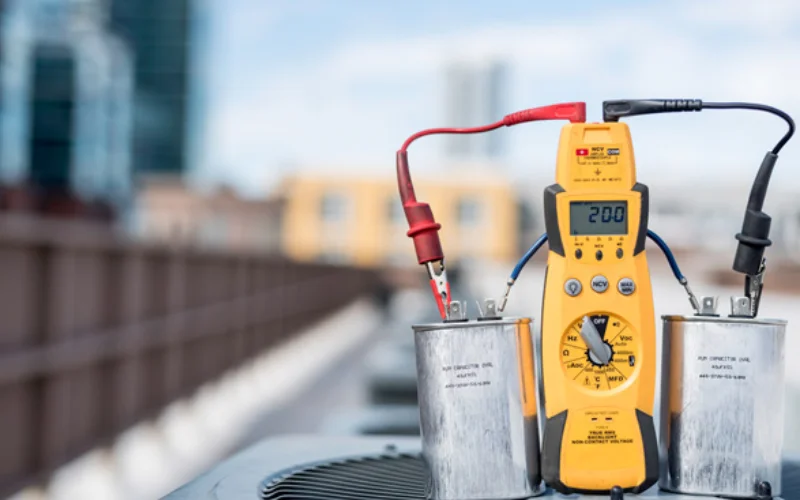
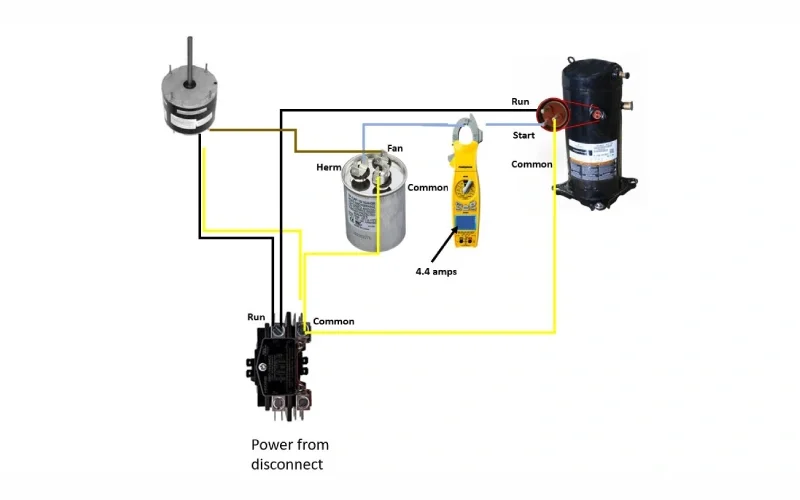
You might look at your air conditioner and wonder, what does an air conditioner capacitor do? This small part packs a big punch. The ac capacitor acts like a battery, storing energy and releasing it right when your air conditioner needs a boost. When you turn on your AC, the capacitor jumps into action. It sends a powerful jolt of electricity to the motor, helping it start up quickly and smoothly. Without this burst, your air conditioner would struggle to get going.
Let’s break down how an ac capacitor works:
- Capacitors store and release energy, which is crucial for the starting process of an AC unit.
- They assist motors during startup by providing powerful jolts of stored energy until the motor reaches operational speed.
- Once the motor is running, the capacitor adjusts its function, either reducing its current or transferring the load to a second capacitor designed for continuous operation.
You can picture the ac capacitor as a coach cheering your air conditioner on at the starting line. It gives the motor the push it needs to get moving. After the motor starts, the capacitor keeps working behind the scenes, making sure everything runs smoothly.
Here’s a quick look at the electrical magic inside an ac capacitor:
- Basic Structure: The capacitor has two plates with a special material between them. When you turn on your air conditioner, electricity builds up on these plates.
- Energy Storage Mechanism: The plates collect and release energy, creating an electric field that powers the motor.
- Capacitance: The size and material of the plates decide how much energy the capacitor can hold and release. This is called capacitance.
The answer to what does an air conditioner capacitor do is simple: it stores energy, releases it when needed, and keeps your AC running strong.
Why It Matters for Air Conditioners
You might ask, why does this little part matter so much? The ac capacitor is the secret to reliable cooling. When you flip the switch, the capacitor gives your air conditioner the initial jolt of electricity needed to start the compressor and fan motors. It stores electricity and sends it in bursts to energize the motors during the cooling cycle. Your home’s electrical system alone can’t always provide enough power, so the capacitor steps in to make sure your air conditioner operates effectively.
Here’s why the ac capacitor matters:
- The capacitance value determines the amount of electrical energy the capacitor can store and release, which is essential for the air conditioner’s starting and running efficiency.
- Capacitors provide the initial power required for the air conditioner motor to operate, allowing it to start effectively and maintain performance during operation.
- Higher capacitance values can lead to improved efficiency and stability in the air conditioning system, as they allow for better energy management during the cooling cycle.
If you ever notice your air conditioner struggling to start, shutting off too often, or using more electricity than usual, the ac capacitor could be the reason. When the capacitor fails, your system might:
- Struggle to start, causing delays in cooling and frequent shut-offs.
- Use more energy, which means higher bills for you.
- Risk motor damage from overheating, leading to expensive repairs.
- Trip the circuit breaker, interrupting your cooling and straining your electrical system.
Tip: If your air conditioner seems sluggish or your energy bills spike, check the ac capacitor first. Catching problems early can save you money and keep your home comfortable.
So, what does an air conditioner capacitor do? It keeps your air conditioner reliable, efficient, and ready to cool your space whenever you need it.
Types of AC Capacitors
When you look inside your air conditioner, you’ll find more than one kind of ac capacitor. Each type has a special job, and knowing the difference helps you spot problems faster.
Start Capacitor
The start capacitor gives your air conditioner the kick it needs to get moving. You’ll find this part working hard when the compressor and fan motor first turn on. It stores extra energy and releases a strong burst, helping the motor overcome inertia. Without this boost, your AC might struggle to start or make strange noises.
Here’s what makes start capacitors unique:
- They provide a power boost for starting the compressor and fan motor.
- You’ll see them in motors that need high starting torque.
- Start capacitors only work for a few seconds during startup, then rest until the next cycle.
Tip: If your AC hesitates or fails to start, the start capacitor could be the culprit.
Run Capacitor
Once your air conditioner gets going, the run capacitor steps in. This ac capacitor keeps the fan motor running smoothly and efficiently. It acts like a small battery, storing and releasing energy to maintain consistent motor speed. You’ll notice the run capacitor working throughout the cooling cycle.
Key features of run capacitors:
- They provide a steady power supply during operation.
- They help stabilize voltage and current flow, reducing wear on the motor.
- Run capacitors stay engaged for long periods, supporting continuous operation.
Key Differences
You might wonder how start and run capacitors compare. Here’s a quick table to help you see the main differences:
| Feature | Start Capacitor | Run Capacitor |
|---|---|---|
| Purpose | Power boost for motor start | Maintains smooth operation |
| Duty Cycle | Short bursts, intermittent | Continuous, long duration |
| Capacitance Value | Higher (50-1200 uf) | Lower |
| Application | Compressor, fan motor startup | Blower fans, continuous operation |
| Impact of Failure | AC struggles to turn on | Overheating, unusual noises |
You’ll also find single run capacitors, dual run capacitors, hard start kits, and soft start capacitors in different AC systems. Each one helps your air conditioner work better and last longer.
Importance of Air Conditioner Capacitors in Cabinet AC Units
Linkwell Cabinet Air Conditioner Overview
If you work with electrical cabinets, you know how important it is to keep everything cool and protected. Linkwell cabinet air conditioners stand out because they use military-grade materials and smart technology. You get brushless motors that cut down on maintenance. Inverter compressors help save energy and keep cooling steady. These units also offer smart connectivity, so you can monitor and adjust settings in real time. You’ll find built-in heating functions for cold climates and hydrogen exhaust options for special environments. Automatic protection features and self-diagnostic functions make troubleshooting easy and help prevent downtime.
Here’s a quick look at what makes Linkwell cabinet air conditioners reliable:
| Feature | Benefit |
|---|---|
| Military-grade materials | Boost durability and lifespan |
| Inverter compressors and EC fans | Improve energy efficiency and cooling performance |
| Smart connectivity | Real-time monitoring and adjustments |
| Built-in heating function | Protects equipment in cold climates |
| Automatic protection mechanisms | Minimizes downtime and resolves issues quickly |
| Low noise and low maintenance | Lets you focus on your work |
Tip: Linkwell cabinet air conditioners are designed for tough industrial environments. You get peace of mind knowing your equipment stays cool and safe.
Role of Capacitors in Cabinet Cooling
You might wonder why the ac capacitor matters so much in cabinet air conditioners. The ac capacitor gives the compressor and fan motor a power boost to start the cooling process. It keeps a steady flow of energy during operation, which means your cabinet stays at the right temperature. If the ac capacitor fails, your unit can struggle to start, run less efficiently, or even break down. Regular maintenance and timely inspections help you avoid these problems and keep your system running smoothly.
Let’s break down how capacitors impact cabinet cooling:
- They store energy and deliver a jolt to start the compressor motor.
- They maintain a steady current to the fan and compressor, preventing voltage drops.
- They regulate voltage, which keeps the system stable and efficient.
- By preventing overloads and power surges, capacitors protect sensitive electronics and extend the life of your air conditioner.
| Evidence | Description |
|---|---|
| Capacitors help start motors | Provide voltage for quick and efficient motor startup, boosting performance. |
| Failure leads to issues | A failed capacitor can cause poor cooling and shorten the unit’s lifespan. |
| Regular maintenance is key | Checking capacitors often helps your system last longer and work better. |
Note: In industrial settings, a healthy ac capacitor means fewer breakdowns and lower energy costs. You get reliable cooling and longer-lasting equipment.
Signs of a Failing AC Capacitor
Common Warning Signs
You might notice your air conditioner acting strange before it stops working. The most common signs of a bad capacitor include your AC unit blowing warm air instead of cool air. Sometimes, you hear clicking or humming noises when the system tries to start. If you smell a burning smell near your unit, that’s a big red flag. You may also see your AC turning on and off more often than usual. These warning signs often point to capacitor failure.
Here’s a quick list to help you spot trouble:
- Blowing warm air from vents
- Unusual noises like clicking or humming
- Burning smell near the unit
- AC struggles to start or shuts off quickly
- Higher energy bills
If you notice a burning smell or your air conditioner is blowing warm air, turn off the system and call a professional. These symptoms can mean serious capacitor failure.
Impact on Air Conditioner Performance
Capacitor failure can make your air conditioner work much harder. When the capacitor goes bad, your AC might run but never cool the room. Blowing warm air is a clear sign the compressor can’t start, so heat stays trapped inside. You’ll see your system using more power and your energy costs rising.
Here’s how a bad ac capacitor affects performance:
- The AC needs extra power to run.
- The system strains to provide cool air, lowering its voltage rating.
- You waste energy and pay more for electricity.
If you replace the failing capacitor, your air conditioner can return to normal and cool your space again.
Safety Concerns
Ignoring capacitor failure can lead to safety risks. A bad ac capacitor may overheat, causing a burning smell and even a fire hazard. Touching a failing capacitor or nearby parts can give you an electric shock. The extra strain on your system can also damage other components, leading to expensive repairs.
- Fire hazards from overheating
- Electric shock risk
- Premature failure of other AC parts
Never ignore signs of a bad capacitor. Quick action keeps your home safe and your air conditioner running smoothly.
What to Do If Your Air Conditioner Capacitor Fails
Professional Replacement vs. DIY
If your air conditioner stops working, you might think about replacing the capacitor yourself. You could save money and feel proud of fixing it. However, working with electrical parts can be risky. You might face electrical shocks or even damage your AC system if you make a mistake. Handling a capacitor without proper training can lead to injuries or health problems. You also risk voiding your warranty, which means you pay for future repairs.
Professional technicians know how to handle these repairs safely. They can spot other problems in your system and make sure everything works well. You get peace of mind, warranty protection, and expert service. For cabinet air conditioners, especially in industrial settings, it’s best to call a professional. They have the right tools and experience to install a new capacitor and keep your system running smoothly.
Here’s what a technician does when replacing a capacitor:
- Turn off and unplug your AC unit.
- Open the access panel.
- Find the capacitor and inspect it.
- Discharge the capacitor safely.
- Check the rating for voltage and capacitance.
- Remove the old part and take a photo for reference.
- Install the new capacitor, making sure connections are correct.
- Close the panel and secure it.
- Turn on the AC and test it.
Tip: If you use a Linkwell cabinet air conditioner, you can rely on their 24/7 technical support and fast spare parts supply for quick repairs.
Preventive Maintenance Tips
You can help your air conditioner last longer with simple maintenance. Clean your system often to remove dirt and debris. This keeps the capacitor cool and prevents overheating. Install surge protectors to guard against voltage spikes. If your AC sits outside, provide shade to reduce heat stress. Regular inspections and cleaning help you spot problems early and avoid costly repairs. When you notice any issues, call a professional to check the capacitor and replace it with a new capacitor if needed.
Linkwell offers preventive maintenance plans, technical consultations, and remote monitoring setup. You get guidance for installation and ongoing support. Their warranty covers parts and labor, so you stay protected if you ever need a new capacitor.
| Linkwell Service | Details |
|---|---|
| Warranty | 2-year standard, extendable up to 5 years |
| Technical Support | 24/7 hotline and free support |
| Spare Parts Supply | Fast shipment for quick replacement |
| Preventive Maintenance | Contracts and plans for regular checkups |
| Installation Guidance | Help during setup and remote monitoring |
Note: Regular care and professional help keep your air conditioner working at its best. You avoid breakdowns and enjoy cool, reliable air all year.
You rely on air conditioner capacitors to keep your cooling system running strong, whether at home or in industrial cabinets. Regular maintenance helps you catch problems early and avoid expensive repairs. Trusted brands like Linkwell deliver top scores for reliability and fast service:
| Supplier | Review Score | Response Time | On-Time Delivery | Reorder Rate |
|---|---|---|---|---|
| Linkwell Electric (Shanghai) | 5.0/5.0 | ≤2h | 100.0% | 19% |
- Schedule inspections every two years.
- Choose professional support for safe, efficient operation.
You can relax knowing your air conditioner will keep you cool and comfortable.
FAQ
What does an air conditioner capacitor do?
You get a quick burst of energy from the capacitor when your AC starts. It helps the motor run smoothly and keeps your cooling system reliable. Without it, your air conditioner struggles to work.
How do I know if my AC capacitor is bad?
You might hear strange noises, smell something burning, or notice your AC blowing warm air. If your unit turns on and off often or won’t start, the capacitor could be failing.
Can I replace an AC capacitor myself?
You can try, but it’s risky. Capacitors store electricity and can shock you. You should call a professional for safe replacement, especially for cabinet air conditioners.
How often should I check my cabinet air conditioner’s capacitor?
You should inspect the capacitor every year. Regular checks help you catch problems early and keep your cooling system running strong.
What makes Linkwell cabinet air conditioners stand out?
You get military-grade materials, smart controls, and energy-saving features. Linkwell offers fast support and reliable cooling for tough environments.